

Embarking on a loc journey is a commitment to a unique and beautiful hairstyle that reflects patience and personal expression.
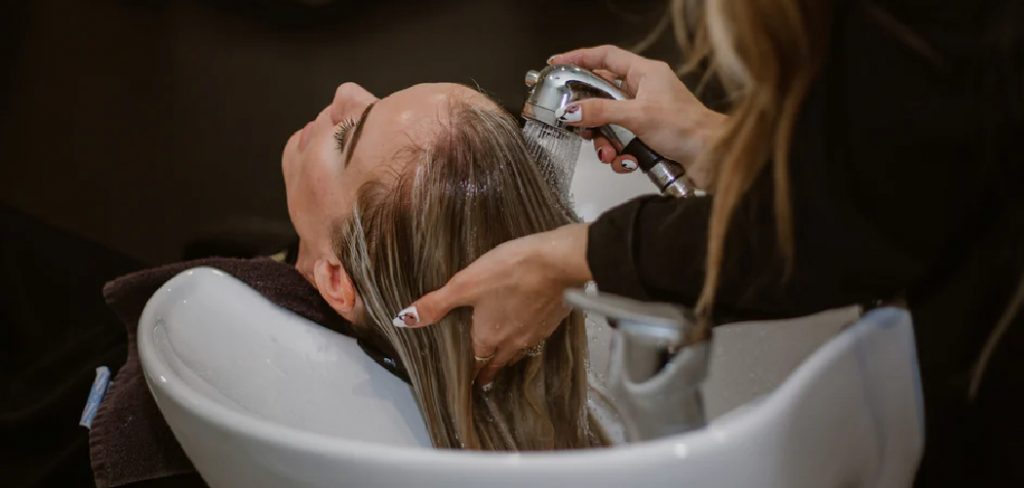
But beyond the aesthetics, the health of your locs is paramount. Healthy locs are not just about looking good; they are the foundation of a strong, long-lasting, and manageable crown. Understanding the signs of a healthy loc journey allows you to address potential issues before they become major problems, ensuring your hair can thrive for years to come.
This guide on how to know if your locs are healthy will walk you through everything you need to know to assess and maintain the vitality of your locs.
What Will You Need?
Essential Products & Tools:
- Sulfate-Free Clarifying Shampoo: To remove buildup without stripping natural oils.
- Moisturizing Shampoo: For regular cleansing that hydrates the hair.
- Lightweight Natural Oils: Such as jojoba, coconut, or grapeseed oil to seal in moisture.
- Rosewater or Aloe Vera Spray: A simple and effective way to hydrate your locs daily.
- Microfiber Towel: To absorb excess water without causing frizz or leaving lint.
- Satin or Silk Scarf/Bonnet/Pillowcase: Crucial for protecting your locs from friction and moisture loss while you sleep.
Essential Habits:
- A Consistent Wash Routine: Cleansing your scalp and locs regularly to prevent buildup.
- A Hydration and Sealing Practice: Applying moisture and sealing it in to prevent dryness.
- Gentle Handling: Avoiding excessive tension and harsh twisting.
- Patience: Allowing your locs to mature and grow at their own pace.
10 Easy Steps on How to Know if Your Locs Are Healthy
Step 1: Check for a Clean and Healthy Scalp
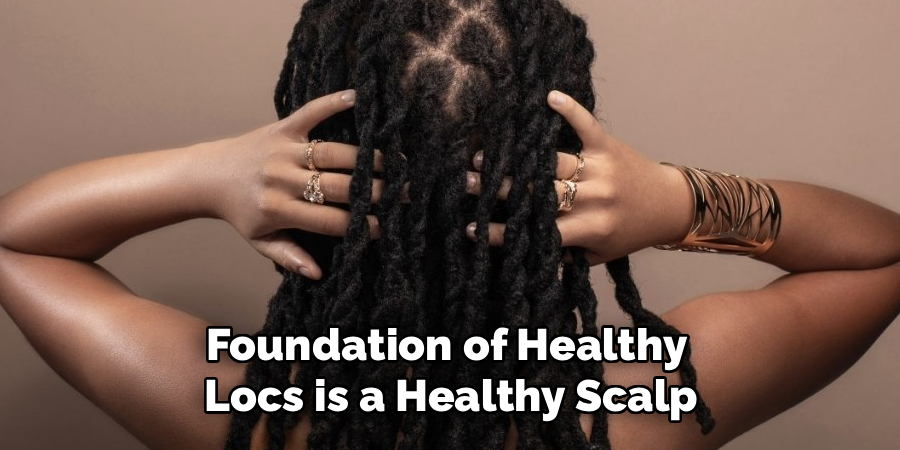
The foundation of healthy locs is a healthy scalp. A clean, well-cared-for scalp creates the optimal environment for strong hair growth. To assess your scalp, part your locs in various sections and take a close look. A healthy scalp should be free from excessive flakes, redness, sores, or persistent itchiness.
You should not see a thick, caked-on layer of product or dandruff. Some light flaking can be normal, especially in dry weather, but it shouldn’t be constant or accompanied by irritation. An unhealthy scalp can lead to weak roots, hair loss, and unpleasant odors. If you notice persistent issues, it could be a sign of product buildup, an allergic reaction, or a condition like seborrheic dermatitis.
Step 2: Examine the Roots for New Growth
Your roots are the newest and most vulnerable part of your loc journey, and they are also a primary indicator of healthy hair growth. Healthy roots should feel soft but strong. When you touch the base of your locs, you should feel a small area of loose, un-loc’d hair. This is your new growth, and it’s a great sign! It shows your hair is actively growing.
The new growth should look consistent with the rest of your hair’s texture. Be wary of roots that feel mushy, overly soft, or thin, as this could be a sign of over-moisturizing or a weak foundation. On the other hand, excessively tight and painful roots are a red flag for too much tension from retwisting or styling, which can lead to traction alopecia.
Step 3: Assess the Loc Shaft for Uniformity
Take a moment to look at and feel the body of your locs, from the root down to the tip. A healthy loc shaft should have a generally uniform, cylindrical shape. While some bumps and texture variations are completely normal and part of the unique character of locs, you should not see dramatic changes in thickness along a single loc. Look for areas that are alarmingly thin or look like a string is holding two thicker parts together.
These weak spots are prone to breakage. Conversely, bulging or lumpy areas can indicate that the hair is not matting correctly or that product is building up inside the loc. Gently squeeze the loc; it should feel firm and compact, but not rock-hard.
Step 4: Test the Moisture Level
Dryness is one of the biggest enemies of healthy locs. Brittle hair is weak hair, and it’s far more likely to snap and break. To test the moisture level of your locs, simply touch them. Healthy locs should feel soft and pliable, not rough, crunchy, or stiff. They should have a bit of give when you bend them. Another way to check is to lightly spritz a section of your hair with water.
If the water beads up and rolls right off without being absorbed, it could mean you have a layer of product buildup that is preventing moisture from getting in. Healthy, well-moisturized locs will absorb the water within a reasonable time. If your locs feel constantly dry, it’s time to re-evaluate your moisture routine. Incorporate daily spritzing with rosewater or a light leave-in conditioner and seal that moisture in with a lightweight oil. Avoid heavy creams, waxes, and butters that sit on the surface of the loc and cause buildup.
Step 5: Look for an Overall Sheen
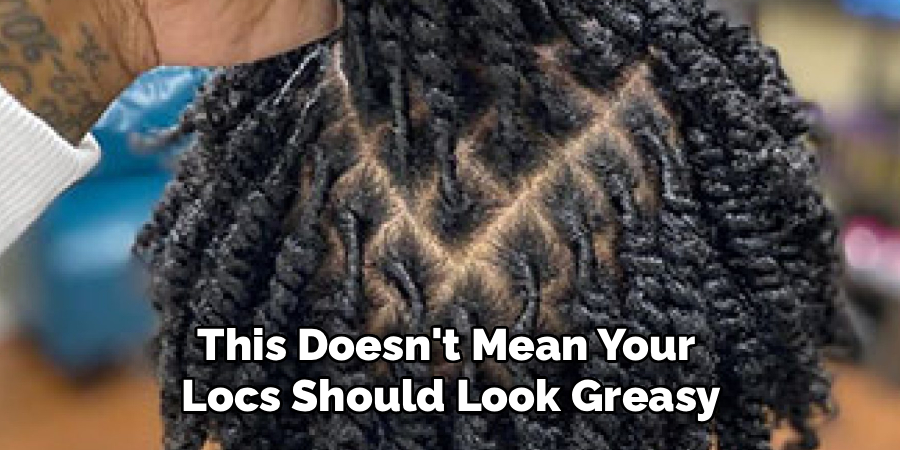
Healthy hair has a natural luster, and locs are no exception. This doesn’t mean your locs should look greasy or overly shiny, which is often a sign of too much product. Instead, you’re looking for a healthy, natural sheen that indicates your hair’s cuticles are smooth and well-hydrated. In different lighting, healthy locs will catch the light subtly.
Dull, lifeless-looking locs are often a sign of dryness or buildup. Buildup can coat the hair shaft, masking its natural shine and giving it a gray or dusty appearance. To restore this natural sheen, ensure you are properly clarifying your hair to remove residue and following up with adequate hydration.
Step 6: Check for Lint and Buildup
Lint and buildup are common issues, but they can compromise the health and appearance of your locs if left unchecked. Buildup can be from products (waxes, heavy creams) or from the scalp’s natural sebum mixing with dirt. Lint comes from towels, bedding, hats, and clothing.
To check, take a close look at your locs, especially in bright, natural light. Buildup often appears as a whitish or grayish film that makes the locs look dull and feel waxy. Lint looks like tiny, fuzzy specks embedded within the loc. While a small amount is almost unavoidable, a heavy accumulation can be problematic. The best defense is prevention. Use microfiber towels, protect your hair at night with a silk or satin scarf, and avoid heavy products.
Step 7: Evaluate the Strength at the Ends
The ends of your locs are the oldest and often the most fragile part of your hair. For traditional locs, the ends should be sealed, rounded, and feel like a secure knot. They shouldn’t be constantly unraveling or look like a loose, frizzy brush. For freeform locs, the ends may remain wispy, which is part of their style. Regardless of the type, the tips should feel strong, not thin and weak.
If you notice your ends are see-through or breaking off, it’s a clear sign of damage. This can be caused by dryness, chemical processing (like bleach), or physical stress. Some people choose to trim the very tips of their locs if they become weak or form “loc bubbles” (sealed ends with un-loc’d hair inside), but this should be done with care. Keeping your ends moisturized is just as important as caring for your roots.

Step 8: Perform a Gentle Tug Test
A simple way to gauge the strength and integrity of your locs is to perform a gentle tug test. This is not about yanking your hair; it’s a subtle check. Take a single loc between your fingers and give it a very light, gentle pull. A healthy loc should feel securely anchored to your scalp.
You shouldn’t feel any give at the root, nor should the loc stretch excessively or feel like it might snap. If you feel a painful pulling sensation at the scalp with only a slight tug, your roots may be under tension. If the loc itself feels weak or you see several strands of hair break away, it indicates a weak point in the shaft. This test is best done on dry hair, as wet hair is naturally more elastic and prone to stretching.
Step 9: Smell Your Locs
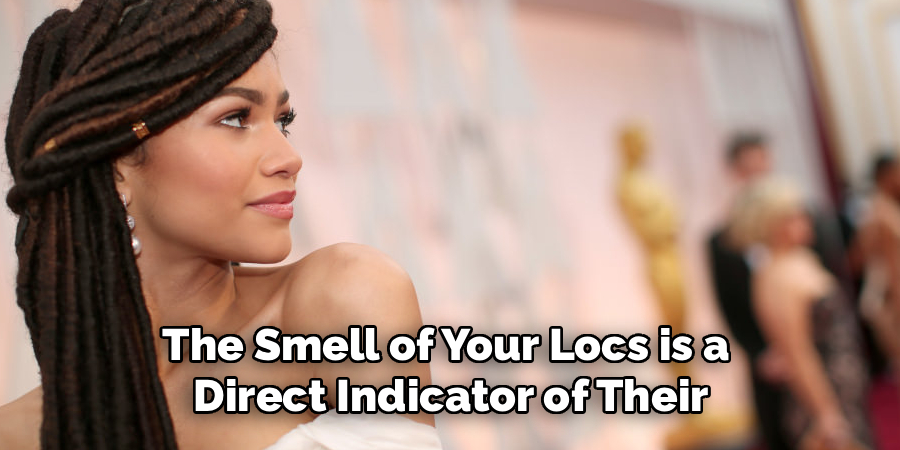
This might seem strange, but the smell of your locs is a direct indicator of their cleanliness and health. Healthy, clean locs should smell neutral or faintly of the products you use. They should not have a sour, mildewy, or otherwise unpleasant odor. A persistent bad smell is a tell-tale sign of “loc rot,” which isn’t rot at all but rather mold or mildew growing inside the loc.
This happens when the locs are not allowed to dry completely after washing or are frequently damp for extended periods. The dense structure of a loc can trap moisture, creating a breeding ground for mildew. To avoid this, always make sure your locs are 100% dry after washing. Squeeze out as much water as possible, wrap them in a microfiber towel, and then let them air-dry completely or use a hooded dryer on a low setting.
Step 10: Observe How They Feel and Behave
Finally, one of the most important assessments is simply how your locs feel throughout the day. Healthy locs should feel lightweight and manageable. They shouldn’t feel heavy, stiff, or weighed down. When you style them, they should be flexible and cooperative. If your hair feels constantly heavy, it could be due to water retention (improper drying) or an excess of product buildup.
If your neck feels strained or you have headaches after styling, it’s a sign that your styles are too tight or the locs themselves are too heavy. Your loc journey should be a comfortable one. Paying attention to these daily physical cues is just as important as any visual inspection. Your locs are a part of you, and you will develop an intuition about them. If something feels off, it probably is. Trust your gut and investigate using the steps above.
Conclusion
Your loc journey is a beautiful and personal one, and keeping your locs healthy is the best way to honor that commitment.
By regularly checking your scalp, assessing moisture levels, and watching for signs of stress or buildup, you can take proactive steps to ensure your crown remains strong and vibrant. Healthy locs are not only more beautiful but also easier to manage and more resilient against breakage. Embrace a simple routine of gentle cleansing, consistent moisturizing, and protective habits, and you will provide your locs with the perfect environment to flourish for many years to come.
Hopefully, the article on how to know if your locs are healthy has given you a better understanding of what to look for and how to maintain healthy locs.

About the Author
Jane Hubbard is a passionate beauty expert with a wealth of experience in makeup, hair, and overall beauty techniques. After years of working as a hairdresser specialist, she followed her entrepreneurial spirit and started her own consultancy business.
Jane has always been driven by her desire to help others feel confident in their own skin, and she does this by sharing her knowledge, experiences, and practical beauty tips. Through her consultancy, she empowers individuals to embrace their unique beauty, offering tailored guidance that boosts both self-esteem and personal style.
Professional Focus
Specializes in makeup, hairstyling, and beauty consulting.
Provides personalized beauty advice, tips, and techniques to help individuals feel confident in their appearance.
Dedicated to staying up-to-date with the latest industry trends and developments.
Passionate about creating a comfortable and empowering experience for every client.
Education History
University of Craft and Design – Bachelor of Fine Arts (BFA) in Woodworking and Furniture Design
Woodworking Apprenticeships – Extensive hands-on training with skilled craftsmen to refine carpentry and furniture making techniques
Online Courses & Masterclasses – Continued education in advanced woodworking techniques, design principles, and specialized tools
Expertise:
Makeup artistry, hairstyling, and beauty consulting.
Personalized beauty techniques to enhance confidence and self-expression.
Educating clients on how to maintain their beauty routines at home.