

Caring for mixed-race hair can sometimes feel like solving a complex puzzle. You might be dealing with a combination of curls, waves, and coils, each with its own unique needs.
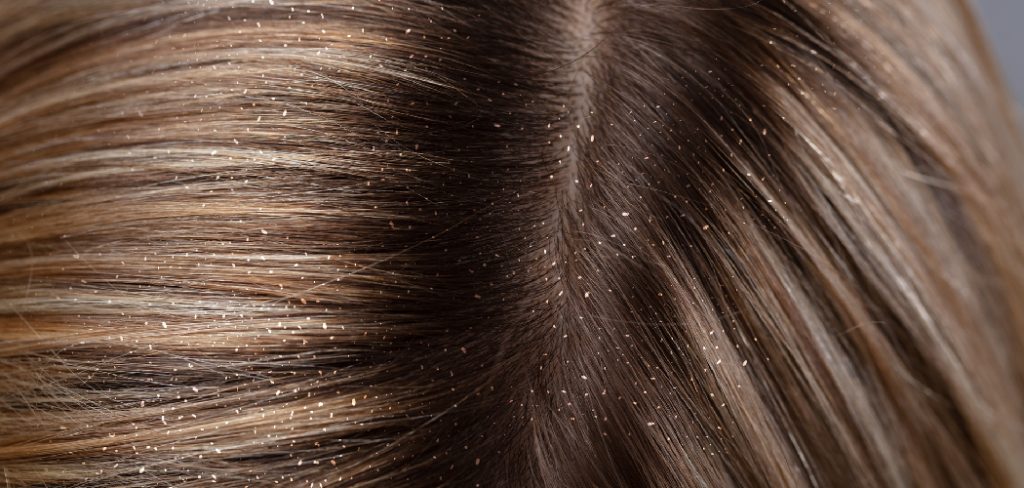
This blend of textures is beautiful, but it requires a special approach to keep it healthy, hydrated, and manageable. Understanding the specific needs of your hair is the first step toward unlocking its full potential.
This guide on how to care for mixed hair is designed to provide you with a clear, step-by-step routine to nourish your unique hair, helping you to celebrate its natural beauty with confidence.
What Will You Need?
To get started, you’ll need a few key tools and products designed to cater to curly and coily textures. Having the right arsenal makes all the difference.
- Sulfate-Free Shampoo: Cleanses without stripping essential natural oils.
- Deep Conditioner/Hair Mask: Provides intense hydration and nourishment.
- Leave-In Conditioner: Helps to detangle, moisturize, and protect hair throughout the day.
- Wide-Tooth Comb: Gently detangles wet hair without causing breakage.
- Denman Brush or Detangling Brush: Helps define curls and distribute product evenly.
- Natural Oils: Such as coconut, jojoba, or argan oil to seal in moisture.
- Microfiber Towel or Cotton T-shirt: Reduces frizz and prevents damage when drying.
- Silk or Satin Pillowcase/Bonnet: Protects hair from friction and moisture loss while you sleep.
- Spray Bottle: Filled with water or a water-and-conditioner mix to refresh curls.
10 Easy Steps on How to Care for Mixed Hair
Step 1: Pre-Poo Treatment
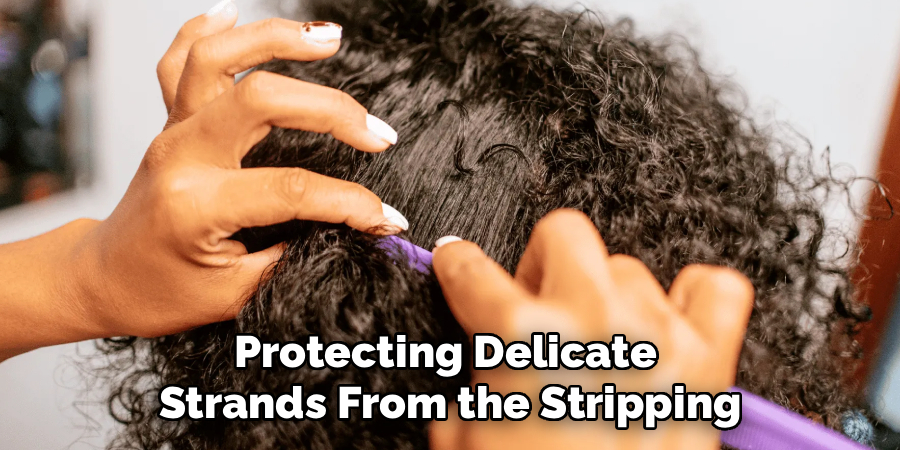
Before you even think about shampooing, prepare your hair with a “pre-poo” (pre-shampoo) treatment. This is a crucial step for protecting delicate strands from the stripping effects of cleansing. Apply a generous amount of a natural oil like coconut, olive, or argan oil from your roots to your ends. You can also use a rinse-out conditioner. Let it sit for at least 30 minutes; for a deep treatment, you can leave it in for a few hours or even overnight with a shower cap.
This protective layer ensures that when you wash, you’re only removing dirt and product buildup, not your hair’s precious natural moisture. It also makes the detangling process much smoother and reduces the chance of breakage during washing.
Step 2: Gentle Cleansing
Mixed hair is often prone to dryness, so how you wash it matters immensely. Use a sulfate-free shampoo, as sulfates are harsh detergents that can strip the hair of its natural oils, leading to frizz and brittleness. Focus the shampoo on your scalp, where most of the oil and product buildup occurs.
Gently massage your scalp with your fingertips (not your nails) to lift away impurities. Let the suds run down the lengths of your hair as you rinse. You don’t need to vigorously scrub the ends, as this can cause tangles and damage. Limit washing to one to three times a week to prevent overwashing and drying out your curls.
Step 3: Deep Condition Religiously
After cleansing, it’s time for the most important step: deep conditioning. Mixed hair craves moisture, and a quality deep conditioner or hair mask is the best way to deliver it. Squeeze excess water from your hair and apply the conditioner generously, section by section, ensuring every strand is coated. Use your fingers or a wide-tooth comb to gently detangle your hair while the conditioner is in.
For an extra boost, cover your hair with a shower cap and let it sit for 20-30 minutes. The heat trapped inside the cap will help the conditioner penetrate the hair shaft more effectively. This weekly ritual will restore elasticity, add shine, and make your hair significantly more manageable.
Step 4: Detangle with Care
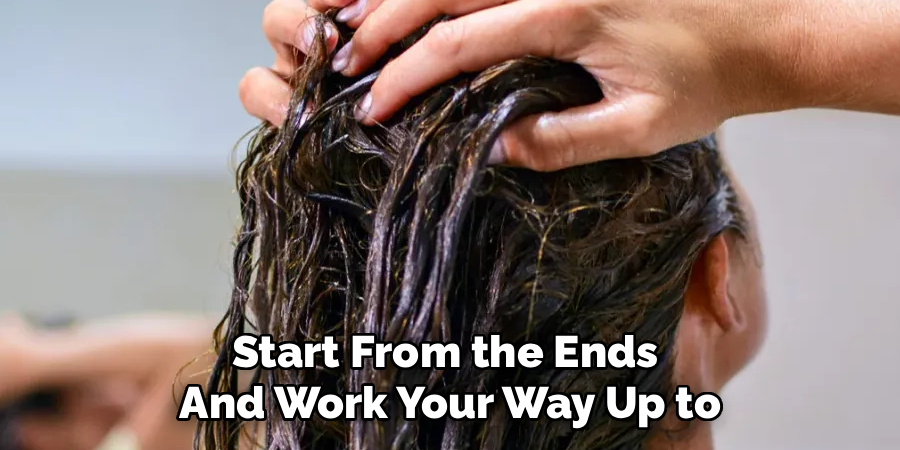
Detangling is where much of the damage can happen, so it’s vital to be gentle. Never, ever detangle your hair when it’s dry. The best time to do it is when it’s saturated with conditioner. Start from the ends and work your way up to the roots, using a wide-tooth comb or your fingers. Working in small sections helps you tackle knots without pulling or snapping the hair. If you encounter a stubborn knot, apply a little more conditioner or oil and work it out patiently. Rushing this process is a recipe for split ends and breakage.
Step 5: Apply a Leave-In Conditioner
Once you’ve rinsed out your deep conditioner, don’t immediately reach for a towel. While your hair is still very wet, apply a leave-in conditioner. This product provides a continuous layer of moisture, helps control frizz, and makes styling easier. Rake the product through your hair with your fingers, making sure it’s evenly distributed. A good leave-in conditioner will also offer a degree of protection from environmental stressors. This is a non-negotiable step for keeping mixed hair soft and hydrated between wash days.
Step 6: The LOC or LCO Method
To effectively seal in all the moisture you’ve just added, use the LOC or LCO method. This stands for Liquid-Oil-Cream or Liquid-Cream-Oil. The “liquid” is your leave-in conditioner (or water). Next, apply a natural “oil” (like jojoba, grapeseed, or almond oil) to lock in the hydration. Finally, apply a “cream” (like a curl cream or butter) to further seal the cuticle and define your curls. Some hair types prefer the LCO method, applying the cream before the oil. Experiment to see which order leaves your hair feeling more moisturized and less weighed down. This layering technique is a game-changer for preventing dryness.
Step 7: Style on Wet Hair
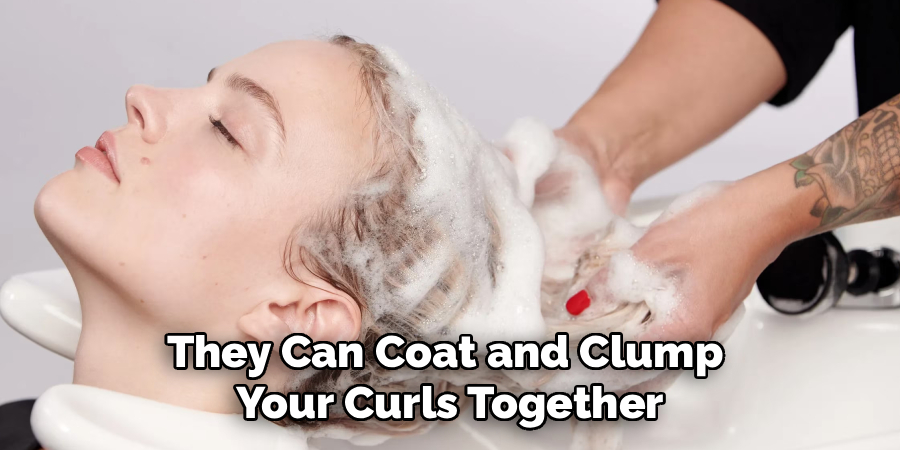
For the best curl definition and minimal frizz, always apply your styling products to damp hair. Products like curl creams, gels, or mousses work best when they can coat and clump your curls together as they dry. You can use techniques like “praying hands” (smoothing product down the hair shaft between your palms) or “scrunching” (gently squeezing the ends of your hair up toward the scalp) to encourage curl formation. Using a Denman brush on wet, product-coated hair can also help create uniform curl clumps.
Step 8: Dry Gently
Throw away your rough terrycloth towels. They absorb too much moisture and have a rough texture that can disrupt your curl pattern and cause frizz. Instead, use a microfiber towel or an old cotton T-shirt to gently scrunch the excess water out of your hair. For best results, let your hair air-dry. If you’re short on time, use a diffuser attachment on your blow dryer. Use it on the low-heat, low-speed setting, and gently cup sections of your hair in the diffuser, holding it in place for a minute before moving to the next section. Avoid touching your hair as it dries.
Step 9: Protect Your Hair at Night
A good night’s sleep shouldn’t undo all your hard work. Cotton pillowcases can absorb moisture from your hair and cause friction, leading to tangles, frizz, and breakage. Protect your hair by sleeping on a silk or satin pillowcase. Alternatively, you can loosely tie your hair up in a “pineapple” (a high, loose ponytail on top of your head) and wrap it in a silk or satin bonnet or scarf. This preserves your style for the next day and keeps your hair moisturized and protected.
Step 10: Refresh and Moisturize Between Washes
Your hair will likely need a moisture boost between wash days. In the morning, you can refresh your curls without having to re-wash your hair. Lightly mist your hair with a spray bottle filled with water, or a mix of water and a little leave-in conditioner. This will reactivate the products already in your hair. You can then gently scrunch your curls to bring them back to life or apply a small amount of oil or cream to any areas that feel particularly dry or frizzy. This keeps your hair looking and feeling great all week long.
5 Things You Should Avoid
- Over-Washing: Washing your hair too frequently strips it of the natural oils it needs to stay moisturized. Stick to 1-3 times per week.
- Using Products with Harsh Ingredients: Avoid sulfates, parabens, and drying alcohols, which can lead to dryness, brittleness, and scalp irritation.
- Heat Styling without Protection: Excessive use of flat irons and curling wands can cause irreversible heat damage. When you do use heat, always apply a heat protectant spray first.
- Dry Detangling: Never attempt to comb or brush your hair when it’s dry. This is a leading cause of breakage and split ends.
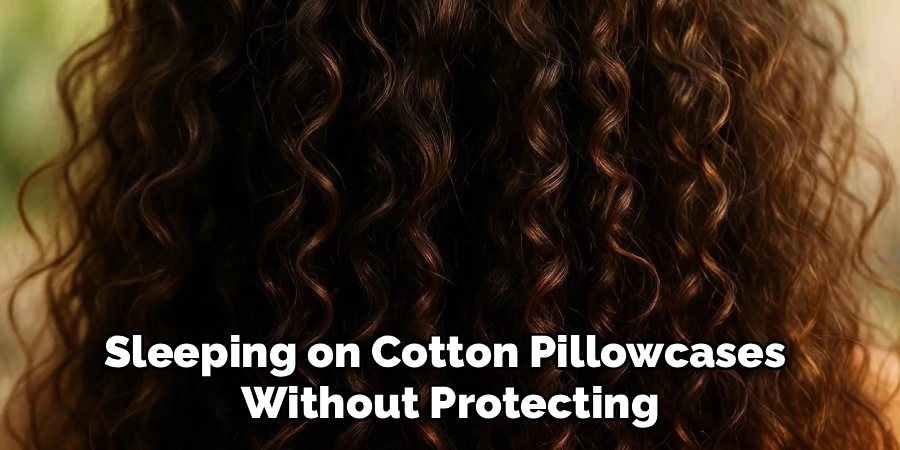
- Neglecting Nighttime Protection: Sleeping on cotton pillowcases without protecting your hair can cause frizz, tangles, and moisture loss.
Conclusion
Embracing your mixed hair is a journey of discovery. It’s about learning its unique language and providing the nourishment it craves.
With patience, consistency, and the right routine, you can cultivate hair that is not only healthy and manageable but also a stunning expression of your identity. Let go of the pressure to fit into one category and celebrate the beautiful, complex texture that is uniquely yours. Your hair is a crown—wear it proudly.
Hopefully, this guide on how to care for mixed hair has provided you with valuable insights and tips to help you on your journey towards embracing and loving your mixed hair.

About the Author
Jane Hubbard is a passionate beauty expert with a wealth of experience in makeup, hair, and overall beauty techniques. After years of working as a hairdresser specialist, she followed her entrepreneurial spirit and started her own consultancy business.
Jane has always been driven by her desire to help others feel confident in their own skin, and she does this by sharing her knowledge, experiences, and practical beauty tips. Through her consultancy, she empowers individuals to embrace their unique beauty, offering tailored guidance that boosts both self-esteem and personal style.
Professional Focus
Specializes in makeup, hairstyling, and beauty consulting.
Provides personalized beauty advice, tips, and techniques to help individuals feel confident in their appearance.
Dedicated to staying up-to-date with the latest industry trends and developments.
Passionate about creating a comfortable and empowering experience for every client.
Education History
University of Craft and Design – Bachelor of Fine Arts (BFA) in Woodworking and Furniture Design
Woodworking Apprenticeships – Extensive hands-on training with skilled craftsmen to refine carpentry and furniture making techniques
Online Courses & Masterclasses – Continued education in advanced woodworking techniques, design principles, and specialized tools
Expertise:
Makeup artistry, hairstyling, and beauty consulting.
Personalized beauty techniques to enhance confidence and self-expression.
Educating clients on how to maintain their beauty routines at home.