

Taking care of your skin goes beyond just your face. The skin on your body deserves just as much attention and care.
A high-quality body cream is a cornerstone of a complete skincare routine, providing the moisture and nutrients your skin needs to stay healthy, soft, and radiant. Many people have a jar of body cream on their shelf but might not be using it in a way that maximizes its benefits.
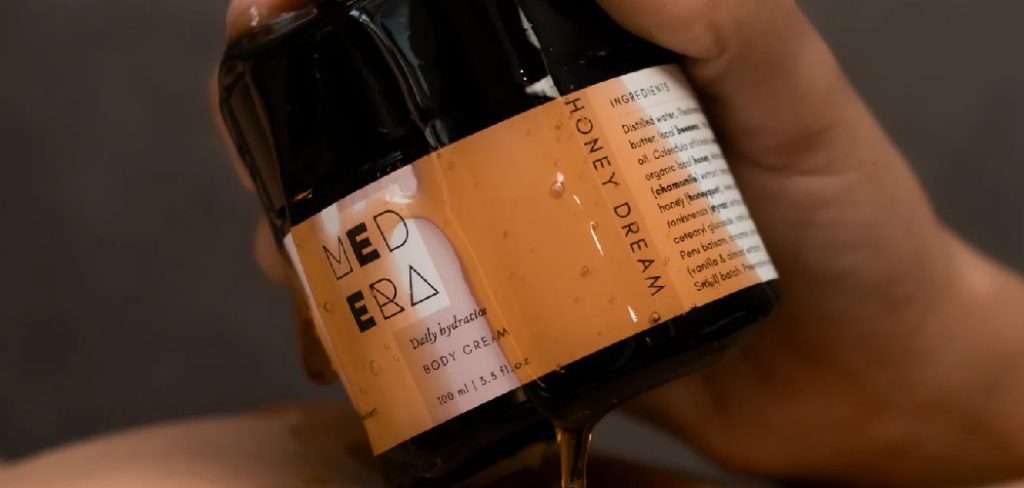
Learning how do you use body cream correctly can transform your skin’s texture and appearance. It’s a simple practice that can turn a daily chore into a moment of self-care.
What Will You Need?
Getting the perfect application doesn’t require a lot of equipment. You likely have everything you need right at home.
- A high-quality body cream suited for your skin type
- A clean, soft towel
- Access to a warm shower or bath
10 Easy Steps on How Do You Use Body Cream
Following a specific process can make a world of difference in how well your body cream works. These ten steps ensure you get the most out of every application, turning a simple routine into a luxurious and effective treatment for your skin.
Step 1: Choose the Right Cream for You
The foundation of any good skincare routine is selecting products that match your specific needs. Not all body creams are created equal. If you have very dry skin, look for a thick, rich cream with ingredients like shea butter, ceramides, or hyaluronic acid, which are excellent for deep hydration. For those with sensitive skin, a fragrance-free and hypoallergenic formula is the best choice to avoid potential irritation.
If your skin is normal or oily, a lighter-weight cream that absorbs quickly might feel more comfortable. Consider the climate you live in as well; a heavier cream might be perfect for dry winters, while a more lightweight formula could be better for humid summers. Taking a moment to read the label and understand the ingredients will help you find the perfect partner for your skin.
Step 2: Timing is Everything
When you apply your body cream is almost as important as the cream itself. The absolute best time to moisturize is right after a warm bath or shower. Why? Because your skin is at its most receptive state. The warm water and steam open up your pores, allowing the cream to penetrate more deeply and effectively. Furthermore, your skin is still slightly damp, and applying cream at this moment helps to seal in that surface-level moisture, preventing it from evaporating into the air. This simple timing trick dramatically boosts the hydrating power of your product. If you try to apply cream to completely dry, cold skin, it tends to sit on the surface and may not absorb as well. Aim to moisturize within five minutes of stepping out of the shower for optimal results.
Step 3: Pat Your Skin Gently
After your shower, resist the urge to vigorously rub your skin dry with a towel. Abrasive rubbing can strip away the moisture you just soaked in and can be irritating, especially for sensitive skin. Instead, take a clean, soft towel and gently pat your skin. Your goal is to leave your skin slightly damp, not completely dry. This thin layer of moisture on the surface is a key element for effective hydration. Think of it as a primer for your body cream. By leaving a little water on your skin, you create the perfect canvas for the cream to lock in that extra hydration, making your skin feel plumper and more moisturized throughout the day.
Step 4: Use the Right Amount
More is not always better when it comes to body cream. Using too much can leave your skin feeling greasy, sticky, and unable to breathe. It can also lead to product waste. On the other hand, using too little won’t provide enough coverage or hydration to be effective. The right amount is typically a dollop about the size of a quarter for each major section of your body, like your arm or leg. You can always add more if needed. Start with this amount and see how it feels. A good quality cream should spread easily and absorb without leaving a heavy residue. You will quickly learn the perfect amount your skin needs to feel nourished and comfortable.
Step 5: Warm the Cream First
This small, often-overlooked step can significantly improve the application experience and the cream’s effectiveness. Before applying the cream directly to your body, scoop the desired amount into the palm of your hand. Rub your hands together for a few seconds to gently warm the product. This warming action helps to soften the cream, making its consistency smoother and more spreadable. It also prepares the product to be absorbed more readily by your skin, as your body temperature will have already started to break it down slightly. Applying a warmed cream feels more luxurious and spa-like, turning your routine into a moment of pleasant self-care.
Step 6: Apply in Sections
Instead of trying to slather cream all over your body at once, work in manageable sections. This methodical approach ensures you don’t miss any spots and that you give each area the attention it deserves. A good system is to start from the ground up: begin with your feet and ankles, move up to your lower legs, then your thighs, and so on. Address your torso, back, and finally your arms, shoulders, and neck. By focusing on one area at a time—for example, one entire leg—you can ensure even and thorough coverage. This technique prevents the cream from drying on one part of your body while you are still working on another, leading to a more consistent and effective application.
Step 7: Use Gentle, Circular Motions
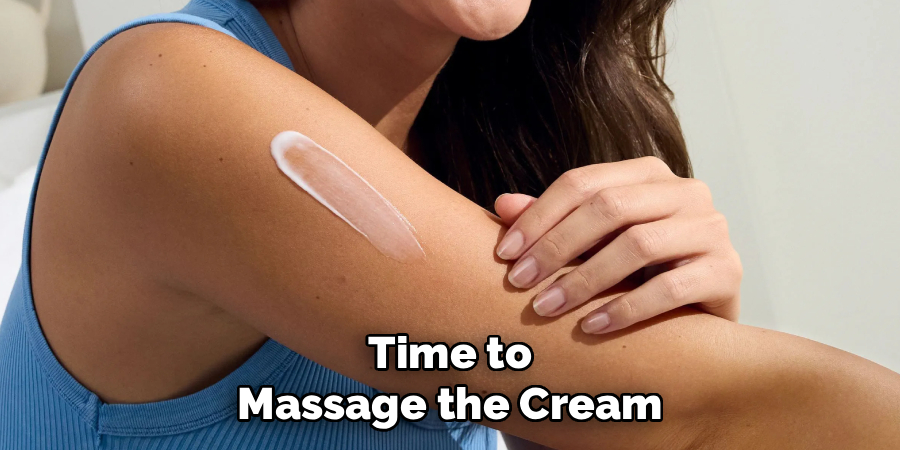
The way you massage the cream into your skin matters. Instead of just rubbing it in quickly, use gentle, circular motions. This technique is not only relaxing but also beneficial for your skin. The circular massage helps to stimulate blood flow and circulation to the surface of the skin. Improved circulation can promote cell health and give your skin a more vibrant, healthy-looking glow. The massaging action also aids in the absorption of the cream, ensuring it penetrates beyond the surface layer. Take your time with this step; it’s an opportunity to connect with your body and notice any areas that might need extra attention.
Step 8: Pay Attention to Dry Spots
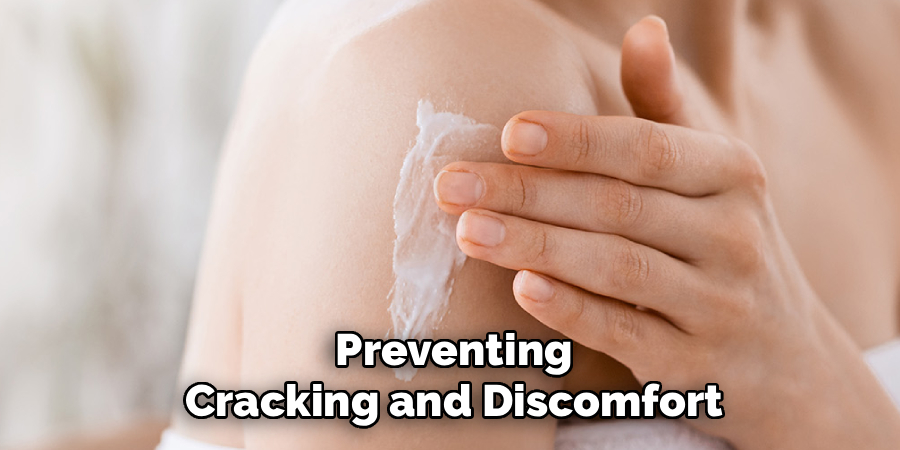
Certain areas of our bodies are naturally drier and have tougher skin. These include the elbows, knees, ankles, and heels. These spots have fewer oil glands and endure more friction throughout the day, so they require a little extra care. After you have applied cream to the larger sections of your body, go back and apply a small, additional amount of cream specifically to these problem areas. Spend a bit more time massaging the product into these rough patches. This targeted treatment will help to soften and smooth the skin over time, preventing cracking and discomfort. Consistent attention to these spots will yield significant improvements in their texture.
Step 9: Let it Absorb
Patience is a virtue, especially in skincare. After you have finished applying your body cream, give it a few minutes to fully absorb into your skin before getting dressed. A good rule of thumb is to wait at least five to ten minutes. If you put on clothing immediately, much of the cream can transfer onto the fabric instead of staying on your skin where it belongs. This not only reduces the effectiveness of your moisturizing routine but can also stain your clothes. Use this short waiting period to do other parts of your routine, like brushing your teeth or combing your hair. Allowing the cream to sink in ensures your skin reaps all the benefits and feels soft, not sticky.
Step 10: Make it a Daily Habit
Consistency is the key to achieving and maintaining soft, healthy skin. Moisturizing shouldn’t be a sporadic treatment you only do when your skin feels particularly dry. For the best results, make applying body cream a non-negotiable part of your daily routine, just like brushing your teeth. By incorporating it into your daily post-shower ritual, you provide your skin with a continuous supply of hydration and nutrients. This regular care helps to fortify your skin’s moisture barrier, making it more resilient against dryness and environmental damage over the long term. A daily habit will transform your skin from temporarily soft to consistently healthy and radiant.
5 Things You Should Avoid
To get the most out of your body cream, be mindful of these common mistakes:
- Applying to Dry Skin: Applying cream to bone-dry skin is far less effective. Always apply to damp skin to lock in moisture.
- Using Body Cream on Your Face: The skin on your face is more delicate and has different needs. Body creams are often too thick and can clog facial pores, leading to breakouts. Stick to products formulated for the face.
- Ignoring Your Skin Type: Using a cream that’s wrong for your skin (e.g., a heavy cream on oily skin) can cause issues like greasiness or clogged pores. Choose a product tailored to your needs.
- Being Too Rough: Scrubbing your skin dry with a towel or rubbing in cream aggressively can cause irritation and damage your skin’s protective barrier. Always be gentle.
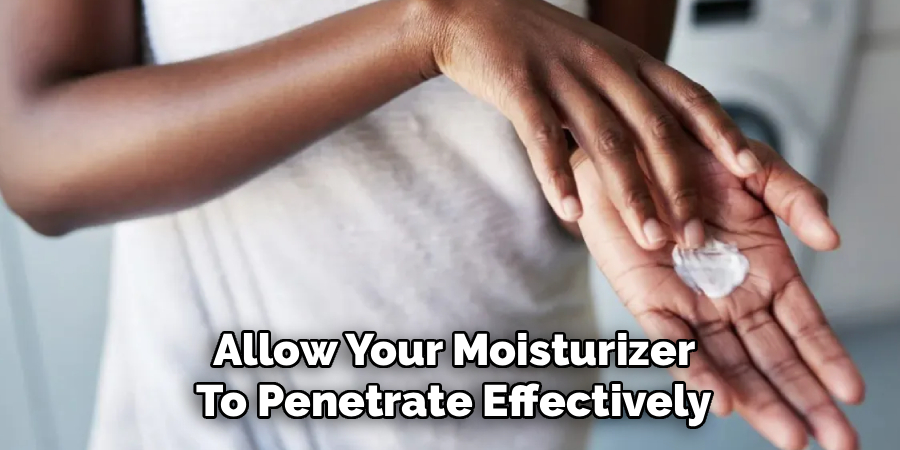
- Forgetting to Exfoliate: Dead skin cells can build up on the surface, preventing your body cream from absorbing properly. Exfoliate once or twice a week to slough away dead skin and allow your moisturizer to penetrate effectively.
Conclusion
Incorporating body cream into your daily skincare is a simple yet powerful step toward achieving healthier, more radiant skin.
By choosing the right product, applying it to damp skin with gentle motions, and staying consistent, you provide your body with the nourishment and protection it needs to look and feel its best. This small act of self-care not only improves your skin’s texture but also offers a moment of relaxation in your busy day. Make it a habit, and your skin will thank you for it.
Hopefully, this guide on how do you use body cream has helped you understand the importance of body cream and how to incorporate it into your skincare routine.

About the Author
Jane Hubbard is a passionate beauty expert with a wealth of experience in makeup, hair, and overall beauty techniques. After years of working as a hairdresser specialist, she followed her entrepreneurial spirit and started her own consultancy business.
Jane has always been driven by her desire to help others feel confident in their own skin, and she does this by sharing her knowledge, experiences, and practical beauty tips. Through her consultancy, she empowers individuals to embrace their unique beauty, offering tailored guidance that boosts both self-esteem and personal style.
Professional Focus
Specializes in makeup, hairstyling, and beauty consulting.
Provides personalized beauty advice, tips, and techniques to help individuals feel confident in their appearance.
Dedicated to staying up-to-date with the latest industry trends and developments.
Passionate about creating a comfortable and empowering experience for every client.
Education History
University of Craft and Design – Bachelor of Fine Arts (BFA) in Woodworking and Furniture Design
Woodworking Apprenticeships – Extensive hands-on training with skilled craftsmen to refine carpentry and furniture making techniques
Online Courses & Masterclasses – Continued education in advanced woodworking techniques, design principles, and specialized tools
Expertise:
Makeup artistry, hairstyling, and beauty consulting.
Personalized beauty techniques to enhance confidence and self-expression.
Educating clients on how to maintain their beauty routines at home.