

Premarin cream, a formulation of conjugated estrogens, is a well-known prescription medication primarily used to treat vaginal symptoms associated with menopause, such as dryness and irritation. In recent years, however, there has been a growing interest in its off-label use for facial skin rejuvenation. This interest stems from the known effects of estrogen on skin health, leading many postmenopausal women to wonder if this powerful cream could be the secret to turning back the clock on wrinkles and thinning skin. It is critically important to understand that applying Premarin cream to the face is not an FDA-approved use and carries significant risks that must be managed by a healthcare professional.
This guide is designed to provide a comprehensive and cautious overview of how to use Premarin cream on face, based on reported medical practices for this off-label application. The information presented here is not a substitute for professional medical advice. It aims to set a safe, informative, and realistic tone, emphasizing that any consideration of this treatment must begin and end with a thorough consultation with a qualified doctor. The power of hormone therapy demands respect and careful supervision.
Understanding Premarin Cream and Its Intended Use
What is Premarin Cream?
Premarin Vaginal Cream is a form of hormone replacement therapy (HRT). Its active ingredients are conjugated estrogens, a mixture of several different types of estrogens derived from natural sources. The U.S. Food and Drug Administration (FDA) has approved its use for the treatment of atrophic vaginitis and kraurosis vulvae—conditions that arise from menopause. During menopause, the body’s production of estrogen declines sharply.
This hormonal shift can cause the tissues of the vagina and vulva to become thin, dry, and less elastic, leading to symptoms like burning, itching, and pain during intercourse. When applied as directed, Premarin cream works locally to restore estrogen to these tissues, alleviating discomfort and improving their health and resilience. It is a potent, prescription-only medication because it involves introducing powerful hormones into the body.
Why the Interest in Facial Application?
The interest in using Premarin cream on the face is rooted in the science of skin aging. Estrogen plays a vital role in maintaining youthful skin. It is directly involved in the production of collagen and elastin, the proteins that give skin its firmness and elasticity. Estrogen also helps maintain skin thickness and its ability to retain moisture by supporting the production of hyaluronic acid. As estrogen levels plummet during menopause, women often notice a rapid acceleration in skin aging: fine lines deepen into wrinkles, the skin becomes thinner and more fragile, and a general dryness sets in.
Given this connection, the logic behind applying estrogen cream directly to the face is to replenish the hormone locally, hoping to stimulate collagen production, increase skin thickness, and improve hydration from the outside in. The goal is to counteract the visible signs of hormonal aging directly at the source. While this theory is compelling, it is essential to remember that this application is considered “off-label,” meaning it has not undergone the rigorous testing required by the FDA for safety and efficacy on facial skin.
The Critical First Step: Consulting a Healthcare Provider
Why You Must See a Doctor
Before you even consider obtaining Premarin cream, scheduling a consultation with a healthcare provider is non-negotiable. This is not a cosmetic product you can simply add to your skincare routine; it is a potent medication with systemic effects. A doctor must perform a thorough evaluation to determine if you are a suitable candidate for any form of hormone therapy, even a topical one. Self-prescribing or using someone else’s prescription is incredibly dangerous.
Your doctor will need to assess your overall health, review your medical history, and understand the specific reasons you are considering this treatment. They are the only ones qualified to weigh the potential cosmetic benefits against the serious health risks involved. Using a powerful hormone without this professional oversight can lead to unintended and potentially severe consequences, making the doctor’s office the mandatory first stop on this journey.
Discussing Risks and Benefits
The conversation with your doctor should be open and comprehensive. Be prepared to discuss your complete personal and family medical history. This is particularly important regarding hormone-sensitive cancers, such as breast, uterine, or ovarian cancer, as estrogen can promote the growth of these cancers in susceptible individuals. You should also discuss any history of blood clots, stroke, heart disease, or liver problems.
This consultation is your opportunity to establish realistic expectations. While some anecdotal reports suggest improvements in skin texture, your doctor can provide a more balanced perspective on the likely results and the timeline for seeing any changes. Most importantly, they will discuss the potential side effects, both localized on the skin and systemic, if the hormone is absorbed into the bloodstream. This informed consent process is crucial for making a safe decision about your health.
A Guide on How to Use Premarin Cream on Face (Under Medical Supervision)
This section outlines a hypothetical guide based on typical physician instructions for the off-label use of Premarin on the face. This is not medical advice. You must follow the precise dosage and frequency prescribed by your own doctor.
Step 1: Start with a Clean Face
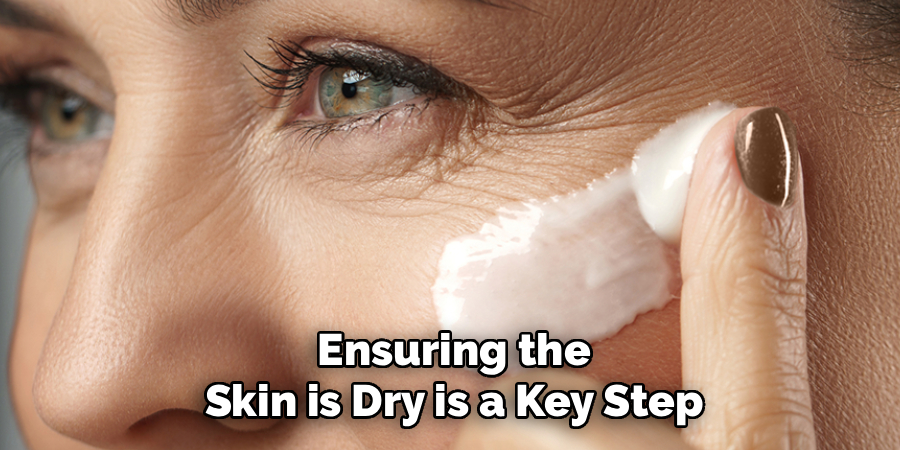
Proper skin preparation is essential for any active treatment. Before applying Premarin cream, you must ensure your face is completely clean. Use a gentle, non-irritating, pH-balanced cleanser to wash your face, removing all makeup, dirt, sunscreen, and excess oils. Harsh cleansers can strip the skin barrier, increasing the risk of irritation from the hormone cream. After cleansing, gently pat your face completely dry with a soft, clean towel. Applying the cream to damp skin can affect its absorption rate, so ensuring the skin is dry is a key step.
Step 2: Dispense a Very Small, Prescribed Amount
Dosage is the most critical element of safety when using Premarin cream on the face. Your doctor will prescribe the exact amount you should use, and it is almost always a very small quantity. Typically, this ranges from a tiny, grain-of-rice-sized amount to, at most, a small pea-sized amount for the entire face. Overuse does not lead to better or faster results; it only increases the risk of side effects and systemic absorption. Some doctors may recommend using the marked applicator that comes with the cream to measure the dose precisely before transferring it to your fingertip. Never “eyeball” the amount.
Step 3: Apply a Thin, Even Layer
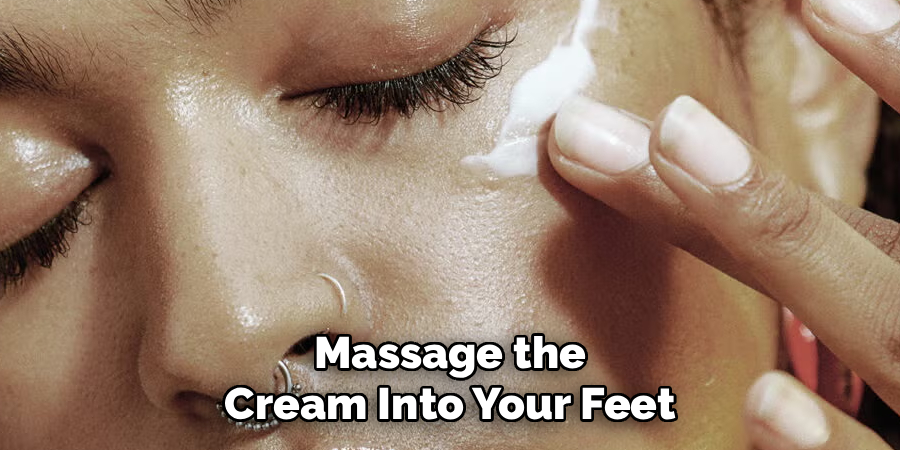
With the prescribed amount of cream on your fingertip, gently dot it onto the main areas of your face, such as the forehead, cheeks, and chin. Then, using soft, sweeping motions, spread the cream into a very thin, even layer across your skin. The goal is to create a barely-there film, not a thick mask. Be extremely careful to avoid sensitive areas. Do not apply the cream to your eyelids, directly under your eyes, on your lips, or inside your nostrils. The skin in these areas is exceptionally thin and more prone to irritation and absorption.
Step 4: Wash Hands Thoroughly After Application
This step is as important as the application itself. Immediately after you have finished applying the cream, you must wash your hands with soap and water. This is crucial to prevent the accidental transfer of the hormone cream to other people through touch, especially partners, children, and even pets. Hormones can be absorbed through the skin of others, leading to unintended and potentially harmful hormonal effects. Washing your hands also prevents you from inadvertently transferring the cream to other parts of your own body, such as your eyes or mouth.
Step 5: Follow Your Doctor’s Frequency Schedule
Your doctor will provide a specific schedule for application, which you must follow precisely. It is highly unlikely that they will recommend daily use. More commonly, the schedule involves applying the cream only a few times a week, such as two or three nights per week. Some protocols involve cycling, where you use the cream for a few weeks and then take a break for a few weeks. This intermittent use is designed to minimize the risks associated with long-term estrogen exposure. Do not alter this schedule or increase the frequency on your own, assuming it will speed up results.

Potential Side Effects and Safety Precautions
Localized Skin Reactions
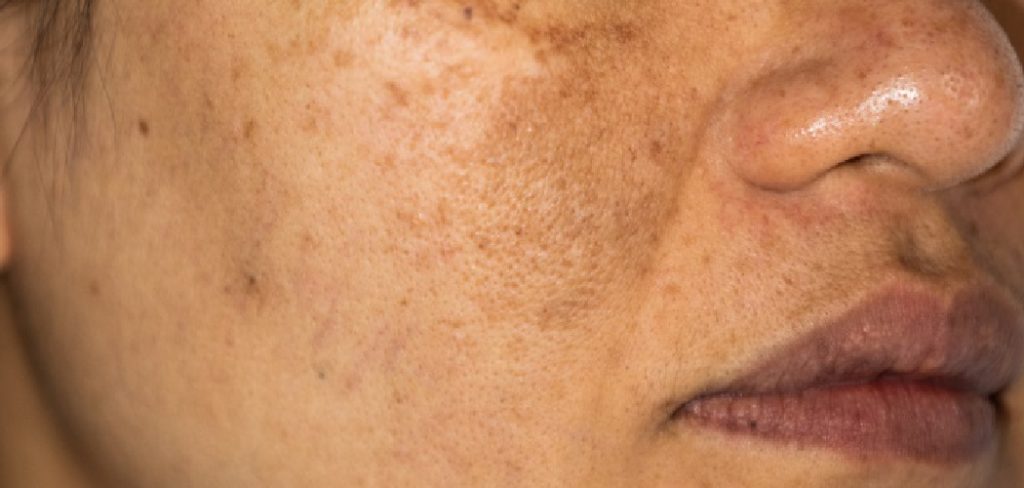
Even when used correctly, applying estrogen to the face can cause localized side effects. The skin may react with redness, mild irritation, or a feeling of tenderness. Some individuals may develop acne or notice changes in skin pigmentation. One of the more concerning potential reactions is melasma, which causes brown or gray-brown patches to appear on the skin, particularly on the cheeks, forehead, and chin. This condition is often exacerbated by sun exposure. If you notice any persistent or bothersome skin reactions, you should stop the treatment and contact your doctor immediately.
Systemic Absorption Risks
The most significant concern with using Premarin cream on the face is systemic absorption—the risk that the estrogen will pass through the skin and enter the bloodstream. While the face has a thick dermal layer, absorption is still possible, especially with overuse or long-term application. Once in the bloodstream, topical estrogen can have the same risks as oral hormone replacement therapy. These risks are serious and include an increased likelihood of developing blood clots, stroke, heart attack, and certain types of hormone-sensitive cancers, such as endometrial or breast cancer. This is precisely why medical oversight is not just recommended, but essential.
Who Should Absolutely Avoid Using Premarin on the Face?
Contraindications and High-Risk Groups

There are specific groups of individuals for whom this treatment is absolutely contraindicated due to unacceptable health risks. You should not use Premarin cream on your face if you have a personal or close family history of breast, uterine, or ovarian cancer. The same is true if you have a history of blood clots (such as deep vein thrombosis or pulmonary embolism), stroke, or heart attack. Individuals with active liver disease or undiagnosed abnormal vaginal bleeding should also avoid this treatment entirely. The potential risks for these groups far outweigh any possible cosmetic benefits.
Pregnancy and Breastfeeding
Women who are pregnant, trying to become pregnant, or currently breastfeeding mustn’t use Premarin cream. The estrogens in the cream can be absorbed systemically and have the potential to cause harm to a developing fetus or a nursing infant. If you are in your childbearing years and using this treatment under a doctor’s care, you must use reliable contraception. If you discover you are pregnant, stop the treatment immediately and inform your doctor.
Monitoring and Long-Term Management
Regular Follow-Up Appointments
If you and your doctor decide to proceed with this off-label treatment, regular follow-up appointments are a mandatory part of the process. Your doctor will need to monitor your skin for any adverse reactions and discuss any side effects you may be experiencing. These appointments also allow the doctor to assess the treatment’s effectiveness and make any necessary adjustments to the dosage or frequency. Long-term use requires ongoing vigilance to ensure that the benefits continue to outweigh the risks, and your doctor may recommend periodic blood tests or other health screenings.
Combining with a Skincare Routine
Premarin cream is a targeted treatment, not a complete skincare routine. It should be incorporated into a broader, supportive regimen. The single most important product to use alongside it is a broad-spectrum sunscreen with an SPF of 30 or higher, applied every single day. Estrogen can increase photosensitivity, making your skin more susceptible to sun damage and increasing the risk of melasma. Your routine should also include a gentle cleanser and a good-quality moisturizer to keep your skin barrier healthy and resilient.
Exploring Safer, Non-Hormonal Alternatives
Proven Anti-Aging Ingredients
Before venturing down the path of off-label hormone use, it is wise to explore the many safer, scientifically-proven, and readily available alternatives for combating skin aging. Retinoids, including both over-the-counter retinol and prescription-strength tretinoin, are considered the gold standard in anti-aging. They are extensively studied and proven to boost collagen production, increase cell turnover, and reduce the appearance of wrinkles. Vitamin C serums are powerful antioxidants that protect the skin from environmental damage and help to brighten the complexion. Other effective ingredients include peptides, which signal the skin to produce more collagen, and hyaluronic acid, which plumps the skin by drawing in moisture.
Professional Cosmetic Procedures
For more significant results, you can discuss a range of professional procedures with a qualified dermatologist. Chemical peels can improve skin texture and tone by removing the damaged outer layers of skin. Microneedling creates tiny micro-injuries in the skin, stimulating a wound-healing response that boosts collagen and elastin production. Laser treatments, such as fractional laser resurfacing, can target deeper layers of the skin to dramatically improve wrinkles and firmness. These options are well-studied for facial application and are performed by professionals trained to manage their risks and outcomes.
Conclusion
The idea of using Premarin cream for facial anti-aging is intriguing, but it is a path that must be navigated with extreme caution. While the cream has been explored for this off-label purpose, it remains a powerful medication with significant health risks that cannot be ignored. The most important takeaway is that safety must be the absolute priority. Understanding how to use Premarin cream on face safely is synonymous with putting medical guidance and strict supervision above all else. Never attempt this treatment on your own. By prioritizing your overall health and having an honest conversation with a qualified doctor, you can explore the safest and most effective anti-aging options available to you, ensuring that your quest for youthful skin does not come at the expense of your well-being.

About the Author
Jane Hubbard is a passionate beauty expert with a wealth of experience in makeup, hair, and overall beauty techniques. After years of working as a hairdresser specialist, she followed her entrepreneurial spirit and started her own consultancy business.
Jane has always been driven by her desire to help others feel confident in their own skin, and she does this by sharing her knowledge, experiences, and practical beauty tips. Through her consultancy, she empowers individuals to embrace their unique beauty, offering tailored guidance that boosts both self-esteem and personal style.
Professional Focus
Specializes in makeup, hairstyling, and beauty consulting.
Provides personalized beauty advice, tips, and techniques to help individuals feel confident in their appearance.
Dedicated to staying up-to-date with the latest industry trends and developments.
Passionate about creating a comfortable and empowering experience for every client.
Education History
University of Craft and Design – Bachelor of Fine Arts (BFA) in Woodworking and Furniture Design
Woodworking Apprenticeships – Extensive hands-on training with skilled craftsmen to refine carpentry and furniture making techniques
Online Courses & Masterclasses – Continued education in advanced woodworking techniques, design principles, and specialized tools
Expertise:
Makeup artistry, hairstyling, and beauty consulting.
Personalized beauty techniques to enhance confidence and self-expression.
Educating clients on how to maintain their beauty routines at home.