

Glycolic acid toners have become a staple in many skincare routines, celebrated for their ability to reveal a brighter, more even-toned complexion. This powerful ingredient can transform your skin’s texture and appearance, but using it correctly is key to unlocking its full potential without causing irritation.
This guide on how to use glycolic acid toner will walk you through everything you need to know about incorporating a glycolic acid toner into your regimen. From understanding what it is to applying it properly and avoiding common pitfalls, we’ll cover all the essential steps to help you achieve that coveted healthy glow.
What Is Glycolic Acid?
Glycolic acid is a type of alpha-hydroxy acid (AHA) derived from sugarcane. It is well-known in the skincare world for having the smallest molecular size among all AHAs, which allows it to penetrate the skin more deeply and effectively.
This potent ingredient works as a chemical exfoliant, dissolving the bonds that hold dead skin cells together on the surface of your skin. Sloughing away this outer layer, it encourages new cell turnover, revealing the fresher, smoother, and more radiant skin underneath. Its ability to stimulate collagen production also makes it a valuable asset for improving skin elasticity and reducing the appearance of fine lines.
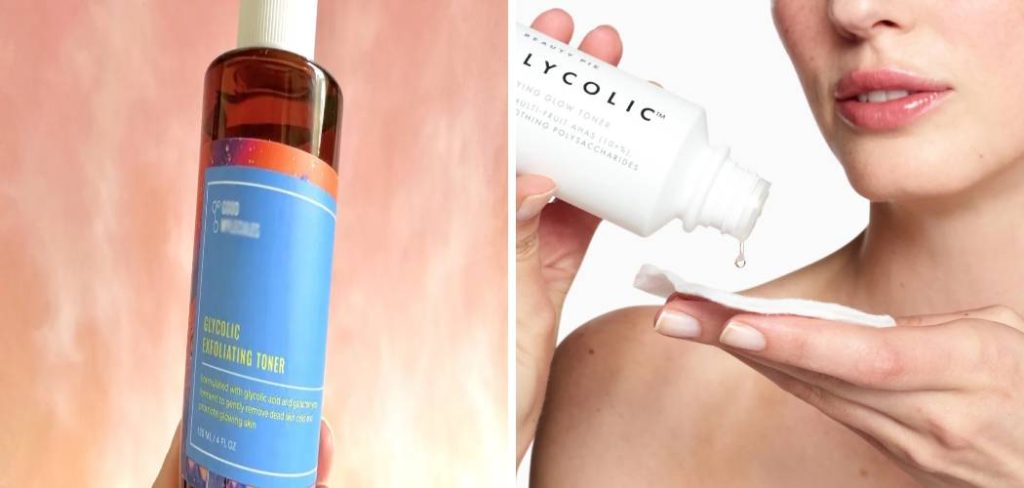
Benefits of Using Glycolic Acid Toner
Integrating a glycolic acid toner into your skincare routine can offer a multitude of benefits for various skin types and concerns. Its primary function as an exfoliant leads to a noticeably brighter and more luminous complexion. Removing the buildup of dead cells, it helps to unclog pores, which can significantly reduce the frequency of blackheads and acne breakouts.
Furthermore, consistent use can diminish the appearance of hyperpigmentation, such as dark spots, age spots, and acne scars, resulting in a more even skin tone. It also works to smooth out rough or uneven skin texture, leaving your face feeling soft and refined. Finally, by promoting collagen synthesis, glycolic acid helps to firm the skin and minimize the look of fine lines and wrinkles over time, contributing to a more youthful appearance.
6 Simple Step-By-Step Guidelines on How to Use Glycolic Acid Toner
Step 1: Start with a Clean Canvas
Before you even think about applying toner, you must ensure your face is thoroughly cleansed. Use a gentle, pH-balanced facial cleanser to wash away all traces of makeup, sunscreen, dirt, and excess oil that have accumulated on your skin throughout the day. A clean surface allows the glycolic acid to penetrate the skin without any barriers, ensuring it can work as intended. If your skin is not properly cleansed, the toner may not be as effective and you risk pushing impurities deeper into your pores.
After cleansing, gently pat your skin dry with a soft, clean towel. Avoid rubbing your skin vigorously, as this can cause unnecessary friction and irritation, especially before applying an active ingredient like glycolic acid. Your skin should be completely dry before you move on to the next step. This prevents the toner from being diluted and ensures an even application, setting the stage for the active ingredient to perform its exfoliating magic.

Step 2: Perform a Patch Test
This is arguably the most critical step, especially if you are new to glycolic acid or have sensitive skin. A patch test helps you determine how your skin will react to the product before you apply it to your entire face. Applying a new, potent product without testing can lead to widespread redness, irritation, or an allergic reaction. A small, controlled test provides a safe way to gauge your skin’s tolerance and avoid a potential skincare disaster.
To perform a patch test, apply a small amount of the glycolic acid toner to a discreet area of your skin, such as behind your ear or on your inner arm. Wait for at least 24 to 48 hours and monitor the area for any signs of adverse reaction, including excessive redness, itching, burning, or swelling. If you experience any of these symptoms, the product may be too strong for your skin, and you should avoid using it. If the area shows no signs of irritation, you can proceed with using the toner on your face.
Step 3: Apply the Toner Correctly
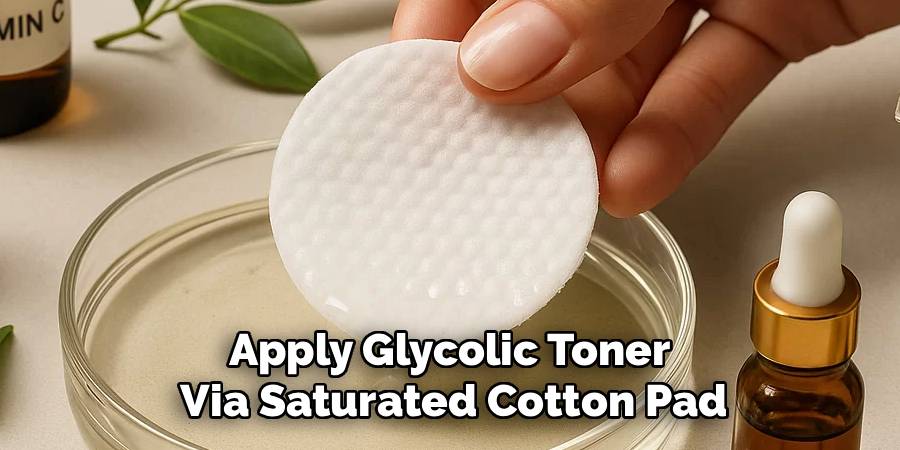
Once your skin is clean, dry, and has passed the patch test, it’s time to apply the toner. The best method for application is to use a soft cotton pad. Saturate the cotton pad with the glycolic acid toner, but be careful not to oversaturate it to the point where it is dripping. You want enough product to glide smoothly across your skin without wasting it or applying too much at once. Using a cotton pad ensures even distribution and provides a gentle form of physical exfoliation as well.
Gently sweep the saturated cotton pad across your face and neck, avoiding the delicate and sensitive areas around your eyes and lips. Use upward and outward motions, starting from the center of your face. Do not scrub or rub the product into your skin, as this can cause significant irritation. The goal is to apply a thin, even layer of the toner. Let the product absorb into your skin for about a minute or two; it should feel slightly tacky before it dries completely.
Step 4: Start Slow and Build Up Tolerance
Glycolic acid is a powerful active ingredient, and your skin needs time to acclimate to it. Rushing into daily use can overwhelm your skin’s natural barrier, leading to irritation, dryness, and sensitivity. It is essential to introduce the toner into your routine gradually. This approach allows your skin to build tolerance over time, reducing the risk of a negative reaction and allowing you to reap the benefits without the uncomfortable side effects.
Begin by using the glycolic acid toner just one to two times per week, preferably in your evening skincare routine. Using it at night is often recommended because AHAs can increase your skin’s sensitivity to the sun. After a few weeks, if your skin is responding well and showing no signs of irritation, you can slowly increase the frequency to three times a week. Depending on the product’s concentration and your skin’s tolerance, some people may eventually work up to using it every other day, but daily use is often not necessary or recommended for most individuals.
Step 5: Follow Up with Hydration
After applying a chemical exfoliant like glycolic acid, it is vital to replenish your skin’s moisture. Exfoliation can be slightly drying, and restoring hydration helps to support your skin barrier, keeping it healthy, balanced, and resilient. Following up with hydrating products will soothe the skin, counteract any potential dryness, and lock in the benefits of the toner. Skipping this step can leave your skin feeling tight, uncomfortable, and more susceptible to irritation.
Once the toner has fully absorbed, apply your favorite hydrating serum, such as one containing hyaluronic acid or glycerin. These ingredients are humectants, meaning they draw moisture into the skin. After your serum, seal everything in with a nourishing moisturizer. Choose a moisturizer that is suitable for your skin type. This step is non-negotiable; it helps to buffer the effects of the acid, calm the skin, and ensure your complexion remains soft, plump, and hydrated.

Step 6: Always Use Sunscreen
This final step is the most important rule when using any AHA, including glycolic acid. Chemical exfoliants work by removing the top layer of dead skin cells, which exposes the newer, more delicate skin underneath. This new skin is significantly more vulnerable to the sun’s harmful ultraviolet (UV) rays. Without proper sun protection, you not only risk getting a sunburn but also undo all the hard work your glycolic acid toner has done. Sun exposure can lead to more hyperpigmentation, premature aging, and increase your risk of skin cancer.
Every morning, regardless of whether it is sunny or cloudy, apply a broad-spectrum sunscreen with an SPF of 30 or higher. This should be the last step in your morning skincare routine. Make sure to apply it generously to your face, neck, and any other exposed areas. Reapply your sunscreen every two hours if you are spending time outdoors or sweating. Consistent sun protection is crucial for maintaining your results and protecting the health of your skin in the long run.
Proper application is crucial to maximize benefits and minimize potential irritation. Follow these detailed steps on how to use glycolic acid toner to safely and effectively introduce a glycolic acid toner into your skincare routine.
Common Mistakes to Avoid
When using glycolic acid, it’s easy to make mistakes that can lead to irritation or damage. Avoid over-exfoliating by using the toner too frequently or combining it with other harsh exfoliants like scrubs or other strong acids. Do not apply it to broken or irritated skin, as this will cause stinging and further inflammation.
Forgetting to moisturize afterward can strip your skin barrier, leading to dryness and sensitivity. Finally, the biggest mistake is skipping sunscreen, which leaves your newly exfoliated skin highly susceptible to sun damage.

Ingredient Combinations: What Works and What Doesn’t
Pairing glycolic acid with the right ingredients can enhance its benefits, while the wrong combinations can cause problems. It works well with hydrating ingredients like hyaluronic acid and ceramides, which help to soothe and moisturize the skin, counteracting potential dryness.
Combining it with antioxidants like Vitamin C can be effective, but it’s best to use them at different times (e.g., Vitamin C in the morning, glycolic acid at night) to avoid irritation. Avoid using glycolic acid at the same time as other potent actives like retinol or benzoyl peroxide, as this can lead to severe irritation, redness, and a compromised skin barrier.
Side Effects and How to Handle Them
While glycolic acid is beneficial, it can have side effects, particularly for those with sensitive skin or when used improperly. Mild tingling, redness, and dryness are common when first starting and usually subside as your skin adjusts. However, if you experience significant burning, peeling, or persistent irritation, it’s a sign that you are overdoing it.
To handle these effects, immediately reduce the frequency of use or stop altogether for a while. Focus on soothing your skin with a gentle cleanser, a fragrance-free moisturizer, and products containing calming ingredients like niacinamide or centella asiatica.
Tips for Best Results
Start Slow:
Introduce new skincare products gradually, especially active ingredients, to allow your skin to build tolerance without becoming overwhelmed. Begin with once or twice a week and adjust based on how your skin reacts.
Use Sunscreen Daily:
Protecting your skin from UV damage is crucial, particularly when using products that can increase sensitivity. Opt for a broad-spectrum sunscreen with SPF 30 or higher.
Hydrate and Moisturize:
Keep your skin hydrated with plenty of water and a nourishing moisturizer to maintain its barrier and prevent dryness or irritation.
Patch Test New Products:
Before applying a product to your entire face, always perform a patch test to ensure compatibility with your skin and avoid potential allergic reactions.

Listen to Your Skin:
If your skin shows signs of discomfort or irritation, such as redness, burning, or peeling, adjust your routine accordingly. Sometimes less is more when it comes to skincare.
Consult a Professional:
For personalized advice, visit a dermatologist or skincare specialist who can help curate a routine tailored to your unique skin needs.
Frequently Asked Questions
Q1: Can I Use Glycolic Acid Toner Every Day?
A1: It is generally not recommended to use a glycolic acid toner every day, especially when you are just starting out. Daily use can lead to over-exfoliation, which can damage your skin barrier and cause redness, peeling, and increased sensitivity. It is best to begin using it 1-2 times per week and slowly increase the frequency to every other day or a few times a week, depending on your skin’s tolerance.
Q2: How Long Does It Take to See Results from Glycolic Acid?
A2: The timeline for seeing results can vary based on your skin concern and the product’s concentration. You may notice a brighter complexion and smoother texture within a few weeks of consistent use. For more significant concerns like hyperpigmentation and fine lines, it can take two to six months of regular application to see visible improvements. Patience and consistency are crucial for achieving the best long-term results.

Conclusion
Glycolic acid toner is a transformative product that can significantly improve your skin’s health and appearance. Exfoliating dead cells and promoting renewal, it helps you achieve a brighter, smoother, and more even-toned complexion. However, its power demands respect.
By following a careful, step-by-step application process, starting slowly, and prioritizing hydration and sun protection, you can safely harness its benefits. Listening to your skin and avoiding common mistakes will ensure your journey with glycolic acid is a positive one, leading you to the radiant skin you desire. Thanks for reading this guide on how to use glycolic acid toner.

About the Author
Jane Hubbard is a passionate beauty expert with a wealth of experience in makeup, hair, and overall beauty techniques. After years of working as a hairdresser specialist, she followed her entrepreneurial spirit and started her own consultancy business.
Jane has always been driven by her desire to help others feel confident in their own skin, and she does this by sharing her knowledge, experiences, and practical beauty tips. Through her consultancy, she empowers individuals to embrace their unique beauty, offering tailored guidance that boosts both self-esteem and personal style.
Professional Focus
Specializes in makeup, hairstyling, and beauty consulting.
Provides personalized beauty advice, tips, and techniques to help individuals feel confident in their appearance.
Dedicated to staying up-to-date with the latest industry trends and developments.
Passionate about creating a comfortable and empowering experience for every client.
Education History
University of Craft and Design – Bachelor of Fine Arts (BFA) in Woodworking and Furniture Design
Woodworking Apprenticeships – Extensive hands-on training with skilled craftsmen to refine carpentry and furniture making techniques
Online Courses & Masterclasses – Continued education in advanced woodworking techniques, design principles, and specialized tools
Expertise:
Makeup artistry, hairstyling, and beauty consulting.
Personalized beauty techniques to enhance confidence and self-expression.
Educating clients on how to maintain their beauty routines at home.