

We’ve all been there. You come home after a long day or a fun night out, ready to scrub your face clean and hit the pillow, only to realize you’re fresh out of your trusty makeup remover. Panic sets in as you stare at your glittery, smoky lids in the mirror. Do you sleep in it? Absolutely not—that’s a recipe for clogged pores and irritation. Do you scrub aggressively with water? Please don’t; the skin around your eyes is far too delicate for that.
Fortunately, your bathroom or kitchen likely holds several safe, effective alternatives to traditional removers. You don’t need fancy biphasic lotions or expensive balms to get the job done. With a few household staples, you can dissolve pigment and mascara without damaging your skin. In this guide, we will walk you through exactly how to remove eyeshadow without makeup remover using gentle, skin-loving ingredients you probably already own.
Things to Know Before You Start
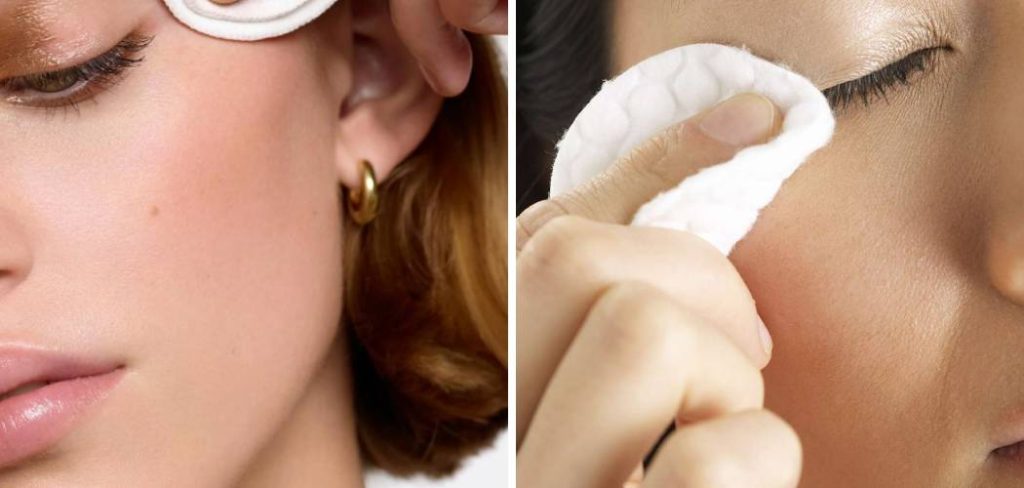
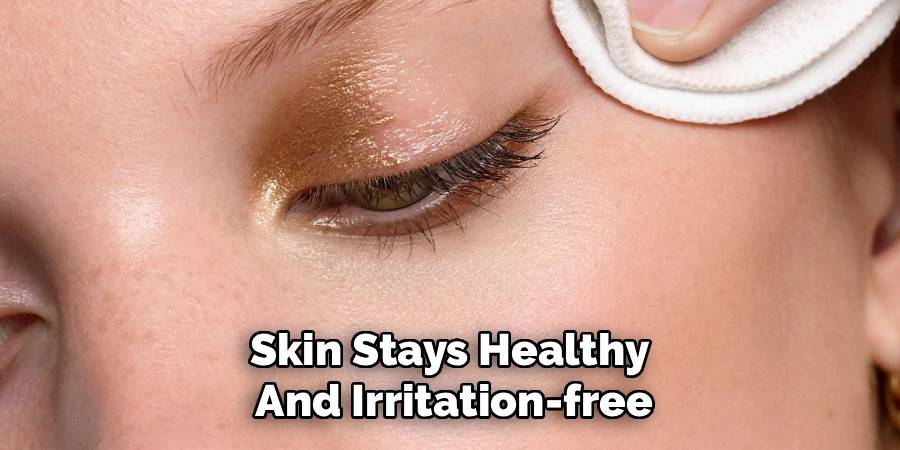
Before trying any alternative method for removing eyeshadow, it’s important to keep a few things in mind to ensure your skin stays healthy and irritation-free. First, always wash your hands thoroughly to avoid transferring dirt or bacteria to your face. Second, perform a patch test with any new ingredient, especially if you have sensitive skin, to check for potential allergic reactions. Lastly, be gentle while removing makeup – rubbing too hard can damage the delicate skin around your eyes and cause unnecessary irritation. Keeping these tips in mind will help make the process both safe and effective.
Step-by-Step Guide: How to remove eyeshadow without makeup remover
Step 1: Using Coconut Oil
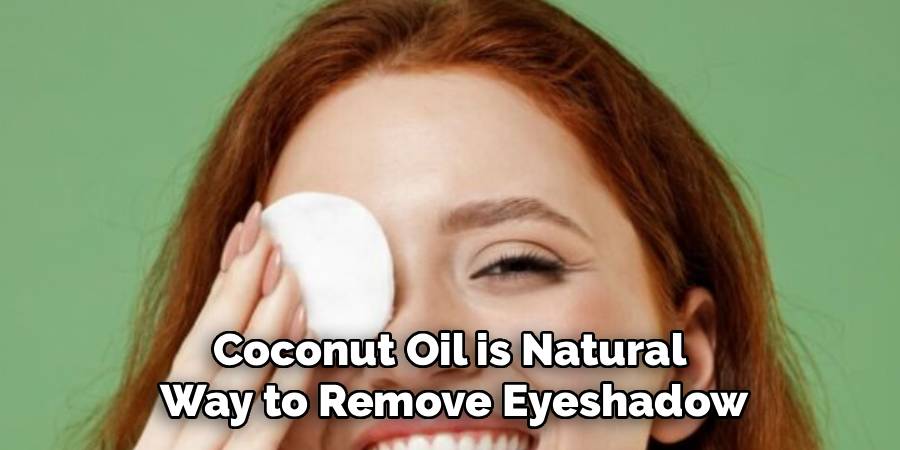
Coconut oil is a natural and gentle way to remove eyeshadow without using any harsh chemicals. Simply warm up a small amount of coconut oil in your hands and gently massage it onto your eyelids, focusing on the areas with eyeshadow. The oil will help dissolve the makeup and make it easy to wipe off with a cotton pad or cloth.
After massaging the coconut oil onto your eyelids, use a soft cotton pad or clean cloth to gently wipe away the dissolved eyeshadow. Make sure to move in a gentle, downward motion to avoid irritating the sensitive skin around your eyes. If any residue remains, repeat the process until your eyelids are completely clean. Finish by rinsing your face with lukewarm water and patting the area dry with a towel.
Step 2: Olive Oil or Baby Oil
Another natural and effective way to remove eyeshadow is by using olive oil or baby oil. These oils are known for their moisturizing properties, making them gentle on the delicate skin around your eyes.
To use this method, simply pour a small amount of oil onto a cotton pad and gently swipe it over your eyelids. The oil will break down the eyeshadow and make it easy to wipe away. Again, be sure to move in a downward motion to avoid any irritation.
Afterwards, rinse your face with lukewarm water and pat dry with a towel. Not only will your eyeshadow be removed, but your skin will also feel nourished and hydrated.
Step 3: Micellar Water Alternative
If you prefer a more gentle and less oily method, micellar water is a great alternative for removing eyeshadow. This product contains tiny oil molecules that effectively lift and remove makeup without harsh rubbing or tugging on the skin.
To use, simply soak a cotton pad with micellar water and press it onto your eyelids for a few seconds. Then, gently wipe away the eyeshadow in a downward motion.
Repeat until all traces of eyeshadow are removed. Micellar water is also great for those with sensitive skin as it is free of harsh chemicals and fragrances. It can even double as a facial cleanser, making it a convenient addition to your skincare routine.
Step 4: Milk and Cotton Pad Method
Another effective way to remove eyeshadow is by using the milk and cotton pad method. This method has been used for years and has proven to be gentle yet effective in removing makeup.
To start, pour a small amount of cold milk onto a cotton pad. The colder the milk, the better it will work as it helps to constrict blood vessels and reduce puffiness around the eyes. Gently press the milk-soaked cotton pad onto your closed eyelids for about 30 seconds.
Step 5: Aloe Vera Gel
Aloe vera gel has many soothing properties and is known to be gentle on the skin. It can also be used to remove eyeshadow without harsh chemicals.
To use aloe vera gel as an eyeshadow remover, simply apply a small amount onto your fingertips and gently rub it onto your eyelids in a circular motion. The aloe vera will help to break down the makeup and leave your skin feeling refreshed.
Coconut oil is another natural option for removing eyeshadow effectively. Dab a small amount of coconut oil onto a cotton pad or your fingertips and gently massage it over your eyelids. The oil works to dissolve the makeup while also moisturizing the delicate skin around your eyes, leaving it soft and nourished.

Step 6: Using Warm Water and Mild Cleanser
Once you have removed the majority of your eyeshadow using a natural option, it is important to cleanse the remaining residue with warm water and a mild cleanser. This will ensure that all traces of makeup are removed, preventing any potential irritation or breakouts.
Start by splashing your face with warm water, ensuring that it is not too hot as this can strip your skin of its natural oils. Next, apply a small amount of gentle facial cleanser onto your fingertips and massage it over your eyelids in circular motions. Rinse thoroughly with warm water and pat dry.
Step 7: Apply a Soothing Eye Cream
After any cleansing routine, it is vital to restore moisture to the skin barrier. The skin around the eyes is the thinnest on the body and lacks oil glands, making it prone to dryness and fine lines. Once your face is dry, apply a specialized eye cream or your regular facial moisturizer. Use your ring finger—which naturally applies the least amount of pressure—to tap the cream along your orbital bone. This final step seals in hydration, soothes any potential irritation from the removal process, and keeps your eyes looking bright and rested for the next morning.

Frequently Asked Question
Is It Safe To Use Vaseline To Remove Eye Makeup?
Yes, Vaseline (petroleum jelly) is generally considered safe for removing eye makeup. It is an occlusive agent, meaning it forms a seal over the skin, and it is very effective at dissolving waterproof makeup because of its oil-based nature. However, it is quite thick and greasy, so it might blur your vision temporarily if it gets into your eyes. It is non-comedogenic, so it shouldn’t clog pores, but you must ensure you wash it off thoroughly with a cleanser afterwards to prevent any sticky residue from trapping dirt or bacteria against the skin.
Can I Use Baby Wipes Instead Of Makeup Remover?
While you technically can use baby wipes in a pinch, they are not the ideal solution for your face, especially the delicate eye area. Baby wipes are formulated for a baby’s bottom, which has different pH requirements and skin durability than your eyelids. They often contain fragrances or preservatives that can cause stinging, redness, or allergic reactions on facial skin. Additionally, you often have to scrub harder with a baby wipe to get makeup off compared to a dedicated makeup wipe or an oil cleanser, which can lead to unnecessary tugging and wrinkles over time.
Does Olive Oil Clog Pores Around The Eyes?
Olive oil is a heavier oil, and while it is fantastic for breaking down makeup, it has a higher comedogenic rating than oils like jojoba or argan oil. This means there is a slight risk it could clog pores if left on the skin. However, since the skin directly on the eyelid and under the eye produces very little of its own sebum, clogging is less of a risk there than on your nose or chin. The key is to use it solely as a solvent to dissolve the makeup and then immediately wash it off with a gentle facial cleanser.
What Is The Best Natural Oil For Removing Makeup?
The “best” oil often depends on your specific skin type, but Jojoba oil is widely regarded as a top choice. Its chemical structure closely mimics human sebum (the oil your skin naturally produces), making it incredibly gentle and unlikely to cause breakouts or irritation. Sweet almond oil is another excellent option as it is rich in Vitamin E. Coconut oil is popular and effective for breaking down heavy makeup, but it can be drying for some and comedogenic for others, so it works best for those who don’t have acne-prone skin.
How Do I Remove Waterproof Mascara Without Remover?
Waterproof mascara is designed to resist water, so you absolutely need an oil-based product to remove it without ripping out your lashes. Natural oils like coconut or olive oil are your best bet here. Saturated a cotton pad with the oil and hold it against your closed lashes for at least 30 seconds. Do not rub immediately. You need to give the oil time to penetrate the waterproof coating. Once it has softened, gently swipe downwards. Follow up with a second cleanse using a mild face wash to ensure all the dissolved mascara and oil are gone.
Conclusion
Properly removing waterproof mascara is essential to protect the health of your lashes and the delicate skin around your eyes. By using natural oils and practicing patience during the cleansing process, you can effectively remove even the most stubborn mascaras without causing damage. Remember to always follow up with a gentle cleanser to keep your skin fresh and residue-free. Taking these extra steps ensures your lashes stay strong, healthy, and ready for the next application.
Additionally, it’s important to regularly clean your makeup tools, such as eyelash curlers and mascara wands, to maintain good hygiene and prevent potential eye infections. Keeping these tools sanitized can significantly reduce the buildup of bacteria and ensure they work effectively every time you use them. Small habits like these contribute to long-term eye health and beauty.

About the Author
Jane Hubbard is a passionate beauty expert with a wealth of experience in makeup, hair, and overall beauty techniques. After years of working as a hairdresser specialist, she followed her entrepreneurial spirit and started her own consultancy business.
Jane has always been driven by her desire to help others feel confident in their own skin, and she does this by sharing her knowledge, experiences, and practical beauty tips. Through her consultancy, she empowers individuals to embrace their unique beauty, offering tailored guidance that boosts both self-esteem and personal style.
Professional Focus
Specializes in makeup, hairstyling, and beauty consulting.
Provides personalized beauty advice, tips, and techniques to help individuals feel confident in their appearance.
Dedicated to staying up-to-date with the latest industry trends and developments.
Passionate about creating a comfortable and empowering experience for every client.
Education History
University of Craft and Design – Bachelor of Fine Arts (BFA) in Woodworking and Furniture Design
Woodworking Apprenticeships – Extensive hands-on training with skilled craftsmen to refine carpentry and furniture making techniques
Online Courses & Masterclasses – Continued education in advanced woodworking techniques, design principles, and specialized tools
Expertise:
Makeup artistry, hairstyling, and beauty consulting.
Personalized beauty techniques to enhance confidence and self-expression.
Educating clients on how to maintain their beauty routines at home.