

Loose powder is a staple in most makeup routines—it sets foundation, controls shine, and gives skin that coveted airbrushed finish. But here’s the thing: most people never think twice about hygiene once the product is in their hands. Dipping, double-dipping, and sharing are common habits that quietly turn a beloved compact into a breeding ground for bacteria.
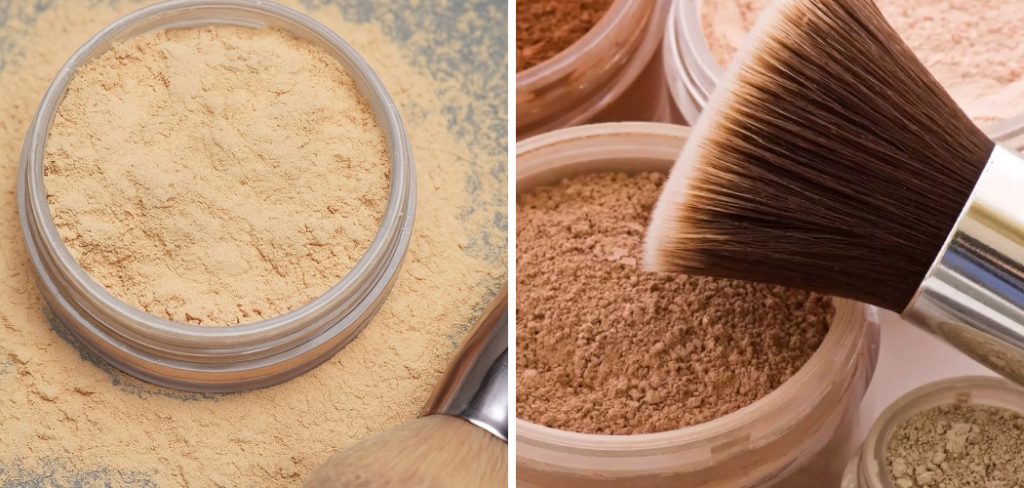
Keeping your loose powder hygienic isn’t just about making the product last longer—it directly affects your skin health. Poor makeup hygiene has been linked to breakouts, eye infections, and skin irritation. This guide on how to keep loose powder hygienic walks you through nine practical, easy-to-follow steps to keep your loose powder clean, safe, and effective every single time you use it.
Understanding Loose Powder Hygiene
Loose powder has a finely milled, open texture that makes it particularly vulnerable to contamination. Every time you dip a brush or puff into the container, you transfer skin oils, dead skin cells, and environmental bacteria directly into the product. Over time, this buildup may compromise both the powder’s performance and your skin’s well-being.
Unlike liquid products that often include preservatives to fight microbial growth, many loose powders are minimally formulated—meaning the product itself offers little protection once contamination begins. Understanding this risk is the first step toward building better habits, and the nine guidelines below make that straightforward.
9 Step-By-Step Guidelines On How To Keep Loose Powder Hygienic
Step 1: Always Wash Your Hands Before Application
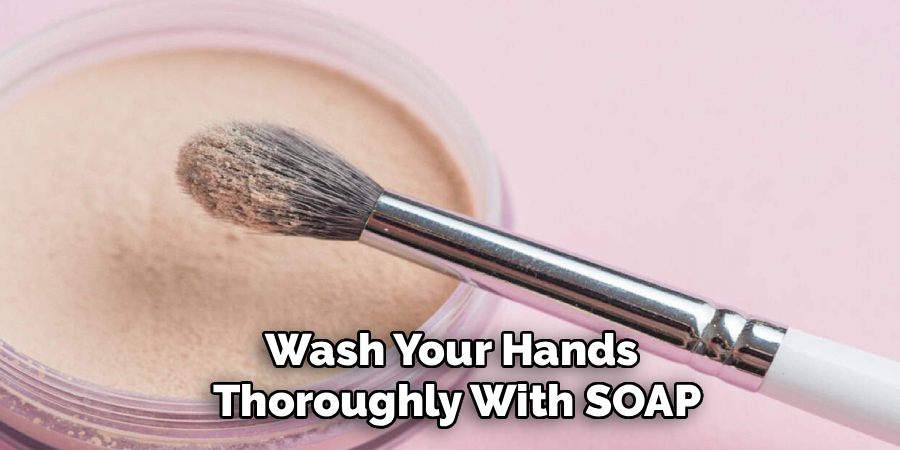
Before touching any makeup tool or product, wash your hands thoroughly with soap and warm water for at least 20 seconds. Hands carry a significant number of bacteria and oils that transfer easily to brushes, puffs, and directly into open powder containers. This one habit alone could dramatically reduce the amount of contamination your products are exposed to daily.
Make handwashing a non-negotiable part of your beauty routine. Even if your hands look clean, invisible bacteria are almost always present. Clean hands mean cleaner tools, cleaner products—and ultimately, cleaner skin.
Step 2: Use A Clean Brush Or Applicator Every Time
The applicator you use to pick up loose powder is the primary vehicle for contamination. A dirty brush carries bacteria, old skin cells, and residual product that gets deposited back into the container with every dip. Dedicate specific brushes to specific products, and clean each one regularly.
Puffs and sponge applicators follow the same logic—maybe more so. These tools harbor moisture, which accelerates bacterial growth. Always let applicators dry completely before storing them, and replace them every few months, or sooner if they show signs of wear.
Step 3: Tap, Don’t Dip Your Brush
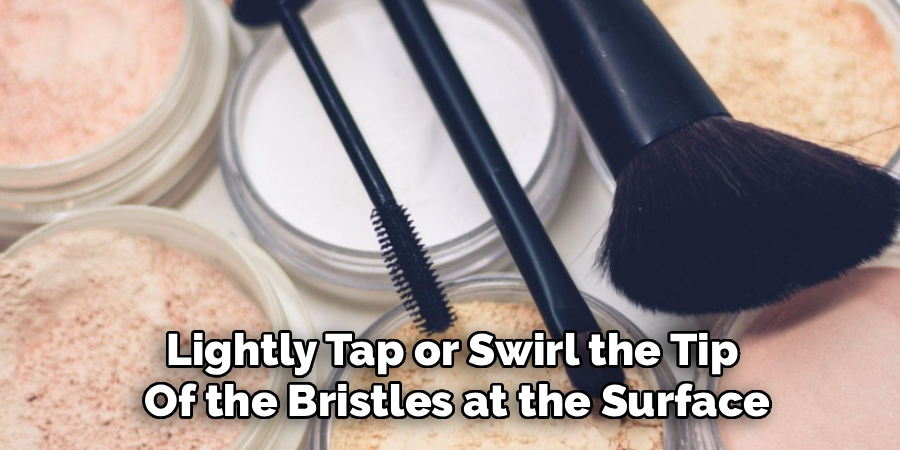
Rather than pressing your brush deeply into the powder, lightly tap or swirl the tip of the bristles at the surface. This minimizes how much the brush physically contacts the bulk of the powder and reduces the risk of transferring contaminants deep into the container.
After picking up the product, tap the brush gently against the back of your hand or the lid to shake off excess before applying it to your face. This technique also gives you more control over the amount of product you use, reducing fallout and waste.
Step 4: Close The Container Tightly After Every Use
Leaving your loose powder open—even briefly—exposes it to airborne dust, bacteria, and humidity. Always secure the lid after each use and confirm the seal is tight before setting it down. It may appear to be a minor detail, but the cumulative effect of leaving makeup open adds up over weeks and months.
This habit matters most in bathrooms, where humidity from showers can encourage mold and bacterial growth inside open containers. Store your powder in a cool, dry place away from direct sunlight to protect its integrity and extend its shelf life.
Step 5: Avoid Sharing Your Loose Powder With Others
Sharing makeup—loose powder especially—is one of the fastest ways to spread bacteria, viruses, and fungal infections between people. Even if both individuals appear to have clear, healthy skin, microorganisms can transfer without any visible symptoms present.
Keep your loose powder strictly personal. If you’re doing someone else’s makeup for an event or photoshoot, use a disposable applicator or spatula to remove product from the container and apply it separately. This protects both your product and the other person.
Step 6: Clean Your Makeup Brushes Regularly
Brush cleaning is one of the most commonly skipped steps in makeup hygiene—and one of the most consequential. For brushes used with loose powder, a deep clean at least once a week appears to be the general consensus among dermatologists and makeup artists alike. Use a gentle brush cleanser or mild shampoo, work it through the bristles under lukewarm water, rinse thoroughly, and reshape the brush before laying it flat to dry.
For quick maintenance between washes, spray the brush with a fast-drying brush cleaner and wipe it across a clean cloth or paper towel. This won’t replace a full wash, but it helps keep your powder application looking fresh day to day.
Step 7: Check The Expiration Date Regularly
Every cosmetic product—loose powder included—has a shelf life. Most display a Period After Opening (PAO) symbol on their packaging: an open jar icon followed by a number and the letter “M” (for months). Common PAO periods for loose powder range from 12 to 24 months after opening.
Using expired powder could be genuinely harmful to your skin. Products past their PAO date may harbor higher concentrations of bacteria, cause irritation, or simply stop performing the way they should. Make it a habit to check your products every few months and discard anything that has passed its PAO date or smells off.
Step 8: Sanitize Your Powder Periodically
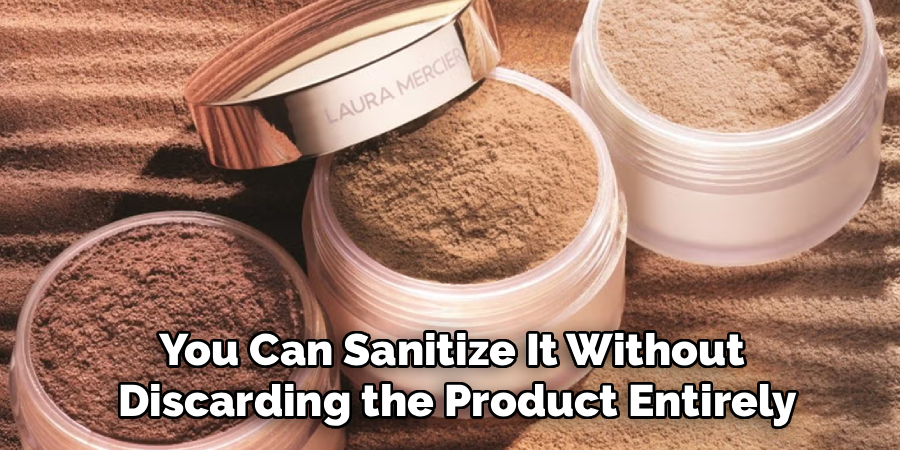
If you suspect your loose powder has been exposed to contamination—say, after an illness, or if you’ve noticed unusual breakouts—you can sanitize it without discarding the product entirely. The most common method is to lightly spray the surface with 70% isopropyl alcohol and allow it to dry completely before use.
This technique is widely used by professional makeup artists to sanitize pressed and loose products between clients. While it won’t restore a severely contaminated product, it can reduce surface-level bacterial presence. Never oversaturate the powder—too much alcohol can alter its texture and performance.
Step 9: Store Your Powder In A Clean, Dedicated Space
Where you store your makeup matters more than most people realize. A cluttered, dusty drawer or a damp bathroom shelf creates conditions where bacteria and mold thrive. Designate a clean, organized space specifically for your makeup, and wipe it down regularly with an antibacterial cloth.
Keep your loose powder away from high humidity, temperature fluctuations, and direct sunlight. A cool, dry bedroom vanity is ideal. Proper storage not only keeps the product hygienic but also preserves its texture, pigmentation, and overall quality for longer.
Following these steps on how to keep loose powder hygienic and in top condition will ensure that you always have a flawless finish when applying your makeup.
Common Mistakes To Avoid
When it comes to storing makeup, several common mistakes can compromise both the longevity of your products and their safety. One frequent error is leaving makeup products in a bathroom. The high humidity in this environment can cause powders to clump, creams to separate, and bacteria to proliferate, leading to potential skin irritations or infections. Another mistake is neglecting to check expiration dates.
Using expired makeup not only diminishes its effectiveness but also increases the risk of skin issues. Additionally, failing to keep makeup brushes and tools clean can lead to the transfer of dirt and oils, degrading your products faster. Avoid storing makeup in direct sunlight, as UV exposure can break down ingredients, alter pigmentation, and reduce efficacy. By steering clear of these habits, you can ensure your makeup remains safe, effective, and long-lasting.
Frequently Asked Questions
How Often Should You Clean Your Loose Powder Brushes?
Brushes used to apply loose powder should be deep-cleaned at least once a week, especially with daily use. A thorough wash with a gentle brush cleanser removes accumulated bacteria, oils, and old product buildup that can affect both skin health and application quality. Between washes, a quick-dry spray cleanser helps maintain hygiene on a day-to-day basis—and regular cleaning extends the life of your brushes, so it benefits both your skin and your wallet.
Can You Use Loose Powder After An Eye Infection Or Breakout?
It is strongly advisable to replace any loose powder—and all associated applicators—after an eye infection, cold sore, or severe skin breakout. Pathogens responsible for these conditions can survive on makeup products and reinfect you even after recovery. Sanitizing with 70% isopropyl alcohol may help in mild cases, but for infections involving the eyes or open skin, replacing the product entirely is the safest course of action.
What Is The Best Way To Tell If Loose Powder Has Gone Bad?
The clearest signs that a loose powder has expired include an unusual or rancid smell, a change in texture (such as clumping or excessive dryness), visible discoloration, or the presence of mold. Even without these visible signs, always check the PAO symbol on the packaging. If you cannot recall when you opened a product, a general rule of thumb suggests replacing it after 18 months.
Keep Your Powder—And Your Skin—In Great Shape
Good makeup hygiene is less about perfection and more about consistency. Small daily habits—washing your hands, tapping instead of dipping, storing products properly—add up to a meaningful difference in both product longevity and skin health over time.
Start by implementing two or three of these steps today, then build from there. Your skin will respond, your products will last longer, and your application will look better for it. Thanks for reading this guide on how to keep loose powder hygienic.

About the Author
Jane Hubbard is a passionate beauty expert with a wealth of experience in makeup, hair, and overall beauty techniques. After years of working as a hairdresser specialist, she followed her entrepreneurial spirit and started her own consultancy business.
Jane has always been driven by her desire to help others feel confident in their own skin, and she does this by sharing her knowledge, experiences, and practical beauty tips. Through her consultancy, she empowers individuals to embrace their unique beauty, offering tailored guidance that boosts both self-esteem and personal style.
Professional Focus
Specializes in makeup, hairstyling, and beauty consulting.
Provides personalized beauty advice, tips, and techniques to help individuals feel confident in their appearance.
Dedicated to staying up-to-date with the latest industry trends and developments.
Passionate about creating a comfortable and empowering experience for every client.
Education History
University of Craft and Design – Bachelor of Fine Arts (BFA) in Woodworking and Furniture Design
Woodworking Apprenticeships – Extensive hands-on training with skilled craftsmen to refine carpentry and furniture making techniques
Online Courses & Masterclasses – Continued education in advanced woodworking techniques, design principles, and specialized tools
Expertise:
Makeup artistry, hairstyling, and beauty consulting.
Personalized beauty techniques to enhance confidence and self-expression.
Educating clients on how to maintain their beauty routines at home.