

Korean beauty trends have taken the world by storm, influencing everything from skincare routines to daily makeup looks. Known for its emphasis on youthful, radiant skin and soft, natural features, this style offers a refreshing departure from the heavy contouring and matte finishes often seen in Western makeup. Whether you are a complete novice or simply looking to refresh your routine, mastering the art of K-beauty can help you achieve a glowing, effortless look that enhances your natural beauty rather than masking it.
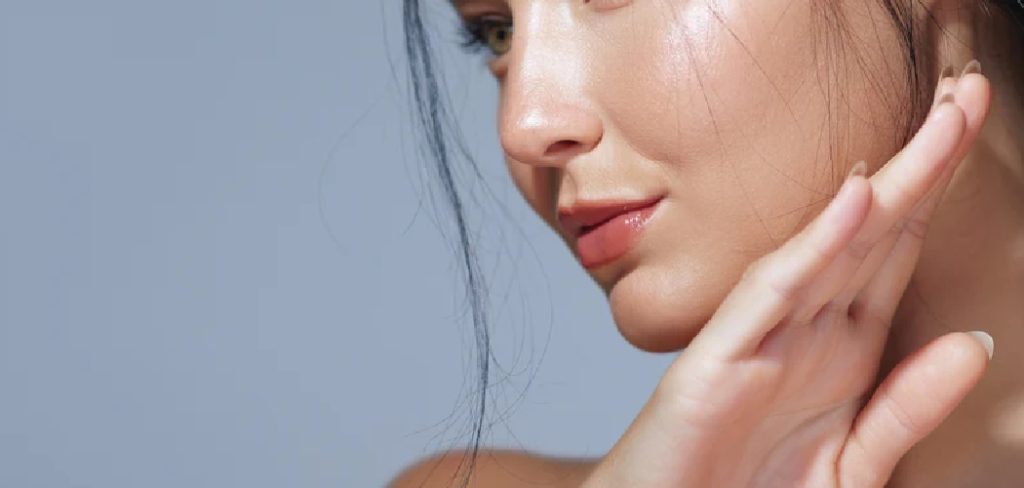
At the heart of this trend is the concept of “chok chok,” or dewy, hydrated skin that looks lit from within. The goal is to look like you were born with perfect skin, bright eyes, and naturally flushed cheeks. While it might seem intimidating at first, the techniques are actually quite simple once you break them down. In this guide, we will walk you through exactly how to do Korean style makeup, covering everything from essential skin prep to that signature gradient lip. Get ready to embrace a softer, fresher approach to beauty.
Why the “Clean Girl” Aesthetic Loves K-Beauty
The global obsession with the “clean girl” aesthetic—characterized by minimal makeup, slicked-back hair, and glowing skin—has its roots deeply planted in Korean beauty philosophies. For years, Korean makeup artists have prioritized skin health and hydration above all else, creating techniques that celebrate natural texture rather than covering it up. This alignment is why so many people are turning to K-beauty methods today; they offer practical, everyday solutions for looking polished without feeling overdone.
Unlike trends that rely on heavy layers of foundation and sharp lines, Korean makeup focuses on soft edges and sheer washes of color. It is about subtlety and enhancing your features gently. The straight brows give a youthful innocence, the “puppy” eyeliner makes eyes look rounder and sweeter, and the gradient lips mimic the natural flush of eating a popsicle or biting your lip. By adopting these techniques, you aren’t just following a trend; you are learning how to highlight your best features in a way that feels authentic and breathable for daily wear.
Step-by-Step Guide: How to Do Korean Style Makeup
Step 1: Skin Preparation and Hydration
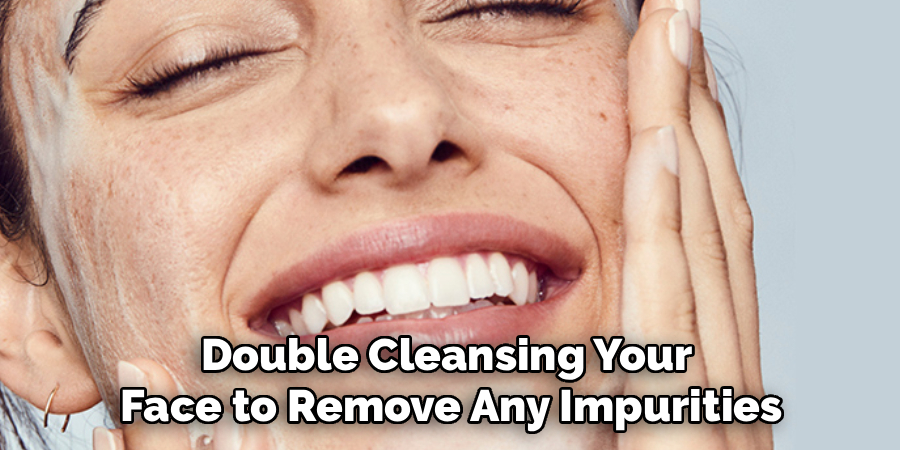
The absolute most critical step in any K-beauty routine is preparation because you cannot achieve that signature glass-skin finish with a dry or flaky canvas. Start by double cleansing your face to remove any impurities, followed by a gentle toner to balance your skin’s pH levels. Next, layer on a hydrating essence or serum; look for ingredients like hyaluronic acid or snail mucin which are staples in Korean skincare.
Finish with a lightweight moisturizer that plumps the skin without leaving a greasy residue. Don’t forget sunscreen, as sun protection is non-negotiable in Korean beauty culture to maintain a fair and even complexion. Allow these layers to fully absorb for a few minutes before reaching for any makeup products.
Step 2: Creating a Dewy Base
Once your skin is prepped, it is time to create that famous flawless, dewy complexion. Instead of a thick, full-coverage foundation, opt for a BB cream or a cushion compact foundation, which allows for buildable coverage while maintaining a skin-like finish. Press the product into your skin using a puff or a damp beauty sponge, starting from the center of your face and blending outwards.
If you have blemishes or dark circles, use a small amount of creamy concealer only where absolutely necessary. The goal here is to even out your skin tone while letting your natural skin texture shine through. Avoid heavy powders; if you must set your makeup, lightly dust a translucent powder only on your T-zone to control excess oil while keeping the cheeks glowing.
Step 3: Straight Eyebrow Shaping
Eyebrows in Korean makeup differ significantly from the high-arched, structured brows often popular in the West. The K-beauty standard favors a straighter, softer brow shape, which is believed to make the face look younger and more innocent. To achieve this, use an eyebrow pencil or powder that is a shade lighter than your natural hair color to fill in sparse areas.
Draw a straight line underneath your brow, minimizing the arch, and gently taper the tail end. Use a spoolie brush to blend the product thoroughly, ensuring there are no harsh lines. The result should be fluffy and natural-looking. If you have naturally arched brows, you can gently fill in the space under the arch to create the illusion of a straighter shape without removing hair.
Step 4: Eye Makeup and Aegyo-sal
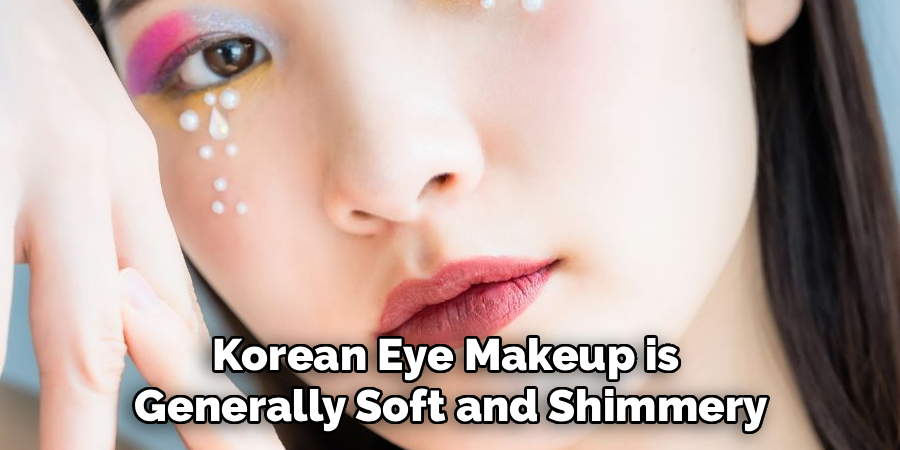
Korean eye makeup is generally soft and shimmery, avoiding dark, smoky looks for daily wear. Choose a palette with peach, coral, or soft brown tones. Apply a light wash of a matte base color all over the eyelid, then add a slightly deeper shade to the outer corner to add subtle dimension.
A key feature of this style is emphasizing the “aegyo-sal,” or the small pocket of fat directly under the lower lash line, which creates a smiling, youthful appearance. To highlight this, squint slightly to find the puffiness under your eye, then apply a champagne or pearlescent shimmer shadow on the center of that area. Use a very light matte brown shade to contour a thin line directly beneath the puffiness to enhance the dimension.
Step 5: Puppy Eyeliner Technique
While the “cat eye” flicks the eyeliner upward for a sultry look, the Korean “puppy eye” technique drags the eyeliner slightly downward to create a sweeter, rounder eye shape. Using a brown gel or pencil liner (which looks softer than black), follow the natural curve of your upper lash line.
As you reach the outer corner, instead of flicking up, extend the line slightly downwards, following the curve of your upper lid. This elongates the eye and gives a kind, innocent appearance. Keep the line thin and close to the lashes. Curl your lashes and apply a lengthening mascara, focusing on separation and definition rather than heavy volume. Clumpy lashes are generally avoided in favor of a wispy, natural flutter.
Step 6: Gradient Lips Application
The gradient lip is perhaps the most recognizable element of K-beauty makeup. This technique mimics the look of natural blood flow to the lips, creating a “just-bitten” effect that is soft and romantic. To achieve this, first apply a nude base lipstick or a bit of concealer over your lips to blur the natural lip line.
Next, take a lip tint or lipstick in a darker shade—usually a red, pink, or berry tone—and apply it only to the center of your inner lips. Press your lips together to transfer the color slightly, then use your finger or a cotton bud to blend the color outwards towards the edges. The color should be most concentrated in the center and fade into the nude base at the lip line.
Step 7: Natural Blush and Finishing Touches
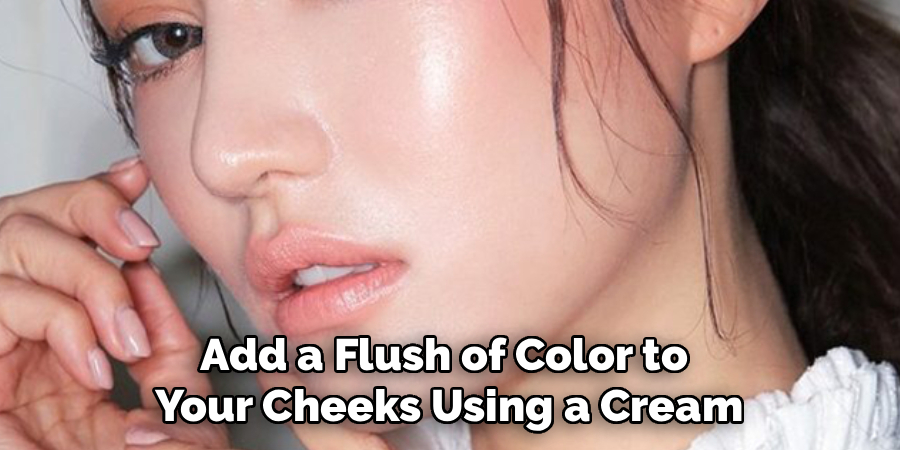
To complete the look, add a flush of color to your cheeks using a cream or liquid blush. Powder blushes can look too dry, so cream formulas are preferred to maintain that dewy texture. Choose a shade that complements your eye and lip makeup, such as a soft coral or baby pink.
Smile to find the apples of your cheeks and tap the blush high up on the cheekbones, blending it upwards towards your temples or slightly across the nose for a sun-kissed vibe. Finally, mist your face with a hydrating setting spray to lock everything in and melt the powders into the skin. This step ensures your makeup lasts all day while reinforcing that signature glow you have worked to create.
Frequently Asked Questions
Do I need specific Korean products to achieve this look?
You do not necessarily need to buy products exclusively from Korean brands to achieve this aesthetic, although they are formulated specifically for these textures. You can certainly recreate the look using Western brands if you choose the right formulas. Look for hydrating, sheer foundations or tinted moisturizers instead of matte ones.
Is Korean makeup suitable for oily skin types?
Yes, Korean makeup can absolutely work for oily skin, but you may need to make small adjustments to the standard “dewy” routine. Instead of a highly radiant foundation, you might prefer a soft-matte cushion compact or a satin-finish foundation that controls oil without looking flat. You should also be more generous with translucent powder, specifically targeting the T-zone (forehead, nose, and chin) while leaving the cheeks glowy.
How is “glass skin” different from greasy skin?
The difference between “glass skin” and greasy skin lies in the texture and placement of the shine. Glass skin refers to skin that is so hydrated and smooth that it reflects light like a pane of glass. It looks plump and watery. Greasy skin, on the other hand, is caused by an excess of sebum and oil, often resulting in a slick, uneven texture that can separate makeup.
Can I do Korean style makeup on darker skin tones?
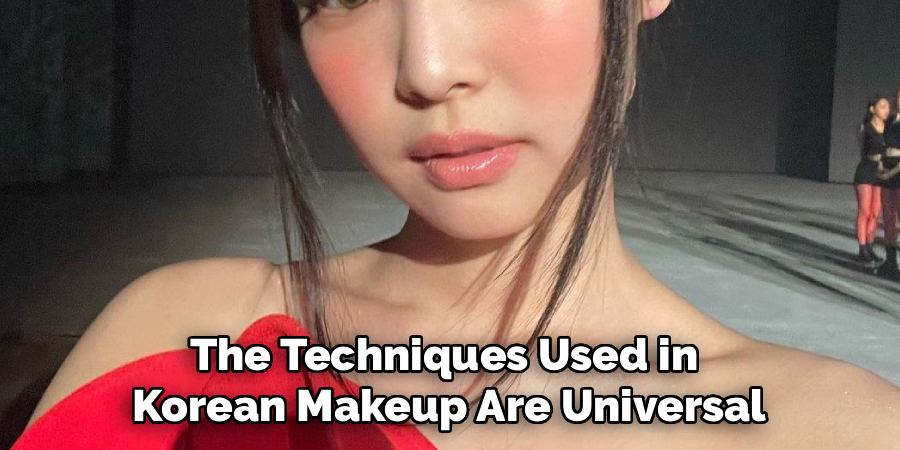
Absolutely, the techniques used in Korean makeup are universal and look beautiful on all skin tones. The key is to adapt the color palette to suit your complexion. Instead of the pale pastels often seen on lighter skin models, opt for richer corals, deep berries, warm terracottas, and golden shimmers. The principles of hydration, straight brows, and soft eyeliner remain the same.
What is the “aegyo-sal” and why is it important?
“Aegyo-sal” translates to “charming fat” or “cute skin” and refers to the small roll of skin directly beneath the lower eyelashes that becomes prominent when you smile. In Korea, this feature is considered highly attractive because it gives the illusion of bigger, brighter eyes and a more youthful, friendly expression. It is distinct from eye bags, which are darker and sit lower on the face.
Conclusion
Mastering the art of K-beauty is less about rigorous rules and more about adopting a philosophy of gentleness towards your skin. By prioritizing hydration and favoring soft, blended textures, you can create a look that is both timeless and modern. Whether you adopt the full routine or just incorporate elements like the gradient lip or puppy eyeliner, these techniques offer a versatile way to enhance your features. Remember that the core of learning how to do Korean style makeup is simply highlighting the healthy, radiant beauty you already possess.

About the Author
Jane Hubbard is a passionate beauty expert with a wealth of experience in makeup, hair, and overall beauty techniques. After years of working as a hairdresser specialist, she followed her entrepreneurial spirit and started her own consultancy business.
Jane has always been driven by her desire to help others feel confident in their own skin, and she does this by sharing her knowledge, experiences, and practical beauty tips. Through her consultancy, she empowers individuals to embrace their unique beauty, offering tailored guidance that boosts both self-esteem and personal style.
Professional Focus
- Specializes in makeup, hairstyling, and beauty consulting.
- Provides personalized beauty advice, tips, and techniques to help individuals feel confident in their appearance.
- Dedicated to staying up-to-date with the latest industry trends and developments.
- Passionate about creating a comfortable and empowering experience for every client.
Education History
- University of Craft and Design – Bachelor of Fine Arts (BFA) in Woodworking and Furniture Design
- Woodworking Apprenticeships – Extensive hands-on training with skilled craftsmen to refine carpentry and furniture making techniques
- Online Courses & Masterclasses – Continued education in advanced woodworking techniques, design principles, and specialized tools
Expertise:
- Makeup artistry, hairstyling, and beauty consulting.
- Personalized beauty techniques to enhance confidence and self-expression.
- Educating clients on how to maintain their beauty routines at home.