

Dyeing your hair doesn’t always require chemical-laden products. If you’re looking for a more natural approach or simply want to experiment with subtle color changes, there are plenty of alternatives to traditional hair dye. These methods often utilize ingredients you already have at home, ensuring a safer and more eco-friendly way to achieve a refreshed look.
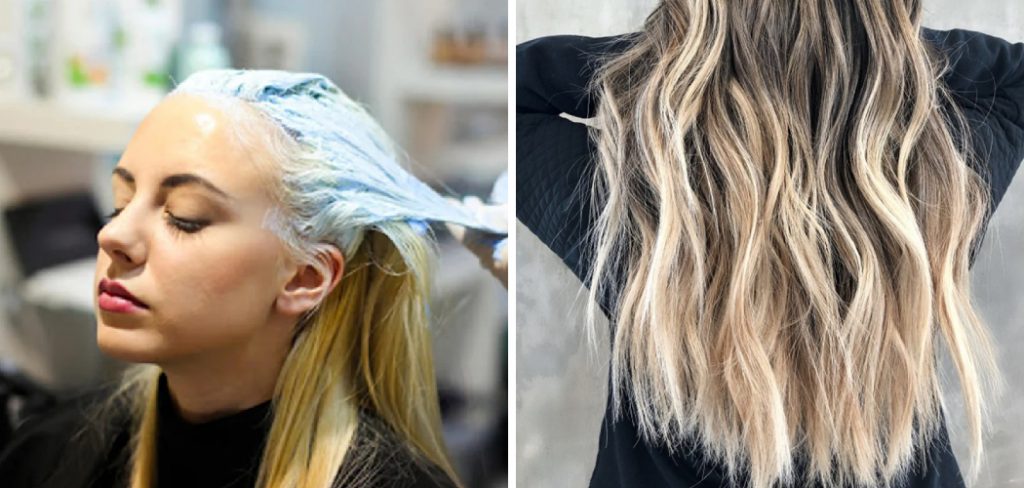
Whether you want to enhance your natural shade or try something entirely new, this guide will walk you through creative and easy ways on how to dye your hair without hair dye.
The Appeal of Chemical-Free Hair Coloring
Choosing chemical-free hair coloring methods comes with numerous benefits that appeal to a wide range of people. For starters, natural alternatives are often gentler on your hair and scalp, minimizing the risk of irritation, dryness, or damage that can result from traditional dyes. Additionally, many of these methods use ingredients like coffee, tea, henna, or beet juice, which are not only eco-friendly but also readily available and cost-effective.
Beyond the practical advantages, chemical-free coloring gives you the freedom to experiment without long-term commitment, as these methods typically fade more gradually and naturally. For those seeking a more holistic approach to self-care, avoiding synthetic chemicals aligns with a lifestyle that prioritizes health and sustainability.
Tools and Materials You’ll Need
Before you begin, gather the following tools and materials to ensure a smooth and mess-free process. These basics will help you effectively apply and achieve your desired result:
- Gloves: Protect your hands from staining during the application process.
- Mixing Bowl: Use a non-metal bowl to combine and prepare your natural dye mixture.
- Applicator Brush: Helps apply the mixture evenly and precisely to your hair.
- Old Towel or Shirt: Prevents accidental stains on your clothes by covering your shoulders.
- Shower Cap (optional): Keeps the mixture in place and helps retain heat for better absorption.
- Natural Ingredients: Depending on the color you’re aiming for, this may include items like coffee, tea, henna, beet juice, chamomile flowers, or lemon juice.
- Strainer (if needed): To filter out any solids from teas or other mixtures for a smoother consistency.
- Hair Clips: Useful for sectioning your hair to ensure an even application.
Having these tools and materials ready beforehand will make the process more efficient and enjoyable.
9 Creative Ways How to Dye Your Hair without Hair Dye
Looking to switch up your hair color without reaching for traditional hair dye? Whether you’re avoiding harsh chemicals, looking for temporary options, or just ready to experiment with natural ingredients, there are plenty of alternative methods to achieve a new look.
This list dives into 10 effective and creative ways you can dye your hair without commercial hair dye. Each method is gentle, easy to try, and often uses items you already have at home.
1. Coffee for Brunette Tones
If you’re dreaming of rich, deep brunette hues, coffee is your best friend. Brew a strong pot of coffee (espresso works great for intensity) and allow it to cool. Mix the coffee with your favorite conditioner, apply it generously to your hair, and leave it on for 1–2 hours before rinsing. The result? Glossy, naturally darkened strands. Repeat weekly for deeper results!

Tip:
Use organic coffee to avoid additives for the best natural outcome.
2. Beet Juice for Bold Reds
For a vibrant, reddish undertone, beet juice is a natural choice. Its rich red pigments can give your hair a bold, ruby glow. Grab fresh beet juice, massage it into your hair, and leave it for at least an hour before rinsing thoroughly.
Example:
Great for those with light brown or blonde hair—it adds a strong punch of red tones.
3. Chamomile Tea for Lighter Locks
Chamomile tea is the go-to solution for anyone hoping to gently lighten their hair. Brew a strong batch of chamomile tea and apply it evenly to damp hair. Sit in sunlight for a natural bleaching boost, and rinse after 60 minutes. Perfect for dewy, sun-kissed highlights.
Fun Fact:
Chamomile was historically used by ancient Egyptians to brighten hair naturally!
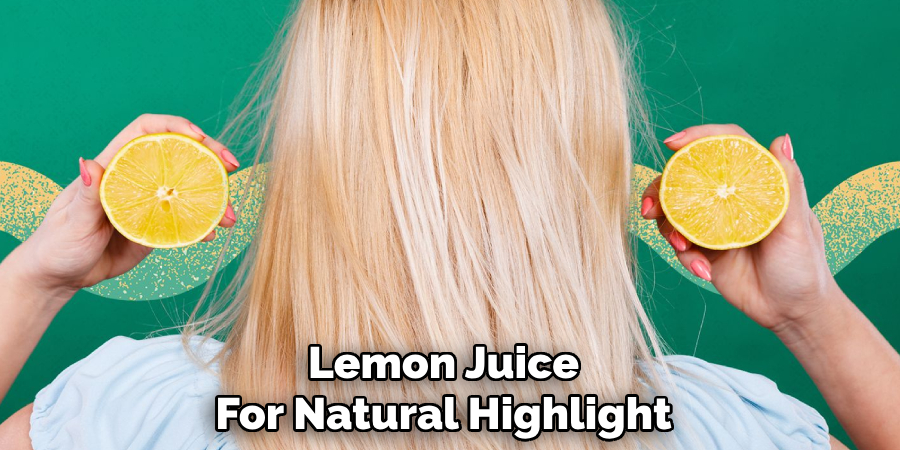
4. Lemon Juice for Natural Highlights
Lemon juice remains one of the most popular natural methods for achieving lighter hair. Squeeze the juice of fresh lemons and spray it onto your hair, focusing on areas you’d like to highlight. Spend time in the sun for the best results, then rinse thoroughly.
Note:
Avoid overuse, as the acidity in lemon juice can dry out your hair. Follow up with a deep conditioner.
5. Black Tea for Dark Tones
Want to deepen your natural brown or black hair subtly? Black tea works wonders. Simply steep several teabags to create a strong brew. Apply the cooled tea to your hair, leave it on for an hour or more, and rinse. It can also help cover the first signs of gray.
Pro Tip:
Combine black tea with sage for an even darker effect.
6. Henna for Vibrant Reds and Browns
Henna—a plant-based dye—has been used for centuries to color hair. Purchase pure, quality henna powder, mix it with water or tea to create a paste, and apply it to your hair. Leave it on for several hours for a rich, long-lasting red or brown tint.
Warning:
Henna is permanent and may not be easy to alter or remove later. Test on a small section first!
7. Carrot Juice for Warm Tones
For a soft orange or coppery tint, carrot juice is a natural and nourishing option. Apply fresh carrot juice to your hair, wrap it, and leave it on for at least an hour before rinsing. Combine with beet juice for a deeper, reddish-orange effect.
Bonus:
Carrot juice is packed with vitamins, giving your hair a health boost too!
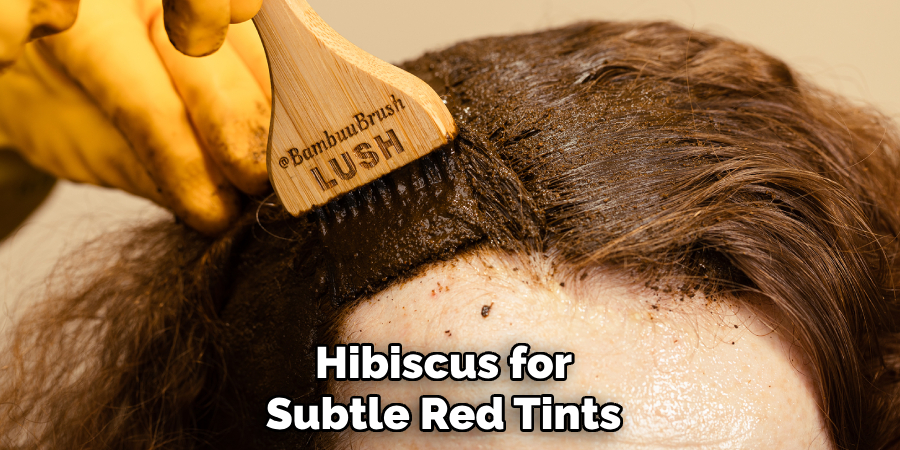
8. Hibiscus for Subtle Red Tints
Hibiscus flowers are perfect for adding a subtle red or pinkish hue. Brew hibiscus flower tea or blend fresh petals into a paste. Apply it to your hair, leave it on for an hour, and rinse thoroughly.
Beauty Hack:
Mix hibiscus with coconut oil for added hydration while coloring.
9. Walnut Shells for Deep Brown Shades
Crushed walnut shells produce a rich brown dye perfect for enhancing darker shades. Boil the shells to create a concentrated liquid, allow it to cool, and apply it to your hair. Leave it on for an hour before rinsing.
Tip:
Be cautious—it can stain skin and surfaces. Use gloves and apply carefully.
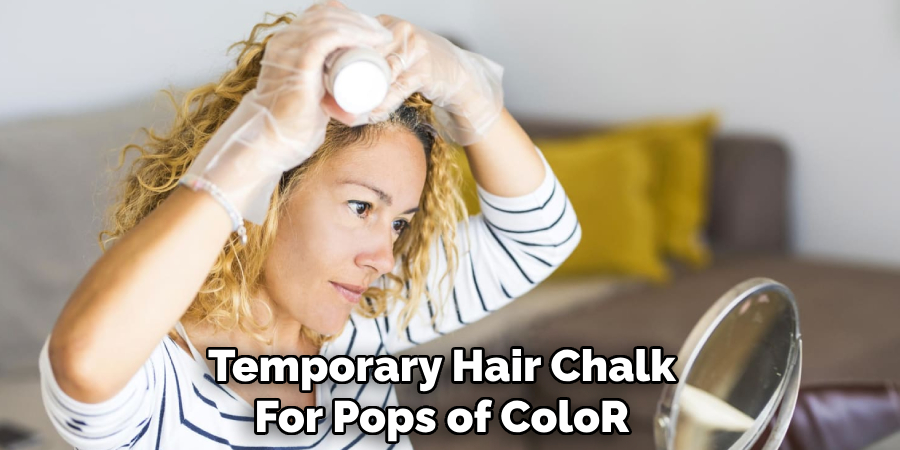
10. Temporary Hair Chalk for Pops of Color
For a quick splash of color without commitment, hair chalk is a fun option. Simply select your desired shade, dampen your hair slightly, and rub the chalk onto sections of your choice. This option works particularly well for bold, bright colors like pinks and blues and washes out after one shampoo.
Perfect For:
Special occasions, events, or trying out a bold new look for a day.
Things to Consider When Using Natural Hair Dyes
When experimenting with natural hair dyes, there are a few important factors to keep in mind to ensure the best results and protect your hair’s health.
- Allergies and Skin Sensitivities: Always perform a patch test before applying any natural ingredient to your entire head of hair. Even natural substances like henna or lemon juice can cause adverse reactions for some individuals.
- Hair Type and Texture: Different hair types absorb color differently. For example, coarse or curly hair might take longer to show results compared to fine or straight hair.
- Starting Hair Color: The effectiveness of natural dyes depends heavily on your original hair color. For instance, chamomile tea will yield more noticeable results on blonde hair than on darker shades.
- Application Frequency: Natural dyes tend to be less potent than commercial dyes and often require multiple applications to achieve the desired effect. Be patient and persistent for optimal results.
- Post-Treatment Care: Natural dyes can sometimes leave hair feeling dry. Make sure to follow up with a nourishing conditioner or hair mask to lock in moisture and maintain softness.
- Potential Staining: Ingredients like beet juice, henna, or walnut shells can stain not only your hair but also your skin, clothes, and surfaces. Always wear gloves, protect your workspace, and use old towels or covers.
- Longevity of Results: Keep in mind that many natural hair dyes are temporary and fade with washing. If you’re looking for a more durable option, henna or indigo may be better suited to your goals.
By considering these points, you can enjoy a safer, more enjoyable natural hair-dyeing experience while achieving beautiful, customized results.
Conclusion
Natural hair dyes offer a gentle, eco-friendly alternative to chemical dyes, enabling you to experiment with colors while nourishing your hair. From subtle highlights with chamomile or lemon juice to vibrant tones achieved with henna or carrot juice, these methods provide versatility for every hair color and preference. While the results may vary depending on your hair type and starting color, the process can be both rewarding and fun.
By taking precautions like patch testing, protecting your skin and surroundings, and following up with proper hair care, you can safely explore the world of natural hair dyeing. So, there you have it – a quick and easy guide on how to dye your hair without hair dye.

About the Author
Jane Hubbard is a passionate beauty expert with a wealth of experience in makeup, hair, and overall beauty techniques. After years of working as a hairdresser specialist, she followed her entrepreneurial spirit and started her own consultancy business.
Jane has always been driven by her desire to help others feel confident in their own skin, and she does this by sharing her knowledge, experiences, and practical beauty tips. Through her consultancy, she empowers individuals to embrace their unique beauty, offering tailored guidance that boosts both self-esteem and personal style.
Professional Focus
- Specializes in makeup, hairstyling, and beauty consulting.
- Provides personalized beauty advice, tips, and techniques to help individuals feel confident in their appearance.
- Dedicated to staying up-to-date with the latest industry trends and developments.
- Passionate about creating a comfortable and empowering experience for every client.
Education History
- University of Craft and Design – Bachelor of Fine Arts (BFA) in Woodworking and Furniture Design
- Woodworking Apprenticeships – Extensive hands-on training with skilled craftsmen to refine carpentry and furniture making techniques
- Online Courses & Masterclasses – Continued education in advanced woodworking techniques, design principles, and specialized tools
Expertise:
- Makeup artistry, hairstyling, and beauty consulting.
- Personalized beauty techniques to enhance confidence and self-expression.
- Educating clients on how to maintain their beauty routines at home.