

Getting a new tattoo is an exciting experience, but the process doesn’t end when the needle stops. Before you can fully admire your fresh ink, there’s often a faint purple or blue outline left behind from the stencil. This transfer ink is a crucial guide for your artist, but once the tattoo is done, you want it gone.
While it usually fades on its own, sometimes stubborn traces remain. If you’re wondering how to get tattoo stencil ink off skin without irritating your new artwork, you’re in the right place. This guide will provide safe, simple, and effective methods to clean the area, ensuring your new tattoo is the only thing on display.
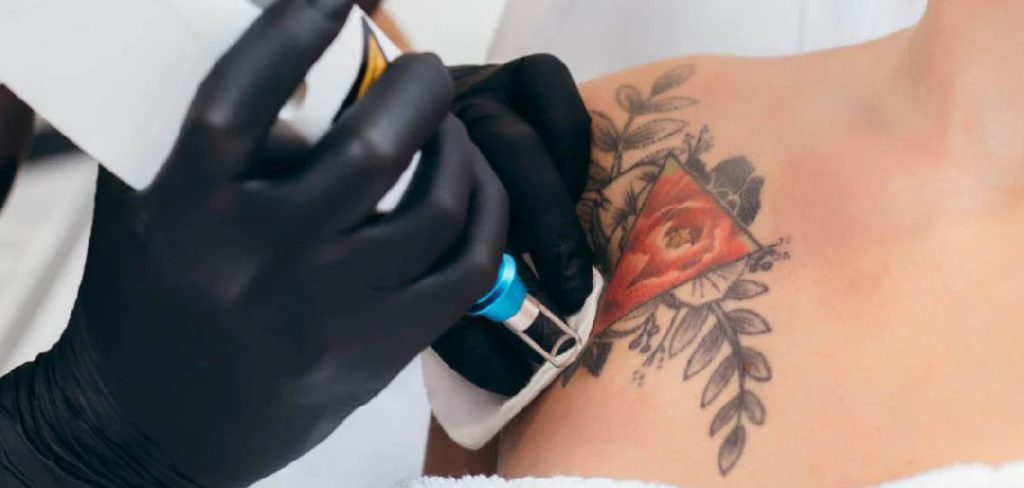
Tattoo stencil ink can linger on the skin after a session, often causing frustration for those eager to showcase their fresh piece of art. Properly removing this residue requires a gentle approach to protect your healing skin and avoid any risk of irritation. Using the right techniques and products, you can safely clean your skin while ensuring your tattoo heals beautifully.
Why Removing Tattoo Stencil Ink Is Important
Removing leftover stencil ink is more than just an aesthetic step; it’s a key part of the initial tattoo aftercare process. A clean tattoo is crucial for proper healing. Leaving stencil residue, sweat, and plasma on the skin can create an environment where bacteria might thrive, increasing the risk of infection.
For tattoo artists, presenting a clean, finished piece to their client for that first look and for photos is a mark of professionalism. It allows the true colors and sharp lines of the tattoo to shine without the distraction of a blurry purple haze. For the client, properly cleaning the area ensures that the aftercare products applied afterward can work effectively on a fresh surface, promoting a smooth and healthy healing journey from day one.
Step-by-Step Guide: How to Get Tattoo Stencil Ink Off Skin
Step 1: Wait for Your Artist’s Go-Ahead
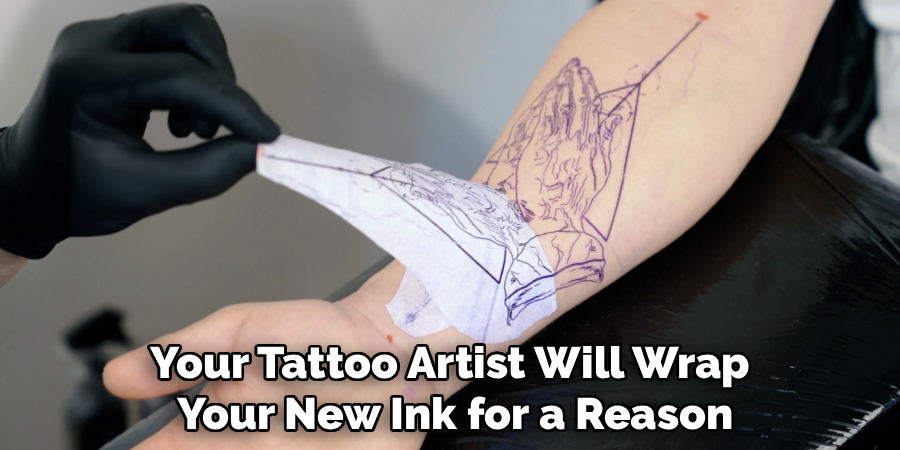
Patience is the first rule of tattoo aftercare. Your tattoo artist will wrap your new ink for a reason: to protect it during the most vulnerable initial hours. This covering keeps airborne bacteria away and allows the skin to begin its healing process. Your artist will give you specific instructions on how long to keep the wrap on, which typically ranges from a few hours to a full day.
Attempting to remove the stencil ink before this time can introduce contaminants to an open wound and disrupt the healing process. Trust your artist’s expertise and wait for their recommended time before you uncover and clean your tattoo for the first time.
Step 2: Wash Your Hands Thoroughly
Before you even think about touching your new tattoo, the most critical step is to wash your hands. Your hands carry countless germs and bacteria that you don’t want anywhere near your fresh ink. Use an antibacterial soap and warm water, and scrub your hands for at least 20 seconds, making sure to clean under your fingernails and between your fingers.
This simple action significantly reduces the risk of introducing harmful pathogens to the area, which could lead to a painful infection and affect the final look of your tattoo. Proper hygiene is the foundation of a successful tattoo healing process, so never skip this step.
Step 3: Gently Wash the Tattooed Area
Once your hands are clean, you can proceed with washing the tattoo. Use lukewarm water, as hot water can open your pores and cause ink to leach out, while very cold water can be a shock to the sensitive skin. Apply a small amount of fragrance-free, antibacterial soap to your hand and create a gentle lather. Using only your fingertips, lightly wash the tattooed area in a circular motion. Do not use a washcloth, loofah, or sponge, as these are too abrasive and can harbor bacteria. The goal is to gently remove any dried blood, plasma, and surface-level stencil ink without scrubbing or irritating the skin.
Step 4: Use Rubbing Alcohol Sparingly for a Stubborn Stain
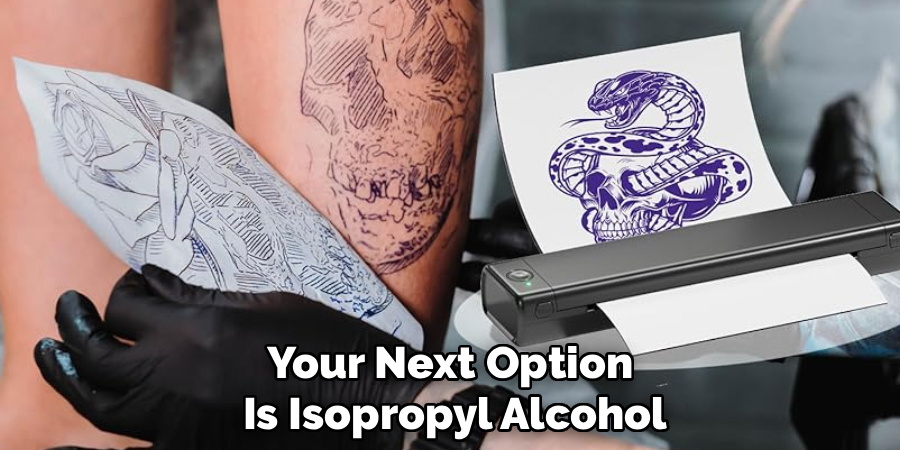
If a gentle wash doesn’t remove all the stencil residue, your next option is isopropyl alcohol (rubbing alcohol). However, this method must be used with extreme caution. Alcohol is very drying and can be harsh on a fresh tattoo, so it should be a last resort. Lightly dampen a paper towel or a soft, clean cloth with a small amount of alcohol. Very gently dab—do not rub—the specific spots where the stencil ink remains. The goal is to lift the ink, not to scrub the skin. This technique is often the most effective method for how to get tattoo stencil ink off skin when soap and water fail.
Step 5: Try Witch Hazel as a Gentler Alternative
For those with sensitive skin or who are wary of using alcohol, witch hazel is an excellent alternative. It is a natural astringent with anti-inflammatory properties that can help clean the skin without being overly harsh. Like with the alcohol method, apply a small amount of witch hazel to a clean paper towel or cotton pad. Gently pat the stained areas to lift the stubborn stencil ink. Witch hazel can help soothe the skin while effectively breaking down the pigments in the transfer ink. This approach is much kinder to your healing tattoo and can help reduce some of the initial redness and irritation around the fresh ink.
Step 6: Pat the Area Dry Carefully
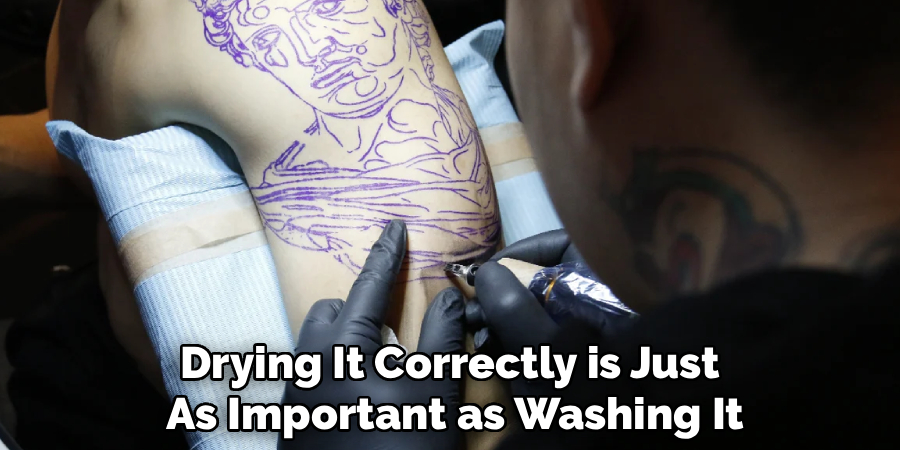
After washing and treating the area, drying it correctly is just as important as washing it. Grab a clean, dry paper towel and gently pat the tattoo until it is completely dry. Avoid using a regular bath towel, as even clean ones can harbor bacteria and their looped texture can snag on the healing skin, causing irritation. Rubbing the area can be abrasive and damaging, so a gentle patting motion is essential. Ensuring the skin is fully dry prevents moisture from being trapped under your aftercare lotion, which could hinder the healing process. This careful step protects your investment and prepares it for moisturizing.
Step 7: Apply a Thin Layer of Aftercare Ointment
With the tattoo clean and dry, the final step is to apply a tattoo-specific aftercare product. Use a very thin layer of the lotion or balm recommended by your artist. Applying too much can suffocate the skin, clogging pores and trapping moisture, which can lead to healing complications like scabs becoming too soft. A light layer is all that’s needed to keep the skin hydrated, nourished, and protected. Gently rub the ointment in until it’s fully absorbed. This not only aids in healing but also creates a protective barrier for your beautifully clean tattoo.
Frequently Asked Questions
Will the Stencil Ink Stain My Skin Permanently?
No, tattoo stencil ink is not permanent. It is designed to be a temporary guide for the artist. While it can be stubborn, the ink rests on the top layers of your skin and will naturally fade and exfoliate away within a few days, even without special treatment.
Can I Use Coconut Oil to Remove Stencil Ink?
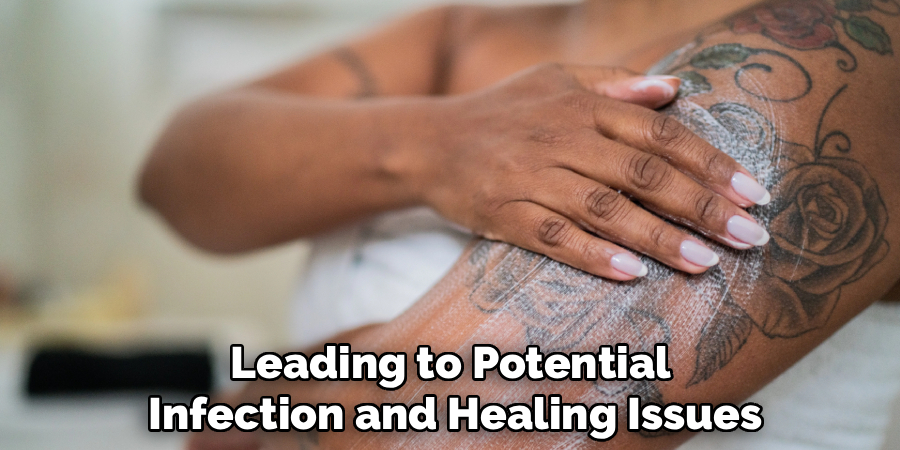
It is best to avoid oil-based products like coconut oil on a fresh tattoo. While oil can break down ink, it can also clog pores and trap bacteria, leading to potential infection and healing issues. Stick to artist-recommended cleansers and aftercare products for the best results.
Is It Safe to Scrub the Stencil Ink Off?
Absolutely not. Scrubbing a fresh tattoo is one of the worst things you can do. It can damage the healing skin, pull out fresh ink, lead to excessive scabbing, and increase the risk of infection and scarring. Always be gentle and use patting motions when cleaning or treating the area.
How Long Does It Take for Stencil Ink to Come Off Naturally?
Most stencil ink will come off during the first one or two washes. Any faint, lingering traces will typically disappear on their own within two to three days as your skin goes through its natural process of shedding dead cells. Patience is key; it will fade.
What if the Stencil Ink Won’t Come Off After a Few Days?
If the stencil ink is unusually stubborn and persists after several days of gentle washing, contact your tattoo artist. Do not resort to harsh chemicals or abrasive scrubbing. Your artist can provide advice tailored to your situation and may have a professional product or technique to recommend.
Conclusion
Seeing your new tattoo clean and vibrant for the first time is a rewarding moment. While stubborn stencil ink can be a minor annoyance, removing it is a straightforward process when done with care and patience. By following gentle washing techniques, using products like rubbing alcohol or witch hazel sparingly, and prioritizing the health of your healing skin, you can effectively clear away any residue. Remember, the primary goal is to protect your new artwork from damage and infection. Mastering how to get tattoo stencil ink off skin is an early step in a successful aftercare routine that will ensure your tattoo looks its best for years to come.

About the Author
Jane Hubbard is a passionate beauty expert with a wealth of experience in makeup, hair, and overall beauty techniques. After years of working as a hairdresser specialist, she followed her entrepreneurial spirit and started her own consultancy business.
Jane has always been driven by her desire to help others feel confident in their own skin, and she does this by sharing her knowledge, experiences, and practical beauty tips. Through her consultancy, she empowers individuals to embrace their unique beauty, offering tailored guidance that boosts both self-esteem and personal style.
Professional Focus
- Specializes in makeup, hairstyling, and beauty consulting.
- Provides personalized beauty advice, tips, and techniques to help individuals feel confident in their appearance.
- Dedicated to staying up-to-date with the latest industry trends and developments.
- Passionate about creating a comfortable and empowering experience for every client.
Education History
- University of Craft and Design – Bachelor of Fine Arts (BFA) in Woodworking and Furniture Design
- Woodworking Apprenticeships – Extensive hands-on training with skilled craftsmen to refine carpentry and furniture making techniques
- Online Courses & Masterclasses – Continued education in advanced woodworking techniques, design principles, and specialized tools
Expertise:
- Makeup artistry, hairstyling, and beauty consulting.
- Personalized beauty techniques to enhance confidence and self-expression.
- Educating clients on how to maintain their beauty routines at home.