

We’ve all been there. It’s day two (or three) since your last hair wash, and while it might still look decent, it doesn’t have that fresh, clean scent anymore.
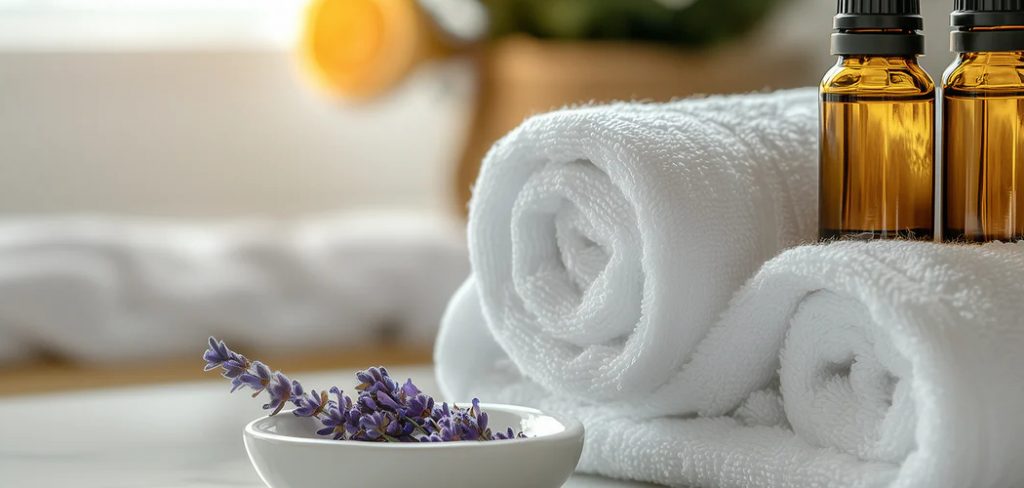
Life gets busy, and daily hair washing isn’t always practical or even healthy for your hair. The challenge is keeping your locks smelling as good as they look. Unpleasant hair odor can be caused by a buildup of sweat, oils, and environmental pollutants. But don’t worry, maintaining fragrant, fresh-smelling hair between washes is easier than you think.
This guide on how to keep hair smelling good between washes will walk you through everything you need to know, from simple daily habits to effective products that can make a world of difference.
What Will You Need?
You don’t need a whole new cabinet of products to keep your hair smelling fresh. Here are a few key items that will make a big difference:
- Dry Shampoo: A must-have for absorbing excess oil and adding a fresh scent.
- Hair Perfume or Mist: Specifically designed to be lightweight and safe for hair, these provide a long-lasting fragrance.
- Scalp Scrub: Use this on wash days to exfoliate and deeply cleanse your scalp, preventing buildup.
- Clarifying Shampoo: Incorporate this into your routine once or twice a month to remove product residue.
- Essential Oils (e.g., lavender, tea tree): A natural way to add scent and provide antibacterial benefits.
- Silk or Satin Pillowcase: Reduces friction and doesn’t absorb your hair’s natural oils like cotton does.
- A Clean Hairbrush: Crucial for distributing oils and not transferring dirt back into your hair.
10 Easy Steps on How to Keep Hair Smelling Good Between Washes
Step 1: Start with a Thoroughly Clean Scalp
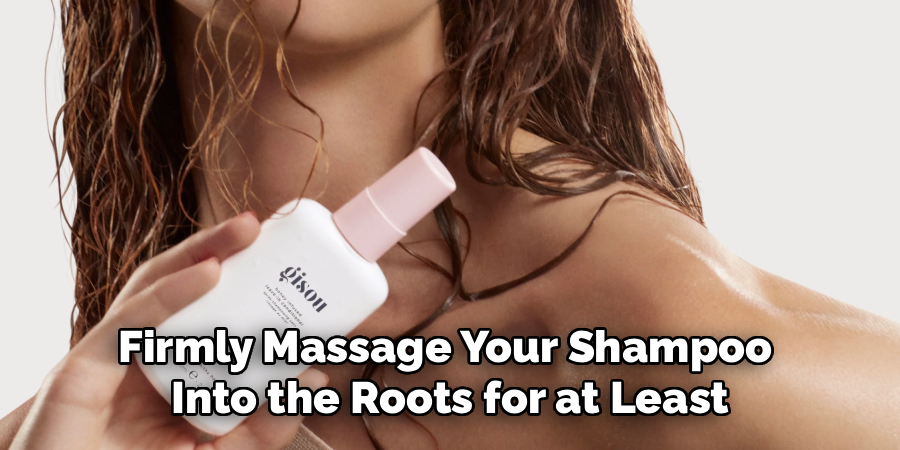
The foundation of fresh-smelling hair begins in the shower. If your scalp isn’t properly cleansed, oil, sweat, and product buildup will accumulate quickly, leading to unpleasant odors. When you wash your hair, focus your attention on the scalp. Use your fingertips (not your nails) to gently but firmly massage your shampoo into the roots for at least 60 seconds. This massaging action helps to break down oils and lift away dead skin cells and grime. If you have an oily scalp or use a lot of styling products, consider a double-cleansing method.
Step 2: Choose Scented Hair Products Wisely
The products you use on wash day can significantly impact how your hair smells in the following days. Opt for shampoos, conditioners, and leave-in treatments with fragrances you enjoy. Many hair care lines offer products with complementary scents that layer well together, creating a more complex and long-lasting fragrance. Look for descriptions like “fresh,” “botanical,” or “citrus” for a clean aroma.
However, be mindful of overpowering scents that might clash with your perfume or become cloying over time. It’s also important to choose products formulated for your hair type. Heavy, oil-based products can weigh down fine hair and contribute to a greasy feeling and smell, while lighter formulas might not provide enough moisture for dry or coarse hair. A balanced approach ensures your hair is not only scented but also healthy and manageable.
Step 3: Use Dry Shampoo Proactively
Dry shampoo is an essential tool for keeping hair fresh, but its effectiveness depends on how you use it. Many people wait until their hair is already visibly oily to apply it, but a proactive approach works much better. The best time to use dry shampoo is before your hair gets greasy, such as on the night of day two or the morning of day three. Applying it before bed is particularly effective.
As you sleep, the dry shampoo has ample time to absorb the oils and sweat your scalp produces overnight. This prevents you from waking up with greasy, smelly hair. When you apply it, lift sections of your hair and spray the product directly at the roots from about six inches away. Let it sit for a few minutes to allow it to work its magic, then use your fingers to massage it into your scalp, just as you would with regular shampoo. Finally, brush through your hair to distribute the product evenly and remove any white residue.
Step 4: Introduce a Hair Perfume or Mist
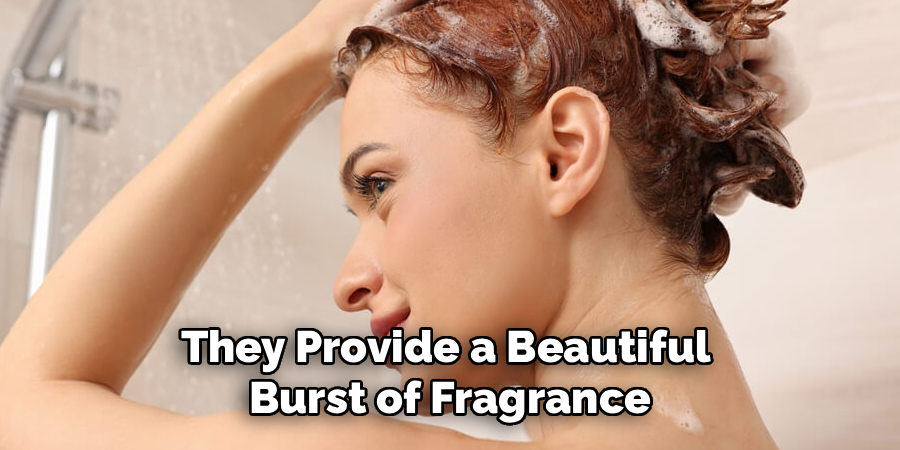
While regular perfume might seem like a quick fix, its alcohol content can be incredibly drying and damaging to your hair strands. Hair perfumes or mists are the perfect alternative. These products are specifically formulated to be lightweight, non-drying, and safe for your hair. They provide a beautiful burst of fragrance without compromising your hair’s health. To use a hair mist, hold the bottle about eight to ten inches away from your head and spritz it lightly over the mid-lengths and ends of your hair.
Step 5: Clean Your Hair Tools Regularly
Your hairbrush, combs, and heat styling tools can be breeding grounds for bacteria, old product residue, and shed skin cells. If you use a dirty brush on clean hair, you are essentially transferring all that grime right back onto your scalp and strands, which can quickly lead to an unpleasant smell. Make it a habit to clean your brushes and combs at least once a week. Remove any trapped hair, then wash them with a small amount of clarifying shampoo and warm water. For heat tools like flat irons and curling wands, wipe them down with a damp cloth or a cotton pad soaked in rubbing alcohol when they are cool and unplugged.
Step 6: Protect Your Hair from Environmental Odors
Your hair acts like a sponge, absorbing odors from your environment. Strong smells from cooking (like garlic or fried foods), cigarette smoke, and city pollution can all cling to your hair and linger. To prevent this, take protective measures. When you’re cooking something particularly aromatic, tie your hair up and cover it with a scarf or a shower cap. If you’re going to be in a smoky environment, do the same. This physical barrier prevents the odor particles from settling into your hair fibers.
Step 7: Refresh Your Scalp with Essential Oils
Certain essential oils not only smell wonderful but also possess natural antibacterial and antifungal properties that can help keep your scalp clean and fresh. Tea tree oil, lavender oil, and peppermint oil are excellent choices. However, you should never apply pure essential oils directly to your scalp, as they can be irritating. Instead, dilute them properly. Add a few drops to a carrier oil like coconut or jojoba oil and massage it into your scalp, or mix a couple of drops into a spray bottle filled with water to create a refreshing scalp tonic.
Step 8: Sleep on a Silk or Satin Pillowcase
The type of pillowcase you sleep on can have a surprising impact on your hair’s freshness. Cotton pillowcases are highly absorbent, meaning they soak up the natural oils from your hair and any products you’ve applied. This can leave your hair dry and cause a buildup of oil and bacteria on the pillowcase itself, which then transfers back to your hair night after night. Silk or satin pillowcases are a much better option. Their smooth surface creates less friction, which reduces frizz and breakage.
Step 9: Pay Attention to Your Diet and Hydration
What you put into your body can affect how your scalp and hair smell. Certain foods with strong aromas, such as garlic, onions, and some spices, contain compounds that can be released through the oil glands in your scalp. While you don’t need to eliminate these foods, being mindful of your intake can help if you’re struggling with persistent hair odor. On the other hand, staying well-hydrated by drinking plenty of water helps to flush toxins from your body and maintain a healthy balance, which can contribute to a cleaner scalp.

Step 10: Let Your Hair Breathe
Finally, one of the simplest ways to keep your hair fresh is to let it breathe. Constantly wearing tight hats, beanies, or restrictive hairstyles like tight ponytails and buns can trap sweat and oil against your scalp. This warm, moist environment is perfect for odor-causing bacteria to thrive. Whenever possible, let your hair down and allow air to circulate freely through the roots. When you exercise, be sure to let your hair down afterward to allow sweat to evaporate instead of trapping it against your scalp.
5 Things You Should Avoid
To keep your hair smelling its best, it’s just as important to know what not to do. Here are five common habits to avoid:
- Touching Your Hair Too Much: Your hands carry oils, dirt, and bacteria. Constantly running your fingers through your hair transfers this grime to your strands and scalp, making it greasy and smelly faster.
- Using Regular Perfume on Your Hair: The high alcohol content in most body perfumes is very drying and can damage your hair. Stick to mists specifically formulated for hair.
- Going to Bed with Wet Hair: A damp scalp pressed against a pillow all night creates a warm, moist environment that is a perfect breeding ground for bacteria and fungi, which can lead to a musty, mildew-like smell.
- Overusing Heavy, Oily Products: While moisturizing products are great, using too much heavy oil, cream, or serum can weigh your hair down, attract dirt, and quickly turn rancid, causing an unpleasant odor.
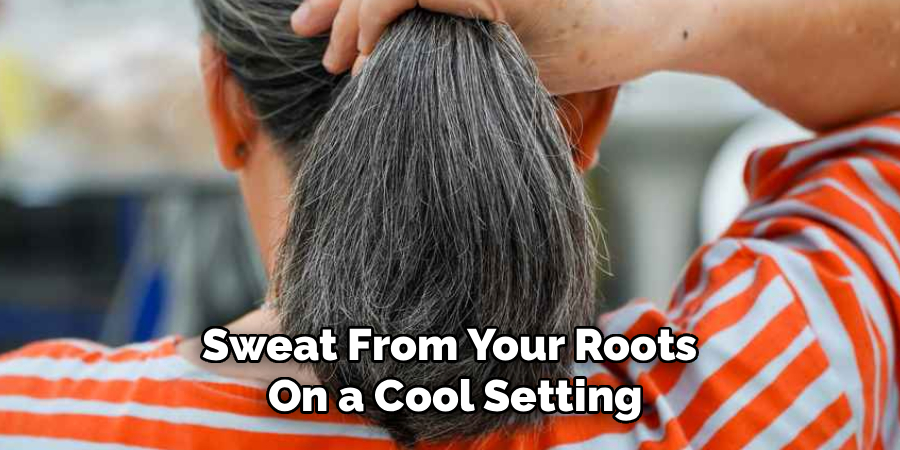
- Skipping a Post-Workout Refresh: Sweat is a primary cause of hair odor. After exercising, if you don’t have time to wash your hair, at least blow-dry the sweat from your roots on a cool setting and apply some dry shampoo to absorb moisture and odor.
Conclusion
How to keep hair smelling good between washes is entirely achievable with a few adjustments to your routine.
By starting with a clean scalp, using the right products proactively, and avoiding common mistakes, you can extend the life of your wash and enjoy fragrant hair every day. It’s not about masking odors but about creating a healthy environment for your scalp and hair to thrive.
So go ahead, embrace these tips, and enjoy the confidence that comes with knowing your hair smells as amazing as it looks.

About the Author
Jane Hubbard is a passionate beauty expert with a wealth of experience in makeup, hair, and overall beauty techniques. After years of working as a hairdresser specialist, she followed her entrepreneurial spirit and started her own consultancy business.
Jane has always been driven by her desire to help others feel confident in their own skin, and she does this by sharing her knowledge, experiences, and practical beauty tips. Through her consultancy, she empowers individuals to embrace their unique beauty, offering tailored guidance that boosts both self-esteem and personal style.
Professional Focus
- Specializes in makeup, hairstyling, and beauty consulting.
- Provides personalized beauty advice, tips, and techniques to help individuals feel confident in their appearance.
- Dedicated to staying up-to-date with the latest industry trends and developments.
- Passionate about creating a comfortable and empowering experience for every client.
Education History
- University of Craft and Design – Bachelor of Fine Arts (BFA) in Woodworking and Furniture Design
- Woodworking Apprenticeships – Extensive hands-on training with skilled craftsmen to refine carpentry and furniture making techniques
- Online Courses & Masterclasses – Continued education in advanced woodworking techniques, design principles, and specialized tools
Expertise:
- Makeup artistry, hairstyling, and beauty consulting.
- Personalized beauty techniques to enhance confidence and self-expression.
- Educating clients on how to maintain their beauty routines at home.