

Are you tired of knitted scarves and hats that start to unravel before you even finish knitting them? Or have you ever worn a knit sweater only to find holes where the yarn has come loose?
Keeping twist from unraveling is an essential skill for knitters and crocheters to master. Whether you’re working on a delicate lace shawl or a cozy sweater, ensuring that your twists remain intact is crucial for maintaining your project’s structural integrity and overall appearance. This section will explore practical techniques and tips to help you keep your twists secure and prevent any unwanted unraveling.
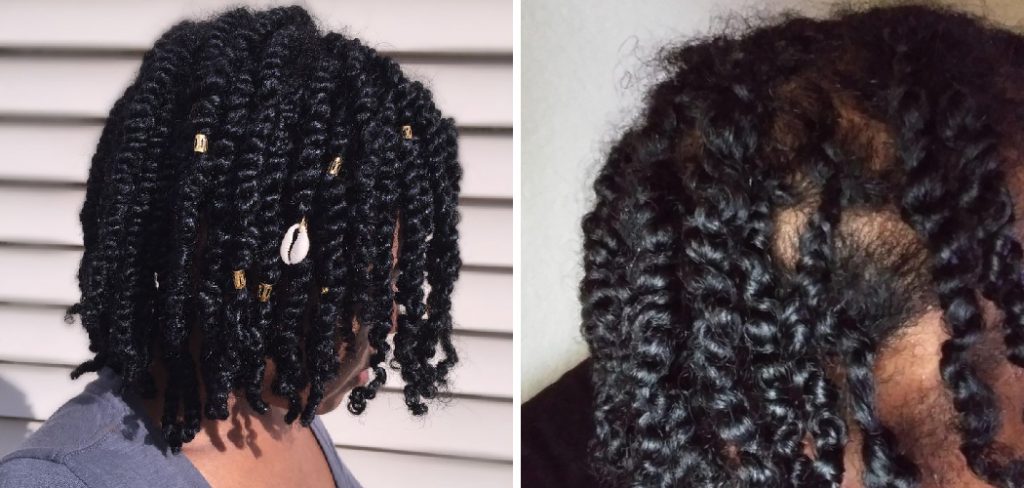
By implementing these strategies on how to keep twist from unraveling, you can confidently create beautiful and durable knitted or crocheted pieces that will stand the test of time. Let’s dive in and unravel the secrets to twist preservation!
What Are the Benefits of Keeping Twist Intact?
Before we dive into the techniques for keeping twist from unraveling, let’s first understand why it is so important. Maintaining a twist in your knitting or crocheting has several benefits that make it worthwhile.
- Structural Integrity: The twists in yarn create a strong and stable fabric. When these twists are lost, the fabric can become weak and prone to stretching and distorting.
- Aesthetics: Twisted yarn creates a smoother, cleaner appearance in knitted or crocheted pieces. With proper twist maintenance, your project may look good and neat.
- Durability: Knitting or crocheting with twisted yarn produces a more durable finished product. The twists help the yarn hold against wear and tear, preventing holes and snags from forming.
- Ease of Use: Yarn with a maintained twist is more effortless, as it stays in place and doesn’t tangle or split as easily.
Now that we know why keeping the twist intact is vital, let’s explore some practical tips for achieving this in your projects.
What Will You Need?
Before we get into the techniques, here are a few tools and materials that will come in handy for maintaining twist:
- Yarn: As apparent as it may seem, high-quality yarn is crucial for keeping the twist intact. Cheap or low-quality yarn tends to have less twist and can quickly come undone.
- Needles/Hooks: Choose needles or hooks appropriate for your project’s yarn weight. Using the wrong size can cause excess tension or looseness, resulting in lost twists.
- Stitch Markers: These small plastic or metal rings can help you keep track of specific stitches or sections in your project, making it easier to spot any changes in twists along the way.
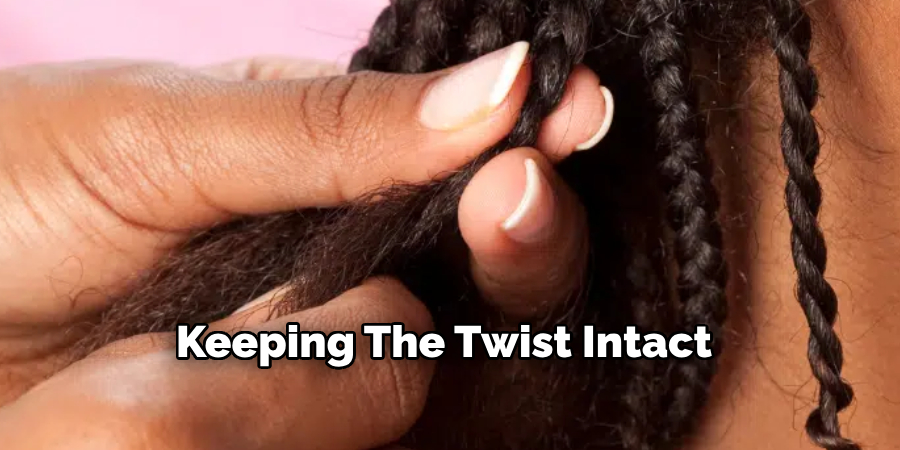
Once these materials are ready, it’s time to implement twist-maintenance techniques!
8 Easy Steps on How to Keep Twist From Unraveling
Step 1: Start with a Firm Foundation.
To set a strong foundation for your project and prevent twists from unraveling, it’s essential to begin with a secure base. Here’s how:
- Cast On with Care: Pay attention to your cast-on method, ensuring that it provides a stable and even edge. Experiment with different cast-on techniques to find the one that best suits your project and minimizes the risk of twist unraveling.
- Use a Foundation Row: Consider starting your project with a foundation row if your pattern allows. This additional row can provide extra stability and help anchor the twist.
- Take Time to Straighten Yarn: Before you begin knitting or crocheting, take a moment to straighten the yarn and remove any potential tangles or twists. This will ensure a smooth and uniform start, reducing the chances of twist issues later.
By starting your project with a firm foundation, you’ll create a solid base that sets the stage for a successful and twist-free journey.
Step 2: Secure Your Stitches with Proper Tension.
Maintaining consistent tension is vital to prevent twists from unraveling. Keep your stitches neither loose nor tight, aiming for a tension that ensures the yarn stays secure. Avoid pulling the yarn excessively, as it can stretch the fibers and compromise the integrity of the twist. Practice maintaining an even tension throughout your project, adjusting as needed to achieve the desired result.
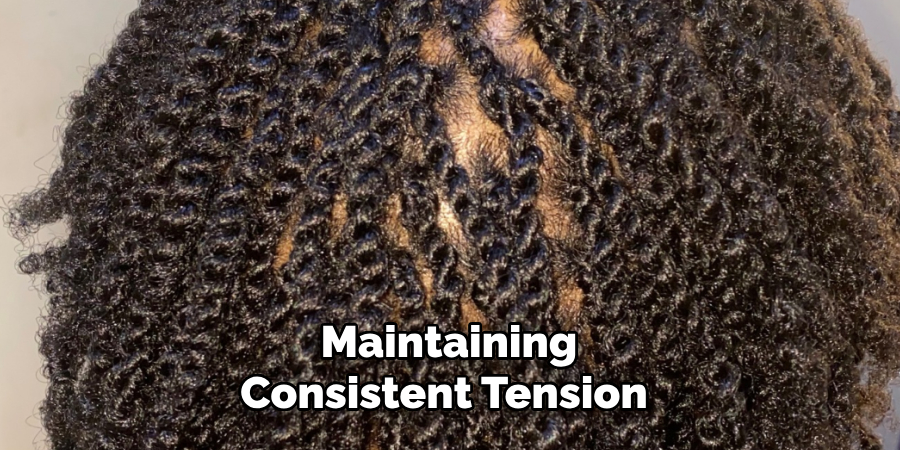
Additionally, consider using stitch markers strategically to mark specific areas where maintaining twist is crucial. These markers act as visual cues, helping you identify any potential changes in tension and address them promptly.
Step 3: Handle Yarn with Care.
As you work on your project, handle the yarn gently. Excessive pulling, tugging, or twisting can cause the twist to loosen and eventually unravel. Instead, keep a relaxed grip on the yarn and use smooth movements while knitting or crocheting.
Paying attention to how you hold your working yarn is also essential. Some knitters or crocheters may unintentionally twist the yarn as they work, resulting in a lost twist in their projects. Experiment with different techniques until you find one that allows you to maintain an optimal twist.
Step 4: Knit/Crochet Consistently.
Consistency is key in maintaining the twist in your knitting or crochet projects. Keeping a steady rhythm and tension throughout your work ensures that the twist remains intact and the final result is uniform and professional-looking.
Establishing a regular knitting or crochet routine is one way to achieve consistency. Set aside dedicated time each day or week to work on your project, allowing yourself to get into a rhythm and maintain a consistent pace. This will help you develop muscle memory and improve your technique, leading to more consistent stitches and tension.
Another important consistency aspect is using the same tools and materials throughout your project. Stick to the same brand and type of yarn, as fiber content and thickness variations can affect the tension and twist. Similarly, use the same size of knitting needles or crochet hooks to ensure consistent stitch sizes.
Step 5: Finishing Touches and Block Your Project
The final step in maintaining the twist in your knitting or crochet projects is adding finishing touches and blocking your work. After completing your project, take the time to weave in loose ends and secure them, ensuring that the overall appearance is neat. This attention to detail enhances the professional look of your finished piece.
Blocking is a technique to shape and set your knitted or crocheted item. It involves gently wetting the fabric, carefully stretching it to the desired shape and measurements, and allowing it to dry flat. Blocking can help even out stitches, improve drape, and enhance the overall finish of your project.
Step 6: Consider the Type of Yarn.
Some yarns are more prone to unraveling and losing twist than others. When choosing a yarn for your project, consider its composition and structure. Yarns made of multiple plies or those with a tendency to split may require extra care and attention during knitting or crocheting to maintain twists. Additionally, fibers with less natural twist, such as silk or alpaca, may require additional techniques to keep the twist intact.
Step 7: Choose the Right Stitch Pattern.
Selecting the appropriate stitch pattern is crucial when knitting or crocheting your project. Different stitch patterns create distinct textures, appearances, and stretchiness in the fabric. Consider your project’s purpose and desired outcome when deciding on the stitch pattern. For example:
- Textured Stitches: To add depth and visual interest to your project, opt for textured stitches like cables, bobbles, or popcorn stitches. These stitches create a three-dimensional effect and can be particularly suitable for items like scarves, blankets, or sweaters.
- Lace Stitches: If you aim to incorporate delicate and intricate designs into your project, lace stitches are an excellent choice. Lace patterns often feature yarnovers and decrease, resulting in an openwork fabric. They are commonly used in shawls, wraps, or lightweight garments.
- Ribbing: Ribbing stitches, such as knit-purl combinations, create a stretchy, elastic fabric. They are commonly used for cuffs, collars, and hemlines for a snug fit. The ribbing adds texture and visual interest to projects like hats, socks, or sweaters.
- Colorwork: Consider colorwork techniques like Fair Isle or intarsia to incorporate multiple colors into your project. These techniques allow you to create intricate patterns or motifs using colored yarns. Colorwork, such as hats, mittens, or blankets, can be used in various projects.
By carefully selecting the stitch pattern that aligns with your project goals, you can enhance your finished piece’s aesthetic appeal and functionality. Experiment with different stitch patterns to achieve the desired effect and bring your creative vision to life.
Step 8: Maintain the Twist
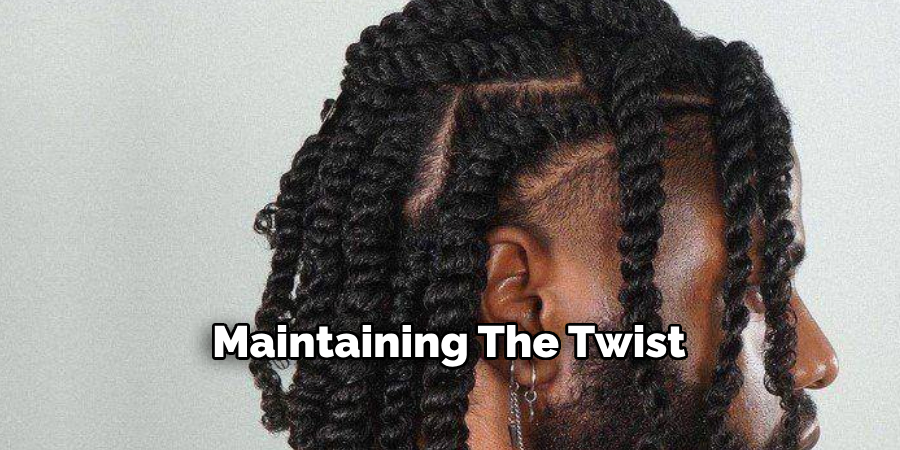
Maintaining the twist in your yarn is ongoing throughout your knitting or crochet project. Inspect your work to ensure the twist remains consistent and adjust whenever necessary. If you notice areas where the twist has weakened or been lost, consider re-twisting the yarn manually by carefully twisting the strands back together with your fingers. This minor adjustment can make a significant difference in preserving the structure of your project.
Following these steps, you can successfully maintain the twist in your knitting or crochet projects and achieve professional and consistent results.
Conclusion
Knitting and crochet are enjoyable and rewarding crafts that allow you to create unique and beautiful projects.
You can achieve consistent and professional-looking results by understanding the importance of maintaining twists in your yarn and following simple techniques. Remember to experiment with different techniques, choose the right tools and materials, and keep a routine to develop your skills further.
Hopefully, the article on how to keep twist from unraveling in knitting or crochet projects has been helpful, and you can apply these tips to your future projects. Happy crafting!
You can also check it out Keep a Rope Braid From Unraveling

About the Author
Jane Hubbard is a passionate beauty expert with a wealth of experience in makeup, hair, and overall beauty techniques. After years of working as a hairdresser specialist, she followed her entrepreneurial spirit and started her own consultancy business.
Jane has always been driven by her desire to help others feel confident in their own skin, and she does this by sharing her knowledge, experiences, and practical beauty tips. Through her consultancy, she empowers individuals to embrace their unique beauty, offering tailored guidance that boosts both self-esteem and personal style.
Professional Focus
- Specializes in makeup, hairstyling, and beauty consulting.
- Provides personalized beauty advice, tips, and techniques to help individuals feel confident in their appearance.
- Dedicated to staying up-to-date with the latest industry trends and developments.
- Passionate about creating a comfortable and empowering experience for every client.
Education History
- University of Craft and Design – Bachelor of Fine Arts (BFA) in Woodworking and Furniture Design
- Woodworking Apprenticeships – Extensive hands-on training with skilled craftsmen to refine carpentry and furniture making techniques
- Online Courses & Masterclasses – Continued education in advanced woodworking techniques, design principles, and specialized tools
Expertise:
- Makeup artistry, hairstyling, and beauty consulting.
- Personalized beauty techniques to enhance confidence and self-expression.
- Educating clients on how to maintain their beauty routines at home.