

There is nothing quite like the confidence boost a new wig can provide, but that feeling can quickly fade if it leaves your scalp feeling irritated and unbearably itchy. This is a common issue, especially for those new to wearing wigs, and it can be caused by anything from the wig material itself to product buildup or skin sensitivity. The good news is that you do not have to endure the discomfort. Relieving that scratchy sensation is often easier than you think.
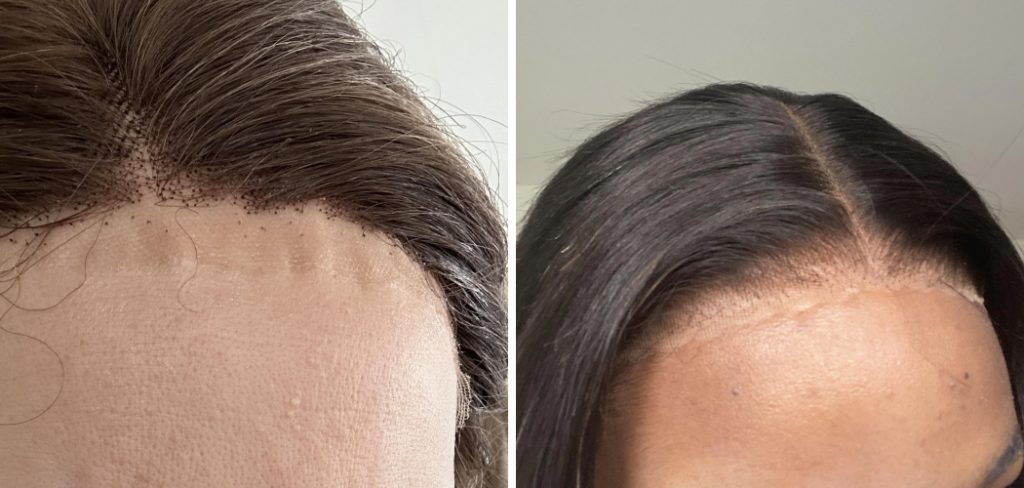
This guide will provide you with practical solutions and a step-by-step routine that explains exactly how to make a wig not itchy. By following these tips, you can enjoy your beautiful hairpiece with the comfort and ease you deserve, free from any distracting irritation.
Wearing a wig should feel empowering and comfortable, but dealing with itchiness can quickly take away from the experience. Whether you’re new to wearing wigs or a seasoned wearer, understanding the common causes of itchiness and how to address them is key to maintaining both your comfort and confidence. By making a few simple adjustments and ensuring proper wig care, you can drastically improve your overall experience and focus on enjoying your look without distractions.
7 Step-by-Step Guide on How To Make A Wig Not Itchy
Step 1: Wash Your Wig Before Wearing
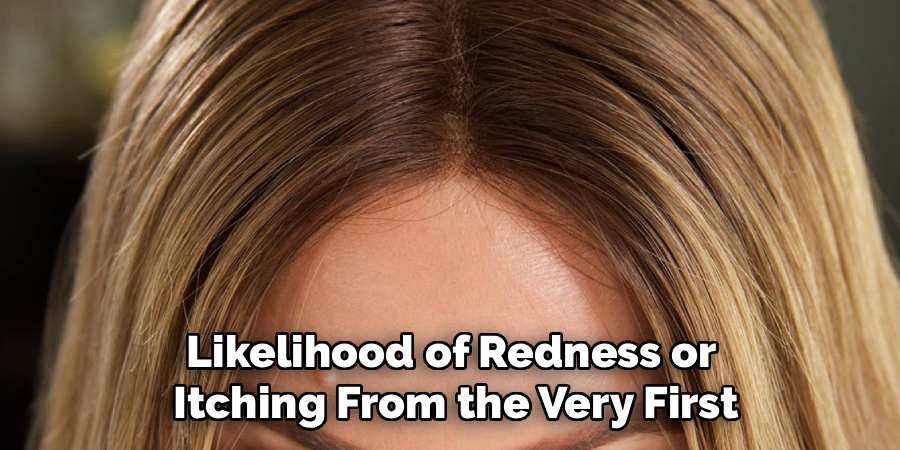
Many people assume a new wig is ready to wear straight out of the box, but manufacturers often coat the hair in chemical preservatives to keep it looking fresh during shipping and storage. These alkaline bases are a primary culprit for scalp irritation and allergic reactions. Before you even think about styling, give your unit a thorough wash with a sulfate-free shampoo or an apple cider vinegar rinse. Soaking the wig helps strip away those harsh industrial residues that cause sensitivity. By neutralizing the pH level of the hair fibers, you create a much gentler surface against your skin, significantly reducing the likelihood of redness or itching from the very first wear.
Step 2: Create a Barrier with a Wig Cap
Direct contact between the wig construction and your scalp is a recipe for friction, which leads inevitably to itchiness. Wearing a wig cap underneath is one of the most effective ways to solve this problem. Choose a cap made from breathable materials like nylon or bamboo, which are soft against the skin and allow heat to escape. This thin layer acts as a protective shield, absorbing sweat and preventing the rougher textures of the wefts or lace from rubbing directly against your sensitive scalp skin. Ensure the cap fits snugly but not too tightly, as excessive pressure can restrict blood flow and actually cause more irritation rather than preventing it.
Step 3: Moisturize Your Natural Hair and Scalp
Dryness is the enemy of comfort, and a dry scalp is an itchy scalp. Before putting on your wig cap or unit, take the time to properly hydrate your natural hair and the skin underneath. Use a lightweight leave-in conditioner or a soothing scalp oil containing ingredients like jojoba, tea tree, or peppermint oil.
These natural elements not only moisturize but also have anti-inflammatory properties that calm the skin. Massaging the oil in stimulates circulation and ensures that your scalp remains supple and hydrated throughout the day. This simple prep step creates a healthy environment that is far less prone to the flaking and dryness that often trigger severe itching episodes.
Step 4: Disinfect Your Wig Regularly
Over time, your wig collects sweat, dead skin cells, and environmental dust, all of which become breeding grounds for bacteria and fungus. This buildup is a major cause of persistent scalp irritation. To maintain hygiene, you must establish a regular cleaning schedule based on how frequently you wear the unit. Use an antibacterial spray specifically designed for wigs in between deep washes to keep the interior cap fresh.
Pay special attention to the lace front and the nape area, as these spots accumulate the most residue. Keeping the unit sanitized ensures that you aren’t reintroducing irritants to your scalp every time you put it on, which is essential when learning how to make a wig not itchy for the long term.
Step 5: Rinse With Apple Cider Vinegar
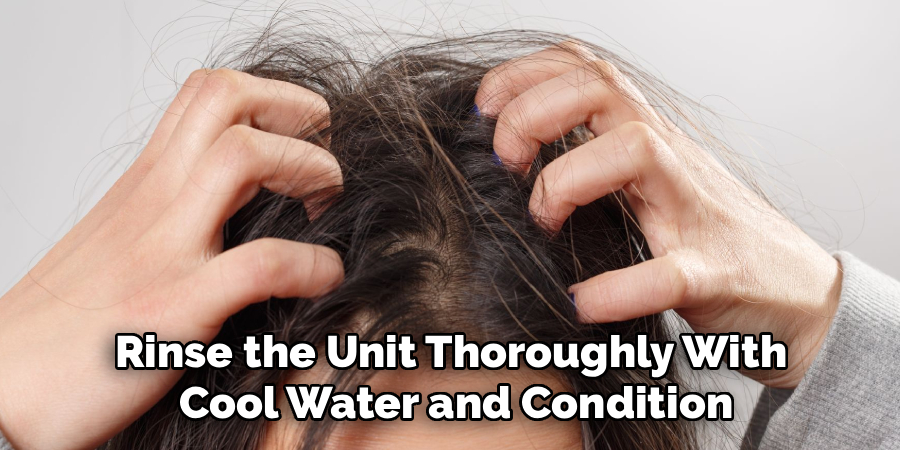
If standard washing doesn’t seem to stop the itch, an apple cider vinegar (ACV) soak is a powerful remedy for neutralizing alkaline residues. Fill a basin with warm water and add a cup of organic ACV, then submerge your wig for about 15 to 20 minutes. The acidity of the vinegar combats the high pH of the manufacturing chemicals and helps to soften the fibers of the wig cap itself. After soaking, rinse the unit thoroughly with cool water and condition it well to mask the vinegar scent. This method is particularly effective for synthetic wigs, which are heavily treated with chemicals that can be extremely harsh on sensitive skin.
Step 6: Loosen the Wig Straps
Sometimes the source of the itch isn’t chemical or material, but mechanical. A wig that is secured too tightly can trap heat and sweat against the scalp while putting unnecessary tension on your hair follicles. This pressure restricts airflow and causes the skin to become inflamed and itchy.
Check the adjustable straps at the back of your wig and loosen them slightly to allow for better circulation. The goal is a fit that is secure enough to stay in place but loose enough to be comfortable. If you rely on glues or tapes, try using less product or switching to a sensitive-skin formula, as the adhesive itself can often be a hidden source of contact dermatitis.
Step 7: Use Zinc Scalp Spray
For those with particularly sensitive skin, a specialized scalp treatment can provide immediate relief. Zinc-based sprays or scalp serums are excellent for calming inflammation and reducing the urge to scratch. Zinc is a well-known ingredient for treating skin irritations and can provide a cooling, soothing sensation upon application.
Spray a light mist directly onto your scalp before putting on your wig cap, or apply it to the inside of the wig cap itself. This adds a medicinal layer of protection that actively fights irritation throughout the day. It is a proactive measure that treats the symptoms of itchiness while you wear your style, keeping you comfortable for longer periods.
Benefits of Wig Usage
Wearing a wig offers a variety of benefits that go beyond just concealing hair loss or thinning. One of the most notable advantages is the ability to instantly transform your look without committing to permanent changes, allowing you to experiment with different hairstyles, lengths, and colors. Wigs are also a time-saving solution, as they eliminate the need for daily styling and can reduce the damage caused by heat tools or chemical treatments.
Additionally, wigs provide a protective barrier for your natural hair, promoting healthier growth by shielding it from environmental factors like sun exposure and harsh weather. For individuals undergoing medical treatments or experiencing hair loss, wigs can also boost confidence and offer a sense of normalcy, enhancing overall well-being.

Frequently Asked Questions
How Often Should I Wash My Wig To Prevent Itching?
You should wash your wig every 7 to 10 wears, or more frequently if you use heavy styling products or sweat profusely. Regular washing removes dirt, oil, and product buildup that irritates the scalp. If you wear the wig daily, a weekly wash is ideal for maintaining hygiene and comfort.
Can Wig Glue Cause My Scalp To Itch?
Yes, wig glue is a common allergen. Many adhesives contain latex or harsh chemicals that can cause contact dermatitis or allergic reactions. To fix this:
- Perform a patch test before applying new glue.
- Switch to “sensitive skin” or water-based adhesives.
- Use a skin protectant spray before applying glue.
Why Does My Brand New Wig Feel Itchy?
New wigs often have an alkaline coating applied during manufacturing to preserve the fibers and prevent mold. This chemical residue has a high pH that irritates human skin. Washing the wig or soaking it in an apple cider vinegar solution before the first wear neutralizes these chemicals and stops the itch.
Is A Silk Or Nylon Wig Cap Better For Sensitive Skin?
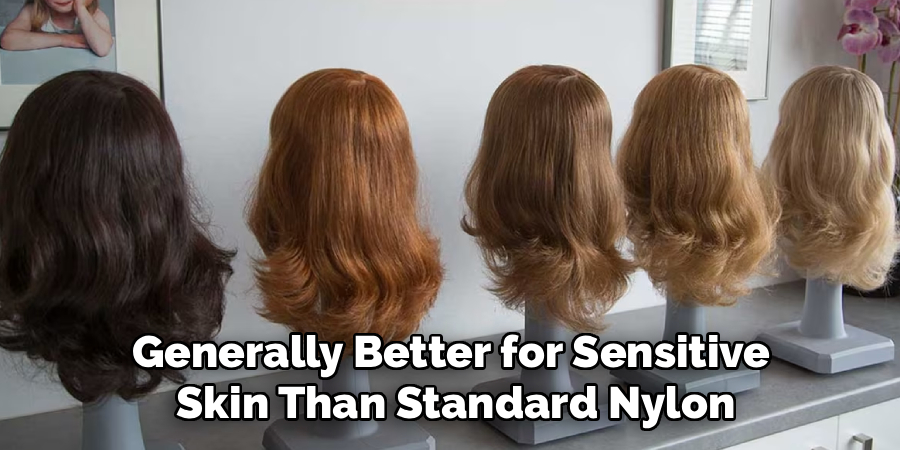
Silk or bamboo caps are generally better for sensitive skin than standard nylon. Nylon can sometimes trap heat and cause sweating, which exacerbates itching. Silk and bamboo are breathable, natural fibers that regulate temperature and reduce friction, keeping the scalp cooler and drier throughout the day.
What Is The Apple Cider Vinegar Soak Method?
This method neutralizes the alkaline coating on synthetic wigs. Mix one cup of apple cider vinegar with a basin of warm water. Submerge the wig for 15–20 minutes, then rinse thoroughly and condition. It restores the pH balance of the wig, softening the fibers and removing the chemical residue that causes itching.
Conclusion
Wearing a wig should be an enjoyable experience that enhances your style, not a test of your endurance against scalp irritation. By taking proactive steps such as washing your unit before the first wear, protecting your scalp with a breathable cap, and maintaining a regular cleaning routine, you can eliminate discomfort.
Remember that the health of your natural hair and scalp is just as important as the look of the wig itself. Implementing these simple changes will ensure your hairpiece feels as good as it looks. Now that you know how to make a wig not itchy, you can wear your favorite styles with total confidence and zero distraction.
It’s also important to invest in high-quality wigs made from breathable materials, as they are less likely to cause irritation. Look for options with adjustable straps or elastic bands that provide a secure fit without feeling too tight. Additionally, applying a lightweight moisturizer or scalp serum can help keep your skin hydrated and reduce any friction between the wig and your scalp. By prioritizing comfort and care, you’ll not only enhance your experience but also extend the lifespan of your wig.

About the Author
Jane Hubbard is a passionate beauty expert with a wealth of experience in makeup, hair, and overall beauty techniques. After years of working as a hairdresser specialist, she followed her entrepreneurial spirit and started her own consultancy business.
Jane has always been driven by her desire to help others feel confident in their own skin, and she does this by sharing her knowledge, experiences, and practical beauty tips. Through her consultancy, she empowers individuals to embrace their unique beauty, offering tailored guidance that boosts both self-esteem and personal style.
Professional Focus
Specializes in makeup, hairstyling, and beauty consulting.
Provides personalized beauty advice, tips, and techniques to help individuals feel confident in their appearance.
Dedicated to staying up-to-date with the latest industry trends and developments.
Passionate about creating a comfortable and empowering experience for every client.
Education History
University of Craft and Design – Bachelor of Fine Arts (BFA) in Woodworking and Furniture Design
Woodworking Apprenticeships – Extensive hands-on training with skilled craftsmen to refine carpentry and furniture making techniques
Online Courses & Masterclasses – Continued education in advanced woodworking techniques, design principles, and specialized tools
Expertise:
Makeup artistry, hairstyling, and beauty consulting.
Personalized beauty techniques to enhance confidence and self-expression.
Educating clients on how to maintain their beauty routines at home.