

There’s nothing quite like the confidence boost a new wig provides. It offers a fresh style, a new color, or simply a convenient solution for a great hair day. However, many synthetic wigs arrive with an unnatural, plastic-like sheen that can be a dead giveaway. This excessive shine is often the biggest hurdle to achieving a natural look. If you’ve ever felt self-conscious about that doll-hair effect, you’re not alone. The good news is that there are simple and effective techniques to tone down that gloss. This guide will walk you through everything you need to know about how to make wigs less shiny, transforming your hairpiece from obviously synthetic to beautifully realistic.
When it comes to wigs, achieving a natural appearance can make all the difference in boosting your confidence and perfecting your look. Whether you’re new to wearing wigs or a seasoned enthusiast, one common challenge is dealing with the artificial shine that synthetic wigs often have. Thankfully, with the right tips and tools, you can easily reduce this shine and give your wig a more authentic, lifelike finish. Let’s explore practical solutions to help you feel your best while rocking your favorite wig.
Why Reducing Wig Shine Matters
The primary goal of wearing a wig is often to achieve a look that feels authentic and natural. An overly shiny wig works against this, creating a synthetic appearance that can detract from your overall style. Natural human hair has a subtle luster, not a high-gloss, reflective finish. When a wig is too shiny, it can look cheap and artificial, regardless of its quality or price. By reducing that unnatural sheen, you enhance the wig’s realism, allowing it to blend more seamlessly with your appearance. This small adjustment makes a massive difference, boosting your confidence and ensuring your style looks intentional and polished, not like a costume.
8 Step-by-Step Guide on How to Make Wigs Look Less Shiny
Ready to give your wig a natural-looking makeover? These proven methods will help you reduce that synthetic shine and get your hairpiece looking its best. Follow these steps to achieve a flawless, realistic finish.
Step 1: Give It a Gentle Wash
Before trying any other methods, a simple wash can make a significant difference. Some wigs have a coating from the manufacturing process that contributes to their initial shininess. Washing the wig with a shampoo specifically formulated for synthetic fibers can help remove this film. Use cool water and gently massage the shampoo through the hair, avoiding any harsh scrubbing that could cause tangles. Rinse the wig thoroughly until the water runs clear, which helps strip away some of the excess gloss and softens the fibers.
Step 2: Use a Fabric Softener Soak
One of the most popular and effective methods involves a fabric softener soak. This technique not only reduces shine but also leaves the wig feeling incredibly soft and manageable. Fill a basin or sink with cool water and add a few capfuls of your favorite liquid fabric softener. Submerge the wig completely and let it soak for at least an hour, though leaving it for a few hours or even overnight can yield better results. Afterward, rinse it with cold water and let it air dry.

Step 3: Try an Apple Cider Vinegar Rinse
Apple cider vinegar (ACV) is a fantastic natural product for cutting through shine. Its acidic properties help to break down the slick coating on synthetic fibers without damaging them. Create a mixture of equal parts ACV and water in a spray bottle or basin. You can either spray the solution evenly over the wig or let it soak for about 20-30 minutes. The vinegar smell will be strong initially, but it will disappear completely as the wig dries, leaving behind a much more natural-looking finish.
Step 4: Dry Shampoo Trick
Dry shampoo is a game-changer for instantly mattifying a shiny wig. The powders and starches in the formula are designed to absorb oil, and they work just as well to absorb light and create a matte effect on synthetic fibers. Hold the can about 8-10 inches away from the wig and spray it lightly all over, focusing on the roots and part line where hair naturally has less shine. Let it sit for a few minutes, then use your fingers or a brush to work the product through the hair.
Step 5: Dust with Baby Powder or Translucent Powder
If you don’t have dry shampoo on hand, baby powder or cosmetic translucent powder works just as well. This is an excellent method for targeted application. Lightly sprinkle a small amount of powder onto a makeup brush or your hands and gently pat it onto the shiniest areas of the wig. Be careful not to use too much, as it can leave a dull, white cast. A little goes a long way. Brush the wig thoroughly afterward to distribute the powder evenly and remove any excess.
Step 6: Consider a Professional Wig Wax Spray
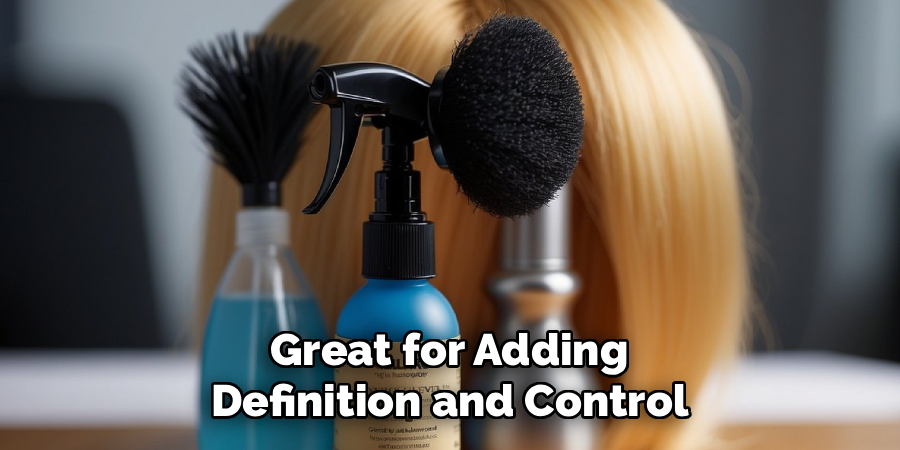
For a more polished and long-lasting solution, look for a wig wax spray. These products are specifically designed for styling and finishing synthetic and human hair wigs. They provide a light hold while adding texture and a matte finish that looks very natural. To use it, hold the can at a distance and apply a light, even mist over the entire wig. Use your fingers to style the hair as desired. This method is great for adding definition and control while taming that unwanted plastic sheen.
Step 7: A Quick Fix With Dryer Sheets
In a pinch, a dryer sheet can be surprisingly effective at temporarily reducing static and shine. The anti-static properties of the sheet help to tame flyaways and cut down on the glossy look. Simply take a fresh dryer sheet and gently rub it over the surface of the wig. This is a great trick for a quick touch-up when you’re on the go and notice your wig is looking a bit too reflective. While not a permanent solution, it provides an immediate improvement.
Step 8: Determining Wig Maintenance Frequency
The frequency of wig maintenance depends on several factors, including how often the wig is worn, the type of wig, and your lifestyle. For synthetic wigs, it’s generally recommended to clean them every 6-8 wears to keep them looking fresh and free of buildup. Human hair wigs, on the other hand, may require more frequent washing, approximately every 7-10 wears, due to their natural composition. Additionally, if you use styling products or wear your wig in environments exposed to smoke, pollution, or sweat, you may need to clean and care for it more often. Regular maintenance not only helps preserve the appearance of the wig but also extends its overall lifespan, ensuring your investment holds its value over time.
Frequently Asked Questions
Can I Use Hairspray to Reduce Shine?
While it might seem like a good idea, regular hairspray can sometimes add more shine or leave a sticky residue on synthetic fibers. It’s better to stick with products like dry shampoo, wig wax, or powders that are specifically designed to create a matte finish without causing buildup.
Does Washing a Wig Too Often Make It Shinier?
No, washing a wig with the correct products for synthetic hair will help remove product buildup and residues that can contribute to shine. However, overwashing can cause wear and tear. It’s best to wash your wig only when it’s necessary, such as when it looks dirty or has absorbed odors.
Will These Methods Damage My Synthetic Wig?
The methods described here, like using fabric softener, vinegar, or dry shampoo, are generally safe for most synthetic wigs. Always perform a patch test on a small, hidden section of the wig first to ensure there is no adverse reaction before treating the entire hairpiece.
How Often Do I Need to De-Shine My Wig?
This depends on how often you wear it and the wig’s initial quality. You may need to apply a mattifying product like dry shampoo before each wear. A fabric softener or vinegar soak provides longer-lasting results, but you might need to repeat the process after every few washes.
Can You Make a Human Hair Wig Less Shiny?
Human hair wigs typically have a natural luster rather than a synthetic shine. If a human hair wig appears too shiny, it may be due to silicone-based styling products. A clarifying shampoo can help remove this buildup. Avoid using the methods for synthetic wigs, like fabric softener, on human hair.

Conclusion
Achieving a natural, believable look with a synthetic wig is entirely possible. The key often lies in toning down that initial, artificial-looking shine. By following the simple steps outlined in this guide—from a basic wash and fabric softener soak to the quick-fix magic of dry shampoo and powder—you can transform your wig. Don’t let a little gloss stand in the way of your confidence. Experiment with these techniques to find what works best for your hairpiece. You now have the knowledge for how to make wigs look less shiny, so you can wear your style with pride and authenticity.

About the Author
Jane Hubbard is a passionate beauty expert with a wealth of experience in makeup, hair, and overall beauty techniques. After years of working as a hairdresser specialist, she followed her entrepreneurial spirit and started her own consultancy business.
Jane has always been driven by her desire to help others feel confident in their own skin, and she does this by sharing her knowledge, experiences, and practical beauty tips. Through her consultancy, she empowers individuals to embrace their unique beauty, offering tailored guidance that boosts both self-esteem and personal style.
Professional Focus
- Specializes in makeup, hairstyling, and beauty consulting.
- Provides personalized beauty advice, tips, and techniques to help individuals feel confident in their appearance.
- Dedicated to staying up-to-date with the latest industry trends and developments.
- Passionate about creating a comfortable and empowering experience for every client.
Education History
- University of Craft and Design – Bachelor of Fine Arts (BFA) in Woodworking and Furniture Design
- Woodworking Apprenticeships – Extensive hands-on training with skilled craftsmen to refine carpentry and furniture making techniques
- Online Courses & Masterclasses – Continued education in advanced woodworking techniques, design principles, and specialized tools
Expertise:
- Makeup artistry, hairstyling, and beauty consulting.
- Personalized beauty techniques to enhance confidence and self-expression.
- Educating clients on how to maintain their beauty routines at home.