

Are you suffering from dandruff so much that it’s embarrassing? If so, then you’re familiar with the battle to find products and treatments that can make a difference. Your search may be over glycolic acid can provide relief from this common but vexing scalp condition. This natural substance has long been used in skincare products but just recently has its potential against dandruff been revealed.
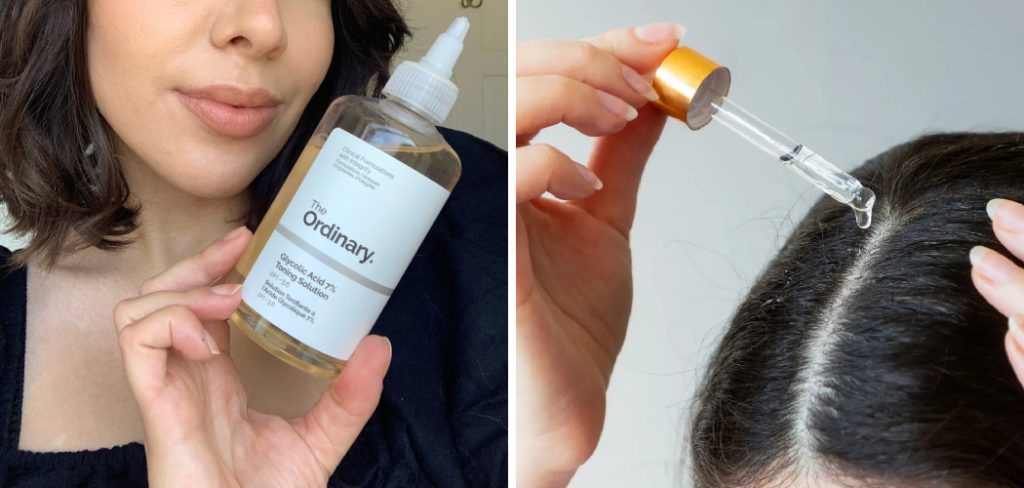
If you’re looking for a simple and effective solution to help get rid of dandruff, then glycolic acid might just be the answer. This natural ingredient is derived from sugar cane and has been found to have powerful anti-inflammatory, antibacterial, and antifungal properties – all of which can work together to reduce irritation caused by dandruff. Keep reading to find out how to use glycolic acid for dandruff!
Benefits of Using Glycolic Acid for Dandruff
1 . Tackles Dandruff at Its Root
Dandruff is caused by the overproduction of yeast on the scalp, leading to flaking and itching. Glycolic acid helps control this yeast growth by regulating the pH levels of the scalp. This prevents excess oil production, which in turn reduces dandruff.
2 . Exfoliates Dead Skin Cells
Another key benefit of using glycolic acid for dandruff is its exfoliating properties. It helps remove dead skin cells and unclogs pores on the scalp, allowing hair follicles to breathe and promoting healthy hair growth.
3 . Reduces Scalp Inflammation
Dandruff can cause inflammation on the scalp, leading to irritation and discomfort. Glycolic acid has anti-inflammatory properties, which can help soothe and calm the scalp, reducing any redness or itching caused by dandruff.
4 . Improves Scalp Health
Regular use of glycolic acid on the scalp can improve overall scalp health. By regulating pH levels and controlling excess oil production, it helps maintain a healthy balance on the scalp, promoting healthy hair growth and preventing dandruff.
5 . Safe for Sensitive Skin
Glycolic acid is a gentle chemical exfoliant that is safe to use on sensitive skin. It does not contain harsh chemicals or irritants, making it suitable for those with sensitive scalps who are prone to dandruff.
10 Ideas on How to Use Glycolic Acid for Dandruff
Now that you know the benefits of using glycolic acid for dandruff, here are some ways to incorporate it into your hair care routine:
1 . Use a Shampoo or Scalp Treatment
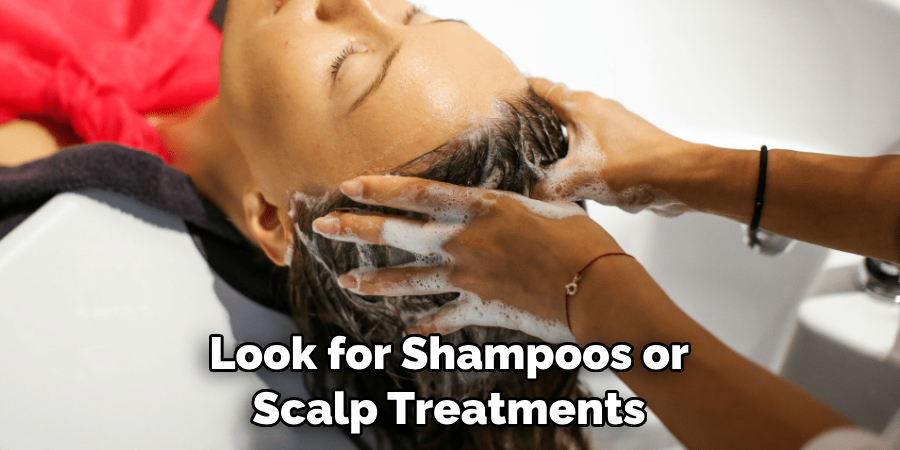
This is the most direct and effective way to use glycolic acid for dandruff. Look for shampoos or scalp treatments that contain glycolic acid as one of the main ingredients. Follow the instructions on the product packaging and use it regularly to see results.
2 . Add a Few Drops to Your Conditioner
If you already have a favorite shampoo, try adding a few drops of glycolic acid to your conditioner. This will help exfoliate your scalp and promote healthy hair growth.
3 . Create a DIY Scalp Scrub
Mix equal parts of glycolic acid, coconut oil, and sugar to create a scalp scrub. Massage it into your scalp for a few minutes before washing it out with shampoo. This will help remove dead skin cells and unclog hair follicles.
4 . Use as a Pre-Shampoo Treatment
Apply glycolic acid to your scalp before shampooing and leave it on for 10-15 minutes. This will give the acid enough time to work its magic and deeply exfoliate your scalp. Also, make sure to protect your skin with a shower cap or towel to prevent any irritation.
5 . Apply Directly to Scalp
If you have areas of your scalp that are particularly flaky, try applying glycolic acid directly onto those spots. Leave it on for a few minutes before washing it out in the shower. This will target those problem areas and help get rid of dandruff.
6 . Mix with Your Hair Oil
If you regularly use hair oil in your routine, try mixing a small amount of glycolic acid into it before applying. This will allow the acid to penetrate deeper into your scalp and provide extra nourishment for your hair.
7 . Use as a Leave-In Treatment
Like with any other acid-based product, it’s important to patch test before using glycolic acid on your scalp. If you have sensitive skin but still want to reap the benefits of this ingredient, try diluting it with water and using it as a leave-in treatment.
8 . Try a Scalp Peel
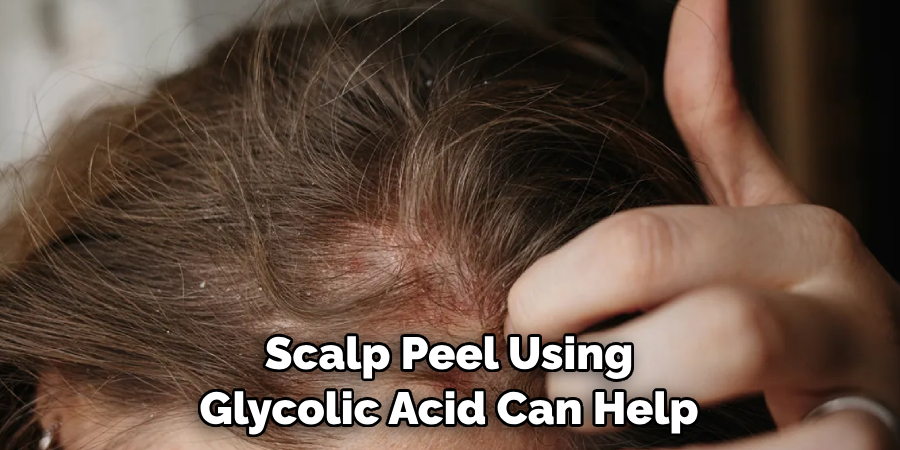
Similar to a chemical peel for your face, a scalp peel using glycolic acid can help remove build-up and dead skin cells on the scalp. These peels are typically done in a salon or by a professional, but there are at-home options available as well.
9 . Incorporate into Your Hair Mask
Mixing glycolic acid with other nourishing ingredients like honey and avocado can create a powerful hair mask that will not only help with dandruff but also leave your hair feeling soft and healthy.
10 . Pair with an Anti-Dandruff Serum
For those who suffer from severe dandruff, using glycolic acid in combination with an anti-dandruff serum can provide even more relief. Look for serums containing ingredients like salicylic acid and tea tree oil, which also exfoliate the scalp and reduce dandruff.
Frequently Asked Questions
What Precautions Should I Take Before Using Glycolic Acid for Dandruff?
Before using glycolic acid for dandruff, it is important to consult with a dermatologist or healthcare professional. They can assess your skin type and any potential risks associated with using glycolic acid. It is also recommended to do a patch test on a small area of skin before applying it to your scalp to check for any allergic reactions or sensitivity. If you experience irritation, redness, or burning sensations, discontinue use and consult with a professional.
How Often Should I Use Glycolic Acid for Dandruff?
The frequency of using glycolic acid for dandruff may vary depending on the severity of your dandruff and the concentration of the product. It is typically recommended to start with once or twice a week and gradually increase the frequency as needed. However, it is important to not overuse glycolic acid as it can cause further irritation and dryness.
Can I Use Glycolic Acid if I Have Sensitive Skin?
Yes, you can still use glycolic acid for dandruff even if you have sensitive skin. However, it is important to use a lower concentration of the product and start with patch testing before applying it to your entire scalp. You may also need to use it less frequently or dilute it with water for milder effects.
Is Glycolic Acid Safe to Use on Color-Treated Hair?
Glycolic acid can be used on color-treated hair, but it is important to be cautious. It is recommended to avoid using glycolic acid immediately after coloring your hair and wait at least 48 hours before applying it. This will allow the color to be fully set and prevent any potential damage or fading.
How Long Does It Take for Glycolic Acid to Work on Dandruff?
The results of using glycolic acid for dandruff may vary from person to person. It may take a few weeks to see noticeable improvements in your dandruff, but it is important to continue using the product as directed for long-term benefits. Consistency is key when using glycolic acid for any skincare concern.
Can I Use Other Dandruff Treatments Along with Glycolic Acid?
It is not recommended to use other dandruff treatments along with glycolic acid without consulting with a healthcare professional first. This is because using multiple products at once can increase the risk of irritation and sensitivity. It is best to stick to one treatment at a time and follow the instructions for optimal results.
Are There Any Side Effects of Using Glycolic Acid for Dandruff?
As with any skincare product, there is a risk of potential side effects when using glycolic acid. These may include redness, dryness, irritation, and burning sensations. It is important to monitor your skin for any adverse reactions and discontinue use if necessary. If you have any concerns or experience severe side effects, consult with a healthcare professional immediately. Overall, using glycolic acid for dandruff can be an effective and safe solution when used correctly and in moderation.
Can I Use Glycolic Acid for Dandruff on Other Parts of My Body?
Glycolic acid can be used on other parts of the body to treat dandruff, such as the face or chest. It is important to follow the same precautions and guidelines as you would when using it on your scalp. However, keep in mind that the skin on different parts of the body may have varying sensitivities, so it is important to patch test and adjust usage accordingly. If you experience any adverse reactions, stop using the product and consult with a professional. Overall, glycolic acid can be an effective solution for dandruff in various areas of the body when used properly.

Conclusion
With its exfoliating properties, glycolic acid can be a game-changer for those dealing with dandruff. Whether you choose to use it in a shampoo, hair mask, or DIY scrub, incorporating this ingredient into your hair care routine can help promote a healthier scalp and stronger, dandruff-free hair.
Now you know how to use glycolic acid for dandruff! Remember to always patch test and consult with a professional if you have any concerns before using glycolic acid on your scalp. Keep experimenting and find the best way to use glycolic acid for your unique needs!

About the Author
Jane Hubbard is a passionate beauty expert with a wealth of experience in makeup, hair, and overall beauty techniques. After years of working as a hairdresser specialist, she followed her entrepreneurial spirit and started her own consultancy business.
Jane has always been driven by her desire to help others feel confident in their own skin, and she does this by sharing her knowledge, experiences, and practical beauty tips. Through her consultancy, she empowers individuals to embrace their unique beauty, offering tailored guidance that boosts both self-esteem and personal style.
Professional Focus
Specializes in makeup, hairstyling, and beauty consulting.
Provides personalized beauty advice, tips, and techniques to help individuals feel confident in their appearance.
Dedicated to staying up-to-date with the latest industry trends and developments.
Passionate about creating a comfortable and empowering experience for every client.
Education History
University of Craft and Design – Bachelor of Fine Arts (BFA) in Woodworking and Furniture Design
Woodworking Apprenticeships – Extensive hands-on training with skilled craftsmen to refine carpentry and furniture making techniques
Online Courses & Masterclasses – Continued education in advanced woodworking techniques, design principles, and specialized tools
Expertise:
Makeup artistry, hairstyling, and beauty consulting.
Personalized beauty techniques to enhance confidence and self-expression.
Educating clients on how to maintain their beauty routines at home.