

Hair accessories are more than just functional tools to keep hair out of your face. They are powerful style statements, capable of transforming a simple look into something spectacular.
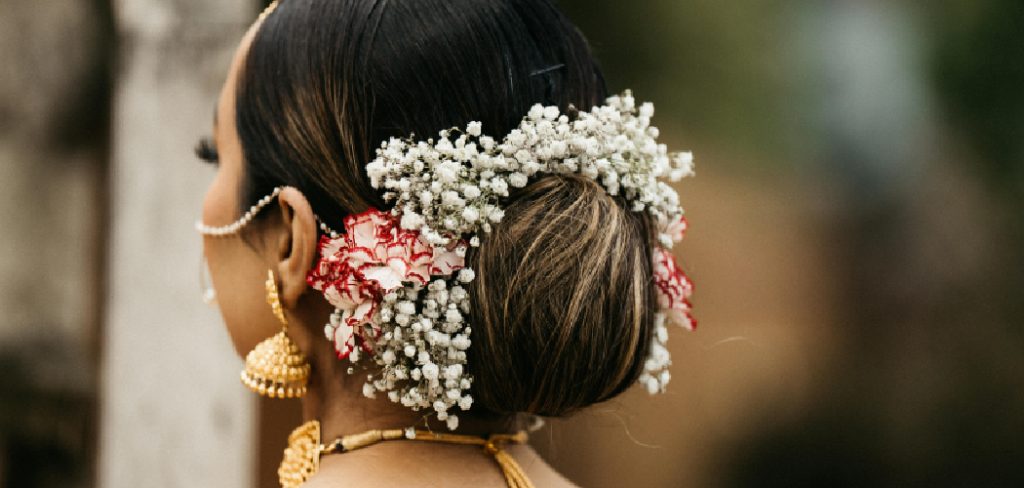
From a simple bobby pin to an ornate headband, the right accessory can add personality, elegance, and a touch of flair to any hairstyle.
Whether you’re getting ready for a regular day at the office, a casual weekend outing, or a glamorous evening event, learning how to use hair accessories can elevate your style and express your unique taste.
What Will You Need?
- A Selection of Hair Accessories: This could include headbands, clips, bobby pins (both plain and decorative), barrettes, hair scarves or ribbons, scrunchies, and claw clips.
- A Quality Hairbrush or Comb: To detangle and smooth your hair before styling.
- Hairspray or Styling Mousse: To provide hold and keep your accessories in place.
- Small Hair Elastics: Clear or colored elastics are useful for creating a base for more intricate styles.
- A Mirror: To see what you’re doing, especially when working on the back of your head.
10 Easy Steps on How to Use Hair Accessories
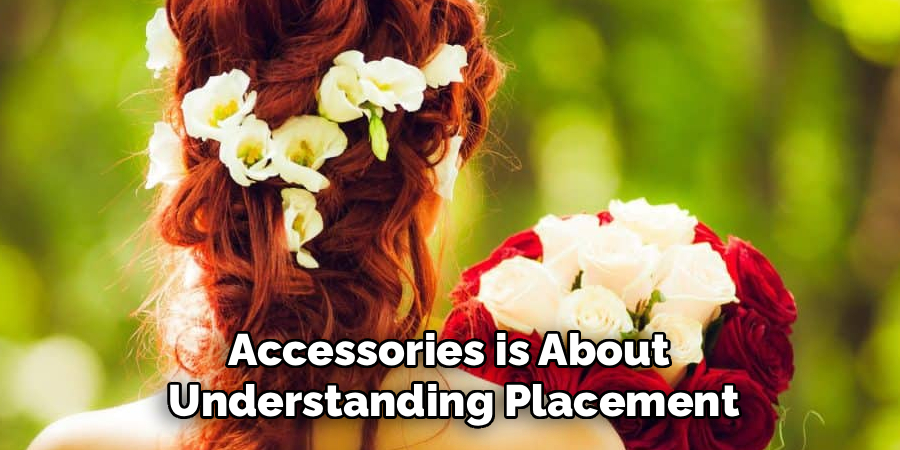
Mastering hair accessories is about understanding placement, balance, and how to secure them properly. This guide will walk you through the process, from preparing your hair to finishing the look.
Step 1: Start with Prepared Hair
Before you add any accessory, your hair should be ready for styling. This means it should be clean, dry, and free of tangles. Brushing your hair thoroughly creates a smooth canvas, making it easier to section and style. If your hair is freshly washed and too soft to hold a style, a light spritz of dry shampoo or texturizing spray can add some grip.
This extra texture is a secret weapon for helping accessories stay put throughout the day. For those with curly or wavy hair, you might prefer to work with your natural texture. In this case, simply ensure your curls are defined and frizz is tamed with your favorite products before you begin. The goal is to have hair that is manageable and cooperative, providing the perfect foundation for any accessory you choose to use.
Step 2: Choose Your Hairstyle Base
Decide on the hairstyle you want to create before you pick an accessory. Do you want your hair up, down, or half-up? The base style will determine the type of accessory that works best. For a simple ponytail, a decorative scrunchie or a ribbon can add a pop of color. If you’re planning an elegant updo, you might opt for decorative pins or a jeweled barrette. For a more casual look with your hair down, a headband or a few simple clips can be perfect.
Considering your base style first helps narrow down your accessory options and ensures the final look is cohesive. It’s like choosing your outfit before you select your jewelry; the main component comes first, and the accents follow. This approach prevents the accessory from looking like an afterthought and instead makes it an integral part of your overall style.
Step 3: Select the Right Accessory for the Occasion
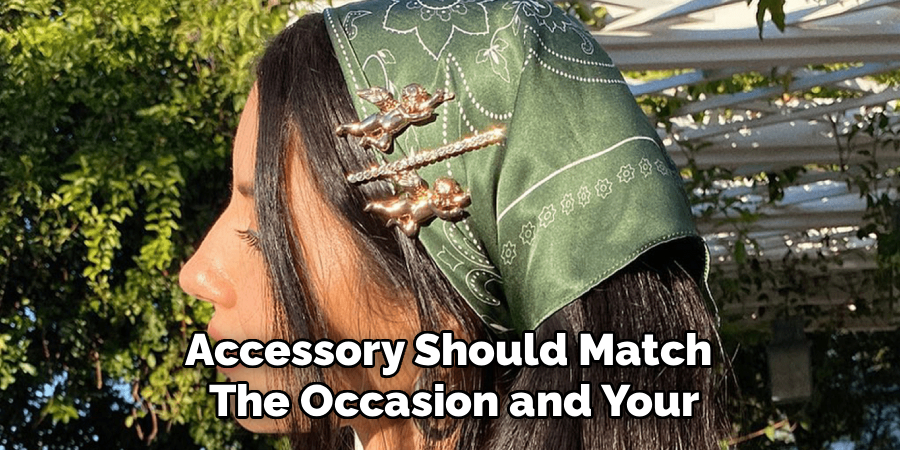
Your choice of accessory should match the occasion and your outfit. A sparkling, jeweled clip might be perfect for a wedding or a formal party but could feel out of place at the gym. Conversely, a simple claw clip is great for a casual day but might not be dressy enough for a special event.
Think about the overall vibe you want to achieve. Are you going for bohemian, classic, edgy, or romantic? A floral scarf tied around a bun can create a soft, romantic feel, while a metallic barrette can lend a modern, sleek edge. Matching the color or material of your accessory to your clothing or other jewelry can also tie your whole look together, creating a polished and intentional appearance. Don’t be afraid to own a variety of accessories for different settings.
Step 4: Position the Headband
Headbands are one of the most straightforward accessories to use. There are two primary ways to wear them. The first is the classic approach: place the headband about an inch back from your hairline, pushing your hair away from your face. This works well for keeping hair out of your eyes and creates a clean, preppy look. The second method is more of a bohemian style, where you place the headband across your forehead.
For a comfortable and secure fit in either style, position the ends of the headband just behind your ears. If you have fine or silky hair and find the headband slips, you can create a stronger anchor by backcombing the small sections of hair where the band will sit or by discreetly securing it with a couple of bobby pins behind your ears.
Step 5: Master the Art of the Clip
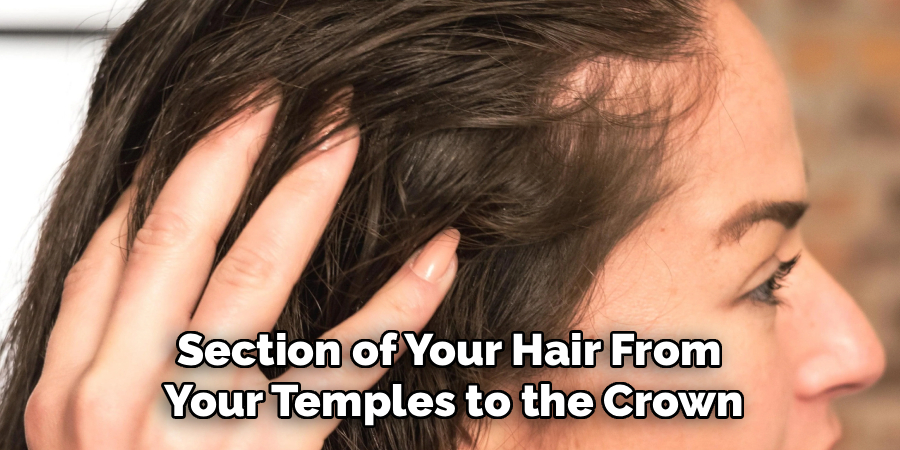
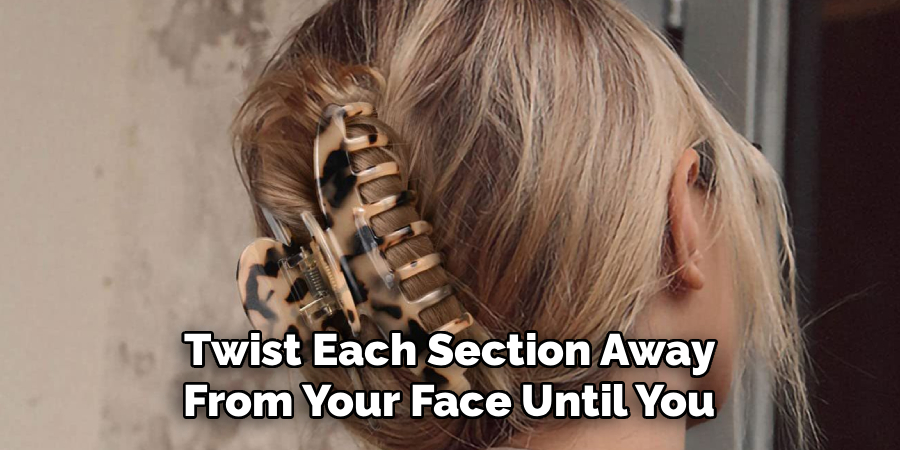
Clips, from small snap clips to large barrettes, are incredibly versatile. For a simple side part, you can use a decorative clip to pin back the hair on the less full side, just above your temple. This is a quick way to add a touch of glamour. For a half-up style, gather the top section of your hair from your temples to the crown of your head, twist it once, and secure it with a claw clip or a barrette at the back.
When using barrettes, ensure you don’t trap too much or too little hair; the clasp should close comfortably without straining. For finer hair, a smaller, lighter clip is often a better choice to prevent it from sliding down. Experiment with placement—a clip positioned just behind the ear can be a subtle, elegant surprise.
Step 6: Get Creative with Bobby Pins
Bobby pins are not just for securing updos; they can be a design element themselves. You can use colored or metallic bobby pins to create geometric shapes. Try creating a triangle or a chevron pattern to hold back a section of hair on the side. To do this, slide the first pin in, then slide a second one to cross over it, forming an ‘X’.
A third pin can complete a triangle shape. When using bobby pins for hold, always insert them with the ridged side facing down towards your scalp. This gives them a much better grip. For a stronger hold on any style, you can spray the bobby pin with a bit of hairspray before sliding it into your hair. This simple trick adds extra friction and keeps them in place all day.
Step 7: Weave in a Scarf or Ribbon
Hair scarves and ribbons offer a soft and often colorful way to enhance a hairstyle. One of the easiest ways to use one is to tie it around the base of a ponytail or bun. After securing your hair with an elastic, simply tie the scarf in a bow or let the ends hang loose. For a more integrated look, you can incorporate the scarf into a braid.
Start by tying the scarf around the base of the ponytail you intend to braid. Then, divide your hair into three sections, using the scarf as one of the sections, and braid as usual. This creates a beautiful woven effect. Scarves can also be used as headbands; fold the scarf into a long band and tie it at the nape of your neck or on top of your head for a retro vibe.
Step 8: Perfect the Half-Up Twist
The half-up style is a timeless look that can be easily elevated with an accessory. Start by taking a two-inch section of hair from each side of your face, near your temples. Twist each section away from your face until you reach the back of your head. Bring the two twisted sections together and secure them with a decorative barrette, clip, or even a small scrunchie. For a more romantic feel, allow a few face-framing tendrils to fall loose at the front.
This style works on almost any hair length past the chin and is perfect for showcasing a beautiful accessory while keeping hair out of your face. You can adjust the thickness of the twisted sections to create different effects—thinner twists for a delicate look, and thicker ones for a more pronounced style.
Step 9: Elevate Your Bun or Ponytail
A simple bun or ponytail can be transformed with the right accessory. For a low bun, try using hair sticks or a hair fork. After twisting your hair into a bun and securing it with an elastic, weave the stick through the top edge of the bun, catch some of the hair against your scalp, and then push it through the opposite side of the bun.
This creates a secure and elegant hold. For a high ponytail, wrap a ribbon or a thin scarf around the elastic to conceal it and add a stylish finish. Another popular option is using a set of decorative pins. After creating your bun or updo, strategically place two or three small, jeweled pins along one side of the style to add a touch of sparkle.
Step 10: Secure and Set Your Style
Once your accessory is perfectly placed and you are happy with your hairstyle, the final step is to make sure it lasts. A light mist of flexible-hold hairspray will help tame any flyaways and lock everything in place without making your hair feel stiff or crunchy. Hold the can about 8-10 inches away from your head and spray evenly.
If you have a particularly heavy accessory or an intricate updo, you may want to use a stronger hold spray. Take one last look in the mirror, checking from all angles to ensure everything is secure and looks balanced. This final touch will give you the confidence that your beautifully accessorized hair will stay put from morning to night.
5 Things You Should Avoid
- Over-Accessorizing: Avoid using too many accessories at once. A single statement piece is often more effective than a collection of clips, pins, and bands that can look cluttered and overwhelm your hairstyle.
- Ignoring Your Hair Type: Don’t use accessories that are too heavy for your fine hair, as they will slide out. Similarly, avoid small, delicate clips on very thick hair, as they may not provide enough hold or could even break.
- Choosing the Wrong Accessory for the Occasion: Steer clear of wearing overly casual accessories, like a large claw clip or a neon scrunchie, to a formal event. Always consider the dress code and setting.
- Placing Accessories Uncomfortably: Avoid placing clips or bands in a way that pulls your hair too tightly or digs into your scalp. Style should never come at the cost of comfort or hair health.
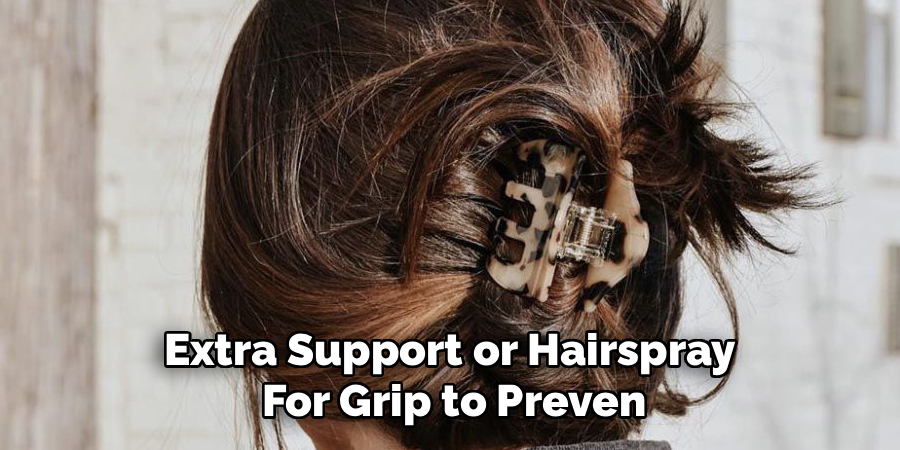
- Forgetting to Secure the Accessory Properly: Do not just place an accessory on your hair without ensuring it’s secure. Use bobby pins for extra support or hairspray for grip to prevent it from slipping or falling out.
Conclusion
Hair accessories are a simple yet impactful way to refresh your look and express your personal style.
From the everyday convenience of a claw clip to the elegance of a jeweled pin, there is an accessory for every occasion, mood, and hair type. By preparing your hair, choosing the right piece, and mastering a few placement techniques, you can easily incorporate them into your routine.
Hopefully, the article on how to use hair accessories has inspired you to experiment with different styles and elevate your hair game.

About the Author
Jane Hubbard is a passionate beauty expert with a wealth of experience in makeup, hair, and overall beauty techniques. After years of working as a hairdresser specialist, she followed her entrepreneurial spirit and started her own consultancy business.
Jane has always been driven by her desire to help others feel confident in their own skin, and she does this by sharing her knowledge, experiences, and practical beauty tips. Through her consultancy, she empowers individuals to embrace their unique beauty, offering tailored guidance that boosts both self-esteem and personal style.
Professional Focus
- Specializes in makeup, hairstyling, and beauty consulting.
- Provides personalized beauty advice, tips, and techniques to help individuals feel confident in their appearance.
- Dedicated to staying up-to-date with the latest industry trends and developments.
- Passionate about creating a comfortable and empowering experience for every client.
Education History
- University of Craft and Design – Bachelor of Fine Arts (BFA) in Woodworking and Furniture Design
- Woodworking Apprenticeships – Extensive hands-on training with skilled craftsmen to refine carpentry and furniture making techniques
- Online Courses & Masterclasses – Continued education in advanced woodworking techniques, design principles, and specialized tools
Expertise:
- Makeup artistry, hairstyling, and beauty consulting.
- Personalized beauty techniques to enhance confidence and self-expression.
- Educating clients on how to maintain their beauty routines at home.