

We have all experienced those bad hair days where our locks feel more like straw than silk. Environmental stressors like sun exposure, heat styling, and chemical treatments can strip moisture away, leaving your hair dull, brittle, and prone to breakage. While regular conditioner is great for daily maintenance, sometimes your hair screams for a deeper intervention. This is where a quality deep conditioning treatment becomes your best friend.
These rich, nutrient-dense formulas are designed to penetrate the hair shaft and restore lost moisture from the inside out. However, simply slapping the product on and rinsing it off immediately won’t give you the salon-quality results you desire. To truly transform your tresses, you need to understand the proper application techniques. This guide is here to demystify the process and teach you how to use intensive hydration hair masque effectively, ensuring you get the most out of every jar and wake up to softer, healthier, and more manageable hair.
Step-by-Step Guide on How to Use Intensive Hydration Hair Masque
Step 1: Start with Thoroughly Cleaned Hair
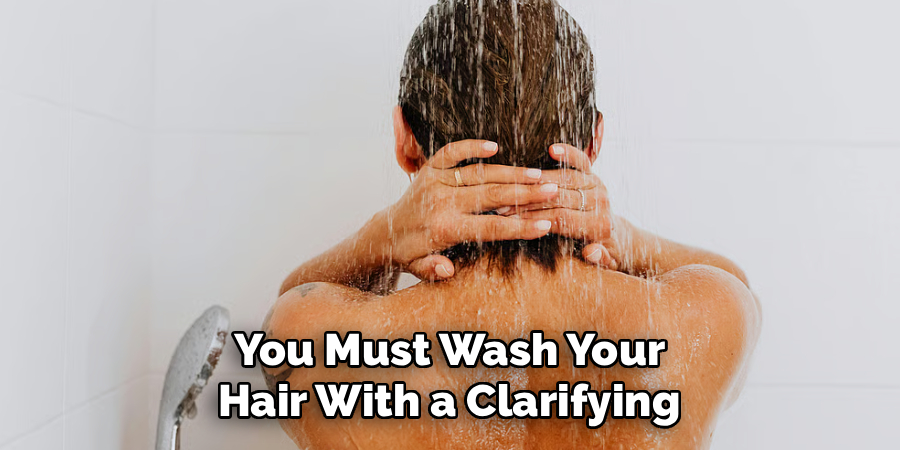
The foundation of any successful deep conditioning treatment begins in the shower with a proper cleanse. You must wash your hair with a clarifying or gentle shampoo to remove product buildup, dirt, and excess oils that accumulate on the scalp and strands. Think of your hair cuticle like pores on your skin; if they are clogged with dry shampoo or serum residue, the nourishing ingredients cannot penetrate effectively. Rinse your hair with warm water to help slightly open the cuticles, which prepares the shaft to receive the hydration. Do not apply conditioner at this stage, as it can seal the cuticle too early. A fresh, clean base ensures that the rich formula you are about to apply can sink deep into the cortex where it is needed most.
Step 2: Remove Excess Water Before Application
One of the most common mistakes people make is applying their treatment to soaking wet hair. If your hair is dripping water, the product will simply slide off or become too diluted to be effective. After shampooing, gently squeeze out the excess water with your hands. For even better results, lightly blot your hair with a microfiber towel or an old cotton t-shirt. Your hair should be damp, not dripping. This crucial step ensures that the formula remains concentrated and can adhere properly to the hair fibers. By taking a moment to dry your strands slightly, you are maximizing the potency of the ingredients and ensuring that you are not washing your money down the drain.
Step 3: Section Your Hair for Even Coverage
Thick, curly, or long hair can be difficult to manage, and it is easy to miss spots if you try to apply the product all at once. To ensure every single strand gets the love it deserves, divide your damp hair into four to six manageable sections using clips or hair ties. This methodical approach allows you to control the application process and guarantees uniform distribution. Working section by section prevents tangling and ensures that the hair underneath—which often gets neglected—receives just as much hydration as the top layer. Whether you have fine straight hair or dense coils, sectioning is the secret to a professional-grade application that covers the entire head from root to tip without wasting product.

Step 4: Apply the Masque from Mid-Lengths to Ends
Scoop a generous amount of product into your palm and begin applying it to the first section of hair. The focus should always be on the mid-lengths and ends, which are the oldest and most damaged parts of your hair structure. The roots typically have enough natural oils from your scalp, so applying a heavy cream there can lead to greasiness and weigh down your volume. Massage the product downwards, smoothing the cuticle as you go. This technique helps to seal in the moisture. Learning exactly where to place the product is a vital part of understanding how to use intensive hydration hair masque correctly, as it targets the dryness without compromising your scalp’s natural balance.
Step 5: Detangle with a Wide-Tooth Comb
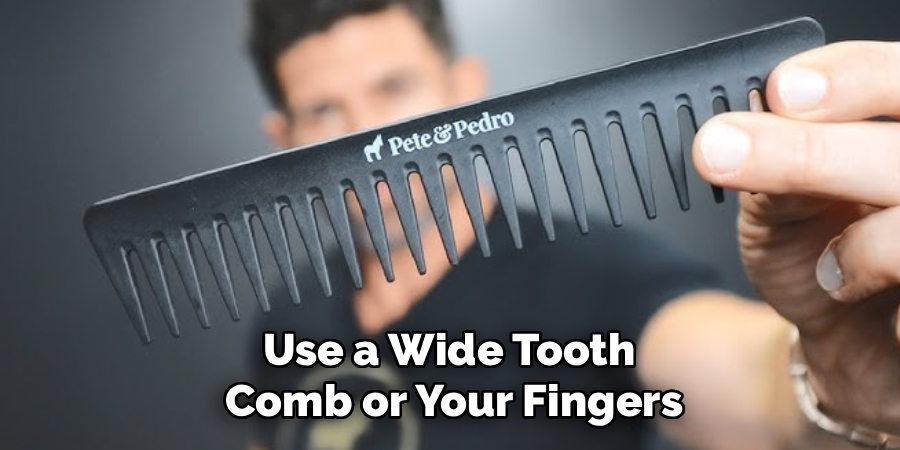
Once the product is applied to a section, use a wide-tooth comb or your fingers to gently detangle the hair. Start from the very ends and slowly work your way up toward the roots to avoid causing breakage. This step serves two important purposes. First, it removes any knots or tangles while the hair is slippery and lubricated, minimizing mechanical damage. Second, combing through ensures that the masque is distributed evenly across every strand, coating each hair fiber thoroughly. If you encounter a tough knot, add a little more product to that specific spot to help ease it loose. This thorough distribution guarantees that no patch of hair is left dry or untreated during the conditioning phase.
Step 6: Secret to Add Heat
To supercharge the benefits of your treatment, adding heat is a game-changer. Once your whole head is coated and detangled, pile your hair on top of your head and cover it with a plastic shower cap. The body heat trapped inside the cap helps to lift the hair cuticle further, allowing the hydrating ingredients to penetrate deeper into the cortex. For even more intense results, wrap a warm towel around the shower cap or sit under a hooded dryer or steamer for 15 to 30 minutes. This spa-like addition transforms a standard conditioning session into a deep repair treatment. The heat acts as a catalyst, maximizing the absorption of oils and proteins for truly revitalized and silky results.
Step 7: Rinse with Cool Water and Style
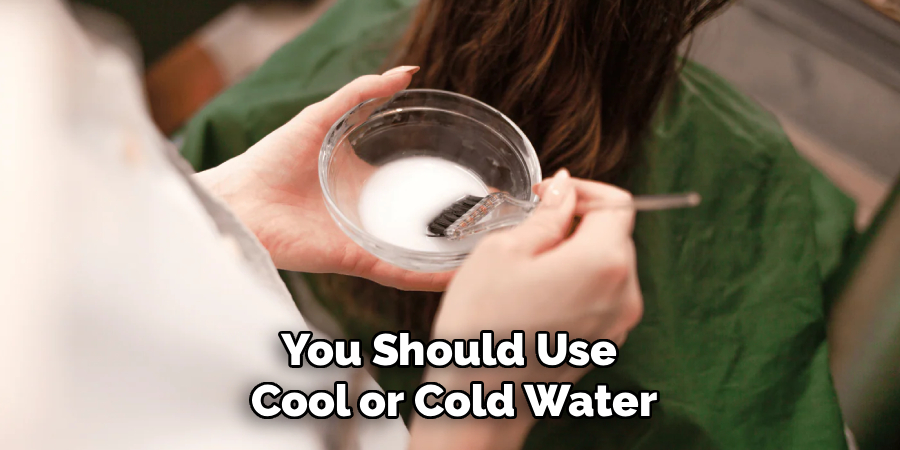
After the designated time has passed—usually between 10 to 30 minutes depending on the product instructions—it is time to rinse. Unlike the initial wash, you should use cool or cold water for this step. Cold water helps to shock the hair cuticle back into a closed, flat position, which seals in all the moisture and nutrients you just deposited. Rinse thoroughly until the water runs clear and the hair feels clean but soft. Be careful not to over-rinse to the point where your hair feels “squeaky,” as you want to leave a small amount of that slip behind. Once rinsed, you can proceed with your usual leave-in conditioners and styling routine, enjoying the immediate difference in texture and shine.
Benefits of Natural Ingredients
Using natural ingredients in hair care products offers numerous benefits for maintaining healthy, vibrant hair. Ingredients like aloe vera, coconut oil, shea butter, and argan oil provide deep hydration and essential nutrients without the harsh effects of synthetic chemicals. They are often rich in vitamins, antioxidants, and fatty acids, which strengthen hair strands, promote growth, and reduce damage caused by environmental stressors. Additionally, natural ingredients are gentle on the scalp, helping to reduce irritation and support overall scalp health.
Frequently Asked Questions
How Often Should I Use a Hair Masque?
The frequency depends largely on your hair type and its current condition.
- Damaged or Dry Hair: If your hair is chemically treated, colored, or naturally dry (like curly or coily textures), aim to use a masque once a week.
- Fine or Oily Hair: For finer textures that get weighed down easily, once every two weeks or even once a month is usually sufficient.
- Maintenance: Listen to your hair; if it starts feeling limp, you might be over-moisturizing, so scale back the frequency.
Can I Leave the Masque on Overnight?
While it might seem like longer is better, leaving a masque on overnight is not always recommended.
- Hygral Fatigue: Keeping hair wet for too long can cause the hair shaft to swell and contract repeatedly, leading to damage known as hygral fatigue.
- Product Instructions: Most masques reach their maximum effectiveness within 30 minutes.
- Protein Overload: If the masque contains proteins, leaving it on too long can actually make hair brittle and stiff. Always follow the manufacturer’s time guidelines.
What Is the Difference Between a Conditioner and a Masque?
Think of a daily conditioner as a quick surface fix and a masque as a deep internal repair.
- Conditioner: Designed for daily use, it works primarily on the surface (cuticle) to detangle and add temporary softness. It has a lighter consistency.
- Masque: Formulated with smaller molecules and higher concentrations of active ingredients (oils, lipids, proteins) to penetrate the cortex and provide long-lasting hydration and structural repair. It is thicker and heavier.
Should I Shampoo After Using a Hair Masque?
Generally, no. The correct order is shampoo, then masque, then rinse.
- Why: Shampooing after the masque would strip away the nourishing ingredients and moisture you just deposited.
- Exception: The only exception is if you used a pre-poo treatment (oil applied before washing) or if you accidentally applied too much product to your roots and need to remove the heaviness. Otherwise, rinsing with cool water is all you need to do.
Can I Use a Hair Masque on Dry Hair?
Most traditional cream-based masques are designed to work on damp hair where water acts as a carrier.
- Oil Masques: Oil-based treatments are often applied to dry hair before shampooing to protect the strands.
- Cream Masques: Applying a heavy cream masque to dry hair can result in uneven distribution and wasted product, as the hair cannot absorb it as easily without water to swell the cuticle. Stick to damp hair for standard hydration treatments.
Conclusion
Incorporating a deep conditioning treatment into your routine is one of the most effective ways to maintain the long-term health and beauty of your hair. It is a simple act of self-care that pays dividends in shine, elasticity, and manageability. By following these specific steps—cleansing properly, applying to damp sections, and utilizing the power of heat—you ensure that your hair receives the full benefit of the product. Remember that consistency is key; regular treatments will yield far better results than sporadic attempts at damage control.
Whether you are recovering from a bleach session or just battling winter dryness, knowing how to use intensive hydration hair masque products correctly empowers you to take charge of your hair’s health, giving you the confidence that comes with having truly lustrous locks.

About the Author
Jane Hubbard is a passionate beauty expert with a wealth of experience in makeup, hair, and overall beauty techniques. After years of working as a hairdresser specialist, she followed her entrepreneurial spirit and started her own consultancy business.
Jane has always been driven by her desire to help others feel confident in their own skin, and she does this by sharing her knowledge, experiences, and practical beauty tips. Through her consultancy, she empowers individuals to embrace their unique beauty, offering tailored guidance that boosts both self-esteem and personal style.
Professional Focus
- Specializes in makeup, hairstyling, and beauty consulting.
- Provides personalized beauty advice, tips, and techniques to help individuals feel confident in their appearance.
- Dedicated to staying up-to-date with the latest industry trends and developments.
- Passionate about creating a comfortable and empowering experience for every client.
Education History
- University of Craft and Design – Bachelor of Fine Arts (BFA) in Woodworking and Furniture Design
- Woodworking Apprenticeships – Extensive hands-on training with skilled craftsmen to refine carpentry and furniture making techniques
- Online Courses & Masterclasses – Continued education in advanced woodworking techniques, design principles, and specialized tools
Expertise:
- Makeup artistry, hairstyling, and beauty consulting.
- Personalized beauty techniques to enhance confidence and self-expression.
- Educating clients on how to maintain their beauty routines at home.