

Dealing with uneven skin tone and stubborn dark spots can feel like an endless battle. While the skincare market is flooded with expensive serums and chemical treatments, many people are turning back to nature for gentler solutions. Enter licorice root—a powerhouse ingredient used for centuries in traditional medicine to soothe and brighten the skin. This natural remedy contains glabridin, a compound known to inhibit the enzyme responsible for darkening skin after sun exposure or acne breakouts.
But simply buying the powder is not enough; knowing the right application methods is key to unlocking its potential. In this guide, we will show you exactly how to use licorice powder for skin pigmentation safely and effectively. Whether you are dealing with melasma, sun damage, or post-acne marks, we will explore simple, DIY recipes to help you achieve a radiant, even-toned glow.
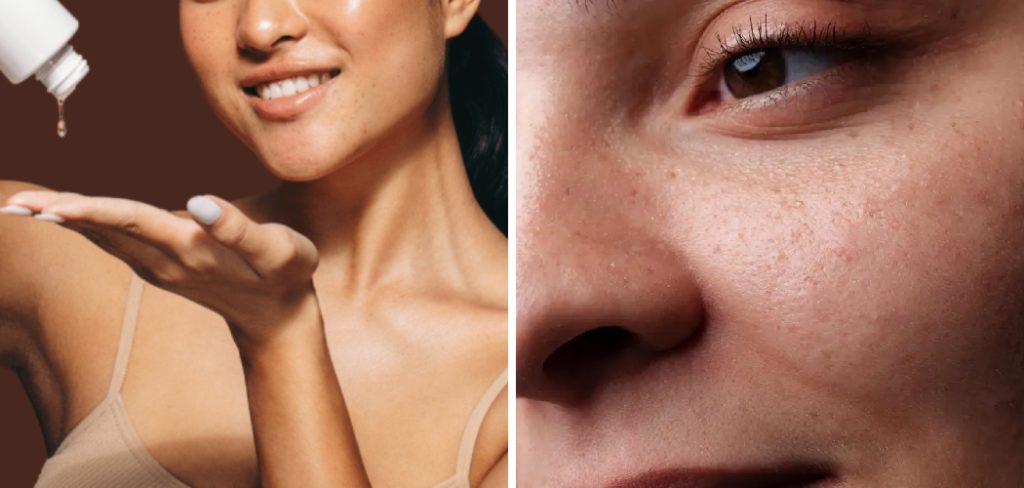
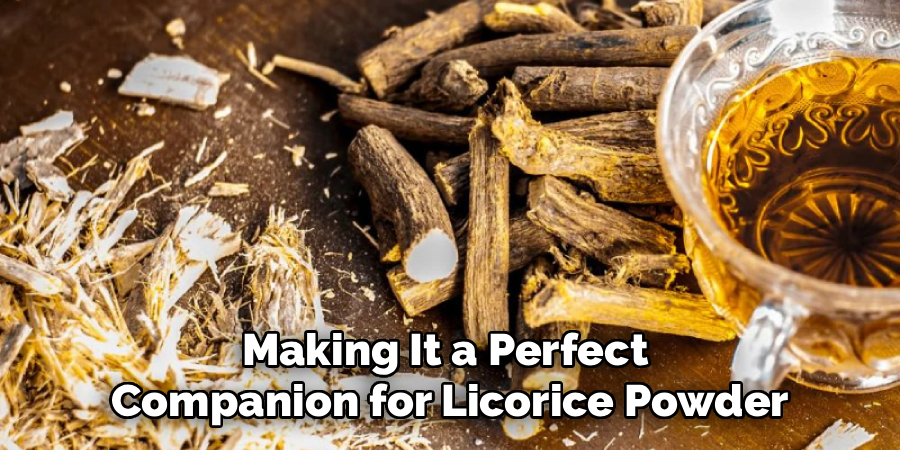
Licorice powder has been used for centuries as a natural remedy, prized for its skin-brightening and soothing properties. Derived from the root of the licorice plant, it is packed with powerful antioxidants and active compounds like glabridin that help reduce hyperpigmentation, calm inflammation, and protect the skin from environmental stressors. By tapping into its gentle, plant-based power, you can take a significant step toward healthier, more luminous skin without relying on harsh chemicals.
Why” Licorice Powder
The question of “why” licorice powder is so effective lies in its unique composition. Glabridin, one of its primary active components, works to inhibit the production of melanin, which causes dark spots and uneven skin tone. Additionally, its anti-inflammatory properties help soothe irritated skin, making it suitable for sensitive skin types. Unlike many synthetic products, licorice powder offers a natural alternative that combines efficacy with gentleness, making it a go-to ingredient for those seeking holistic skincare solutions. Its antioxidant-rich profile also helps combat free radicals, which contribute to premature aging, further emphasizing why licorice powder is a key player in achieving radiant, healthy skin.
Step-by-Step Guide: How to Use Licorice Powder in Your Skincare Routine
Step 1: Create a Simple Brightening Face Mask
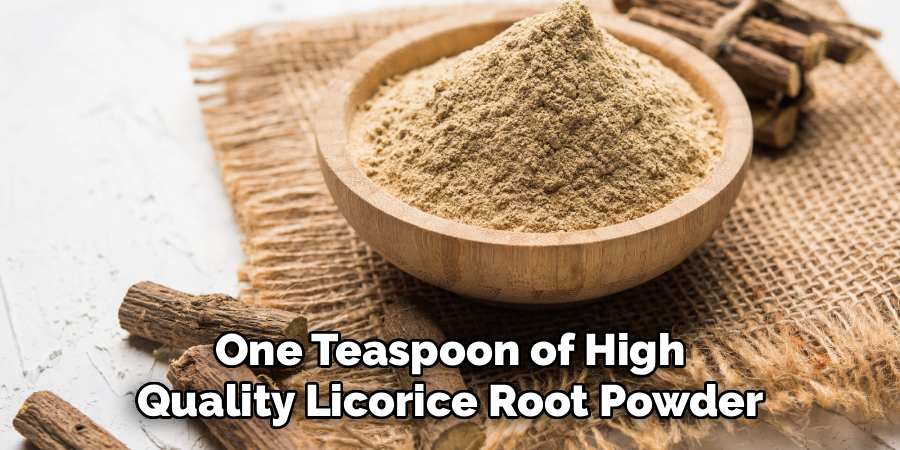
The most direct way to target hyperpigmentation is with a concentrated face mask. To start, mix one teaspoon of high-quality licorice root powder with two teaspoons of raw honey or rose water to form a smooth paste. Honey offers antibacterial and moisturizing properties, while rose water soothes inflammation, making them excellent partners for licorice. Apply this mixture evenly to your clean, dry face, paying close attention to areas with dark spots or uneven tone. Let the mask sit for 15-20 minutes before rinsing thoroughly with lukewarm water. This simple yet potent treatment helps deliver the skin-brightening compounds directly to the problem areas.
Step 2: Combine with Turmeric for a Powerhouse Paste
Turmeric is another natural ingredient celebrated for its ability to brighten skin and reduce inflammation. By combining it with licorice powder, you can create a synergistic blend that tackles pigmentation from multiple angles. Mix a half-teaspoon of licorice powder with a half-teaspoon of organic turmeric powder. Add enough plain yogurt or milk to form a creamy paste. The lactic acid in yogurt gently exfoliates the skin, helping to fade dark spots faster. Apply this vibrant paste to your face, let it dry for about 15 minutes, and then gently wash it off. Be mindful that turmeric can leave a temporary yellow stain on the skin.
Step 3: Mix with Sandalwood for Soothing and Toning
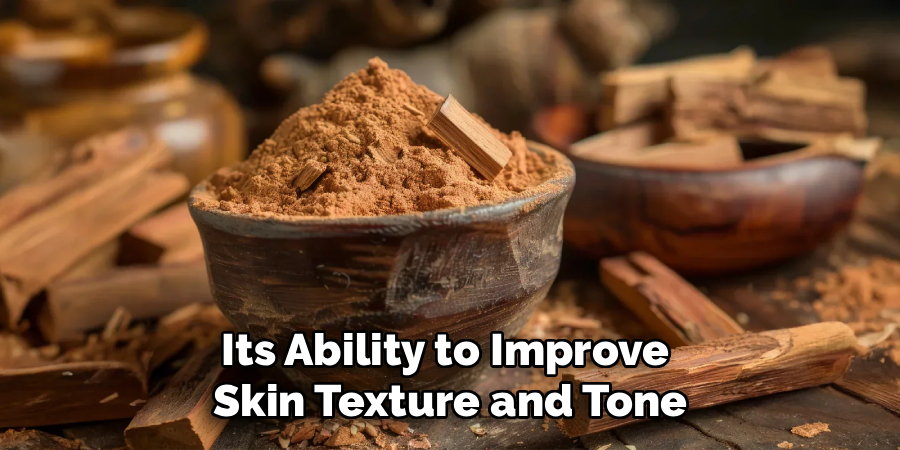
Sandalwood is prized for its cooling properties and its ability to improve skin texture and tone. When paired with licorice powder, it creates a mask that not only fights pigmentation but also calms irritated skin. This makes it an ideal choice for those with sensitive or acne-prone skin. To make the mask, combine one teaspoon of licorice powder with one teaspoon of sandalwood powder and enough rose water to create a spreadable consistency. Apply it to your skin and relax for 15 minutes as the mask works its magic, leaving your complexion feeling refreshed, soothed, and visibly brighter over time.
Step 4: Making a Spot Treatment with Licorice Powder
For those wanting a targeted approach, learning how to use licorice powder for skin pigmentation as a spot treatment is highly effective. Instead of applying a mask to your entire face, you can create a more concentrated paste to apply directly onto individual dark spots or post-acne marks. Mix a small amount of licorice powder with a single drop of water or tea tree oil until you have a thick paste. Dab it onto the pigmented areas before bed and leave it on overnight. Tea tree oil adds an extra antibacterial boost, which is great for post-inflammatory hyperpigmentation caused by acne.
Step 5: Infuse It into a Facial Oil
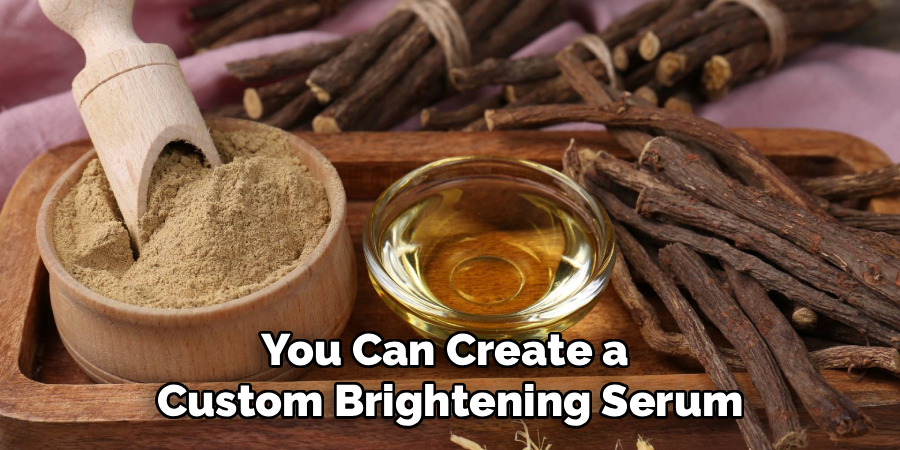
If you prefer facial oils over masks, you can create a custom brightening serum. Gently warm a carrier oil like jojoba, almond, or rosehip oil in a double boiler. Be careful not to make it too hot. Stir in a teaspoon of licorice powder and let it infuse on very low heat for about 20 minutes, stirring occasionally. Once cooled, strain the oil through a cheesecloth to remove the powder sediment. Store your infused oil in a dark glass dropper bottle. Apply a few drops to your face each night to nourish your skin and gradually lighten areas of hyperpigmentation.
Step 6: Create a Gentle Exfoliating Scrub
Exfoliation is key to sloughing off dead skin cells and revealing the brighter skin underneath. You can make a gentle scrub by mixing licorice powder with a mild physical exfoliant like finely ground oats or almond powder. Combine one teaspoon of licorice powder with two teaspoons of ground oats and add just enough water or milk to form a thick, grainy paste. Gently massage the scrub onto your damp skin in circular motions for about one minute, avoiding the delicate eye area. Rinse thoroughly to reveal a smoother, more radiant complexion. This helps the active compounds penetrate more effectively.
Step 7: Powder with Aloe Vera
Aloe vera is a master at soothing and hydrating the skin, making it a perfect companion for licorice powder, especially after sun exposure. Mix one teaspoon of licorice powder with two tablespoons of pure aloe vera gel to create a cooling and healing mask. This combination not only helps to fade existing sunspots but also calms the inflammation that can lead to further pigmentation. Apply the gel-like mixture to your face and neck, leave it on for 20 minutes, and then rinse with cool water. This mask is incredibly refreshing and beneficial for all skin types.
Frequently Asked Questions
How Long Does It Take for Licorice Powder to Lighten Skin?
Results vary, but with consistent use (2-3 times per week), most people begin to see a noticeable improvement in their skin tone and a reduction in dark spots within 4 to 6 weeks. Patience is key, as natural remedies work gradually to heal and balance the skin from within.
Can I Use Licorice Powder on My Face Every Day?
It is generally not recommended to use licorice powder masks or scrubs daily, as this can lead to over-exfoliation or skin sensitivity. A routine of 2-3 times per week is ideal. However, a diluted facial oil infused with licorice can often be used nightly without issue.
Does Licorice Powder Have Any Side Effects?
Licorice powder is safe for topical use for most people. However, those with very sensitive skin should perform a patch test on their inner arm before applying it to their face to check for any irritation or allergic reactions. Always use pure, high-quality licorice root powder from a reputable source.
Can I Mix Licorice Powder with My Regular Moisturizer?
Yes, you can mix a small pinch of licorice powder into your nightly moisturizer for a simple, no-fuss application. Ensure it is mixed thoroughly before applying to your face. This is an easy way to incorporate its benefits into your existing skincare routine without adding an extra step.
Which Skin Type Is Licorice Powder Best For?
Licorice powder is suitable for all skin types. Its anti-inflammatory properties make it great for sensitive and acne-prone skin, while its brightening effects benefit those with dullness or hyperpigmentation. Its ability to balance oil production also makes it beneficial for both oily and dry skin types.
Conclusion
Harnessing the natural brightening power of licorice root is a gentle and effective way to address skin pigmentation. From simple face masks and targeted spot treatments to nourishing facial oils and scrubs, the methods are both versatile and easy to incorporate into any skincare regimen. By consistently applying these DIY treatments, you can gradually diminish dark spots, even out your complexion, and achieve a healthy, natural glow. Now that you know how to use licorice powder for skin pigmentation, you are well-equipped to take control of your skincare journey and reveal your most radiant skin yet.

About the Author
Jane Hubbard is a passionate beauty expert with a wealth of experience in makeup, hair, and overall beauty techniques. After years of working as a hairdresser specialist, she followed her entrepreneurial spirit and started her own consultancy business.
Jane has always been driven by her desire to help others feel confident in their own skin, and she does this by sharing her knowledge, experiences, and practical beauty tips. Through her consultancy, she empowers individuals to embrace their unique beauty, offering tailored guidance that boosts both self-esteem and personal style.
Professional Focus
- Specializes in makeup, hairstyling, and beauty consulting.
- Provides personalized beauty advice, tips, and techniques to help individuals feel confident in their appearance.
- Dedicated to staying up-to-date with the latest industry trends and developments.
- Passionate about creating a comfortable and empowering experience for every client.
Education History
- University of Craft and Design – Bachelor of Fine Arts (BFA) in Woodworking and Furniture Design
- Woodworking Apprenticeships – Extensive hands-on training with skilled craftsmen to refine carpentry and furniture making techniques
- Online Courses & Masterclasses – Continued education in advanced woodworking techniques, design principles, and specialized tools
Expertise:
- Makeup artistry, hairstyling, and beauty consulting.
- Personalized beauty techniques to enhance confidence and self-expression.
- Educating clients on how to maintain their beauty routines at home.