

Retinol serum has earned its reputation as a skincare powerhouse, celebrated for its ability to transform complexion and texture over time. It is often hailed by dermatologists as the gold standard for anti-aging, tackling everything from fine lines to acne with remarkable efficacy. However, diving into the world of retinol can feel intimidating due to its potency and the potential for initial skin irritation if used incorrectly.
Understanding the right application method is crucial to unlocking its benefits without compromising your skin barrier or causing unnecessary redness. By following a structured approach, you can safely integrate this transformative ingredient into your nightly routine and achieve that coveted radiant glow. This guide on how to use retinol serum walks you through exactly how to navigate your retinol journey with confidence and ease.
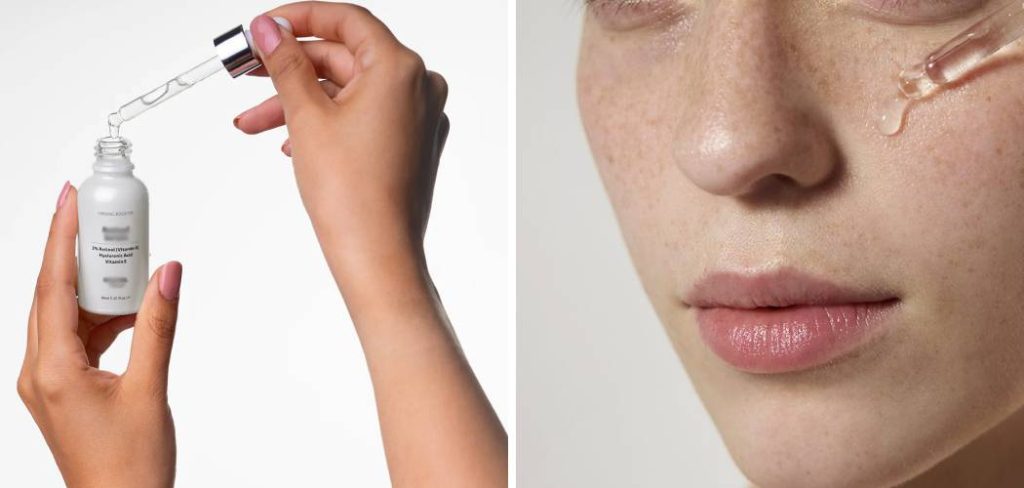
What Is Retinol?
Retinol is a derivative of Vitamin A and falls under a broader category of compounds known as retinoids. It is one of the most well-researched ingredients in dermatology, famous for its ability to speed up cell turnover and boost collagen production. Unlike stronger prescription retinoids like tretinoin, retinol is available over the counter and is generally gentler, making it an excellent starting point for most people.
When applied topically, enzymes in your skin convert retinol into retinoic acid, which then works at a cellular level to alter the behavior of aged cells so they act more youthful. This process helps to unclog pores, smooth out texture, and reduce hyperpigmentation. Because it encourages the shedding of dead skin cells, it reveals fresher, brighter skin underneath, though this potency means it must be introduced slowly to avoid irritation.
Benefits of Using Retinol Serum
Using retinol serum offers a multitude of benefits for the skin, making it a highly popular choice in skincare routines. One of its primary advantages is its ability to promote collagen production, which helps to reduce the appearance of fine lines and wrinkles, creating a more youthful and firm complexion. Retinol also works as a powerful agent to improve skin texture by minimizing the appearance of pores and smoothing out unevenness.
Additionally, its exfoliating properties encourage cell turnover, aiding in the reduction of dark spots and hyperpigmentation for a brighter and more even skin tone. For those with acne-prone skin, retinol can be especially beneficial as it helps to unclog pores and prevent breakouts. With consistent use, retinol serum can deliver visibly healthier and glowing skin.

7 Simple Step-by-step Guidelines on How to Use Retinol Serum
Step 1: Start with a Gentle Cleanse
Before applying any active ingredients, it is absolutely vital to start with a completely clean canvas to ensure the product penetrates effectively without barriers. Use a gentle, non-stripping cleanser that removes dirt, oil, and makeup without disrupting your skin’s natural moisture barrier or leaving it feeling tight and squeaky. Avoid using physical scrubs or harsh exfoliants during this step, as your skin needs to be calm and prepped, not agitated, before meeting a potent ingredient like retinol.
Washing your face thoroughly prepares the skin to receive the serum and reduces the risk of irritation caused by trapped pollutants or residue interacting with the retinol. Once you have cleansed, pat your face dry with a soft, clean towel. It is important to wait until your skin is completely dry before moving to the next step, as applying retinol to damp skin can increase absorption too quickly, potentially leading to increased sensitivity and irritation.
Step 2: Ensure Your Skin Is Completely Dry
After cleansing, patience is your best friend; you must ensure that your skin is totally dry before applying your retinol serum. Water functions as a vehicle that drives products deeper into the skin layers faster, and while this is great for hydrating toners or hyaluronic acid, it is detrimental when using strong actives like retinol. Applying retinol on damp skin can significantly intensify its potency, leading to a higher likelihood of “retinol burn,” stinging, redness, and peeling.
Wait at least 5 to 10 minutes after washing your face to allow all residual moisture to evaporate completely from the surface of your skin. This brief waiting period acts as a safety buffer, ensuring the retinol absorbs at a controlled, manageable rate. If you are new to retinoids or have sensitive skin, being diligent about this step can make the difference between a successful integration and a painful reaction that forces you to stop using the product altogether.
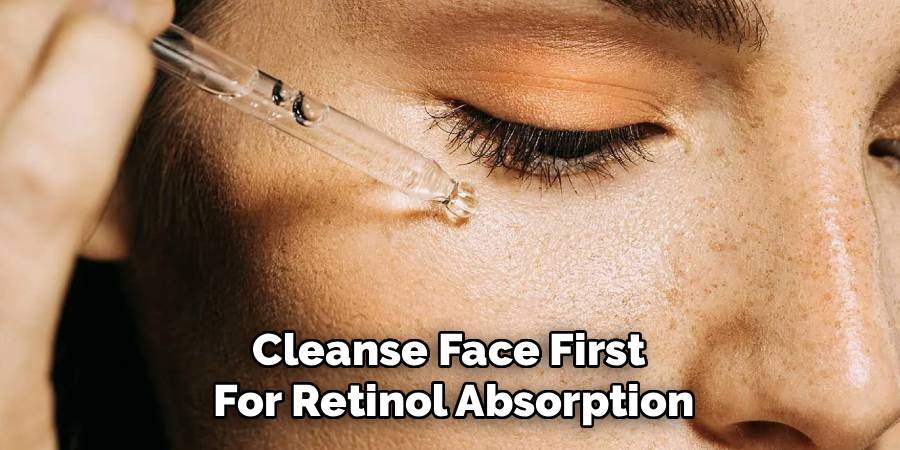
Step 3: Apply a Pea-Sized Amount
When it comes to retinol, the phrase “less is more” is not just a suggestion; it is a golden rule that dictates the health of your skin barrier. Dispense a small, pea-sized amount of serum onto your fingertip—this is truly enough to cover your entire face effectively. Many beginners make the mistake of thinking that applying a thick layer will yield faster results, but in reality, over-application only increases the risk of severe irritation, dryness, and a compromised skin barrier without improving efficacy.
To ensure even distribution, dot the pea-sized amount onto your forehead, cheeks, nose, and chin before gently spreading it out. Massage the product into your skin using light, upward strokes, avoiding the delicate eye area and the corners of the mouth where skin is thinner and more prone to cracking. This method ensures that every part of your face receives a uniform dose of the active ingredient, preventing “hot spots” of irritation while maximizing the anti-aging and clearing benefits across your entire complexion.
Step 4: Use the Sandwich Method (Optional for Beginners)
If you have sensitive skin or are terrified of the potential dryness associated with retinization, the “sandwich method” is an excellent technique to buffer the intensity. This involves applying a layer of lightweight moisturizer first, letting it dry, then applying your retinol, and finally following up with another layer of moisturizer. This technique creates a physical buffer that slows down the absorption rate of the retinol, making it much gentler on the skin without rendering it ineffective.
Using this method significantly reduces the likelihood of redness, flaking, and irritation, allowing your skin to acclimate to the new ingredient comfortably. It effectively dilutes the strength of the retinol slightly as it passes through the first moisturizing layer, which acts as a safety net for reactive skin types. Over time, as your skin builds tolerance, you can slowly transition to applying retinol directly to clean skin, but the sandwich method remains a valid long-term strategy for those with persistently dry or sensitive complexions.
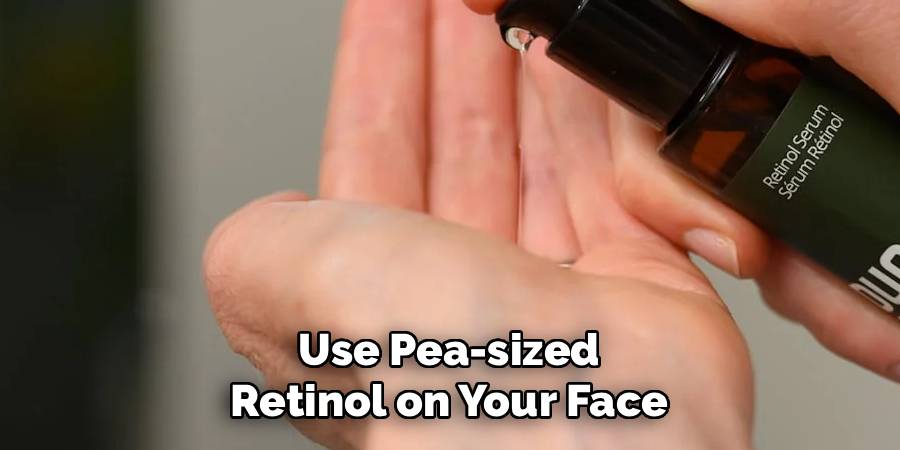
Step 5: Follow with a Moisturizer
Once your retinol serum has absorbed into the skin—usually after waiting a few minutes—it is crucial to lock everything in with a nourishing moisturizer. Retinol speeds up cell turnover, which can temporarily disrupt the skin’s lipid barrier and lead to increased transepidermal water loss (TEWL). A good moisturizer replenishes hydration, soothes the skin, and reinforces the barrier, counteracting the drying effects of the treatment and keeping the skin soft and supple.
Look for moisturizers containing ingredients like ceramides, hyaluronic acid, or peptides, which support skin repair and hydration. Avoid moisturizers with other strong actives like alpha-hydroxy acids (AHAs) or benzoyl peroxide at the same time, as mixing too many actives can overwhelm the skin. Generously applying a cream or lotion seals in the retinol and provides a comforting blanket of moisture that works overnight to minimize potential side effects like flaking or tightness.
Step 6: Start Slowly with Frequency
The biggest mistake people make with retinol is using it every single night right from the start, assuming their skin can handle it immediately. To build tolerance safely, you must introduce the product gradually, starting with application just one or two nights a week for the first few weeks. This “low and slow” approach allows your skin’s retinoid receptors to upregulate without being overwhelmed, significantly reducing the inflammatory response often called the “retinol uglies.”
Monitor your skin closely during this introduction phase; if you notice no irritation after two weeks, you can increase usage to every other night. Eventually, if your skin remains happy and healthy, you can work your way up to nightly use, but remember that consistency is more important than frequency. Using retinol three times a week consistently for a year yields better long-term results than using it nightly for a week, damaging your barrier, and having to stop for a month to recover.

Step 7: Apply Sunscreen Every Morning
Using retinol makes your skin significantly more sensitive to sunlight because it thins the very top layer of dead skin cells that usually offers a tiny bit of natural protection. Therefore, applying a broad-spectrum sunscreen with an SPF of 30 or higher every single morning is non-negotiable, regardless of the weather. Failing to protect your skin from UV rays while using retinol can counteract all your hard work, leading to sunburn, increased hyperpigmentation, and accelerated aging—the very things you are trying to treat.
Make sunscreen the final step of your morning skincare routine, applying it generously to your face, neck, and any exposed areas. Reapply throughout the day if you are outdoors or sweating, as UV damage is the primary cause of preventable skin aging. Think of sunscreen as the insurance policy for your retinol investment; without it, you are leaving your fresh, new skin cells vulnerable to damage, rendering your nighttime routine less effective and potentially harmful in the long run.
Following these steps on how to use retinol serum in your skincare routine will ensure that you are maximizing its benefits and avoiding any potential side effects. However, it is important to note that retinol can still cause some irritation or dryness, especially when first starting out. If this occurs, try reducing the frequency of use or using a lower concentration of retinol until your skin adjusts.
Tips for Best Results
To truly maximize the efficacy of your retinol serum, consistency and patience are your most valuable tools. Results from retinol are cumulative and often take anywhere from three to six months to become visibly noticeable, so do not get discouraged if you don’t see overnight changes. During the first few weeks, you may experience “purging,” where acne seemingly gets worse before it gets better; stick with it, as this is a sign the product is clearing out deep congestion.
Additionally, streamline the rest of your routine by avoiding other harsh exfoliants like glycolic acid or salicylic acid on the nights you use retinol to prevent barrier damage. Finally, consider applying retinol to your neck and décolletage as well, but mix it with moisturizer first, as the skin in these areas has fewer oil glands and is more prone to irritation.

Common Mistakes to Avoid
One major error is applying retinol in the morning; sunlight breaks down the active ingredients, rendering them ineffective, so always use it at night. Another common pitfall is giving up as soon as mild peeling starts; this is a normal part of the process, not necessarily an allergic reaction.
Many users also make the mistake of applying it too close to the eyes or lips without a barrier cream, leading to painful cracking. Lastly, do not rush the process by switching to a higher percentage strength too quickly; mastering a lower concentration is better than damaging your skin with a high one.
Frequently Asked Questions
Q1: Can I Use Retinol If I Have Sensitive Skin?
Yes, individuals with sensitive skin can absolutely use retinol, but they must approach it with extra caution and strategy. The key is to choose a low concentration, such as 0.01% to 0.03%, or opt for encapsulated retinol formulas, which release the active ingredient slowly over time to minimize irritation. The “sandwich method”—applying moisturizer before and after the retinol—is highly recommended for sensitive types to create a buffer. It is also crucial to start very slowly, applying it only once a week initially, and listening to your skin; if redness or stinging occurs, skip a few days and focus on hydration until the barrier repairs itself.
Q2: What Ingredients Should Not Be Mixed With Retinol?
You should avoid mixing retinol with other potent active ingredients like Alpha Hydroxy Acids (AHA,s such as glycolic or lactic acid), Beta Hydroxy Acids (BHAs like salicylic acid), and Vitamin C in the same routine. Using these simultaneously can lead to over-exfoliation, severe irritation, and a compromised skin barrier, manifesting as redness and stinging. Benzoyl peroxide can also deactivate some forms of retinol, making both less effective. Instead, use Vitamin C in the morning and retinol at night, or alternate nights between your exfoliating acids and your retinol treatment to get the benefits of both without overwhelming your skin.

Conclusion
Incorporating retinol serum into your skincare routine is one of the most effective ways to achieve long-term skin health and radiance. While the process requires patience and a careful application strategy, the results—smoother texture, reduced wrinkles, and clearer pores—are well worth the effort.
By following the step-by-step guidelines on how to use retinol serum and listening to your skin’s needs, you can navigate the adjustment period safely. Remember that skincare is a marathon, not a sprint; consistency with your retinol and daily sun protection will ensure you enjoy a youthful, glowing complexion for years to come.

About the Author
Jane Hubbard is a passionate beauty expert with a wealth of experience in makeup, hair, and overall beauty techniques. After years of working as a hairdresser specialist, she followed her entrepreneurial spirit and started her own consultancy business.
Jane has always been driven by her desire to help others feel confident in their own skin, and she does this by sharing her knowledge, experiences, and practical beauty tips. Through her consultancy, she empowers individuals to embrace their unique beauty, offering tailored guidance that boosts both self-esteem and personal style.
Professional Focus
- Specializes in makeup, hairstyling, and beauty consulting.
- Provides personalized beauty advice, tips, and techniques to help individuals feel confident in their appearance.
- Dedicated to staying up-to-date with the latest industry trends and developments.
- Passionate about creating a comfortable and empowering experience for every client.
Education History
- University of Craft and Design – Bachelor of Fine Arts (BFA) in Woodworking and Furniture Design
- Woodworking Apprenticeships – Extensive hands-on training with skilled craftsmen to refine carpentry and furniture making techniques
- Online Courses & Masterclasses – Continued education in advanced woodworking techniques, design principles, and specialized tools
Expertise:
- Makeup artistry, hairstyling, and beauty consulting.
- Personalized beauty techniques to enhance confidence and self-expression.
- Educating clients on how to maintain their beauty routines at home.