

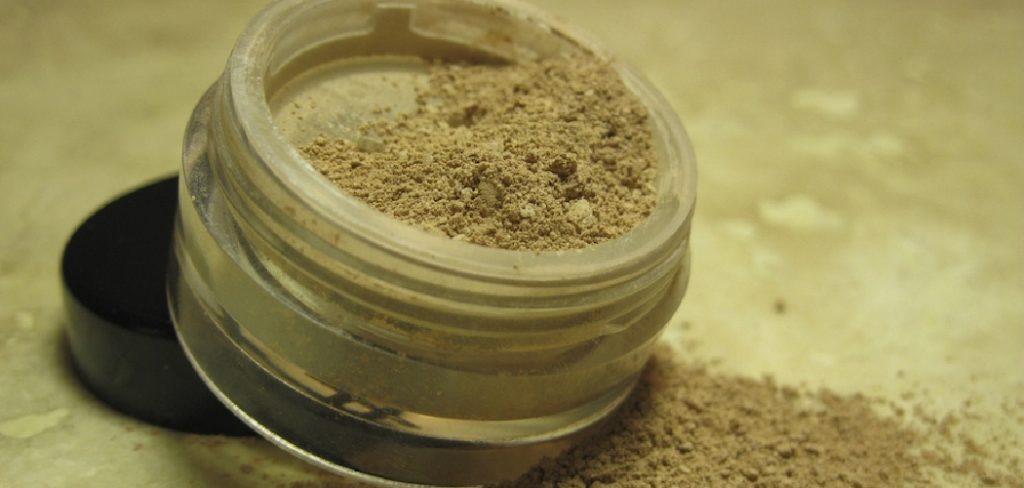
Translucent powder is often the unsung hero of a makeup bag. Unlike pressed powder foundation, which adds coverage and color, translucent powder is sheer and designed solely to lock your liquid and cream products in place. It absorbs excess oil, blurs texture, and ensures your look stays fresh from morning until night. However, for many beginners, this white, dusty product can be intimidating. There is often a fear that it will look cakey, dry out the skin, or leave a ghostly white cast in flash photography.
The good news is that these mishaps usually come down to application technique rather than the product itself. Learning how to use translucent powder effectively can completely transform your makeup game, giving you that airbrushed, professional finish. Whether you want to “bake” your under-eyes for a dramatic highlight or simply mattify your nose, the right technique makes all the difference. In this guide, we will walk you through the specific steps to mastering this essential product so you can say goodbye to creasing and shine for good.
Step-by-Step Guide: How to use translucent powder
Step 1: Prep the Skin with Hydration
Before you even reach for your makeup brushes, the condition of your skin will dictate how well your powder sits. If your skin is dehydrated or dry, applying a layer of powder on top will only emphasize flakes and texture, leading to that dreaded “cakey” appearance. Start with a clean canvas and apply a moisturizer suited to your skin type. Allow the moisturizer to fully absorb for at least five minutes before applying your primer, foundation, and concealer. This hydration barrier ensures that when you eventually apply the powder, it settles smoothly over the skin rather than clinging to dry patches, creating a flawless base for the rest of your routine.
Step 2: Choose the Right Application Tool
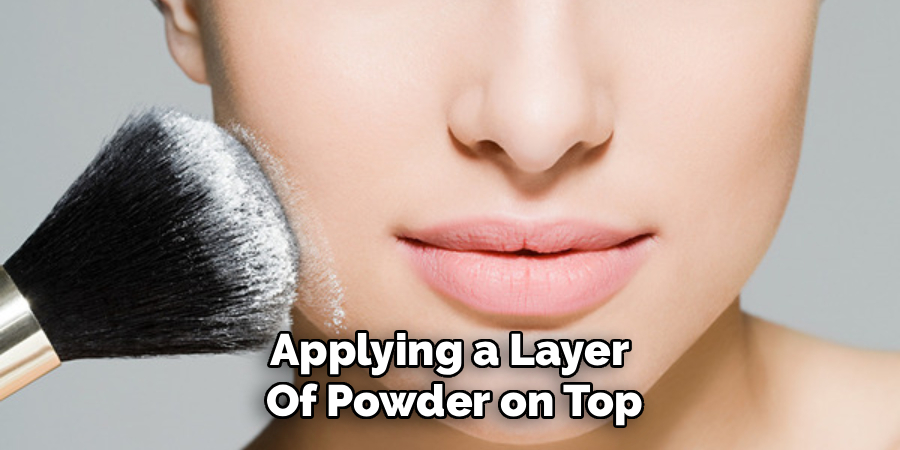
The tool you select for application will dramatically change the finish of your makeup. For a heavy-duty, long-lasting matte finish, a makeup sponge or a velvet powder puff is your best friend. These tools allow you to press the product firmly into the skin, which is ideal for areas that get very oily. However, if you prefer a more natural, skin-like finish or have drier skin, opt for a large, fluffy powder brush or a tapered setting brush. A brush picks up less product and distributes it as a fine veil, preventing the look from becoming too heavy or thick. Understanding your skin type helps you grab the right tool for the job.
Step 3: Pick Up and Tap Off Excess Product
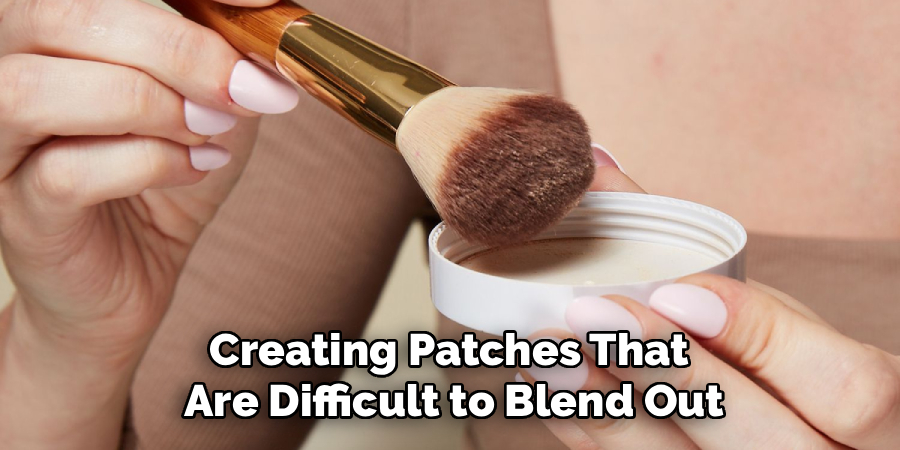
One of the most common mistakes beginners make when learning how to use translucent powder is going in with too much product at once. Whether you are using a brush or a sponge, dip your tool into the loose powder and then vigorously tap the handle against your wrist or the side of the container. You want to see the excess dust fall off before the tool touches your face. If you apply a brush loaded with too much powder directly to your foundation, it can stick to the wet base unevenly, creating patches that are difficult to blend out later. Building up sheer layers is always more effective than applying one thick layer.
Step 4: Apply Using a Press and Roll Motion
When you are ready to apply the powder to your face, avoid dragging or swiping the brush across your skin. Since your foundation and concealer are still somewhat wet or tacky, swiping can physically move the makeup underneath, causing streaks or coverage loss. Instead, use a “press and roll” motion. Gently press the brush or sponge onto the skin and roll it slightly to deposit the powder. This technique pushes the powder into the foundation, locking it in place and filling in pores for a smooth texture. Continue this pressing motion until you have covered the necessary areas, ensuring you are setting the makeup rather than disturbing it.
Step 5: Focus on the T-Zone for Oil Control
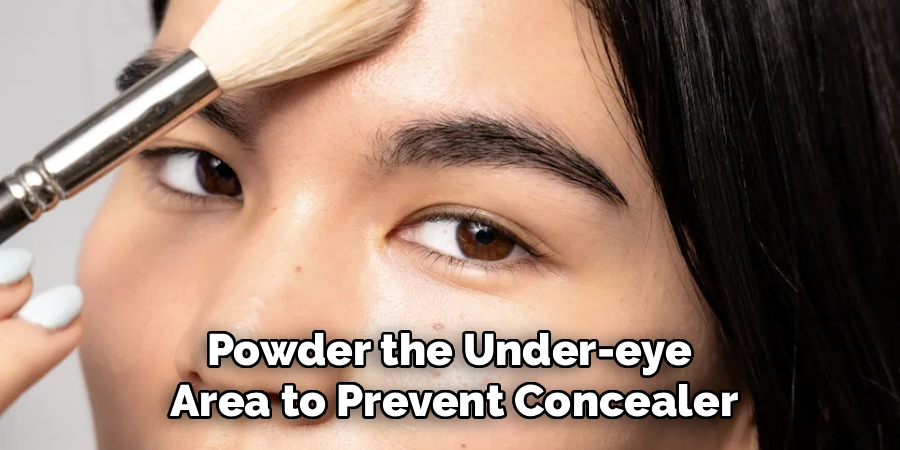
You generally do not need to powder your entire face heavily unless you have extremely oily skin. Over-powdering the cheeks, which tend to be drier, can make you look flat and lifeless. Instead, concentrate your efforts on the T-zone: the center of the forehead, down the nose, and the chin. These are the areas where sebaceous glands are most active and where makeup tends to break down fastest. You should also lightly powder the under-eye area to prevent concealer from settling into fine lines. By keeping the perimeter of your face dewy and only mattifying the center, you maintain dimension and a natural glow while keeping oil in check.
Step 6: Let the Powder Set or ‘Bake’
For those who need their makeup to withstand extreme heat, sweat, or a long night out, you might want to try “baking.” This involves leaving a generous layer of translucent powder on your skin for five to ten minutes before dusting it off. As the powder sits, your natural body heat helps the product merge with your foundation and concealer. When figuring out how to use translucent powder for maximum longevity, this technique is a game-changer. It effectively “cooks” the makeup into place, providing a brightening effect and an incredibly smooth finish. However, if you have dry skin, skip the bake time and dust it off immediately to avoid dehydration.
Step 7: Dust Away the Excess for a Natural Finish
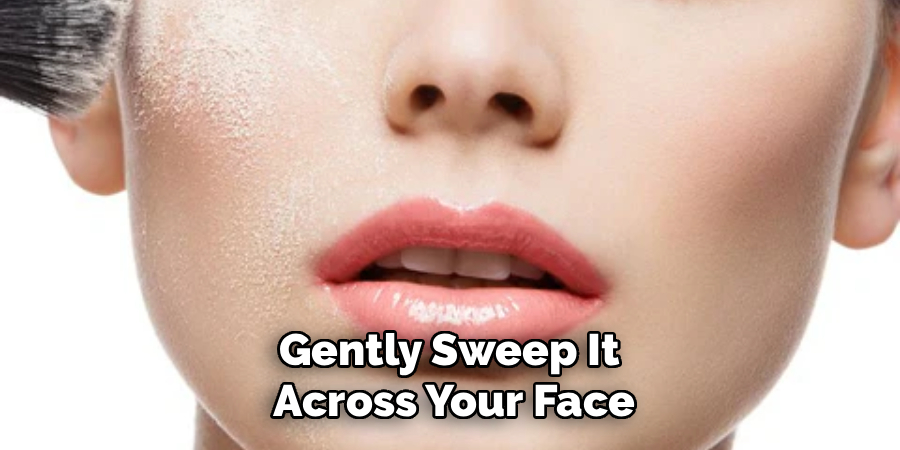
Once you have set your face or finished baking, the final step is to remove any lingering powder that hasn’t melted into the skin. Take a clean, fluffy brush—different from the one you used to pack the powder on—and gently sweep it across your face. This removes the powdery residue that can cause “flashback” (that white cast in photos) and ensures your skin looks like skin, not dust. Use light, outward strokes to blend everything seamlessly. Once the excess is gone, you can proceed with your bronzer, blush, and highlighter, which will now glide on smoothly over your silky, set base without becoming patchy or muddy.
Frequently Asked Questions
Is Translucent Powder The Same As Setting Powder?
Not exactly, though the terms are often used interchangeably. “Setting powder” describes the function of the product—it sets your makeup. “Translucent” describes the color—or lack thereof. Translucent powder is a type of setting powder that is clear and colorless, making it suitable for various skin tones. However, you can also buy tinted setting powders that match your skin color to provide extra coverage. Essentially, all translucent powders are setting powders, but not all setting powders are translucent.
Can I Use Translucent Powder On Dry Skin?
Yes, you absolutely can use it on dry skin, but moderation is key. If you have a dry complexion, you should avoid “baking” as this can suck moisture out of the skin and accentuate flaky patches. Instead, use a small, fluffy brush to lightly dust a very small amount of powder only on the areas where your makeup tends to crease, such as under the eyes or around the nose. Look for powders that contain hydrating ingredients like hyaluronic acid to prevent that tight, dry feeling.
Will Translucent Powder Give Me Flashback In Photos?
Flashback occurs when ingredients in the powder reflect light from a camera flash, creating a white cast on the skin. This is often caused by silica or SPF ingredients like titanium dioxide and zinc oxide found in some powders. To avoid this, look for a translucent powder specifically formulated to be “no-flashback” or “photo-ready.” Always make sure to buff away excess powder thoroughly before finishing your look. If you know you will be taking lots of flash photos, test your makeup with a phone camera flash at home first.
Should I Apply Powder Before Or After Foundation?
The standard rule of thumb is to apply powder after your liquid and cream products (like foundation and concealer) to set them in place. Applying powder before liquid foundation can cause the liquid to pill or look textured. However, there is a hack called the “Wayne Goss method” where you apply a very light layer of powder underneath foundation to increase longevity and oil control. For beginners, sticking to the traditional “liquids first, powders second” order is the safest bet for a flawless result.
Can I Use Translucent Powder Without Foundation?
Yes, translucent powder is great for “no-makeup” makeup days. If you want to reduce shine without wearing a full face of foundation, you can apply a light layer of translucent powder over your bare skin or over sunscreen. It will help mattify an oily T-zone and blur pores slightly, giving you a fresh, clean look. Just make sure your skin is well-moisturized beforehand so the powder blends evenly and doesn’t cling to dry spots.
Conclusion
Mastering the art of setting your makeup does not have to be complicated. By preparing your skin properly, choosing the right tools, and applying the product with a gentle hand, you can achieve a finish that looks polished and stays put all day. Remember that makeup is personal; what works for an oily skin type might not work for a dry one, so feel free to adjust the amount of powder you use based on your skin’s needs. Now that you know exactly how to use translucent powder, you can confidently tackle your day without worrying about shine, creasing, or fading.

About the Author
Jane Hubbard is a passionate beauty expert with a wealth of experience in makeup, hair, and overall beauty techniques. After years of working as a hairdresser specialist, she followed her entrepreneurial spirit and started her own consultancy business.
Jane has always been driven by her desire to help others feel confident in their own skin, and she does this by sharing her knowledge, experiences, and practical beauty tips. Through her consultancy, she empowers individuals to embrace their unique beauty, offering tailored guidance that boosts both self-esteem and personal style.
Professional Focus
- Specializes in makeup, hairstyling, and beauty consulting.
- Provides personalized beauty advice, tips, and techniques to help individuals feel confident in their appearance.
- Dedicated to staying up-to-date with the latest industry trends and developments.
- Passionate about creating a comfortable and empowering experience for every client.
Education History
- University of Craft and Design – Bachelor of Fine Arts (BFA) in Woodworking and Furniture Design
- Woodworking Apprenticeships – Extensive hands-on training with skilled craftsmen to refine carpentry and furniture making techniques
- Online Courses & Masterclasses – Continued education in advanced woodworking techniques, design principles, and specialized tools
Expertise:
- Makeup artistry, hairstyling, and beauty consulting.
- Personalized beauty techniques to enhance confidence and self-expression.
- Educating clients on how to maintain their beauty routines at home.