

Tretinoin is a powerful and widely respected ingredient in the world of skincare, often hailed as a gold standard for treating a variety of skin concerns.
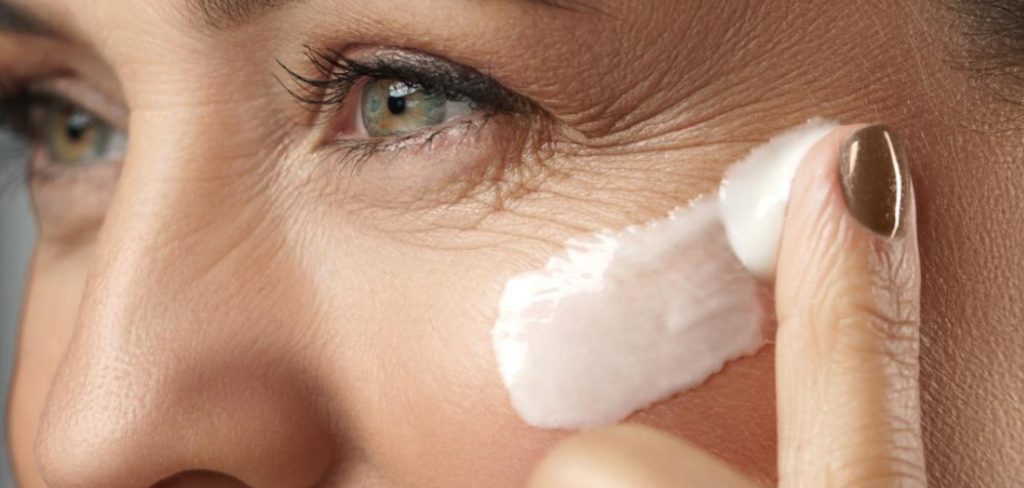
As a prescription-strength retinoid, a derivative of Vitamin A, it works on a cellular level to speed up skin cell turnover. This process helps to reveal fresher, healthier skin. Its popularity stems from decades of research backing its effectiveness for everything from acne to signs of aging, making it a go-to recommendation for dermatologists.
If you’ve been prescribed this potent cream, understanding how to use tretinoin cream is key to unlocking its benefits while minimizing potential irritation.
What are the Benefits?
The reasons for tretinoin’s esteemed status are numerous. Its ability to accelerate cell renewal provides a range of significant benefits for the skin.
- Acne Reduction: Tretinoin is highly effective at treating acne. It works by preventing pores from becoming clogged with dead skin cells and sebum, which are the primary causes of pimples, blackheads, and whiteheads. It also has anti-inflammatory properties that help calm existing breakouts.
- Improved Skin Texture: By promoting the shedding of old, rough surface cells, tretinoin helps to smooth the skin’s texture. With consistent use, skin can feel softer and look more refined.
- Minimization of Fine Lines and Wrinkles: One of its most celebrated benefits is its anti-aging effect. Tretinoin stimulates the production of collagen, a protein that provides structure and elasticity to the skin. This can lead to a visible reduction in fine lines and wrinkles over time.
- Fading Hyperpigmentation: Tretinoin can also help even out skin tone. It aids in dispersing melanin granules in the skin, which can lighten dark spots, sun spots, and post-inflammatory hyperpigmentation left behind by acne.
What Will You Need?
To ensure your tretinoin journey is as smooth as possible, it’s important to have the right supporting products in your routine. Tretinoin can be drying and sensitizing, especially at first, so a gentle and hydrating routine is essential.
- A Gentle Cleanser: Choose a mild, non-stripping cleanser that cleans your skin without causing dryness or irritation. Creamy or gel-based formulas are often a good choice.
- A High-Quality Moisturizer: A good moisturizer is non-negotiable. Look for one with ingredients like ceramides, hyaluronic acid, and glycerin to help repair and maintain your skin’s moisture barrier.
- Broad-Spectrum Sunscreen (SPF 30 or higher): Tretinoin makes your skin more sensitive to the sun. Daily use of a broad-spectrum sunscreen is crucial to protect your skin from UV damage and prevent further irritation.
- Tretinoin Cream: Your prescribed medication.
10 Easy Steps on How to Use Tretinoin Cream
Proper application is the most critical factor in achieving great results with tretinoin while keeping side effects like redness, peeling, and dryness at bay. Follow these steps carefully, especially if you are a new user.
Step 1: Start with an Evening Routine
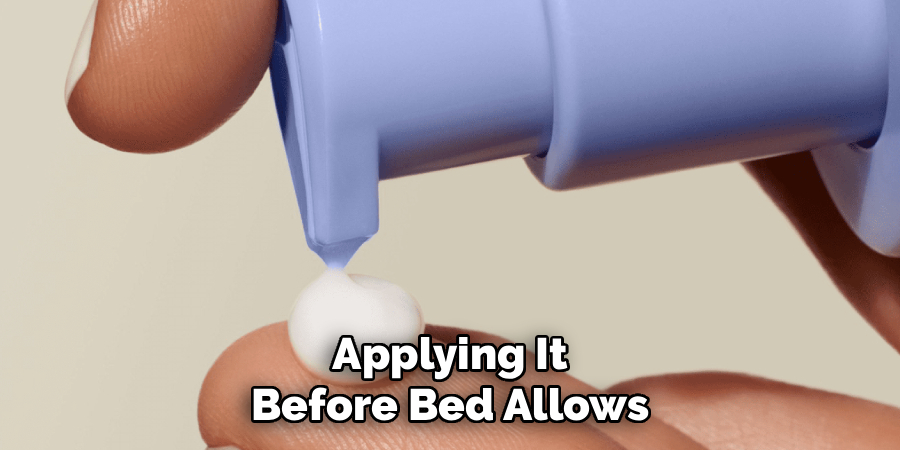
Tretinoin should only be applied at night. This is because the active ingredient can be degraded by sunlight, making it less effective. Furthermore, applying it before bed allows the cream to work uninterrupted during your skin’s natural regenerative cycle. Designating it as a nighttime-only product helps create a consistent routine, which is vital for seeing long-term results. Using it during the day would also increase your skin’s photosensitivity to a level that is difficult to manage, even with sunscreen. By reserving its use for the evening, you protect both the efficacy of the product and the health of your skin.
Step 2: Cleanse Your Face Thoroughly
Before you do anything else, you must start with a clean canvas. Use your gentle, non-medicated cleanser to wash your face, removing all makeup, sunscreen, dirt, and oil from the day. Use lukewarm water, as hot water can strip the skin of its natural oils and increase sensitivity. Pat your skin dry with a soft towel. Avoid rubbing your skin, as this can cause friction and irritation, which you want to minimize when using a powerful active like tretinoin. A clean face ensures that the tretinoin can penetrate the skin effectively without being blocked by impurities.
Step 3: Wait for Your Skin to Dry Completely
This is a simple but incredibly important step that is often overlooked. After cleansing, you must wait until your skin is completely bone dry before applying tretinoin. A common recommendation is to wait at least 20-30 minutes. Applying tretinoin to damp skin can increase its absorption, which sounds like a good thing but often leads to a higher likelihood of irritation, redness, and peeling. Allowing your skin to dry fully helps to moderate the absorption rate, giving your skin a chance to acclimate to the potent ingredient more gently. Use this waiting time to brush your teeth or get ready for bed.
Step 4: Dispense a Pea-Sized Amount
Less is truly more with tretinoin. The correct amount for your entire face is a pea-sized dab. Squeeze this small amount onto your fingertip. It can be tempting to use more, thinking it will lead to faster or better results, but this is a major mistake. Over-applying tretinoin will not speed up your progress; it will only significantly increase your chances of experiencing severe dryness, peeling, and irritation. A single pea-sized amount is sufficient to create a thin, effective layer across your entire face. Resisting the urge to use more is a key part of a successful tretinoin journey.

Step 5: Dot the Product on Your Face
To ensure even distribution, take the pea-sized amount of tretinoin and gently dot it around your face. Place small dots on your forehead, cheeks, nose, and chin. This method helps prevent you from concentrating too much product in one product. It makes it easier to spread a thin, even layer across all targeted regions. By distributing it this way, you ensure that every part of your face receives a similar amount of the active ingredient, leading to more uniform results and reducing the risk of localized irritation from applying too thick a layer in one spot.
Step 6: Gently Spread the Cream
Using your fingertips, gently spread the dots of tretinoin across your skin, connecting them in a thin, even layer. Use light, upward strokes to cover your entire face. Think of it as applying a very light film, not a thick cream. The goal is to have an invisible layer of the product. You should not see any white streaks or feel a heavy residue on your skin. If you do, you have likely used too much. Being gentle during application helps avoid any unnecessary physical irritation of the skin.
Step 7: Avoid Sensitive Areas
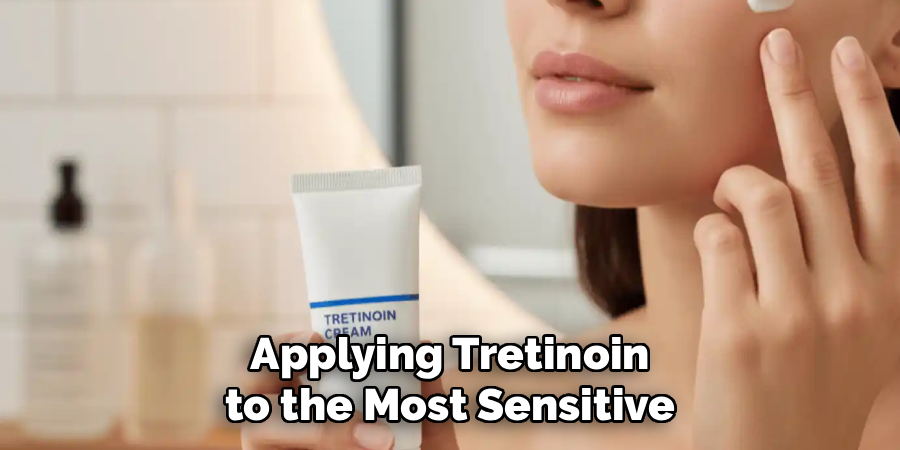
Be very careful to avoid applying tretinoin to the most sensitive areas of your face. This includes the delicate skin around your eyes, the corners of your nose, and the corners of your mouth. These areas are prone to becoming excessively dry, cracked, and irritated. Some people find it helpful to apply a barrier cream, like a thick moisturizer or petroleum jelly, to these sensitive spots before applying tretinoin to protect them from accidental exposure. This proactive step can save you from a lot of discomfort.
Step 8: Start Slowly
When you first begin using tretinoin, do not start with nightly application. Your skin needs time to adjust. This process is often called retinization. Begin by applying it only two or three times a week (e.g., Monday and Thursday). Pay close attention to how your skin responds. If you experience minimal irritation, you can gradually increase the frequency over several weeks, moving to every other night, and eventually to every night if your skin can tolerate it. This slow and steady approach is the best way to acclimate your skin and minimize side effects.
Step 9: Follow with Moisturizer
After waiting a few minutes for the tretinoin to absorb, follow up with a generous layer of a gentle, hydrating moisturizer. This step is crucial for combating the dryness and peeling that tretinoin can cause. A good moisturizer will help support your skin’s moisture barrier, keeping it comfortable and healthy. Some people prefer the “sandwich method,” where they apply a layer of moisturizer, let it dry, apply tretinoin, and then apply another layer of moisturizer on top. This can be especially helpful for those with very dry or sensitive skin.
Step 10: Be Consistent and Patient
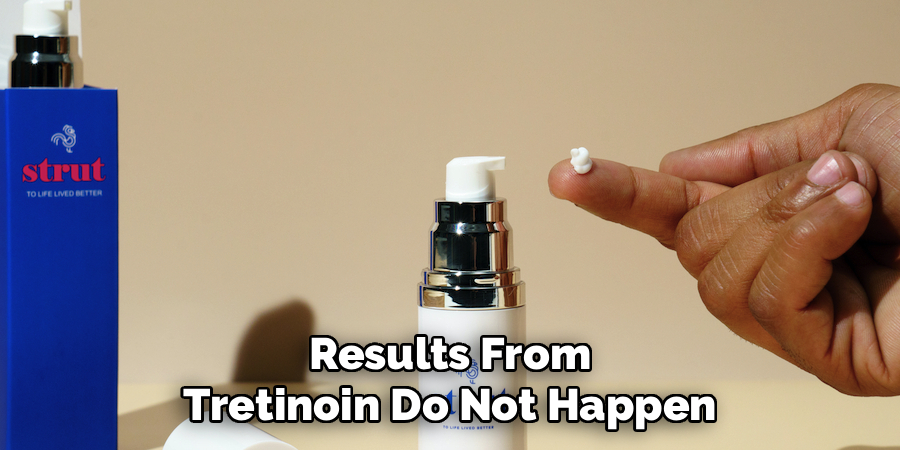
Results from tretinoin do not happen overnight. It is a long-term treatment, and consistency is key. You may not see significant improvements for 8-12 weeks, and in the first few weeks, your skin might even look worse—a phase often referred to as “purging.” This is normal. It is essential to stick with your routine and be patient. Over time, with consistent use, you will begin to see the remarkable benefits of smoother, clearer, and more youthful-looking skin.
5 Things You Should Avoid
To get the most out of your treatment and avoid setbacks, be mindful of these common mistakes.
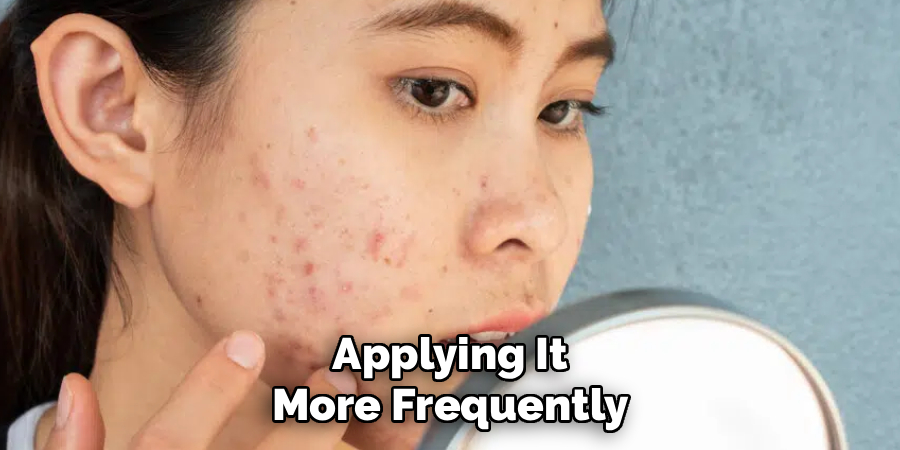
- Overusing the Product: Using more than a pea-sized amount or applying it more frequently than your skin can handle will only lead to irritation, not faster results.
- Skipping Sunscreen: Tretinoin increases photosensitivity. Failing to apply a broad-spectrum SPF 30+ every single morning will leave your skin vulnerable to sun damage, which can reverse your progress.
- Using Other Harsh Actives: Avoid using other potentially irritating ingredients like benzoyl peroxide, salicylic acid, glycolic acid, or vitamin C serums in the same routine as tretinoin, especially when you are just starting.
- Waxing Facial Hair: Do not wax areas of your face where you are applying tretinoin. The skin is more fragile, and waxing can cause it to lift or tear. Opt for tweezing or threading instead.
- Giving Up Too Soon: The initial purging and peeling phase can be discouraging, but it’s often a sign that the product is working. Stick with it for at least three months before evaluating your progress.
Conclusion
Tretinoin cream is a highly effective treatment that can dramatically improve the health and appearance of your skin.
By following a careful and consistent routine—starting slowly, using only a pea-sized amount, and prioritizing hydration and sun protection—you can minimize side effects and achieve the best possible results. Remember that this is a powerful, prescription-only medication.
Hopefully, this guide on how to use tretinoin cream has provided you with the information you need to understand how to use it safely and effectively.

About the Author
Jane Hubbard is a passionate beauty expert with a wealth of experience in makeup, hair, and overall beauty techniques. After years of working as a hairdresser specialist, she followed her entrepreneurial spirit and started her own consultancy business.
Jane has always been driven by her desire to help others feel confident in their own skin, and she does this by sharing her knowledge, experiences, and practical beauty tips. Through her consultancy, she empowers individuals to embrace their unique beauty, offering tailored guidance that boosts both self-esteem and personal style.
Professional Focus
- Specializes in makeup, hairstyling, and beauty consulting.
- Provides personalized beauty advice, tips, and techniques to help individuals feel confident in their appearance.
- Dedicated to staying up-to-date with the latest industry trends and developments.
- Passionate about creating a comfortable and empowering experience for every client.
Education History
- University of Craft and Design – Bachelor of Fine Arts (BFA) in Woodworking and Furniture Design
- Woodworking Apprenticeships – Extensive hands-on training with skilled craftsmen to refine carpentry and furniture making techniques
- Online Courses & Masterclasses – Continued education in advanced woodworking techniques, design principles, and specialized tools
Expertise:
- Makeup artistry, hairstyling, and beauty consulting.
- Personalized beauty techniques to enhance confidence and self-expression.
- Educating clients on how to maintain their beauty routines at home.