

Vulvar health is an essential aspect of overall well-being that is often overlooked or discussed in hushed tones. Many women experience discomfort in their intimate areas at some point in their lives, ranging from mild dryness to persistent irritation. These issues can stem from hormonal changes, environmental factors, or even daily habits that unknowingly disrupt the delicate balance of the skin. Fortunately, specialized products like Vulvacare cream are designed specifically to address these concerns, offering relief and restoring comfort. Unlike general body lotions that may contain harsh fragrances or irritants, Vulvacare cream is formulated to moisturize, soothe, and maintain the natural pH of the vulvar area.
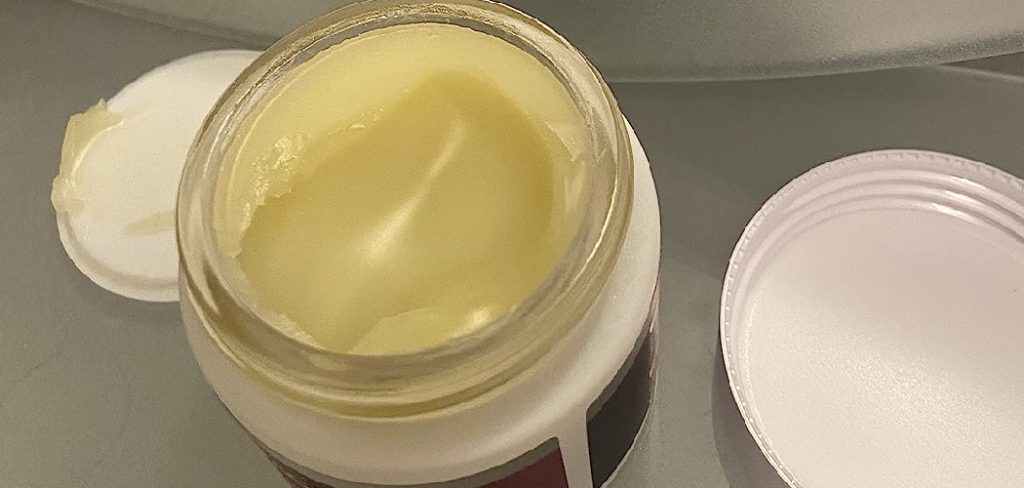
Understanding how to use Vulvacare cream correctly is just as important as choosing the right product. Proper application ensures that the active ingredients can work effectively without causing further disruption to sensitive tissue. Whether you are dealing with menopausal dryness, chafing from exercise, or general sensitivity, integrating this soothing cream into your routine can make a significant difference in your daily comfort. This guide provides a comprehensive approach to using the cream safely and effectively, empowering you to take control of your intimate health with confidence.
Understanding Why You Might Need Vulvacare Cream
Common Causes of Vulvar Irritation
The vulva is an incredibly sensitive area that reacts quickly to changes in environment and internal chemistry. One of the most common reasons women seek out relief is hormonal fluctuation. During menopause, perimenopause, or postpartum periods, estrogen levels can drop significantly. This reduction in estrogen often leads to thinning of the vulvar tissue and a decrease in natural lubrication, resulting in dryness, itching, and discomfort. This condition is not only physically uncomfortable but can also impact intimacy and daily activities like walking or sitting for long periods.
External factors also play a major role in vulvar irritation. Modern clothing trends, such as tight-fitting jeans, synthetic underwear, or workout leggings, can trap heat and moisture against the skin. This environment is ideal for bacterial growth and can lead to friction burn or chafing. Additionally, the chemicals found in everyday products are frequent culprits. Laundry detergents, fabric softeners, scented soaps, and bubble baths often contain harsh sulfates and artificial fragrances that strip the skin of its natural protective oils. Even shaving or waxing can leave the skin raw and vulnerable to irritation, creating a need for a soothing barrier to aid recovery.
How Vulvacare Cream Helps
Vulvacare cream operates on a multi-faceted level to restore health to the vulvar skin. Primarily, it acts as a high-quality moisturizer that replenishes lost hydration. By mimicking the body’s natural moisture, it alleviates the tight, dry sensation that often accompanies hormonal changes. Beyond simple hydration, the cream creates a protective barrier on the surface of the skin. This barrier is crucial for shielding raw or sensitive tissue from friction caused by clothing or movement, allowing the skin underneath to heal without constant aggravation.
Furthermore, many formulations of Vulvacare cream include botanical ingredients known for their anti-inflammatory properties, such as calendula, aloe vera, or chamomile. These ingredients work to actively reduce redness and swelling. It is important to note that most over-the-counter Vulvacare creams are non-hormonal, making them a safe option for daily use by women who may not want or cannot use prescription hormone therapies. By balancing the external pH and providing immediate soothing relief, the cream helps interrupt the itch-scratch cycle that often exacerbates vulvar conditions.
Pre-Application: What to Do Before You Start
Hygiene Best Practices
Before applying any product to the vulva, establishing a clean baseline is imperative to prevent infection. Our hands come into contact with countless surfaces throughout the day, picking up bacteria that could be harmful if introduced to sensitive intimate areas. Therefore, the very first step is always to wash your hands thoroughly with warm water and soap for at least twenty seconds. Ensure you clean under fingernails where bacteria often hide.
Once your hands are clean, you must gently cleanse the vulvar area itself. It is best to use lukewarm water for this purpose. If you feel the need to use a cleanser, ensure it is specifically designed for intimate use or is a very mild, unscented, and soap-free wash. Harsh soaps can alter the pH balance of the vulva, which is naturally acidic to ward off harmful bacteria. Avoid using washcloths or loofahs, as these can be abrasive and trap bacteria. Instead, use your clean fingers to gently rinse the area. The goal is to remove sweat, discharge, or old product residue so that the fresh application of Vulvacare cream can be absorbed directly into the skin.
Checking the Product
Safety should always be a priority when applying topicals to intimate areas. Before you begin your routine, take a moment to inspect your tube or jar of Vulvacare cream. Check the expiration date printed on the packaging. Ingredients in expired products can degrade, becoming ineffective or even irritating. If the product has been sitting unused for a long time, squeeze a small amount out to check for separation or changes in odor. If it looks or smells “off,” it is safer to discard it and purchase a new one.

Additionally, carefully read the ingredient list, especially if you have a history of skin allergies. Even “natural” ingredients can trigger reactions in some individuals. Common allergens to look out for include certain preservatives like parabens or specific botanical extracts like tea tree oil, which can be too potent for some skin types. If you are using a new brand for the first time, consider doing a patch test on your inner thigh 24 hours before applying it to the vulva to ensure you do not have an adverse reaction.
Detailed Guide: How to Use Vulvacare Cream Correctly
Step 1: Prepare the Area
After cleansing, the area must be properly dried. Moisture trapped against the skin can lead to fungal infections like yeast, so drying is a critical step. However, the skin of the vulva is delicate, so you must avoid rubbing vigorously. Instead, take a soft, clean towel and gently pat or blot the area dry. If the area is extremely sensitive or painful to the touch, you can even use a hairdryer on the “cool” setting to air-dry the skin without any friction at all. Ensure the skin is dry but not overly desiccated before moving on to application.
Step 2: Dispense the Right Amount
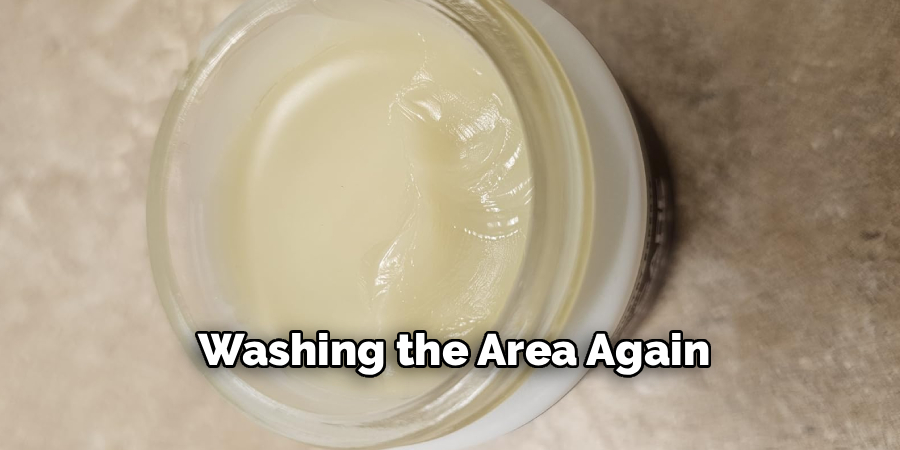
Determining the correct dosage is key to effectiveness and comfort. Generally, a pea-sized amount of cream is sufficient for the entire vulvar area. It is a common misconception that applying a thick layer will provide faster relief. In reality, applying too much cream can leave the area feeling wet and uncomfortable, potentially soiling your underwear and creating a moist environment that bacteria love. Start with a small amount on the tip of your clean finger. You can always add a little more if necessary, but it is difficult to remove excess once applied without washing the area again.
Step 3: Apply with Gentle Movements
Using your clean finger, apply the cream externally to the vulva. This includes the labia majora (outer lips), labia minora (inner lips), and the clitoral hood if irritation is present there. It is vital to remember that Vulvacare cream is typically designed for external use only. Do not insert the cream inside the vaginal canal unless the specific product instructions explicitly state it is safe for internal use. Use gentle, sweeping motions to spread the cream evenly. Avoid scratching or rubbing hard, as this can cause micro-tears in the thinning skin. The goal is to create a thin, soothing veil over the tissue.
Step 4: Allow for Absorption
One of the most frequently skipped steps is allowing the product time to absorb. After application, try to wait for a few minutes before pulling up your underwear or getting dressed. This brief pause allows the active ingredients to penetrate the skin and begin working. It also prevents the fabric of your clothing from immediately wiping the cream away, ensuring you get the full benefit of the application. During this time, you might brush your teeth or apply facial skincare to let the minutes pass efficiently.
Step 5: Clean Up
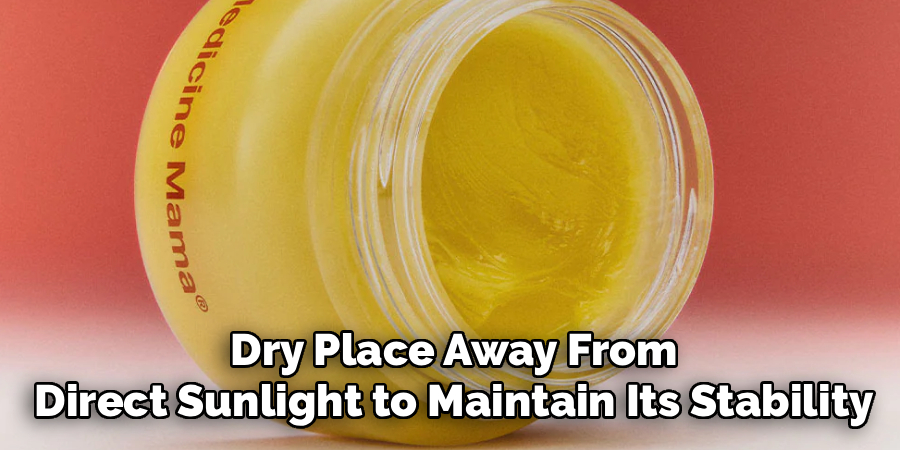
Once the cream is applied and absorbed, wash your hands thoroughly once more. This removes any residual cream and ensures you do not accidentally transfer it to your eyes or face. If you used a tube, wipe the opening with a clean tissue before recapping it to prevent bacteria from accumulating on the nozzle. Store the cream in a cool, dry place away from direct sunlight to maintain its stability.
Frequency and Timing: When to Apply
Daily Maintenance vs. Acute Irritation
The frequency of application largely depends on your specific needs and the severity of your symptoms. For general maintenance—such as combating chronic dryness associated with menopause—applying the cream once a day is usually sufficient. This regular routine helps maintain the skin’s elasticity and moisture barrier over time. Consistency is key here; skipping days may allow dryness to return.
However, if you are experiencing a flare-up of acute irritation, such as after a long bike ride or a reaction to a new laundry detergent, you may need to increase the frequency. In these cases, applying the cream two to three times a day can provide continuous relief and faster healing. Listen to your body; if you feel the dryness or itching returning midway through the day, a reapplication is likely necessary. Always ensure you clean the area gently before reapplying to avoid trapping sweat or bacteria under the new layer of cream.
Best Time of Day
While you can apply Vulvacare cream at any time, the most effective time is often right before bed. During sleep, your body goes into repair mode, and applying the cream at night allows it to work uninterrupted for several hours. You are less likely to be walking, exercising, or wearing tight clothing, which minimizes friction and ensures the cream stays in place. Furthermore, applying it after a warm evening shower locks in the moisture from the water, maximizing hydration. If you apply it in the morning, give it ample time to absorb before you start your daily activities to prevent it from rubbing off.
Safety Precautions and Things to Avoid
What Not to Do
While Vulvacare cream is generally safe, there are critical precautions to observe. As mentioned previously, strictly adhere to the “external use only” rule unless your specific product is formulated for internal vaginal use. Introducing external creams into the vagina can disrupt the internal pH balance and lead to bacterial vaginosis or yeast infections.
Additionally, be cautious about using the cream immediately before sexual intercourse. Some oil-based creams can compromise the integrity of latex condoms, increasing the risk of breakage. Even if condoms are not used, the cream might alter sensation or cause irritation for a partner. It is advisable to check the product packaging for warnings regarding compatibility with latex and sexual activity. If you are unsure, apply the cream after intimacy rather than before.

Signs of an Allergic Reaction
Despite the gentle formulation of most Vulvacare products, individual allergic reactions can occur. It is crucial to monitor how your skin responds after the first few applications. Normal sensations might include a cooling relief or a slight tingling that dissipates quickly. However, if you experience intense burning, stinging that persists, increased redness, or swelling, these are signs of an allergic reaction or sensitivity. If any of these symptoms appear, stop using the product immediately. Wash the area gently with cool water to remove the cream and wait to see if symptoms subside. If the reaction is severe, consult a healthcare provider.
Complementary Lifestyle Tips for Vulvar Health
Clothing Choices
The effectiveness of Vulvacare cream can be significantly boosted—or hindered—by your clothing choices. To promote healing and prevent further irritation, opt for underwear made from 100% cotton. Cotton is a breathable natural fiber that allows air to circulate and wicks moisture away from the skin. Synthetic fabrics like nylon, polyester, and lace tend to trap heat and moisture, creating a greenhouse effect that breeds bacteria and exacerbates irritation. Similarly, try to wear loose-fitting skirts, dresses, or trousers. Tight jeans or leggings can cause friction against the vulva, rubbing off the protective cream and physically irritating the skin.
Laundry and Soaps
Your laundry routine is another hidden factor in vulvar health. The residues from strong detergents and fabric softeners remain on your underwear even after the rinse cycle. When these residues come into contact with warm, moist skin, they can cause contact dermatitis. Switch to a hypoallergenic, fragrance-free laundry detergent for your undergarments and skip the fabric softener entirely. In the shower, avoid using scented body washes or bubble baths. These products often contain harsh chemicals that strip the vulva of its natural protective oils, counteracting the benefits of the moisturizing cream. Simple water or a pH-balanced intimate wash is all that is needed.

Troubleshooting Common Issues
If Symptoms Persist
It is important to have realistic expectations. Vulvacare cream is designed to soothe irritation and dryness, but it is not a cure for infections. If you have been using the cream consistently for a week and see no improvement, or if your symptoms worsen, it is time to see a doctor. Persistent itching, unusual discharge, or a foul odor are often signs of a bacterial or fungal infection like bacterial vaginosis or thrush. These conditions require medical treatment such as antibiotics or antifungals, which a moisturizing cream cannot provide. Using cream on top of an active infection might mask symptoms temporarily but will not resolve the underlying issue.
Texture and Consistency Changes
Pay attention to the physical state of your cream over time. Natural ingredients can sometimes be less stable than synthetic ones. If you notice that the oil and water components of the cream have separated, try shaking the tube or stirring the jar if possible. However, if the texture has become gritty, slimy, or if the color has changed significantly, the product has likely spoiled. A change in smell is the most reliable indicator of spoilage; if it smells rancid or sour, discard it immediately. Using spoiled product can introduce harmful bacteria to an already sensitive area.

Conclusion
Taking care of your intimate health is a vital part of self-care, and understanding the nuances of these products empowers you to live more comfortably. By following a consistent routine—cleansing gently, applying the correct amount, and wearing breathable fabrics—you can maximize the soothing benefits of the product. Remember that knowing how to use Vulvacare cream properly is the key to managing dryness and irritation effectively. Prioritize your comfort, listen to your body’s signals, and never hesitate to consult a healthcare provider if you have persistent concerns. With the right approach, you can maintain healthy, resilient skin and enjoy a greater sense of daily well-being.

About the Author
Jane Hubbard is a passionate beauty expert with a wealth of experience in makeup, hair, and overall beauty techniques. After years of working as a hairdresser specialist, she followed her entrepreneurial spirit and started her own consultancy business.
Jane has always been driven by her desire to help others feel confident in their own skin, and she does this by sharing her knowledge, experiences, and practical beauty tips. Through her consultancy, she empowers individuals to embrace their unique beauty, offering tailored guidance that boosts both self-esteem and personal style.
Professional Focus
- Specializes in makeup, hairstyling, and beauty consulting.
- Provides personalized beauty advice, tips, and techniques to help individuals feel confident in their appearance.
- Dedicated to staying up-to-date with the latest industry trends and developments.
- Passionate about creating a comfortable and empowering experience for every client.
Education History
- University of Craft and Design – Bachelor of Fine Arts (BFA) in Woodworking and Furniture Design
- Woodworking Apprenticeships – Extensive hands-on training with skilled craftsmen to refine carpentry and furniture making techniques
- Online Courses & Masterclasses – Continued education in advanced woodworking techniques, design principles, and specialized tools
Expertise:
- Makeup artistry, hairstyling, and beauty consulting.
- Personalized beauty techniques to enhance confidence and self-expression.
- Educating clients on how to maintain their beauty routines at home.