

Nature often holds the best secrets for beauty and wellness, and the vibrant hibiscus flower is no exception. For centuries, this tropical bloom has been celebrated not just for its stunning appearance in gardens, but for its incredible ability to nourish and rejuvenate hair. Packed with amino acids, antioxidants, and vitamins, hibiscus can help stimulate hair growth, prevent premature graying, and condition dry strands.
If you are a home gardener with a bush full of these colorful flowers, you have a potent beauty treatment right in your backyard. Learning how to use hibiscus flower for hair can transform your hair care routine from a mundane chore into a luxurious, natural ritual that yields visible results.
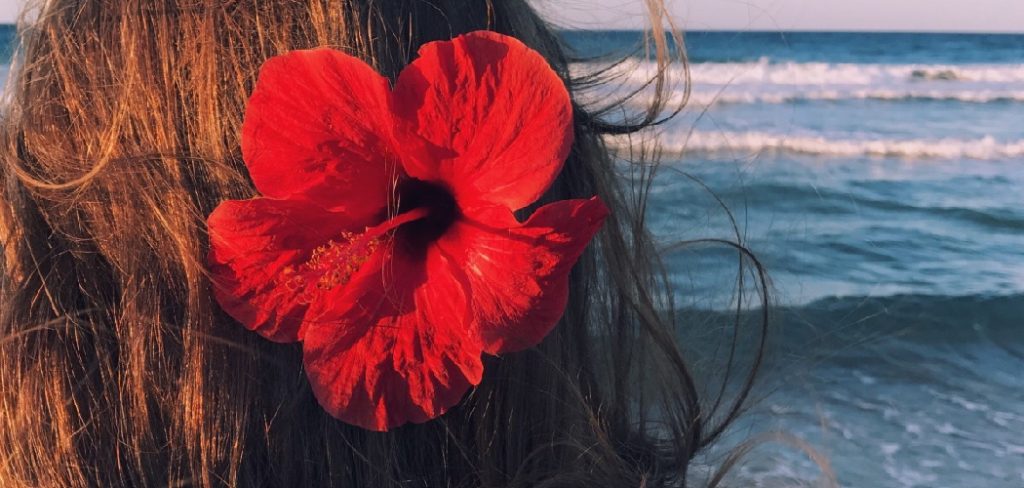
Hibiscus has been celebrated for centuries in traditional medicine and beauty practices, especially for its remarkable impact on hair health. Its natural properties make it an essential ingredient in holistic hair care, offering a chemical-free alternative to address common concerns like hair fall, dryness, and lackluster strands. By incorporating hibiscus into your routine, you can indulge in nature’s bounty to achieve softer, shinier, and healthier hair.
Why Use Hibiscus for Hair?
The hibiscus flower, scientifically known as Hibiscus rosa-sinensis, is often referred to as the “flower of hair care” in Ayurveda. Its petals and leaves contain mucilage, a natural substance that acts as a conditioner, leaving hair soft and manageable. Beyond conditioning, the flower is rich in Vitamin C and amino acids, which are the building blocks of keratin—the protein that makes up our hair. This unique chemical composition helps strengthen the hair shaft, reduce breakage, and even treat scalp issues like dandruff and itchiness.
For home gardeners, utilizing fresh blooms ensures that you are getting the maximum potency of these nutrients without the preservatives found in store-bought products. It is a sustainable, cost-effective, and deeply satisfying way to care for yourself using the fruits of your labor. Whether you are dealing with hair fall, dullness, or simply want to maintain healthy locks, incorporating hibiscus into your regimen is a game-changer.
Step-by-Step Guide
Step 1: Harvesting Fresh Hibiscus Blooms
The first step in this natural beauty process is gathering your ingredients directly from your garden. You will want to look for the red variety of Hibiscus rosa-sinensis, as it is traditionally considered the most potent for hair treatments, though other colors can also be used. Select flowers that are fully bloomed and look healthy, avoiding any that are wilting or have brown spots.
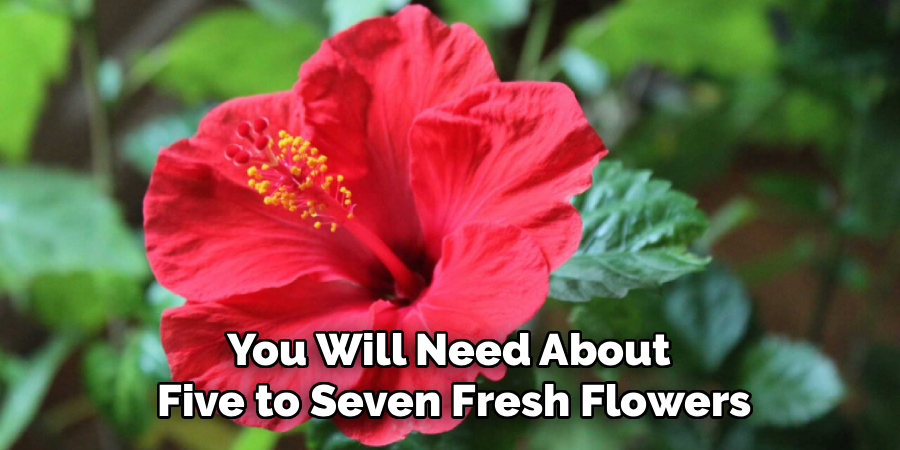
It is best to harvest them in the morning when the dew has dried but before the midday sun becomes too harsh. You will need about five to seven fresh flowers for a single treatment, depending on your hair length. Don’t forget to pluck a few fresh hibiscus leaves as well, as they add extra conditioning properties to your mixture.
Step 2: Preparing the Flowers for Infusion
Once you have gathered your fresh blooms and leaves, it is essential to clean and prepare them properly to ensure a pure treatment. Start by gently washing the flowers and leaves under cool, running water to remove any dirt, dust, or tiny insects that might be hiding in the petals. After washing, carefully remove the sepals (the green part at the base of the flower) and the stamen (the long, pollen-covered stem in the center).
You only want the petals and the leaves for your hair treatment. Lay the cleaned petals and leaves out on a clean towel and pat them dry gently. Ensuring they are free of excess water is crucial, especially if you plan to make an oil, as water can cause the oil to spoil or splatter during heating.
Step 3: Creating a Hibiscus Infused Oil
For deep conditioning and stimulating hair growth, infusing the flower properties into a carrier oil is highly effective. To do this, take a clean, dry glass jar and fill it with about a cup of organic coconut oil or almond oil. Add your prepared, dried hibiscus petals and leaves into the oil. For a quick infusion, you can heat the oil and petals in a double boiler on low heat for about 30 to 45 minutes until the oil turns a slight reddish hue.
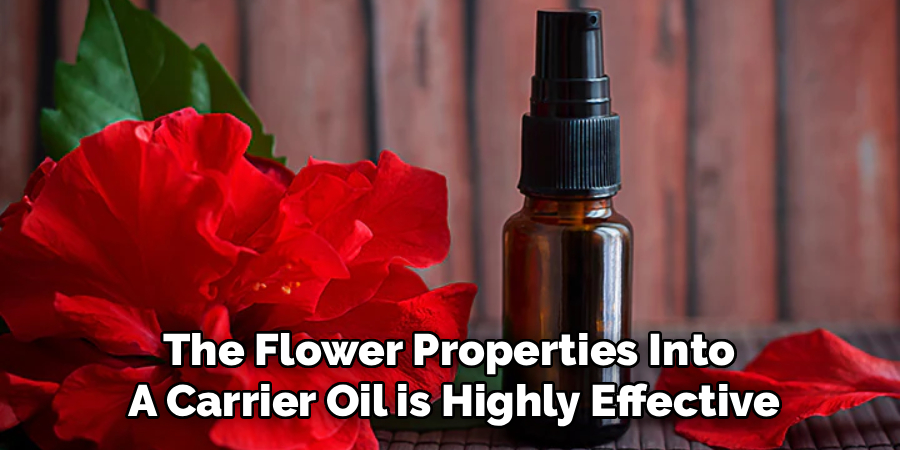
If you prefer a slow, cold infusion, simply place the jar in a sunny spot for a week or two, shaking it daily. This oil can be stored and used regularly. Knowing how to use hibiscus flower for hair through oil infusion is one of the most traditional and effective methods for long-term hair health.
Step 4: Making a Hibiscus Hair Mask Paste
If you are looking for an immediate, intensive conditioning treatment, a fresh hibiscus paste is the way to go. Take about five to eight fresh hibiscus flowers and an equal number of hibiscus leaves. If you haven’t made the oil in the previous step, you can simply grind these fresh ingredients together. Place the petals and leaves into a mortar and pestle or a blender. Add a small amount of water or yogurt to help the grinding process.
Blend until you achieve a smooth, consistent purple-red paste. If the paste feels too thick or chunky, add a little more yogurt or aloe vera gel to smooth it out. This mucilaginous paste is rich in conditioning agents that will coat your hair strands, providing deep hydration and restoring shine to dull hair.
Step 5: Applying the Treatment to Your Scalp
Application is key to ensuring your hair absorbs all the beneficial nutrients. If you are using the infused oil, warm a small amount in your hands and gently massage it into your scalp using circular motions for about 10 to 15 minutes. This massage helps improve blood circulation, which in turn boosts hair growth.
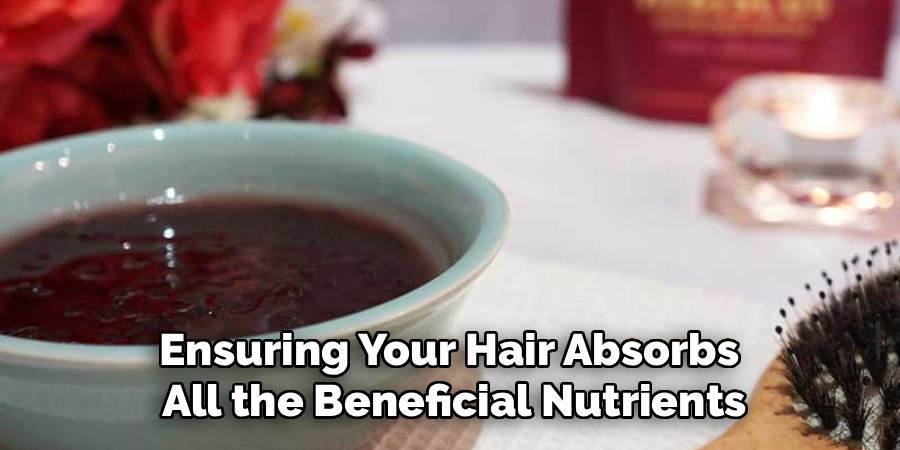
If you are using the hair mask paste, section your hair to ensure even coverage. Apply the paste generously from the roots down to the tips, focusing on the scalp and any dry, split ends. It might feel slightly slimy due to the natural mucilage, but this is exactly what helps detangle and condition the hair. Be sure to wear an old t-shirt, as the red pigment in the hibiscus can stain fabrics.
Step 6: Allowing the Nutrients to Absorb
Once you have applied the oil or the paste, it is time to let the hibiscus work its magic. Gather your hair into a loose bun and cover it with a shower cap or a warm towel. This not only prevents the treatment from dripping but also traps heat, which helps open up the hair cuticles and allows the nutrients to penetrate deeper into the hair shaft.
For the oil treatment, you can leave it on for at least an hour, or even overnight for a deep conditioning effect. If you are using the fresh flower paste, leave it on for about 30 to 45 minutes. Do not let the paste dry out completely on your hair, as it can become difficult to rinse out and might tangle your hair.
Step 7: Rinsing and Conditioning
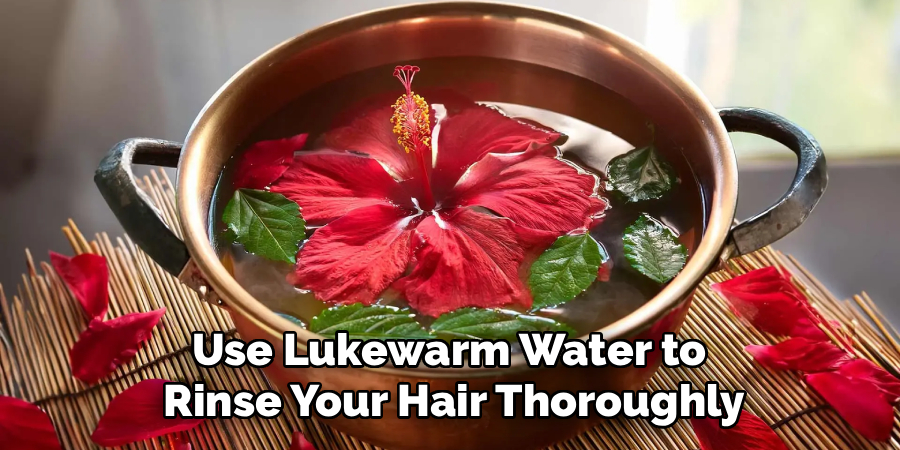
The final step is washing the treatment out of your hair. Use lukewarm water to rinse your hair thoroughly. If you used the paste, ensure all the bits of flower and leaf are washed away; this might take a few minutes of gentle rinsing. Follow up with a mild, sulfate-free shampoo to cleanse your scalp without stripping away the moisture the hibiscus just added. Because hibiscus acts as a natural conditioner, you may find that you don’t need to use a commercial conditioner afterwards. However, if your hair is extremely dry, a light conditioner on the ends won’t hurt. Once your hair dries, you will likely notice it feels softer, looks shinier, and is easier to manage.
Frequently Asked Questions
Can I use dried hibiscus flowers instead of fresh ones?
Yes, you can absolutely use dried hibiscus flowers if fresh ones are not available in your garden. Dried flowers are widely available in health food stores or online. While fresh flowers contain more mucilage—which provides that slippery, conditioning texture—dried flowers are still packed with antioxidants and vitamins. To use them, you can powder the dried petals and mix them with water, yogurt, or oil to create a mask. Alternatively, you can steep dried flowers in hot water to create a hair rinse that adds shine and a subtle reddish tint to the hair.
How often should I use hibiscus on my hair?
For the best results, consistency is key. If you are using the hibiscus-infused oil, you can apply it two to three times a week as a pre-shampoo treatment. This regular application helps nourish the scalp and strengthen the roots over time. For the more intensive hibiscus hair mask, using it once a week or once every two weeks is sufficient. Overusing heavy masks can sometimes weigh down fine hair, so start with a weekly routine and adjust based on how your hair responds. Listen to your hair’s needs and adjust the frequency accordingly.
Will hibiscus change the color of my hair?
Hibiscus flowers contain a natural red pigment that can stain fabrics and potentially tint hair. On dark hair (black or dark brown), the effect is usually minimal and may just add a subtle reddish sheen in the sunlight. However, if you have very light blonde, gray, or white hair, the red pigment can leave a temporary pink or red stain. If you are concerned about color changes, do a patch test on a small, hidden section of hair before applying the treatment all over your head.
Is hibiscus suitable for all hair types?
Generally, hibiscus is safe and beneficial for all hair types, from straight and fine to curly and coily. Its primary benefits—strengthening, conditioning, and promoting growth—are universal desires for healthy hair. However, the method of application might vary. Those with oily scalps might prefer a hibiscus tea rinse or a paste mixed with water rather than heavy oil. Conversely, those with dry, coarse hair will benefit immensely from the oil infusion or a paste mixed with yogurt or coconut milk for extra moisture.
Can hibiscus help with dandruff?
Yes, hibiscus is known for its antimicrobial and anti-inflammatory properties, making it an excellent natural remedy for dandruff and itchy scalps. It helps regulate the scalp’s oil production and removes impurities without stripping natural oils. The alpha-hydroxy acids (AHAs) found in hibiscus also help to gently exfoliate the scalp, removing dead skin cells and preventing flake buildup. Regular use of hibiscus oil or masks can lead to a healthier, cleaner scalp environment, which in turn reduces the occurrence of dandruff.
Conclusion
Incorporating the hibiscus flower into your hair care routine is a rewarding experience that bridges the gap between gardening and self-care. It offers a natural, chemical-free alternative to expensive salon treatments, delivering nutrients directly to your scalp and strands. By following the steps outlined above, you can harness the power of this beautiful bloom to achieve stronger, shinier, and healthier hair.
Whether you choose to make a rich oil or a hydrating mask, knowing how to use hibiscus flower for hair empowers you to take control of your beauty regimen using the gifts of nature. So, the next time you see that vibrant red flower in your garden, remember it is not just there to look pretty—it is waiting to help you look your best, too.

About the Author
Jane Hubbard is a passionate beauty expert with a wealth of experience in makeup, hair, and overall beauty techniques. After years of working as a hairdresser specialist, she followed her entrepreneurial spirit and started her own consultancy business.
Jane has always been driven by her desire to help others feel confident in their own skin, and she does this by sharing her knowledge, experiences, and practical beauty tips. Through her consultancy, she empowers individuals to embrace their unique beauty, offering tailored guidance that boosts both self-esteem and personal style.
Professional Focus
Specializes in makeup, hairstyling, and beauty consulting.
Provides personalized beauty advice, tips, and techniques to help individuals feel confident in their appearance.
Dedicated to staying up-to-date with the latest industry trends and developments.
Passionate about creating a comfortable and empowering experience for every client.
Education History
University of Craft and Design – Bachelor of Fine Arts (BFA) in Woodworking and Furniture Design
Woodworking Apprenticeships – Extensive hands-on training with skilled craftsmen to refine carpentry and furniture making techniques
Online Courses & Masterclasses – Continued education in advanced woodworking techniques, design principles, and specialized tools
Expertise:
Makeup artistry, hairstyling, and beauty consulting.
Personalized beauty techniques to enhance confidence and self-expression.
Educating clients on how to maintain their beauty routines at home.