

A regular sunburn is bad enough. On the eyelids, though, it can feel surprisingly intense. That skin is thinner than most people realize, and it does not take much UV exposure for it to become red, sore, puffy, and difficult to ignore.
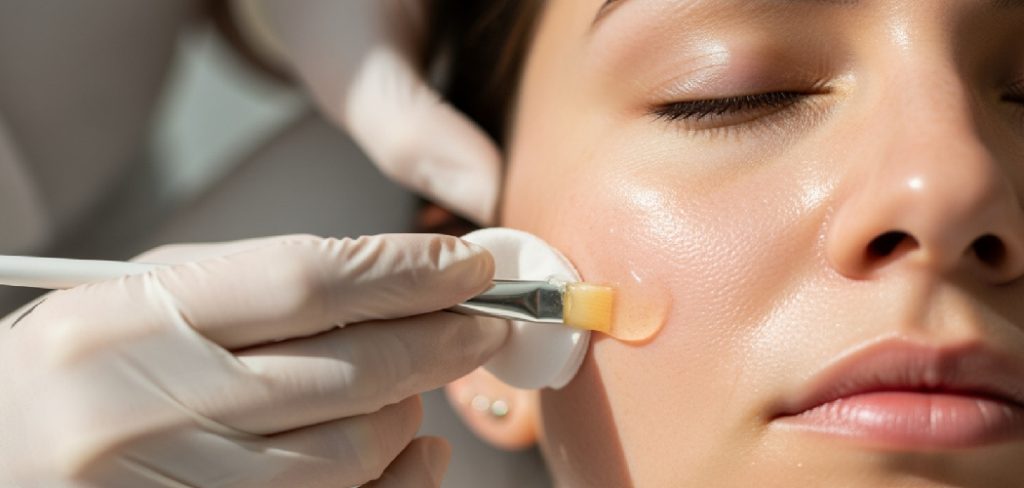
That is why treatment needs a lighter touch than the rest of your skincare routine. Scrubbing, layering on random products, or trying every home remedy you find online can make the area angrier, not calmer. In most mild cases, careful home care may be enough. Still, symptoms involving the eye itself deserve more caution.
This guide on how to treat sunburned eyelids walks through the signs to watch for, what to do right away, which remedies are usually safe, and when it makes sense to stop self-treating and call a doctor.
Symptoms of Sunburned Eyelids
Sunburned eyelids usually declare themselves quickly. The earliest signs are often redness, tenderness, and a hot, tight feeling across the lid. For some people, blinking starts to sting. Others describe it more as a dry, scratchy burn that gets worse when they touch the area without thinking.
Swelling is also common, especially if you were out in the strong sun for a while or fell asleep outdoors. In a more pronounced burn, the skin may start to peel after a day or two. Occasionally, small blisters can appear. That is a sign the burn may be more than mild.
There is also an important distinction here: sometimes the eyelid is sunburned, and sometimes the eye itself has also been irritated by UV exposure. If that happens, you may notice marked light sensitivity, tearing, blurred vision, or a gritty sensation, as if sand is trapped in the eye. That pattern can suggest photokeratitis, and it should not be brushed off.
Immediate First Aid Steps
First things first: get out of the sun. Immediately, if possible. Ongoing exposure will not just prolong the burn; it may deepen the irritation while the skin is already inflamed.
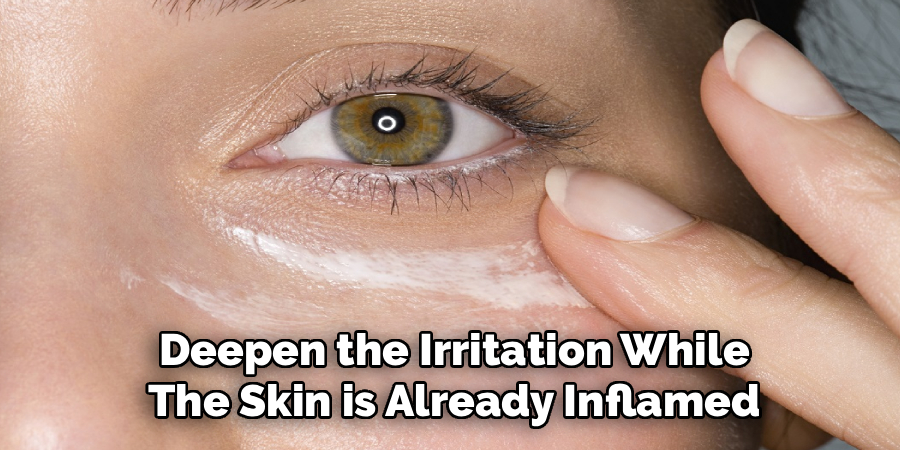
Before touching your eyelids, wash your hands. It sounds obvious, maybe even fussy, but irritated skin is easier to contaminate, and the eye area is not forgiving. After that, rinse your face gently with cool—not freezing—water. The goal is to calm the heat in the skin, not shock it.
This is not the moment for exfoliating cleansers, makeup wipes, scented products, or anything that tingles and claims to feel “refreshing.” On burned eyelids, that sort of product usually does the opposite. Keep it simple. Cool water, clean hands, minimal friction.
Safe Cooling Methods
Cooling helps, but there is a right way to do it.
Do not press ice or a frozen gel pack directly onto your eyelids. It is tempting, especially when the area feels hot and swollen, but extreme cold can irritate delicate tissue even more. In some cases, it can leave you dealing with cold injury on top of a burn. Not ideal.
A clean washcloth soaked in cool water is a better option. Wring it out so it is damp rather than dripping, then place it over closed eyes for 10 to 15 minutes. Rest. Breathe. Replace the cloth once it warms up. You can repeat this several times during the day.
Some people find chilled chamomile tea bags soothing. They may help, particularly because the cool temperature reduces discomfort, though herbal remedies are not magic and can irritate very sensitive skin in some cases. If you try that approach, use plain chamomile, make sure the bags are clean, and stop immediately if the area stings more.
7 Simple Step-By-Step Guidelines on How to Treat Sunburned Eyelids
Step 1: Remove Contact Lenses and Makeup
If you wear contact lenses, take them out as soon as you notice the burn. Even if the problem seems limited to the eyelid, swelling around the eye can make lenses feel unbearable. If the surface of the eye is also irritated, contacts may add friction and trap discomfort rather than help anything.
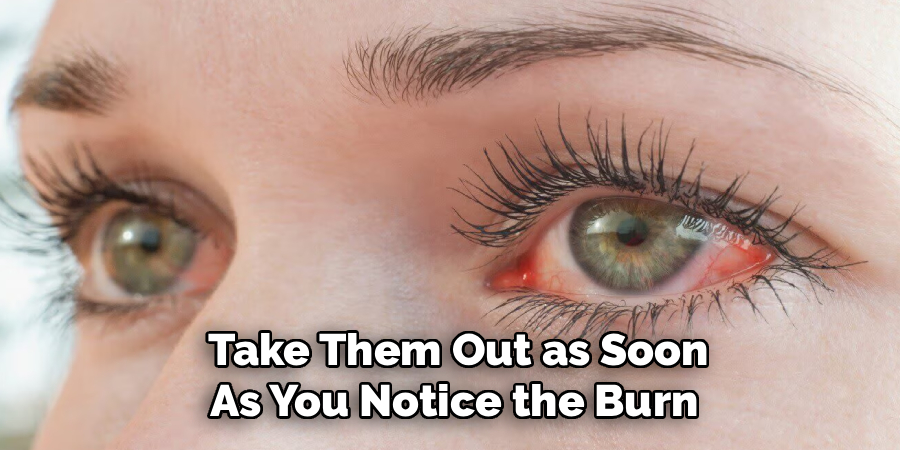
Switch to glasses for now. A day or two without lenses is inconvenient; scratching an already irritated eye is worse.
Makeup should come off, too, but gently. No scrubbing. No oil-stripping remover. No aggressive cotton pad work around tender skin. If you already have eye makeup on, use plain water and a soft cloth to ease it away as carefully as you can. Then leave the area bare until the skin settles.
Step 2: Apply a Cold Compress Gently
A cool compress is one of the simplest things that actually helps. Not glamorous, but effective.
Use a clean washcloth soaked in cool water, then rest it over your closed eyes for about 15 minutes. You can do this three or four times a day during the first 24 to 48 hours, especially if swelling is noticeable. If one side feels worse than the other, do not press harder there. Let temperature, not pressure, do the work.
As the cloth warms, rewet it. And use a fresh cloth daily. That may sound overly careful, but the combination of heat, peeling skin, and frequent touching creates an easy path for irritation.
Step 3: Use Aloe Vera for Natural Relief
Aloe vera may help, but only if you are selective. A lot of aloe products sold for sunburn are packed with fragrance, alcohol, dyes, or a cooling additive that feels dramatic for five seconds and then leaves the skin more irritated. Read the label.
If you have a plain, fragrance-free aloe gel, dab a very small amount onto the closed eyelid. Very small. This is not a “more is better” situation. The point is to lightly coat the skin, not saturate it.
Be careful to keep it out of the eye itself. Even gentle products can sting badly once they cross that line. Some people like to refrigerate the gel first, which can make it feel better on contact. Fair enough. Just avoid anything heavily perfumed or brightly colored.
Step 4: Take Over-the-Counter Pain Relievers
Sometimes cooling and moisturizing are not enough, especially if the burn is throbbing or the lids are noticeably swollen. In that case, an over-the-counter pain reliever may be worth considering.
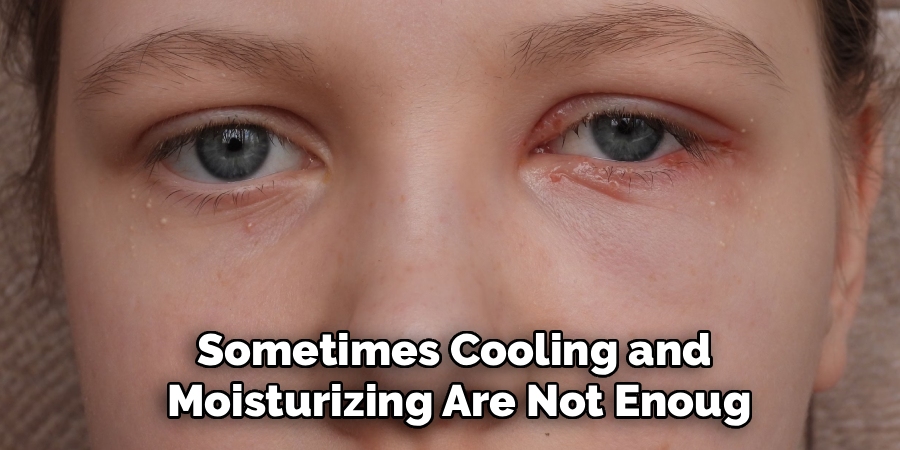
Ibuprofen or naproxen can help with pain and may reduce some inflammation. Acetaminophen can also be useful if pain is the main issue, though it does not address swelling in the same way. As always, follow the label directions and avoid medications that are not appropriate for you based on your medical history, stomach issues, kidney concerns, or other medications.
This part matters: if you are not sure what you can safely take, ask a pharmacist or clinician. A minor sunburn is not the time to create a separate medication problem.
Step 5: Keep Your Body Hydrated
Hydration is not a miracle cure for sunburn, despite the way it is sometimes talked about. Still, it doesn’t matter. Burns can increase water loss, and dry, irritated skin tends to feel worse when the rest of you is already running low.
Drink water regularly throughout the day. You do not need to force down absurd amounts, but it is sensible to be more intentional about fluids while the skin is healing. If alcohol or lots of caffeine tends to dehydrate you, it may be smart to ease back for a bit.
The logic here is fairly simple: skin repairs itself better when your body is not under extra strain. It is not glamorous advice, admittedly, but it is practical.
Step 6: Moisturize the Delicate Eye Area
As the burn starts to settle, dryness usually takes over. The lids can feel tight, papery, itchy, or rough when you blink. That is the stage where a bland moisturizer often helps most.
Choose a fragrance-free product meant for sensitive skin. An uncomplicated eye cream can work, but so can a basic hypoallergenic moisturizer if it is gentle enough for the area. Tap on a small amount with clean fingers. Do not rub it in aggressively, and do not keep reapplying every ten minutes out of panic.
Peeling can be hard to ignore, especially around the eyes, where every flake feels obvious. Resist the urge to pick at it. Pulling off skin too early may expose tender new skin underneath and can increase the chance of irritation, delayed healing, or even infection.
Step 7: Protect Your Eyes From Further Damage
This is the step people tend to underestimate. Once the burn starts improving, it is easy to assume the problem is over. Not quite. Freshly burned skin is more vulnerable, and a short stretch in direct sun can set you back.
Wear sunglasses with full UV protection whenever you go outside. Wraparound styles are especially useful because they reduce side exposure, which standard fashion frames often miss. A wide-brimmed hat adds another layer of shade and is often more effective than people expect.
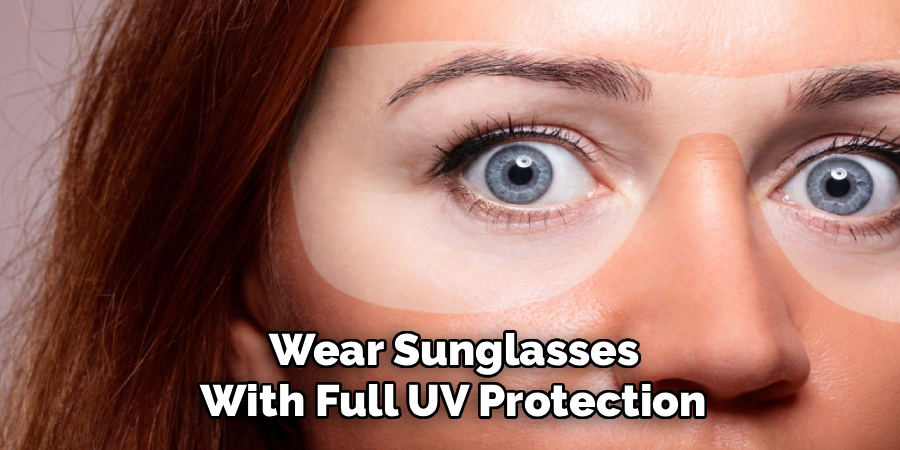
Longer term, prevention matters here more than any after-sun product. Eyelids do not have much margin for error. A little protection goes a long way.
Following these steps on how to treat sunburned eyelids can help you not only alleviate discomfort but also prevent future occurrences.
What to Avoid?
A few things are best left alone while the skin is healing.
Skip petroleum-heavy products on a fresh burn if they seem to trap heat and make the area feel more uncomfortable. Avoid retinoids, exfoliating acids, fragranced creams, and anything marketed as “active” skincare until the irritation has settled. These products may be useful in other contexts; on burned eyelids, they are usually a bad fit.
Do not pop blisters. And do not rub peeling skin off just because it is annoying. Both can open the door to infection.
It is also wise to avoid rubbing your eyes in general, which sounds easy until you realize how often people do it without noticing.
Prevention Tips
Preventing eyelid sunburn is easier than dealing with it later, and honestly, it is less painful by a wide margin.
Use a mineral sunscreen around the eye area if you tolerate it well. Zinc oxide and titanium dioxide are often better options near the eyes because they are less likely to migrate and sting than many chemical filters. That said, even mineral sunscreen can irritate some people, so application technique matters. Use a small amount and keep it out of the lash line.
Sunglasses help year-round, not just at the beach or pool. UV exposure still happens on cloudy days, and reflection from sand, water, snow, or pale pavement can make it worse. A brimmed hat adds useful coverage, especially during long walks, driving, hiking, or any outdoor activity where the sun keeps catching the upper face.
Frequently Asked Questions
Q1: Can I Put Sunscreen on My Eyelids?
Yes, usually—but choose carefully. Mineral sunscreen sticks or products specifically made for the eye area are often the easiest to control. Many chemical sunscreens can drift into the eye and sting badly, especially when you sweat.
Patch testing may be wise if your skin is reactive. And apply sparingly. Too much product near the eye tends to migrate.
Q2: How Long Do Sunburned Eyelids Take to Heal?
It depends on severity. A mild burn may calm down within three to five days, especially if you cool the area early and avoid further sun. A stronger burn with marked swelling, peeling, or blistering can take a week or two.
If symptoms seem to be worsening after the first couple of days rather than easing, that is worth paying attention to. Healing is not always perfectly linear, but it should generally move in the right direction.
Q3: When Should I See a Doctor for Sunburned Eyes?
Seek medical care promptly if you have severe pain, blurred vision, strong light sensitivity, heavy tearing, pus, or swelling so intense that you cannot open your eyes properly. Those symptoms may point to something beyond a straightforward eyelid burn.
You should also get checked if the blisters are large, the skin appears infected, or home care is not helping after a reasonable period. When the eyes are involved, caution is rarely the wrong choice.
Moving Forward With Healthy, Protected Eyes
Sunburned eyelids are miserable in a very specific way. They hurt when you blink, they swell at the worst times, and they are hard to leave alone. The good news is that most mild cases improve with patience, gentle care, and a bit of restraint.
So keep the routine boring. Cool compresses. Simple moisturizer. No picking. No experimenting with harsh products because a social post promised overnight relief.
And once this heals, make sun protection part of the ordinary rhythm of your day rather than something you remember only at the beach. Good sunglasses, a mineral SPF you actually tolerate, and a hat you will really wear are not exciting purchases. They are, however, a lot better than burning your eyelids again. Thanks for reading this guide on how to treat sunburned eyelids.

About the Author
Jane Hubbard is a passionate beauty expert with a wealth of experience in makeup, hair, and overall beauty techniques. After years of working as a hairdresser specialist, she followed her entrepreneurial spirit and started her own consultancy business.
Jane has always been driven by her desire to help others feel confident in their own skin, and she does this by sharing her knowledge, experiences, and practical beauty tips. Through her consultancy, she empowers individuals to embrace their unique beauty, offering tailored guidance that boosts both self-esteem and personal style.
Professional Focus
Specializes in makeup, hairstyling, and beauty consulting.
Provides personalized beauty advice, tips, and techniques to help individuals feel confident in their appearance.
Dedicated to staying up-to-date with the latest industry trends and developments.
Passionate about creating a comfortable and empowering experience for every client.
Education History
University of Craft and Design – Bachelor of Fine Arts (BFA) in Woodworking and Furniture Design
Woodworking Apprenticeships – Extensive hands-on training with skilled craftsmen to refine carpentry and furniture making techniques
Online Courses & Masterclasses – Continued education in advanced woodworking techniques, design principles, and specialized tools
Expertise:
Makeup artistry, hairstyling, and beauty consulting.
Personalized beauty techniques to enhance confidence and self-expression.
Educating clients on how to maintain their beauty routines at home.