

Waking up to eyelids that feel heavy and appear noticeably inflamed can set a frustrating tone for the entire morning. This physical discomfort often pairs with aesthetic concerns, driving a frantic search for immediate relief before leaving the house. The delicate tissue surrounding the eye is uniquely susceptible to fluid accumulation.
Understanding the underlying physiological triggers might help you address the root cause rather than merely masking the symptoms. This article explores safe, evidence-based methods for soothing irritated ocular tissues without relying on invasive interventions. Readers will discover common environmental triggers, fast-acting home remedies, and long-term preventative lifestyle habits.
Knowing exactly how to reduce swelling eyelids empowers you to take control of your morning routine. Relief often requires nothing more than a few simple, scientifically sound household steps. We will systematically examine how to clear stagnant fluid and restore a refreshed appearance.
Common Causes of Puffy, Irritated Eyes
Identifying the specific catalyst for your inflammation is a critical first step. Treating a histamine reaction with purely mechanical drainage might not yield the desired results. You must evaluate your recent environmental exposures and dietary choices.
The skin here acts as an incredibly sensitive barometer for systemic imbalances. Minor internal shifts frequently manifest visibly in this region first.
Allergies and Environmental Irritants
Airborne allergens provoke a rapid biological defense mechanism within the body. When you encounter pollen or pet dander, your immune system releases histamines to attack the perceived threat. This chemical release causes blood vessels to dilate and leak fluid into the surrounding tissues.
The resulting fluid accumulation stretches the thin eyelid skin, causing severe itching and visible puffiness. Dust mites dwelling in bedding frequently trigger this specific reaction overnight.
Fluid Retention and Lifestyle Factors
Dietary habits play a surprisingly dominant role in facial aesthetics. Consuming meals high in sodium encourages the kidneys to hoard water. This excess fluid inevitably settles in the path of least resistance during sleep.
Crying or experiencing a significant lack of restorative sleep also alters localized fluid dynamics. These emotional and physical stressors disrupt normal lymphatic function. The resulting stagnation appears as a heavy, water-logged appearance by morning.
Understanding When to Seek Medical Attention
Most morning puffiness represents a benign, temporary annoyance. However, certain symptoms suggest a more severe underlying medical condition that home remedies cannot safely address. Differentiating between minor fluid retention and an active infection could save your vision.
You must establish a baseline for what constitutes a normal reaction for your body. Deviations from this baseline require clinical evaluation.
Spotting Signs of Infection
A localized, hard bump along the lash line usually indicates a stye rather than generalized swelling. If the inflammation feels hot to the touch or produces a throbbing pain, bacterial involvement is highly probable. Thick ocular discharge further points toward conditions like conjunctivitis.
Attempting to treat these specific presentations with DIY methods could spread the bacteria. A physician might need to prescribe topical antibiotics to halt the infection.
Vision Changes and Severe Swelling
If the tissue expands to the point where you cannot physically open your eye, you should seek emergency medical care. Severe swelling accompanied by a systemic fever represents a significant red flag. These symptoms might indicate orbital cellulitis, a serious condition requiring immediate intervention.
Any sudden onset of blurred vision or extreme light sensitivity also warrants an urgent professional assessment. Preserving the structural integrity of the eye must always remain the priority.
The Science Behind How to Reduce Swelling Eyelids Naturally
Treating inflamed tissue requires manipulating the body’s physical responses. You are essentially attempting to reverse the biological processes that caused the fluid to pool initially. Understanding how to reduce swelling eyelids naturally means understanding basic vascular and lymphatic principles.
Temperature and pressure are your primary tools for this endeavor. Applying them correctly forces the trapped water to relocate.
How Cold Therapy Constricts Blood Vessels
Applying cold temperatures to the epidermis triggers an immediate survival response. The localized blood vessels rapidly constrict to preserve core body heat. This physiological shrinking significantly reduces the volume of blood flowing to the irritated area.
With less blood flow, the rate of fluid leaking into the interstitial spaces drops dramatically. The cold also acts as a mild, temporary anesthetic, numbing the nerve endings that cause itching and discomfort.
The Importance of Lymphatic Drainage
The lymphatic system serves as the body’s primary waste removal network. Unlike the circulatory system, it lacks a central pump and relies entirely on physical movement to circulate fluids. When you sleep horizontally, this drainage process slows down considerably.
Applying gentle physical stimulation manually forces the stagnant lymph fluid away from the ocular cavity. This technique physically pushes the water retention down toward the lymph nodes in the neck for processing.
Step-by-Step Guide: How to Reduce Swelling Eyelids
This sequence outlines the safest, most effective mechanical approach for calming inflamed ocular tissue. You should execute these actions methodically and with extreme care. The skin here does not tolerate aggressive stretching or heavy pressure.
Consistency and patience during this routine usually yield visible improvements within twenty minutes.
Step 1: Washing Hands and Cleansing the Face
You must begin any facial treatment with thoroughly sanitized hands. Introducing foreign bacteria to an already compromised eye area invites secondary infections. Wash your hands with a reliable antibacterial soap before proceeding.
Splash your face gently with cool water. This initial rinse helps clear away any microscopic allergens or sleep crust that might exacerbate the irritation.
Step 2: Preparing a Cold Compress
Creating a safe thermal tool requires balancing extreme cold with a protective barrier. Submerge a clean washcloth in a bowl of ice water, wringing out the excess moisture. Alternatively, you could wrap a bag of frozen vegetables tightly inside a soft hand towel.
Never apply raw ice directly to the epidermis. Direct contact with freezing temperatures can cause cellular damage and frostbite.
Step 3: Applying the Compress Safely
Find a comfortable place to sit or recline, allowing your neck muscles to relax. Close both eyes completely to protect the corneas. Gently lay the chilled compress across the entire orbital region.
Hold the material securely against the skin without pressing downward onto the eyeballs. You should maintain this cold exposure for roughly ten to fifteen minutes to achieve adequate vascular constriction.
Step 4: Performing a Gentle Eye Massage
Once the cold therapy concludes, you can manually address the remaining fluid. Take your ring finger, which naturally applies the least amount of pressure. Place it near the inner corner of your eyebrow.
Tap lightly and sweep outward along the brow bone toward the temples. Repeat this exact sweeping motion underneath the eye, always moving from the nose outward to encourage proper lymphatic drainage.
Step 5: Applying a Soothing Eye Roller or Cream
Introducing a targeted topical treatment can prolong the relieving effects. Select a lightweight, caffeine-infused eye serum. Caffeine acts as a topical vasoconstrictor, further shrinking the capillaries.
If you own a jade or stainless steel facial roller, chill it in the refrigerator first. Rolling the cold stone gently over the application area pushes the product into the skin while continuing to manually drain the tissue.
Step 6: Resting and Re-evaluating the Swelling
After completing the massage and topical application, allow the tissues a moment to rest. Sit quietly for a few minutes without staring at a bright screen. The harsh blue light from a phone could cause immediate squinting and reinflame the muscles.
Check your reflection to evaluate the progress. If the swelling persists significantly, you may need to repeat the cold compress later in the morning or consult an allergist.
Using Tea Bags and Natural Anti-Inflammatories
Some pantry staples contain highly active chemical compounds that rival commercial skincare. Tea leaves, in particular, offer a potent combination of soothing elements. They serve as an excellent alternative if plain ice water proves ineffective.
This method merges cold therapy with botanical medicine. The results often appear quite rapid.
The Benefits of Caffeinated Black or Green Tea
Both black and green tea varietals contain high concentrations of natural tannins. Tannins function as powerful astringents that physically draw fluid out of saturated tissues. They essentially tighten the cellular structure upon contact.
Furthermore, the natural caffeine present in these leaves penetrates the thin eyelid skin easily. This transdermal absorption restricts local blood flow, reducing redness and overall tissue volume.
Proper Preparation and Application
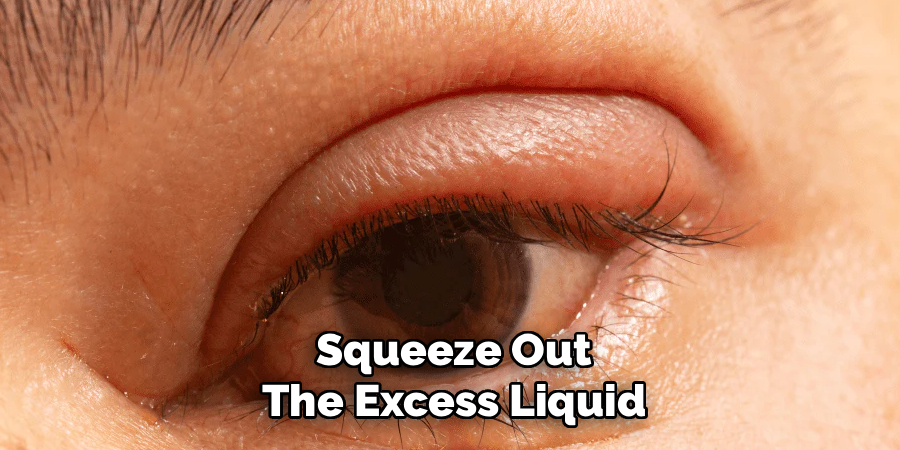
Submerge two clean tea bags in hot water just long enough to activate the compounds. Remove them and squeeze out the excess liquid so they do not drip. Place the damp bags into the refrigerator until they are completely chilled.
Lay the cold tea bags over your closed eyes for fifteen minutes. The combination of the chilled temperature and the active tannins provides a highly effective, dual-action treatment.
The Role of Hydration and Diet
Systemic water balance dictates how your facial tissues hold fluid. If you constantly battle morning puffiness, your dietary habits likely require a minor audit. Treating the symptom topically only provides temporary relief if the internal environment remains unbalanced.
Strategic nutritional choices could prevent the fluid from pooling in the first place.
Flushing Out Excess Sodium
When your body detects high salt levels, it aggressively hoards water to dilute the sodium concentration. You must convince your biological systems that water is plentiful. Drinking adequate amounts of pure water throughout the day accomplishes this goal.
As you increase your hydration, your kidneys recognize the influx and begin flushing out the stored sodium. This internal balancing act naturally reduces overall bodily swelling.
Potassium-Rich Foods for Balance
Potassium directly counteracts the water-retaining effects of sodium. Introducing more of this mineral into your meals helps regulate cellular fluid dynamics. It acts as an internal regulator for your vascular system.
Consider adding bananas, spinach, and avocados to your afternoon meals. This nutritional adjustment could subtly shift how your body processes water overnight, leading to a tighter facial appearance by dawn.
Adjusting Sleep Habits for Better Eye Health
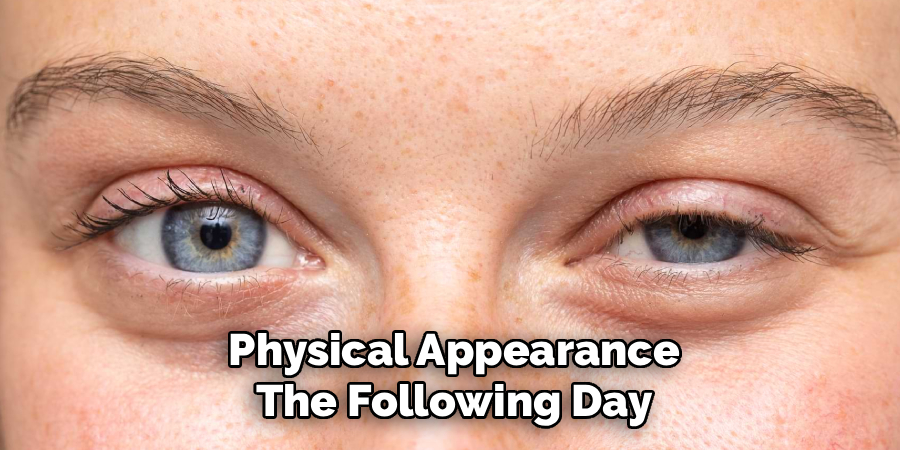
The mechanics of how you rest influence your physical appearance the following day. Horizontal gravity is often the primary culprit behind localized facial edema. Altering your sleep environment might suggest a permanent solution to the problem.
Nighttime routines hold incredible power over dermatological outcomes.
Elevating Your Head at Night
Sleeping entirely flat allows interstitial fluids to distribute evenly across the front of your face. The fluid inevitably settles into the loose pockets of skin surrounding the eye socket. Changing the angle of your rest disrupts this process.
Place an extra, firm pillow beneath your shoulders and head. This slight elevation utilizes gravity to keep fluids draining downward toward your torso while you sleep.
Removing Makeup Before Bed
Cosmetic residue acts as a physical barrier that traps sweat and environmental pollutants against the skin. Sleeping in mascara or eyeliner severely clogs the microscopic tear ducts and meibomian glands. This blockage incites a localized inflammatory response.
You must thoroughly dissolve and rinse away all makeup before resting. Allowing the ocular surface to breathe freely prevents the low-grade irritation that leads to morning puffiness.
Allergy Management and Prevention
If your inflammation coincides with seasonal changes, environmental allergens are the probable cause. Attempting to drain the fluid mechanically will not stop the histamine cascade. You must address the immune response directly.
Blocking the chemical reaction is far more efficient than treating the aftermath.
Over-the-Counter Antihistamines
Oral allergy medications prevent histamines from binding to their receptors. Taking a non-drowsy antihistamine before bed might suppress the overnight immune response. This chemical intervention stops the blood vessels from leaking fluid into the eyelids.
Additionally, specific antihistamine eye drops deliver targeted relief directly to the inflamed tissue. Consult with a pharmacist to select a formula that is safe for daily use.
Managing Indoor Air Quality
Your bedroom might harbor invisible triggers that prolong the swelling. Dust mites, mold spores, and pet dander accumulate rapidly in textiles. You must aggressively manage the air quality in your sleeping environment.
Washing your bedding in hot water weekly kills dust mites. Operating a high-quality HEPA air purifier near your bed removes airborne particles before they can settle on your face.
Conclusion
Managing inflamed ocular tissue does not have to be a daily struggle. By implementing strategic cold therapy, practicing gentle lymphatic massage, and adjusting your evening routines, you can achieve substantial relief. Knowing how to reduce swelling eyelids effectively allows you to bypass the frustration of waking up with heavy, irritated eyes.
Consider your environmental triggers and evaluate your dietary sodium intake to prevent future occurrences. Keep a clean, cold compress ready in your freezer for immediate morning use. With these targeted adjustments, you can consistently maintain a calm, refreshed appearance.

About the Author
Jane Hubbard is a passionate beauty expert with a wealth of experience in makeup, hair, and overall beauty techniques. After years of working as a hairdresser specialist, she followed her entrepreneurial spirit and started her own consultancy business.
Jane has always been driven by her desire to help others feel confident in their own skin, and she does this by sharing her knowledge, experiences, and practical beauty tips. Through her consultancy, she empowers individuals to embrace their unique beauty, offering tailored guidance that boosts both self-esteem and personal style.
Professional Focus
Specializes in makeup, hairstyling, and beauty consulting.
Provides personalized beauty advice, tips, and techniques to help individuals feel confident in their appearance.
Dedicated to staying up-to-date with the latest industry trends and developments.
Passionate about creating a comfortable and empowering experience for every client.
Education History
University of Craft and Design – Bachelor of Fine Arts (BFA) in Woodworking and Furniture Design
Woodworking Apprenticeships – Extensive hands-on training with skilled craftsmen to refine carpentry and furniture making techniques
Online Courses & Masterclasses – Continued education in advanced woodworking techniques, design principles, and specialized tools
Expertise:
Makeup artistry, hairstyling, and beauty consulting.
Personalized beauty techniques to enhance confidence and self-expression.
Educating clients on how to maintain their beauty routines at home.