

You can safely remove eyeliner without makeup remover by using natural household oils—coconut, olive, or jojoba oil work best. Press a lightly oil-soaked cotton pad against your closed eyelid for 15 seconds to break down the formula, then wipe downward gently. Follow up with a facial cleanser and moisturizer to finish.
We’ve all been there. You’re exhausted, finally ready for bed, and then you pick up the makeup remover bottle only to find it bone dry. It’s a small inconvenience on paper, but leaving eye makeup on overnight is genuinely bad for your skin—clogged follicles, eye irritation, dryness, and, in worse cases, a painful stye.
The good news? Your kitchen cabinet may already have everything you need. Natural oils break down even the toughest eyeliner formulas without the harsh chemicals, and with the right technique, you won’t be tugging or scrubbing at your eyelids. Here’s exactly how to take off eyeliner without makeup remover.
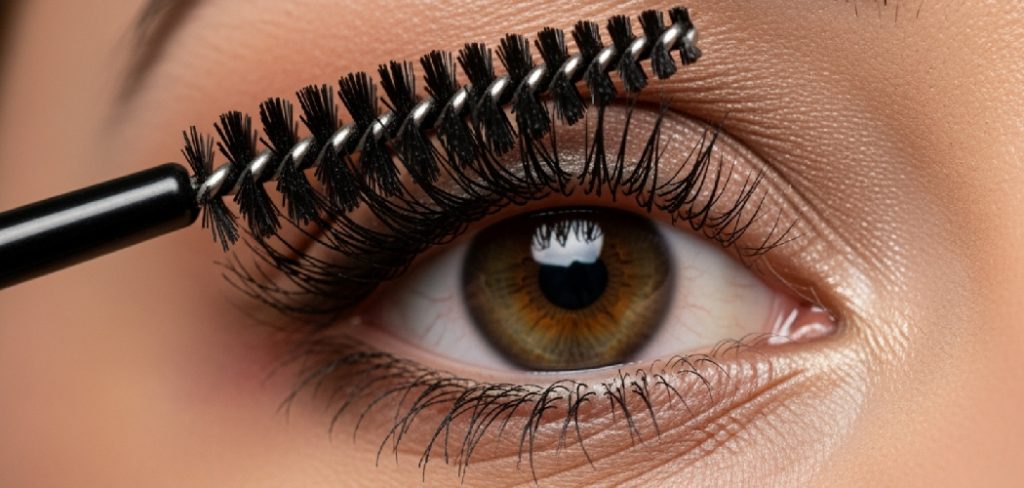
Understanding Eyeliner Types and Removal Difficulty
Not all eyeliner formulas are equal, and knowing what you’re working with changes your approach.
Standard pencil eyeliners—made with soft waxes and pigments—are the most forgiving. Light pressure and a basic cleanser will handle them easily. Liquid eyeliners form a thin film along the lash line that can flake, but they generally need a proper solvent to lift cleanly without irritating the skin.
Waterproof and gel formulas are a different story. Engineered with resilient polymers and silicones designed to resist water, sweat, and skin oils, these products simply won’t budge with water-based cleansers. Oil is the only thing that cuts through them effectively—and understanding that distinction saves you a lot of unnecessary friction.
7 Steps on How to Take Off Eyeliner Without Makeup Remover
Step 1: Select a Gentle Natural Oil
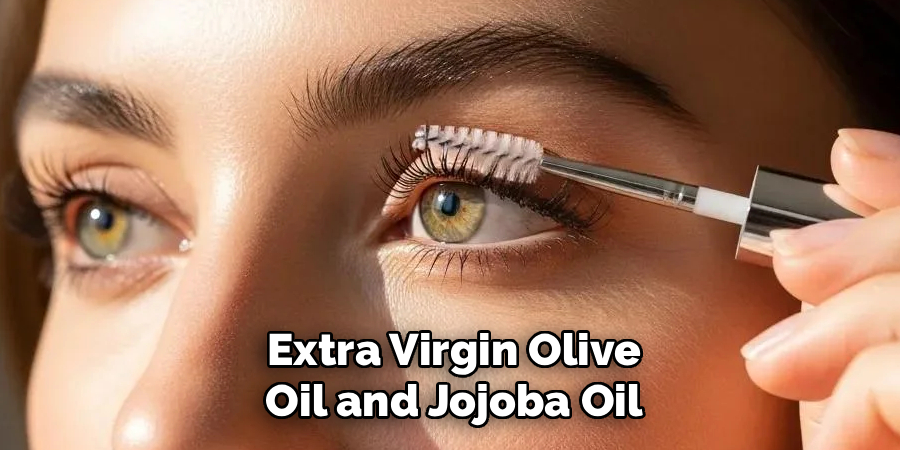
Coconut oil, extra virgin olive oil, and jojoba oil are all excellent choices. Each one acts as a lipid solvent, breaking down the waxes and polymers in makeup in a way that closely mirrors how the skin’s own sebum works. That’s what makes them so well-suited for the eye area—they’re effective without being aggressive.
One caveat: if your skin tends to break out easily, jojoba or sweet almond oil may be a smarter pick than coconut oil, which can occasionally clog pores for some people. Whatever you choose, make sure it’s pure and free of added fragrances or synthetic compounds. Pour a small amount into a clean dish before you start.
Step 2: Prepare Your Cotton Pad
Take a soft cotton pad—or a reusable microfiber cloth if you have one—and lightly saturate it with oil. Damp, not dripping. Excess oil around the eye area can blur your vision temporarily, which isn’t dangerous but is uncomfortable.
If you’re working with coconut oil and it’s solid at room temperature, warm a small amount between your fingertips until it liquefies. Press it evenly into the cotton pad before you bring it near your eye.
Step 3: Press and Hold Against the Eyelid
Close your eye, place the oil-soaked pad gently over your lash line, and hold it there for 15 to 20 seconds. Don’t rub yet—just hold.
This step is where most people go wrong by rushing. The oil needs time to chemically penetrate and dissolve the eyeliner formula. Skipping the wait means you’ll end up scrubbing, which causes far more damage than the eyeliner ever would. For waterproof or gel liner, extend the hold to around 30 seconds. You’ll actually feel the makeup softening under the pad before you even move it.
Step 4: Gently Wipe the Eyeliner Away
With your eye still closed, wipe the pad downward in slow, deliberate strokes—always following the direction of your lashes. Avoid back-and-forth motions or pulling the skin outward. The skin around the eye is thin, and repeated lateral tugging accelerates fine lines over time.
If pigment remains after the first pass, fold the pad to expose a clean, oiled section and repeat. Using a fresh surface each time prevents you from spreading dissolved pigment across the under-eye area.
Step 5: Target Stubborn Lash Line Smudges
After the main line of makeup is gone, there’s usually residue sitting at the lash roots or in the inner corners of the eye—spots that a flat cotton pad can’t quite reach. Dip the tip of a clean cotton swab into your oil and run it carefully along the lash line, rolling slightly to lift the remaining residue.
If you apply eyeliner to the inner waterline, use a fresh swab with minimal oil and work slowly. The goal here is precision, not saturation.
Step 6: Cleanse with Warm Water and Soap
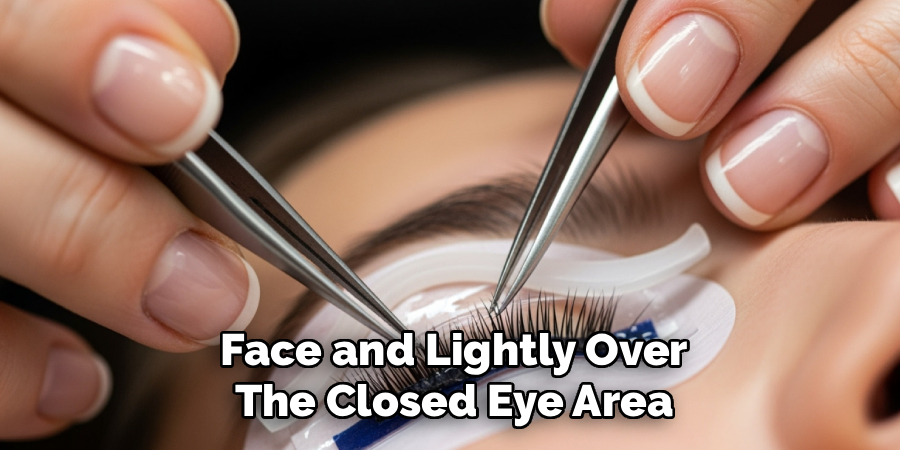
Once the eyeliner is lifted, rinse your face with lukewarm water and work a gentle, fragrance-free facial cleanser across your face and lightly over the closed eye area. The cleanser binds with the remaining oil and carries it away, leaving your skin genuinely clean rather than just coated.
Temperature matters here. Hot water strips the skin’s natural moisture barrier; cold water won’t emulsify the oil properly. Lukewarm is the right middle ground. Pat dry with a soft towel—no rubbing.
Step 7: Apply a Hydrating Eye Cream
The cleansing step, however gentle, can leave the skin around your eyes feeling slightly tight. Finish with a small amount of fragrance-free eye cream or facial moisturizer. Apply it with your ring finger—it naturally uses the least pressure of any finger—tapping along the orbital bone and under-eye area until absorbed.
This final step protects the skin barrier overnight and reduces the chance of waking up to dry, irritated skin.
Following these steps on how to take off eyeliner without makeup remover may seem daunting at first, but with practice, it can become second nature.
Common Mistakes to Avoid
The most damaging thing you can do is scrub. Aggressive friction causes micro-tears in the skin and accelerates the visible aging process around the eyes.
Similarly, reaching for hand soap, rubbing alcohol, or hand sanitizer as a quick fix may seem logical, but these products will burn the eyes and strip the skin barrier significantly.
Aftercare for Eyes and Skin
Once the makeup is off, a cool compress—a clean damp washcloth held against closed eyelids for five minutes—works well if your eyes feel red or irritated.
Follow up with your regular moisturizer to lock in hydration and support the skin’s recovery.
Emergency Quick Fix Methods
No oils in the house at all? Petroleum jelly is a reliable backup. Apply a thin layer over the eyeliner, let it sit for a minute, then wipe away gently with a soft tissue.
An unscented baby lotion or basic facial moisturizer can also work in a pinch for lighter pencil formulas—just don’t expect either to make short work of heavy waterproof gel liner.
Preventive Tips for Easier Future Removal
If waterproof eyeliner is a regular part of your routine, applying an eyeshadow primer beforehand creates a barrier that stops pigment from staining the skin, making removal noticeably easier.
On days without a compelling reason to use waterproof formula, a standard water-based liner will dissolve with far less effort. It’s also worth avoiding thick application directly on the waterline—that area is notoriously difficult to clean thoroughly without irritation.
Frequently Asked Questions
What Natural Household Item Is Best for Removing Waterproof Eyeliner?
Extra virgin olive oil and unrefined coconut oil are consistently the most effective household options for breaking down waterproof eyeliner. Their high lipid content dissolves the water-resistant polymers and silicones found in waterproof formulas, making them a safe, non-toxic alternative to commercial removers.

Can I Use Baby Wipes to Take Off Liquid Eyeliner?
Baby wipes can remove light surface makeup, but they’re generally not effective for liquid or waterproof eyeliner. They lack the oils needed to break down stubborn cosmetic formulas, which typically means you end up applying more pressure than the delicate eye area can handle without irritation.
Is Micellar Water a Good Substitute If I Run Out of Traditional Remover?
For non-waterproof eyeliner, yes—micellar water works well. It contains micelles, tiny cleansing molecules suspended in soft water that attract and lift makeup without rubbing. For heavy waterproof formulas, however, micellar water alone may not be sufficient, and an oil-based approach will likely be more effective.
Will Using Natural Oils Around My Eyes Cause Breakouts?
Most pure, single-ingredient oils are safe for the eye area, though individual skin responses vary. Jojoba oil is generally considered the least likely to clog pores, making it a good default for acne-prone skin. The key is washing the oil off thoroughly with a facial cleanser rather than leaving it on the skin overnight.
How Long Should I Press the Cotton Pad Against My Eyelid?
For a standard pencil liner, 15 seconds is usually enough. Waterproof or gel formulas benefit from a longer press—closer to 30 seconds—to give the oil time to penetrate and break down the formula before you wipe.
A Clean Face Doesn’t Require a Full Medicine Cabinet
Running out of makeup remover at the end of a long day doesn’t have to mean sleeping in your eyeliner. The right natural oil, a little patience during the pressing step, and a gentle technique are genuinely all you need.
The key principle throughout: less force, more time. Give the oil a chance to do its job, and your skin will thank you for it. Thanks for reading this guide on how to take off eyeliner without makeup remover.

About the Author
Jane Hubbard is a passionate beauty expert with a wealth of experience in makeup, hair, and overall beauty techniques. After years of working as a hairdresser specialist, she followed her entrepreneurial spirit and started her own consultancy business.
Jane has always been driven by her desire to help others feel confident in their own skin, and she does this by sharing her knowledge, experiences, and practical beauty tips. Through her consultancy, she empowers individuals to embrace their unique beauty, offering tailored guidance that boosts both self-esteem and personal style.
Professional Focus
Specializes in makeup, hairstyling, and beauty consulting.
Provides personalized beauty advice, tips, and techniques to help individuals feel confident in their appearance.
Dedicated to staying up-to-date with the latest industry trends and developments.
Passionate about creating a comfortable and empowering experience for every client.
Education History
University of Craft and Design – Bachelor of Fine Arts (BFA) in Woodworking and Furniture Design
Woodworking Apprenticeships – Extensive hands-on training with skilled craftsmen to refine carpentry and furniture making techniques
Online Courses & Masterclasses – Continued education in advanced woodworking techniques, design principles, and specialized tools
Expertise:
Makeup artistry, hairstyling, and beauty consulting.
Personalized beauty techniques to enhance confidence and self-expression.
Educating clients on how to maintain their beauty routines at home.