

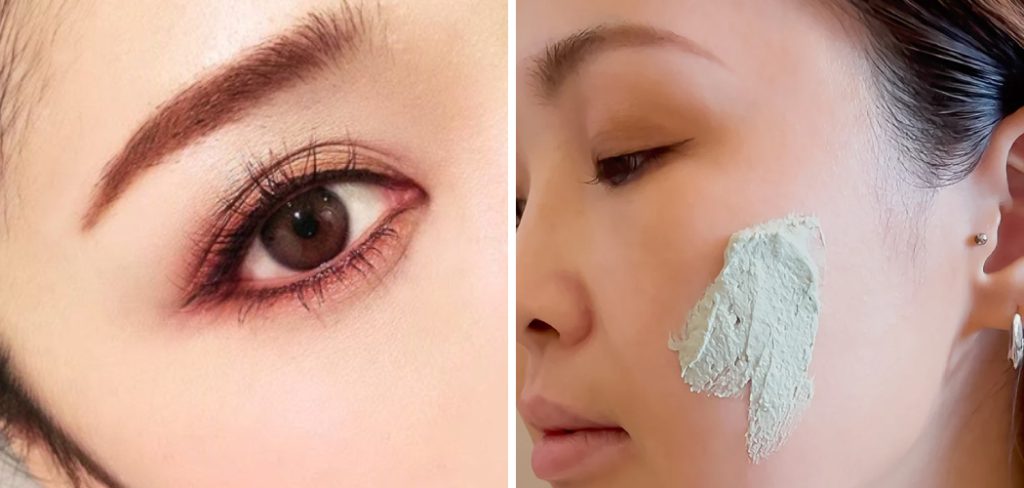
Japanese makeup focuses on enhancing natural beauty with a minimalist approach. The routine prioritizes a flawless skincare base, lightweight foundation, straight eyebrows, subtle eyeshadow, rosy “igari” blush, and a sheer, glossy lip. The result is a youthful, glowing, and effortless appearance well-suited to daily wear.
Achieving a flawless makeup look starts with understanding a subtle but important distinction: skincare and cosmetics are not separate rituals in Japanese beauty—they’re part of the same conversation. J-beauty routines treat a luminous, healthy complexion as the goal, not the starting point. Heavy coverage, sharp contours, and matte finishes? Largely beside the point.
What this means in practice is a routine built around hydration, soft color, and restraint. It sounds simple. Executed well, it looks effortless. This guide on how to do Japanese makeup walks you through all seven steps, from skin prep to the final lip gloss.
Understanding the Japanese Beauty Philosophy
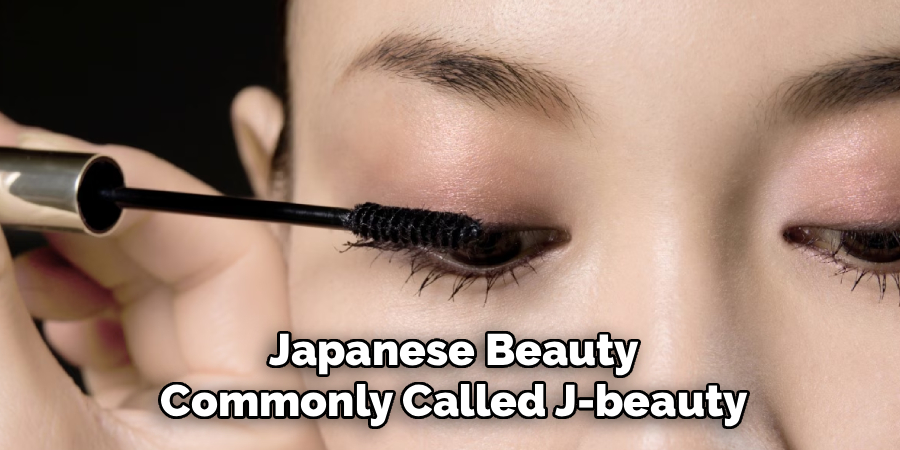
Japanese beauty—commonly called J-beauty—operates on a skin-first principle that may seem counterintuitive to those trained in Western techniques. Rather than using makeup to mask imperfections, the philosophy centers on nurturing the skin until minimal cosmetics are needed at all. It’s a long-game approach: products formulated to protect and nourish the skin barrier, so that whatever goes on top serves only to gently enhance what’s already there.
The aesthetic preferences this produces are distinctive. Sheer textures. Glossy finishes. Soft, watercolor-like pigments. A strong preference for looking like yourself, only more rested.
7 Steps on How to Do Japanese Makeup
Step 1: Prepare Your Skin With Hydrating Skincare
No step matters more than this one. Begin with a double cleanse—an oil-based cleanser first to break down SPF and sebum, followed by a gentle foaming wash. Then layer a hydrating lotion or essence, pressing it into the skin with your palms rather than wiping it on. The warmth and pressure improve absorption noticeably.
Follow with a lightweight moisturizer and—non-negotiably—a broad-spectrum SPF. Sun protection is foundational in Japanese skincare, not optional. Give your products at least five minutes to fully absorb before touching any cosmetics. Rushing this step tends to cause pilling and uneven application.
Step 2: Apply a Lightweight, Luminous Base
Reach for a BB cream, cushion compact, or sheer liquid foundation—something that evens out skin tone without erasing the texture beneath it. Heavy, full-coverage formulas tend to look mask-like against the soft, dewy aesthetic J-beauty aims for. Apply from the center of the face outward, using a damp sponge or fingertips.
Use concealer selectively—under the eyes or over blemishes, blended carefully at the edges. Set only the T-zone with translucent powder, leaving the rest of the face dewy. The goal is controlled luminosity, not a full matte finish.
Step 3: Groom and Shape Soft, Straight Eyebrows
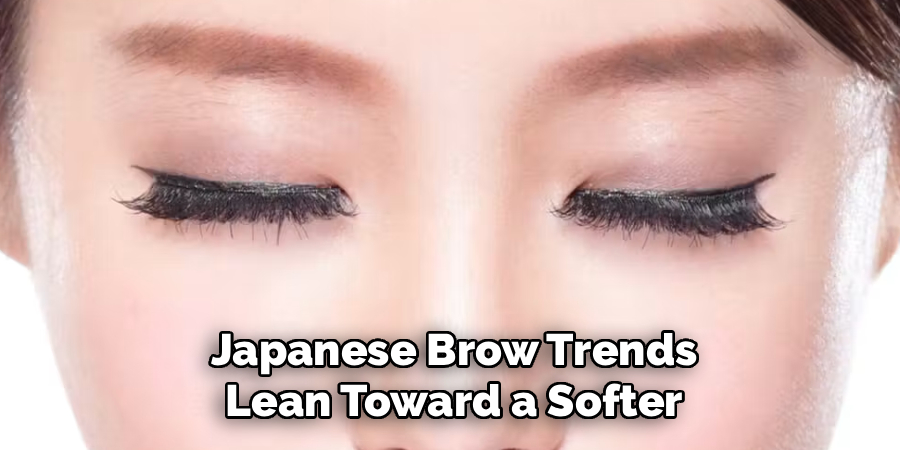
Japanese brow trends lean toward a softer, slightly straighter shape than the highly arched styles common in Western beauty. This shape reads as more youthful, even a little innocent—and it works precisely because it doesn’t dominate the face.
Brush brows upward with a spoolie to reveal sparse patches. Fill them using feathery strokes with a fine-tipped pencil or brow powder, ideally in a shade a touch lighter than your natural hair. Heavy outlines age the look immediately. Finish with a tinted or clear brow mascara to hold the hairs in place without stiffness.
Step 4: Create Subtle, Shimmering Eyes
The eye look here is brightening rather than dramatic. Neutral shades with a fine shimmer or pearl finish—champagne, soft peach, warm brown—work best. Sweep a light shade across the lid, add slight depth near the lash line, and keep blending soft.
One technique worth knowing: the “namida-bukuro,” or tear bag. This refers to the small area of fullness just below the lower lash line. Highlighting it with a subtle shimmer creates the illusion of wider, smiling eyes—a quietly effective trick. For liner, a brown gel or liquid product applied close to the upper lash line, with only a slight downward extension at the outer corners, keeps the gaze soft.

Step 5: Curl and Define Your Eyelashes
Long, separated, fluttery lashes are a signature of the J-beauty aesthetic. Use a quality eyelash curler, pulsing gently from root to tip for a natural C-curve rather than a sharp crimp. A brief pass of heat from a hairdryer can help the curl last longer.
Choose a lengthening mascara over a volumizing one—clumping undermines the effect entirely. Apply one or two thin coats, working the wand from root to tip. Comb through immediately if any clumps form.
Step 6: Apply Rosy Blush for a Youthful Flush
Blush may be the single most recognizable element of contemporary Japanese makeup. The “igari” style—sometimes called hangover makeup—places blush higher on the cheeks than Western application typically does, right beneath the outer eyes. The effect mimics a natural flush from cold air or light exertion. It looks remarkably alive.
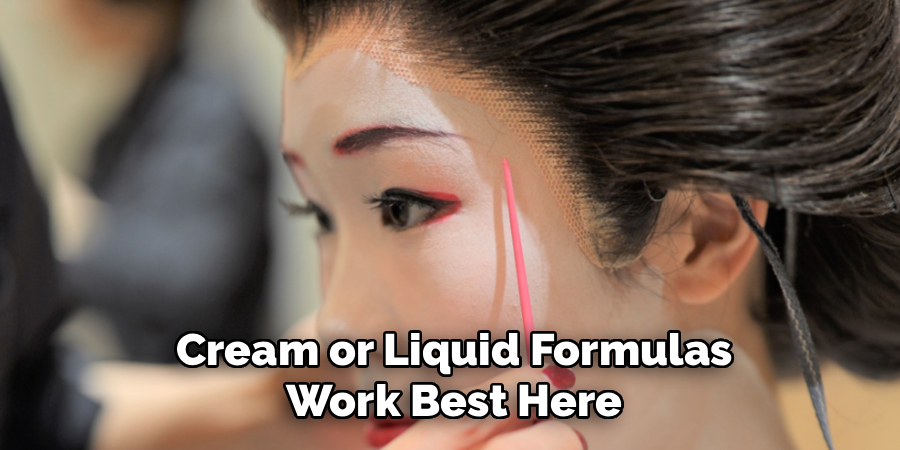
Cream or liquid formulas work best here; they melt into the skin rather than sitting on top of it. Soft pinks, corals, and peachy hues tend to flatter most skin tones. Use fingertips to stipple the color high on the cheeks, blending gently toward the temples and across the nose bridge. Keep the edges diffused so the color appears to radiate from within.
Step 7: Finish With a Sheer, Glossy Lip
Matte lipstick has no place in this look. Lip tints, tinted balms, and sheer lipsticks—anything that gives a juicy, hydrated finish—are the appropriate choices. Pink, coral, and soft red are popular shades, though the formula matters more than the color.
Apply to the center of the lips and blend outward with a fingertip, creating a soft, blurred edge that looks unforced. A dab of clear or lightly tinted gloss at the center of both lips adds dimension and makes them appear slightly fuller.
Following these steps on how to do Japanese makeup, you can easily achieve a fresh and natural look that enhances your features and brings out your inner glow.
Common Mistakes to Avoid
Heavy matte foundation immediately undercuts the dewy, youthful effect the rest of the routine builds toward. Dark, harshly drawn eyeliner and eyebrows disrupt the soft balance J-beauty depends on.
Over-powdering kills luminosity and can make skin look dry. Skipping skincare preparation tends to result in patchy, short-lived application. When in doubt, keep products lightweight and blend more than you think necessary.
Tips for a More Polished Result
Layer hydrating toners and serums before applying any pigment—this appears to make a measurable difference in how products sit and last. Use your fingers for cream blushes and foundations where possible; body heat helps products integrate with the skin rather than resting on top. A hydrating facial mist can revive a dewy finish mid-afternoon.
When selecting colors, consider pairing a peach blush with a coral lip for cohesion. Build coverage gradually—adding is always easier than removing.
Japanese Makeup for Different Occasions
For everyday office wear, a sheer BB cream, light brown liner, and a tinted lip balm keep things professional without looking flat. Evening events could warrant a touch more shimmer on the eyelid center and a richer glossy lip.
Weekend looks offer more room to experiment—this is when the high-placed igari blush style really comes into its own. Regardless of occasion, the core principle holds: a luminous, breathable base that lets the skin show through.
Frequently Asked Questions
What Is the Main Difference Between Japanese and Western Makeup?
Western makeup often aims for transformation—contouring, matte finishes, bold definition. Japanese makeup takes a minimalist approach, using skincare as the foundation and soft, sheer pigments to enhance existing features. The core goal of J-beauty is to look like a better-rested, more luminous version of yourself, not a reshaped one.
Can I Achieve a Japanese Makeup Look If I Have Oily Skin?
Yes. Swap rich creams for water-based hydrating gels during skin prep. Use a mattifying primer on the T-zone only, and choose a long-wearing, satin-finish foundation rather than a highly dewy one. This may help balance luminosity without tipping into excess shine.
What Is the Best Way to Apply Blush for a J-Beauty Look?
Place a cream or liquid blush high on the cheeks, directly beneath the outer eye area. Blend softly outward and slightly across the nose bridge to mimic a natural, youthful flush. Diffuse the edges completely into your base for a seamless finish.
Your Next Step Toward a J-Beauty Routine
Japanese makeup asks you to shift your focus from hiding imperfections to working with what’s already there. That shift—toward hydration, restraint, and soft color—tends to produce a routine that’s both quicker and more sustainable over time.
Start with the skincare base. Get that right, and the rest of the steps follow naturally. From there, explore the cream blushes and sheer lip tints that feel most like you. If you want to go deeper into the skin-first philosophy, traditional Japanese skincare ingredients like green tea and rice bran are worth researching—they often appear in the serums and essences that make this whole approach possible. Thanks for reading this guide on how to do Japanese makeup.

About the Author
Jane Hubbard is a passionate beauty expert with a wealth of experience in makeup, hair, and overall beauty techniques. After years of working as a hairdresser specialist, she followed her entrepreneurial spirit and started her own consultancy business.
Jane has always been driven by her desire to help others feel confident in their own skin, and she does this by sharing her knowledge, experiences, and practical beauty tips. Through her consultancy, she empowers individuals to embrace their unique beauty, offering tailored guidance that boosts both self-esteem and personal style.
Professional Focus
Specializes in makeup, hairstyling, and beauty consulting.
Provides personalized beauty advice, tips, and techniques to help individuals feel confident in their appearance.
Dedicated to staying up-to-date with the latest industry trends and developments.
Passionate about creating a comfortable and empowering experience for every client.
Education History
University of Craft and Design – Bachelor of Fine Arts (BFA) in Woodworking and Furniture Design
Woodworking Apprenticeships – Extensive hands-on training with skilled craftsmen to refine carpentry and furniture making techniques
Online Courses & Masterclasses – Continued education in advanced woodworking techniques, design principles, and specialized tools
Expertise:
Makeup artistry, hairstyling, and beauty consulting.
Personalized beauty techniques to enhance confidence and self-expression.
Educating clients on how to maintain their beauty routines at home.