

Stainless steel tweezers are one of those tools that get used constantly but rarely get the attention they deserve. You reach for them without thinking—eyebrow shaping, ingrown hair removal, a stubborn splinter—and then toss them back in the drawer. But dirty tweezers can cause real problems: skin irritation, infections, and reduced grip. Most people skip cleaning them entirely, which may seem harmless until it isn’t.
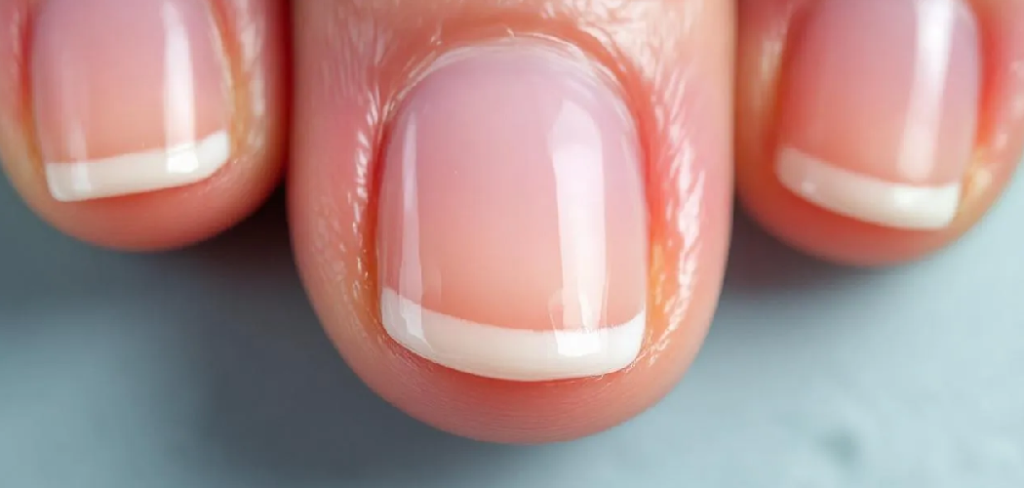
This guide on how to soften cuticles naturally covers why cleaning matters, what you’ll need, and a straightforward seven-step process to get your tweezers hygienically clean and working at their best.
Why Cleaning Stainless Steel Tweezers Actually Matters?
Every time tweezers touch your skin, they pick up bacteria, dead skin cells, oils, and product residue. Left alone, that buildup becomes a breeding ground. The next time those tips contact broken skin—right after plucking a hair, for instance—bacteria transfer directly into the follicle. The infection risk is real, and it’s avoidable.
There’s also a performance angle worth considering. Residue dulls the tips and reduces precision, making every pluck harder than it needs to be. Regular cleaning preserves grip, extends the tool’s lifespan, and protects your skin at the same time. It takes a few minutes. It’s worth it.
When Should You Clean Your Tweezers?
A simple rule: before and after each use. This removes bacteria that settled on the tips between sessions and clears any debris picked up during use. If you’ve used tweezers on broken or irritated skin, clean them right away—don’t wait until tomorrow.
For anyone using tweezers regularly as part of a grooming routine, a deeper clean once a week appears to be the most practical cadence. And if you’ve lent them to someone else, clean them thoroughly before using them on yourself again.
Supplies You’ll Need
No specialty products required here. Gather the following before you start:
- Rubbing alcohol (isopropyl alcohol, 70% or higher)
- Mild dish soap or antibacterial hand soap
- Warm water
- A small bowl or cup
- Cotton balls or pads
- A soft-bristled toothbrush
- A clean, dry cloth or paper towel
7 Simple Steps on How to Soften Cuticles Naturally
Step 1: Rinse Off Surface Debris Under Warm Water
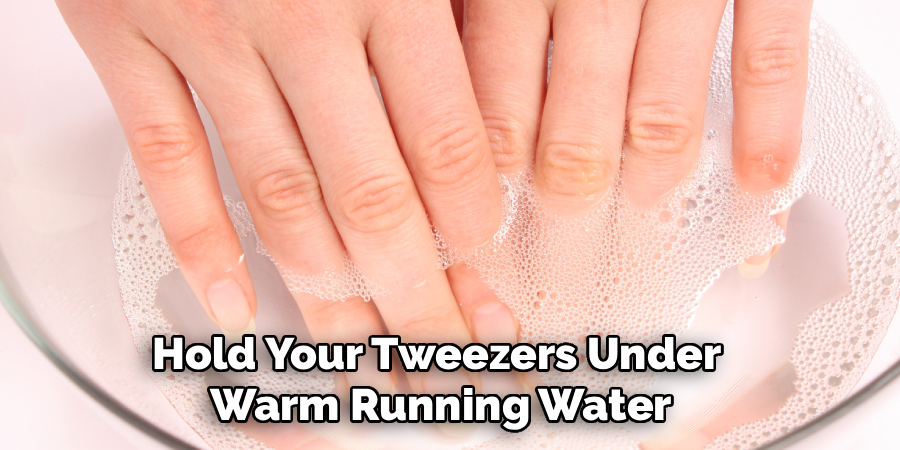
Hold your tweezers under warm running water for 20–30 seconds. This loosens surface-level dirt, makeup residue, and skin oils sitting on the tips and inner edges. Warm water is more effective than cold at breaking down oils—run it along both the inner gripping surfaces and the outer body of the tweezers before moving on.
Step 2: Apply Soap and Scrub With a Soft-Bristled Toothbrush
Add a small drop of mild dish soap directly onto the tweezers. Using a soft-bristled toothbrush, scrub the tips, inner edges, and outer surfaces in small circular motions. The very tips deserve the most attention—that’s where bacteria and residue tend to concentrate. Toothbrush bristles reach into tiny grooves that fingers simply can’t access.
Step 3: Rinse Thoroughly to Remove All Soap
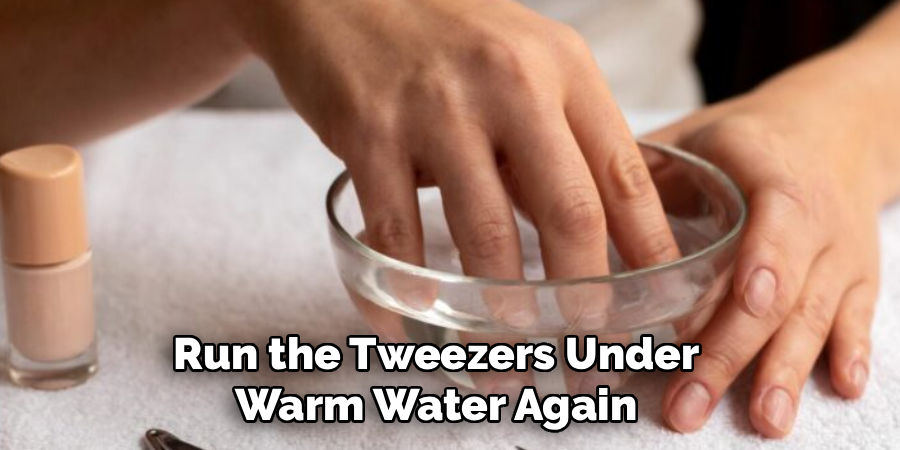
Run the tweezers under warm water again and rinse away all traces of soap. Soap residue left on the metal can cause mild irritation, particularly on sensitive skin. Gently open and close the tweezers while rinsing to make sure nothing lingers between the gripping edges. About 15–20 seconds should do it.
Step 4: Prepare Your Alcohol Soak
Pour enough rubbing alcohol (70% isopropyl or higher) into a small bowl to fully submerge the tips. It’s worth noting that 70% isopropyl alcohol may actually be more effective at killing bacteria than 100% concentration—the water content appears to help the alcohol penetrate cell walls more efficiently. This step is what takes cleaning beyond the surface.
Step 5: Soak the Tweezers for 5–10 Minutes
Place the tweezers into the alcohol solution, tips down, and leave them for at least five minutes. Ten minutes is preferable for a deep clean or if the tweezers were used on irritated skin. The alcohol breaks down and kills bacteria, fungi, and other microorganisms on the metal. While you wait, keep your fingers out of the solution—repeated alcohol exposure dries out skin quickly.

Step 6: Remove and Wipe With a Cotton Ball
Take the tweezers out and use a clean cotton ball or pad to wipe down the entire surface—tips, body, and inner edges. Use firm, deliberate strokes rather than a light dab. This removes any remaining loosened debris and distributes the alcohol’s disinfecting properties evenly across the full surface.
Step 7: Dry Completely Before Storing
Lay the tweezers flat on a clean cloth or paper towel and let them air dry completely. Stainless steel resists rust well, but prolonged moisture in a closed case or drawer can eventually cause spotting or corrosion along the tips. Once fully dry, store them in a clean case or a designated spot away from dust and humidity.
Following these steps on how to soften cuticles naturally and sterilize tweezers will keep your cuticles healthy and prevent infections.
Common Mistakes to Avoid
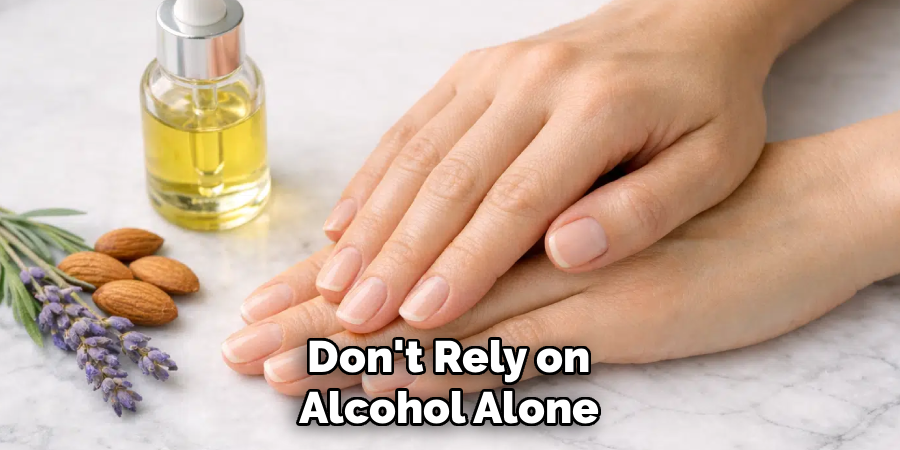
A few missteps can quietly undermine even a careful cleaning routine. Bleach and harsh chemical cleaners can corrode the metal and compromise tip alignment—avoid them. Don’t rely on alcohol alone and skip the scrubbing step; alcohol sanitizes, but it doesn’t remove physical debris. Storing tweezers while still wet accelerates corrosion.
Rough paper towels with a coarse texture can scratch the tips. And sharing tweezers without cleaning them first is one of the most common ways bacteria spread between people.
How Often Should You Replace Tweezers?
Even well-maintained tweezers don’t last forever. The tips gradually lose their precision alignment through regular use—a slow process, but an inevitable one. For daily users, replacing tweezers every 12–18 months seems reasonable. Used a few times a week, a quality pair could last two to three years before performance noticeably declines.
The clearest sign it’s time: the tips no longer close evenly, or hairs consistently slip through the grip. Bent, chipped, or rough-feeling tips tell the same story. Some high-quality brands offer resharpening services, which may be worth exploring if you’ve invested in a premium pair.
Tips to Keep Tweezers in Good Condition
Store them in a protective case or pouch rather than loose in a drawer where tips can knock against other tools and fall out of alignment. A single drop on a hard floor can bend the tips. Always use soft cloths and brushes when cleaning to avoid surface scratches.
Every few months, apply a thin coat of mineral oil to the pivot point—where the two arms meet—to keep the spring action smooth. Handle the tips as little as possible with bare hands, since skin oils contribute to buildup between cleanings.
Frequently Asked Questions
Can I Use Hand Sanitizer Instead of Rubbing Alcohol to Clean My Tweezers?
Hand sanitizer can work in a pinch, but it’s not the best choice for sanitizing tweezers. Most formulas contain 60–65% alcohol alongside gels, moisturizers, and fragrance additives that leave residue on the metal surface—residue that may reduce gripping ability over time. Rubbing alcohol at 70% or higher is cleaner and more direct, making it the preferred option for tool sanitization.
Is It Safe to Boil Stainless Steel Tweezers to Sterilize Them?
Boiling tweezers in water for 10–15 minutes kills most bacteria and qualifies as a legitimate sterilization method. The catch is that repeated boiling can gradually weaken spring tension and affect tip alignment, particularly on lighter pairs. For everyday home hygiene, rubbing alcohol is equally effective and considerably gentler on the skin. Boiling may be worth reserving for situations where thorough sterilization is genuinely necessary.
How Do I Remove Rust Spots From Stainless Steel Tweezers?
Mix baking soda with a small amount of water to form a paste. Apply it to the affected area using a soft cloth or toothbrush and scrub gently in circular motions for one to two minutes, then rinse thoroughly and dry immediately. For more stubborn spots, white vinegar applied with a cotton ball and left for 10–15 minutes before scrubbing can help break down light oxidation. The best long-term prevention: always dry tweezers completely before putting them away.
Keep Your Tweezers Clean, Keep Your Skin Healthy
Clean tweezers are a small but meaningful part of any grooming routine. The process takes only a few minutes, requires no special products, and pays off in better performance and healthier skin.
Follow these seven steps on how to soften cuticles naturally consistently, sidestep the common mistakes, and replace your tweezers when their best days are clearly behind them. Good tools, properly cared for, make every task easier.

About the Author
Jane Hubbard is a passionate beauty expert with a wealth of experience in makeup, hair, and overall beauty techniques. After years of working as a hairdresser specialist, she followed her entrepreneurial spirit and started her own consultancy business.
Jane has always been driven by her desire to help others feel confident in their own skin, and she does this by sharing her knowledge, experiences, and practical beauty tips. Through her consultancy, she empowers individuals to embrace their unique beauty, offering tailored guidance that boosts both self-esteem and personal style.
Professional Focus
Specializes in makeup, hairstyling, and beauty consulting.
Provides personalized beauty advice, tips, and techniques to help individuals feel confident in their appearance.
Dedicated to staying up-to-date with the latest industry trends and developments.
Passionate about creating a comfortable and empowering experience for every client.
Education History
University of Craft and Design – Bachelor of Fine Arts (BFA) in Woodworking and Furniture Design
Woodworking Apprenticeships – Extensive hands-on training with skilled craftsmen to refine carpentry and furniture making techniques
Online Courses & Masterclasses – Continued education in advanced woodworking techniques, design principles, and specialized tools
Expertise:
Makeup artistry, hairstyling, and beauty consulting.
Personalized beauty techniques to enhance confidence and self-expression.
Educating clients on how to maintain their beauty routines at home.