

Finding the perfect shade of foundation can feel like a guessing game, especially when you are shopping on a budget. That is where learning how to color match elf foundation becomes a real game changer. Color matching simply means choosing a foundation shade that blends seamlessly into your skin, so your face and neck look like one smooth, even canvas rather than two mismatched tones.
This matters because the wrong shade shows instantly. Too light and you look ashy or ghostly. Too dark and you get that harsh mask effect around your jawline. e.l.f. offers a wide, affordable range of shades and undertones, which makes it beginner-friendly but also a little overwhelming when you are staring at dozens of options.
The good news is that matching your shade is a skill anyone can learn. In this friendly, expert-backed guide, you will discover exactly how to read undertones, test shades the smart way, and lock in a flawless match. No confusion, no wasted money, just clear steps you can follow today for skin that looks naturally radiant.
Why Color Matching Your Elf Foundation Matters
Getting your shade right transforms your entire makeup look. When your foundation truly matches, it disappears into your skin and creates a smooth, natural finish that lasts all day. You avoid the dreaded orange line at your neck and that chalky, washed-out effect that photographs so poorly.
Beyond looks, a proper match saves you money and frustration. Buying the wrong shade means wasted product sitting unused in a drawer, plus the hassle of returns. A confident match also boosts your confidence, since you know your base looks fresh and believable in any lighting.
Correct matching also protects the health of your look over time. The right undertone works with your natural coloring instead of fighting it, so your makeup ages gracefully throughout the day rather than turning patchy, dull, or unnaturally warm.
Step-by-Step Guide To How To Color Match Elf Foundation
Step 1: Determine Your Skin Tone
start by figuring out your overall depth, which is simply how light, medium, deep, or rich your skin appears. stand in front of a mirror in natural daylight and look at your bare, freshly cleansed face without any makeup. compare your forehead, cheeks, and jaw to notice whether your skin reads fair, light, medium, tan, or deep. this depth level narrows the huge shade range down to a manageable handful. knowing your general tone first means you will not waste time testing shades that are obviously too light or too dark for your complexion, saving effort and money.
Step 2: Identify Your Undertone
next, discover your undertone, the subtle hue beneath your skin’s surface. undertones fall into three groups, warm, cool, and neutral. check the veins on your inner wrist in natural light. greenish veins usually signal warm undertones, bluish or purple veins suggest cool undertones, and a mix points to neutral. another trick is the jewelry test, where gold flatters warm skin and silver flatters cool skin. undertone matters far more than depth, because a shade with the wrong undertone will always look slightly off no matter how close the lightness seems.
Step 3: Understand The elf Shade System
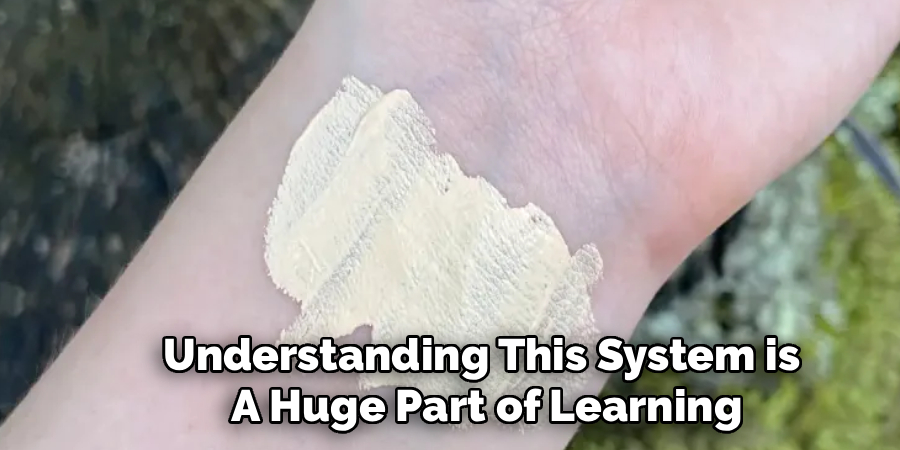
before you buy, get familiar with how e.l.f. labels its shades. many e.l.f. foundations use a letter and number code, where the letter often signals the undertone family and the number signals depth. for example, a shade might read as warm, neutral, or cool followed by a number that climbs as the shade gets deeper. take a moment to read the brand’s shade descriptions online, since they usually explain each undertone clearly. understanding this system is a huge part of learning how to color match elf foundation without endless trial and error.
Step 4: Swatch On Your Jawline
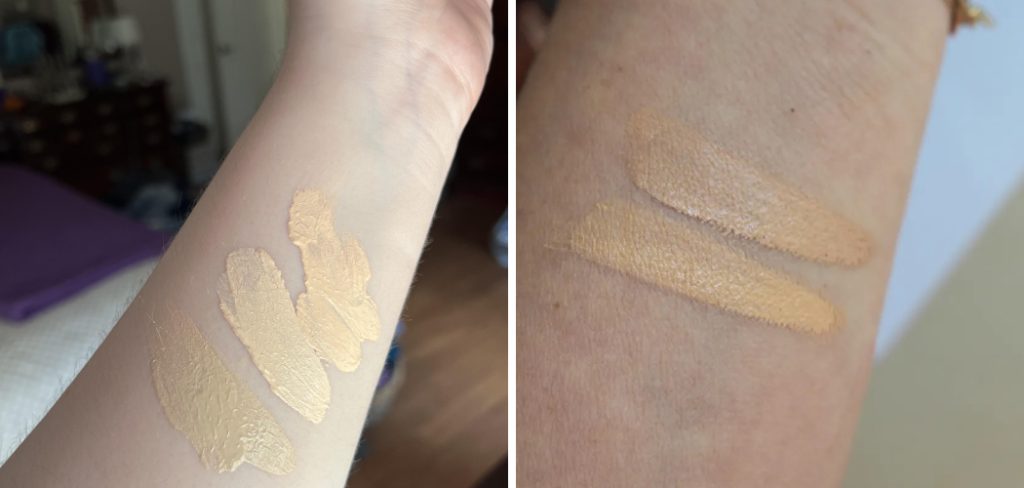
now it is time to test. apply a small stripe of foundation along your jawline, blending it toward your neck. avoid swatching on your hand or wrist, because those areas rarely match your face. the jawline sits between your face and neck, so it reveals the truest match. apply two or three nearby shades side by side, then step back and look. the correct shade will melt into your skin and seemingly vanish. any stripe you can still clearly see is either too light, too dark, or the wrong undertone for you.
Step 5: Check In Natural Light
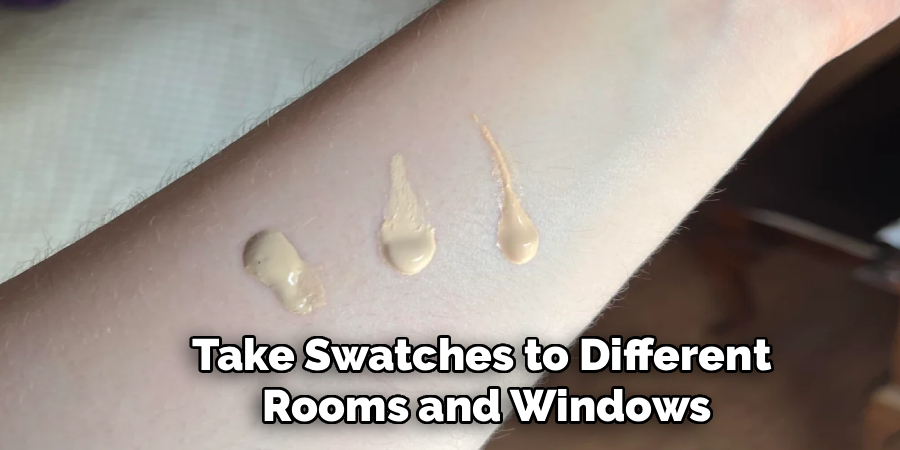
lighting changes everything, so never judge your match under harsh store bulbs alone. after swatching, walk to a window or step outside to view the shades in soft daylight. natural light shows the truest color and exposes any hidden mismatch that indoor lighting hides. yellow store lighting can make shades look warmer than they really are, while fluorescent light can wash you out. if you shop online, take swatches to different rooms and windows. this simple habit is central to mastering how to color match elf foundation and prevents disappointing surprises later.
Step 6: Let It Oxidize And Settle
foundation can shift color slightly after it sits on your skin, a process called oxidation. once you have a promising match on your jawline, wait around ten to fifteen minutes before making your final decision. many formulas darken or turn a touch warmer as they react with your skin’s oils and the air. by waiting, you see the true finished shade rather than the fresh, just-applied color. this patience prevents you from choosing a shade that looks perfect at first but turns noticeably darker or orange within the hour.
Step 7: Confirm And Adjust If Needed
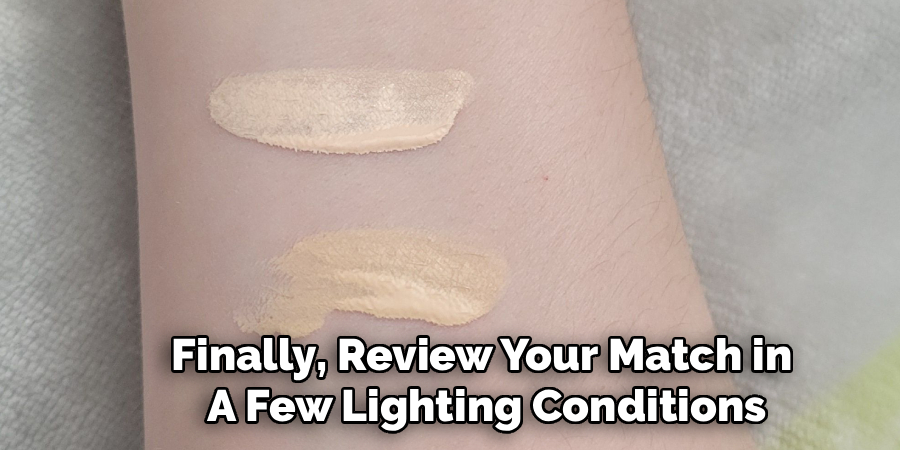
finally, review your match in a few lighting conditions and trust what you see. if the shade blends perfectly with no visible line at your neck, you found your winner. if it is only slightly off, you can adjust with tools rather than starting over. mixing a drop of a lighter or darker shade lets you fine-tune your match at home. a setting powder in a matching undertone can also balance minor differences, giving you a polished, seamless finish that looks completely natural in person and on camera.
Frequently Asked Questions
What Is The Best Way To Find My Undertone?
The easiest method is checking your wrist veins in natural daylight. Green-looking veins usually mean warm undertones, blue or purple veins point to cool undertones, and a blend suggests neutral. You can also test how gold versus silver jewelry looks against your skin. Gold tends to flatter warm tones, while silver suits cool tones best. Combining both tricks gives you a confident, reliable read every time.
Should I Swatch Foundation On My Hand Or Face?
Always swatch on your face, specifically along the jawline. Your hands are often a different shade than your facial skin due to sun exposure and circulation differences. The jawline sits perfectly between your face and neck, revealing the truest match. When a stripe of foundation blends invisibly there in natural light, you have found a genuine match rather than one that only appears close on your hand.
Why Does My Foundation Look Different After A Few Hours?
This shift happens because of oxidation, where the formula reacts with your skin’s natural oils and the air. Many foundations darken or turn slightly warmer within fifteen minutes to an hour. To avoid surprises, apply your test shade and wait before deciding. Judging the color only after it settles ensures the shade you choose stays flattering throughout the entire day rather than changing on you.
How Do I Fix A Shade That Is Slightly Off?
You have easy options at home. If a shade is a touch too light or too dark, blend in a small drop of another foundation to customize it. A setting powder in the right undertone can also warm up or soften a base. For minor mismatches, adjusting your bronzer and blush placement helps unify everything, creating a seamless, natural-looking finish without buying a whole new product.
Can Lighting Really Change My Match That Much?
Absolutely. Store lighting is notorious for distorting shades, often making them look warmer or washing them out entirely. Natural daylight is the gold standard because it shows the truest color with no artificial tint. Always double-check any swatch near a window or outside before committing. This one habit alone prevents most matching mistakes and helps you feel confident that your shade looks right everywhere you go.
Conclusion
Getting a flawless base does not require expensive products or a professional makeup artist, just a little knowledge and patience. Throughout this guide, you learned that a great match starts with understanding your depth and undertone, then reading the shade system, swatching along your jawline, and always checking your results in natural light. You also discovered how oxidation can shift color and why waiting before you decide protects you from choosing the wrong shade. These simple, repeatable steps turn a confusing shopping trip into a confident, empowering routine you can trust every single time.
Now that you know how to color match elf foundation, you are ready to shop smarter and skip the guesswork that leads to wasted money and mismatched skin. Put these steps into action today by examining your undertone, testing a few shades the right way, and giving each swatch time to settle before you commit. Your perfect, natural-looking base is well within reach, so grab your mirror, head toward the nearest window, and enjoy the confidence that comes with skin that looks effortlessly radiant.

About the Author
Jane Hubbard is a passionate beauty expert with a wealth of experience in makeup, hair, and overall beauty techniques. After years of working as a hairdresser specialist, she followed her entrepreneurial spirit and started her own consultancy business.
Jane has always been driven by her desire to help others feel confident in their own skin, and she does this by sharing her knowledge, experiences, and practical beauty tips. Through her consultancy, she empowers individuals to embrace their unique beauty, offering tailored guidance that boosts both self-esteem and personal style.
Professional Focus
Specializes in makeup, hairstyling, and beauty consulting.
Provides personalized beauty advice, tips, and techniques to help individuals feel confident in their appearance.
Dedicated to staying up-to-date with the latest industry trends and developments.
Passionate about creating a comfortable and empowering experience for every client.
Education History
University of Craft and Design – Bachelor of Fine Arts (BFA) in Woodworking and Furniture Design
Woodworking Apprenticeships – Extensive hands-on training with skilled craftsmen to refine carpentry and furniture making techniques
Online Courses & Masterclasses – Continued education in advanced woodworking techniques, design principles, and specialized tools
Expertise:
Makeup artistry, hairstyling, and beauty consulting.
Personalized beauty techniques to enhance confidence and self-expression.
Educating clients on how to maintain their beauty routines at home.