

Acne scars can make finding the right foundation feel like a never-ending battle. The wrong formula can settle into textured skin, highlight uneven patches, or simply fail to provide the coverage you need. Powder foundation, when chosen correctly, can be a game-changer—offering buildable coverage, a natural finish, and skin-friendly benefits.
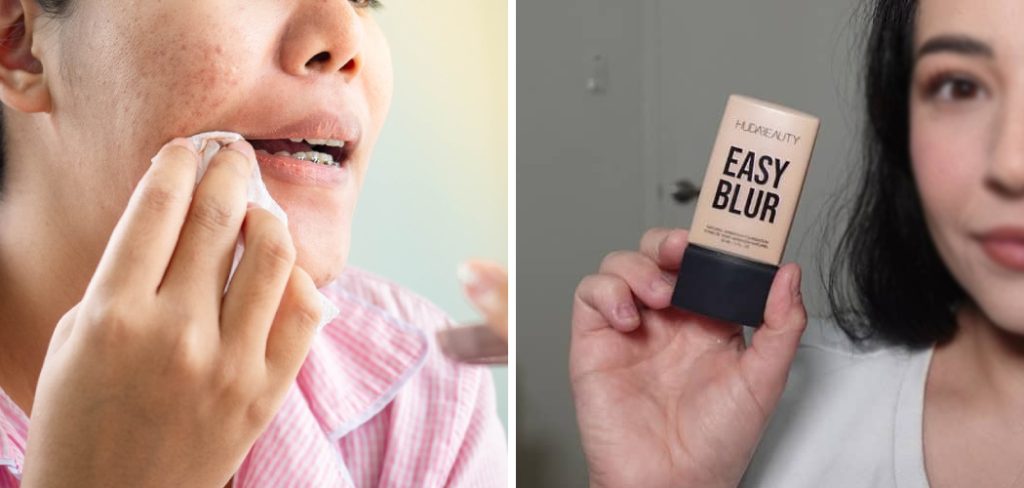
This guide on how to choose powder foundation for acne scars walks you through everything you need to know about selecting the best powder foundation for acne scars, from understanding your skin type to avoiding the most common application mistakes.
Understanding Acne Scars
Acne scars come in several forms, and knowing which type you’re dealing with helps you choose the right foundation formula. The two main categories are atrophic scars—which sit below the skin’s surface and include ice pick, boxcar, and rolling scars—and hyperpigmentation, which refers to dark spots or red marks left behind after a breakout heals.
Atrophic scars create texture and depth that can be tricky to cover, while hyperpigmentation is more about color correction than texture. Some people deal with both simultaneously. Understanding the difference matters because it directly influences the coverage level, finish, and ingredients you should look for in a powder foundation.
Why Choose Powder Foundation?
Powder foundation has earned a loyal following among people with acne-prone skin for good reason. Unlike heavy liquid foundations, powder formulas tend to be lighter on the skin, reducing the risk of clogging pores or triggering new breakouts. They also help control excess oil throughout the day, which is a common concern for acne-prone skin types.
Beyond oil control, powder foundations offer buildable coverage that lets you start light and layer up only where needed. This targeted approach avoids the cakey look that often comes with applying thick liquid coverage all over the face. For acne scars specifically, a well-formulated powder foundation can blur imperfections, even out skin tone, and create a smooth, natural finish.
7 Simple Step-By-Step Guidelines on How to Choose Powder Foundation for Acne Scars
Step 1: Identify Your Skin Type First
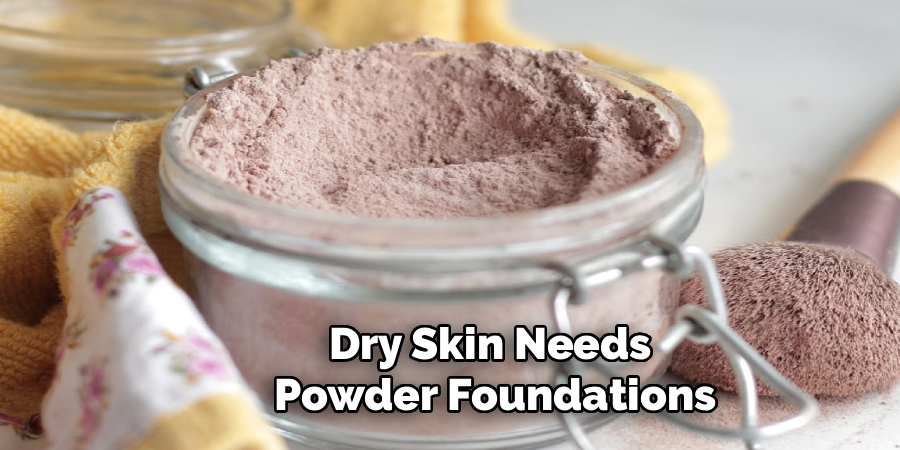
Before browsing any foundation, get clear on your skin type. Oily skin benefits from mattifying powder formulas with oil-absorbing ingredients like silica or kaolin clay. Dry skin needs powder foundations that contain hydrating ingredients such as hyaluronic acid or glycerin to prevent a flaky finish. Combination skin does well with lightweight, breathable formulas that balance moisture and oil control.
Choosing a powder foundation without considering your skin type is one of the most common reasons foundations fail to perform. The right formula for your skin type forms the foundation—literally—of a flawless finish.
Step 2: Look for Skin-Friendly, Non-Comedogenic Ingredients
Acne-prone skin is sensitive, so ingredient awareness is non-negotiable. Look for labels that say “non-comedogenic,” which means the formula won’t clog your pores. Avoid foundations loaded with heavy oils, talc, or synthetic fragrances, as these can aggravate breakouts and worsen scarring over time.
Beneficial ingredients to look for include niacinamide, which helps reduce redness and even out skin tone, and salicylic acid, which can gently exfoliate while you wear your makeup. These additions make your foundation do double duty—covering while also caring for your skin.
Step 3: Choose the Right Coverage Level for Your Scar Type
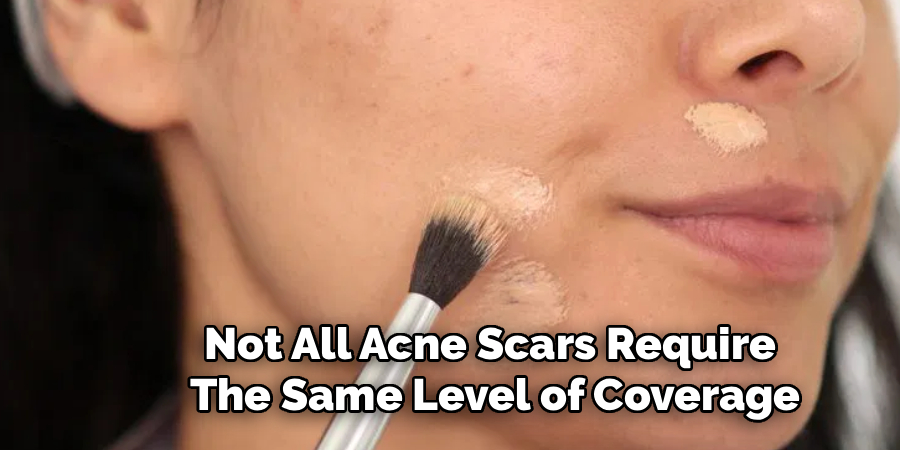
Not all acne scars require the same level of coverage. Mild hyperpigmentation can often be addressed with a medium-coverage formula, while deeper atrophic scars may call for a full-coverage option. Buildable powder foundations are ideal because they give you flexibility—start with a light layer for everyday wear and add more only where you need it.
Avoid the temptation to reach for the heaviest coverage available right away. Heavy powder application can actually emphasize texture by settling into the indentations of atrophic scars, making them appear more pronounced rather than less.
Step 4: Match Your Shade Precisely
An incorrect shade match is one of the fastest ways to make scars more visible rather than less. Always swatch a foundation on your jawline in natural lighting before committing to a purchase. Your foundation should blend seamlessly into your neck without creating a noticeable line.
If your scars involve darker hyperpigmentation, consider using a color-correcting product underneath. Peach or orange correctors work well for dark spots on deeper skin tones, while lavender correctors can neutralize yellow tones. Apply powder foundation over the top once the corrector has set.
Step 5: Consider the Finish You Want
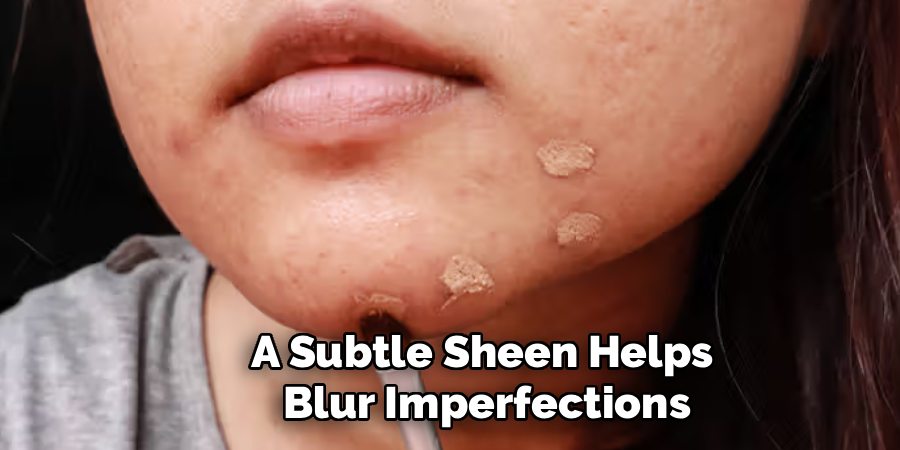
Powder foundations come in a range of finishes, from matte to satin to luminous. For acne-prone skin with textured scarring, a satin or natural finish is often more flattering than a fully matte one, which can sometimes emphasize texture by removing all light reflection. A subtle sheen helps blur imperfections rather than flatten them.
If you have oily skin and prefer a matte look, opt for a semi-matte finish rather than a completely flat one. This gives you the oil control you need without making textured scars appear more pronounced under flat lighting.
Step 6: Test the Formula’s Longevity and Performance
A powder foundation that fades, oxidizes, or breaks down mid-day is working against you. Look for formulas described as long-wear or transfer-resistant, and read reviews from people with similar skin types to yours. Pay attention to how the foundation performs after four to six hours of wear, particularly in oily or combination zones.
Setting your powder foundation with a light mist of setting spray can also extend its wear significantly. This locks the powder in place and helps it move more naturally with your skin throughout the day, reducing the chance of it settling into textured areas.
Step 7: Patch Test Before Full Use
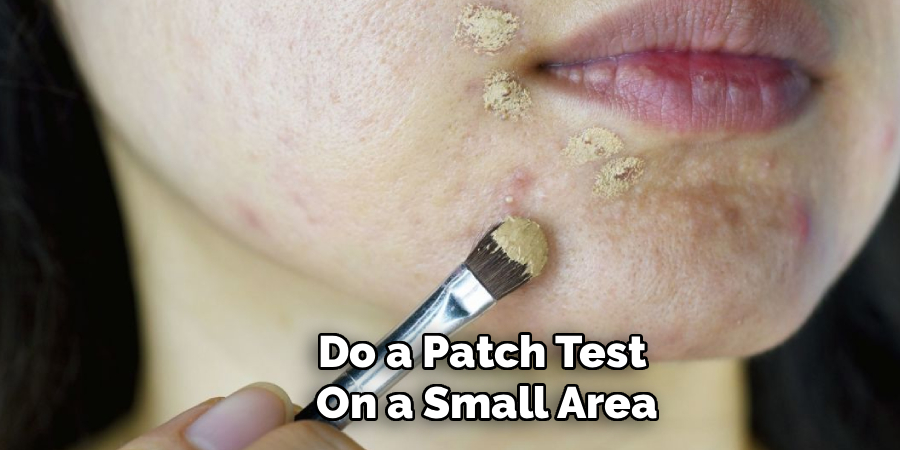
Even a non-comedogenic formula can cause a reaction in particularly sensitive skin. Before applying a new powder foundation all over your face, do a patch test on a small area—like your inner arm or along your jaw—for 24 to 48 hours. This simple step can save you from a potential breakout or irritation that could worsen existing scarring.
Once you’ve confirmed the formula suits your skin, introduce it gradually. Start by wearing it for a few hours and build up to a full day of wear to observe how your skin responds over time.
Following these steps on how to choose powder foundation for acne scars can greatly improve the appearance and health of your skin.
Common Mistakes to Avoid
Applying powder foundation with a flat brush compresses the product unevenly onto textured skin—use a fluffy, dome-shaped brush or a damp sponge instead for a more seamless finish. Skipping primer is another frequent misstep; a pore-filling primer creates a smoother base that helps powder foundation glide on more evenly over scarred areas.
Over-applying product in an attempt to achieve full coverage often backfires, causing cakiness that draws more attention to scars rather than concealing them.
How to Make Powder Foundation Last Longer?
Start with a clean, moisturized face—powder adheres better and lasts longer on well-hydrated skin. A primer designed for your skin type creates a tacky base that gives the powder something to grip onto, dramatically increasing wear time.
Apply your powder foundation in thin, buildable layers using a light hand. Pressing powder gently into the skin rather than sweeping it across helps it bond more securely. For touchups throughout the day, use blotting papers first to remove excess oil before applying a fresh layer of powder—this prevents buildup that can settle into textured areas.
Finish your routine with a setting spray to lock everything in place. This step is particularly effective for longer days or warmer climates, where powder has a tendency to melt or fade faster.
When Powder Foundation May Not Be Enough?
Powder foundation is a strong option for many people, but it has its limits. Deep, pitted atrophic scars—particularly ice pick or deep boxcar scars—may require a full-coverage liquid or cream foundation underneath, with powder applied on top to set and control shine.
Severe hyperpigmentation that doesn’t respond to standard coverage may benefit from a color-correcting concealer applied before foundation. If your scarring is significantly impacting your confidence and makeup alone isn’t enough, consulting a dermatologist about professional treatments such as chemical peels, microneedling, or laser resurfacing may be worth exploring.
Frequently Asked Questions
Can Powder Foundation Make Acne Scars Look Worse?
Yes, it can—but only when the wrong formula or technique is used. Heavy application, the wrong shade, or a flat-matte finish can settle into textured scars and make them appear more defined. Using a buildable formula with a satin finish, applied with a fluffy brush, minimizes this risk. Primer also plays a significant role in smoothing the base before powder application, which reduces the chance of the product emphasizing texture.
Is Mineral Powder Foundation Better for Acne Scars?
Mineral powder foundations are generally considered a good option for acne-prone skin because they typically exclude synthetic fragrances, oils, and preservatives that can trigger breakouts. Ingredients like zinc oxide have natural anti-inflammatory and sun-protective properties that can be beneficial for scarred skin. However, “mineral” doesn’t automatically mean better—always check the full ingredient list, as some mineral formulas still contain pore-clogging ingredients.
How Often Should You Replace Your Powder Foundation?
Most powder foundations have a shelf life of 12 to 24 months once opened. Using an expired product increases the risk of bacterial contamination, which is particularly problematic for acne-prone skin. Check the packaging for the Period After Opening (PAO) symbol—usually a small jar icon with a number indicating how many months the product remains safe to use after opening.
Conclusion
Choosing the right powder foundation for acne scars takes a little research, but the payoff is a finish that genuinely works for your skin. Focus on non-comedogenic formulas, match your shade carefully, and build coverage gradually rather than applying it all at once.
With the right product and technique, powder foundation can be one of the most effective tools in your beauty routine—delivering confidence-boosting coverage without compromising your skin’s health. Thanks for reading this guide on how to choose powder foundation for acne scars.

About the Author
Jane Hubbard is a passionate beauty expert with a wealth of experience in makeup, hair, and overall beauty techniques. After years of working as a hairdresser specialist, she followed her entrepreneurial spirit and started her own consultancy business.
Jane has always been driven by her desire to help others feel confident in their own skin, and she does this by sharing her knowledge, experiences, and practical beauty tips. Through her consultancy, she empowers individuals to embrace their unique beauty, offering tailored guidance that boosts both self-esteem and personal style.
Professional Focus
Specializes in makeup, hairstyling, and beauty consulting.
Provides personalized beauty advice, tips, and techniques to help individuals feel confident in their appearance.
Dedicated to staying up-to-date with the latest industry trends and developments.
Passionate about creating a comfortable and empowering experience for every client.
Education History
University of Craft and Design – Bachelor of Fine Arts (BFA) in Woodworking and Furniture Design
Woodworking Apprenticeships – Extensive hands-on training with skilled craftsmen to refine carpentry and furniture making techniques
Online Courses & Masterclasses – Continued education in advanced woodworking techniques, design principles, and specialized tools
Expertise:
Makeup artistry, hairstyling, and beauty consulting.
Personalized beauty techniques to enhance confidence and self-expression.
Educating clients on how to maintain their beauty routines at home.