

After a long day, the last thing you want is a standoff with your skincare. Clinique’s makeup remover bottles are built with precision and spill-prevention in mind—which, unfortunately, can make them feel more like puzzles than products when you’re tired and just want to wash your face.
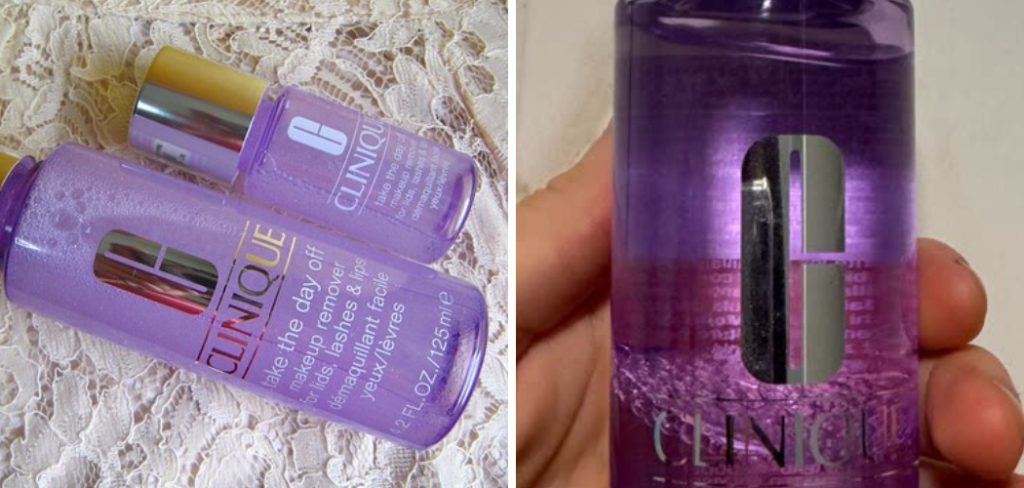
The good news? Once you know the technique, it takes seconds. This guide on how to open clinique makeup remover bottle covers everything from identifying your bottle type to a step-by-step walkthrough for opening it cleanly, without spills, cracked caps, or accidental force.
Identify the Type of Clinique Makeup Remover Bottle
Not all Clinique bottles open the same way, so it’s worth taking a moment to figure out what you’re working with before you start twisting or pressing anything.
The main formats you’ll come across:
- Pump bottles — A pressable nozzle at the top. Common in larger sizes, like the Take the Day Off Cleansing Milk.
- Flip-cap bottles — A hinged lid that pops open with light upward thumb pressure.
- Screw-top bottles — A cap that turns counterclockwise to remove.
- Twist-lock dispensers — Typically travel-sized. These need to be rotated until an arrow aligns with the “open” marker before anything dispenses.
If you’re unsure, check the label—Clinique often prints brief usage instructions on the packaging. A quick identification step saves you from accidentally cracking a hinge or stripping a thread.
8 Step-by-Step Guidelines on How to Open Clinique Makeup Remover Bottle
Step 1: Wash and Dry Your Hands Thoroughly
Start with clean, dry hands. Wet hands slip. And beyond the grip issue, introducing oils or bacteria to a skincare product you’ve just opened isn’t ideal.
Wash with soap and warm water, dry completely, then pick up the bottle.
Step 2: Inspect the Bottle for Seals or Safety Wrapping
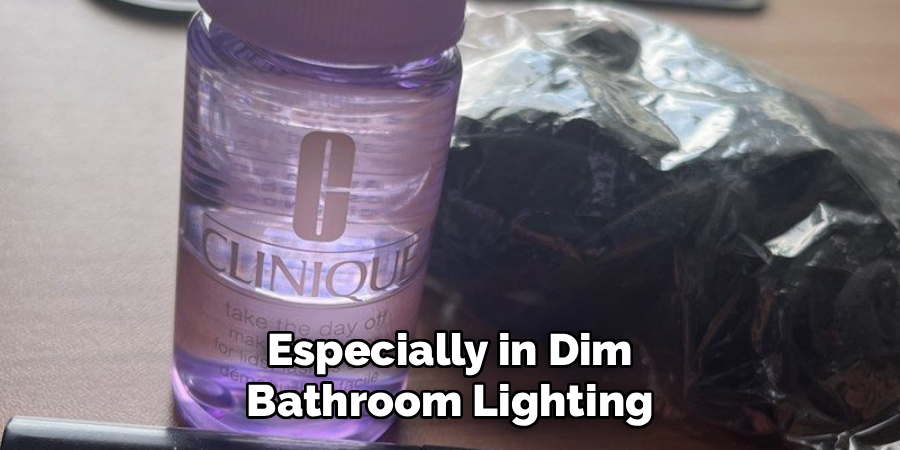
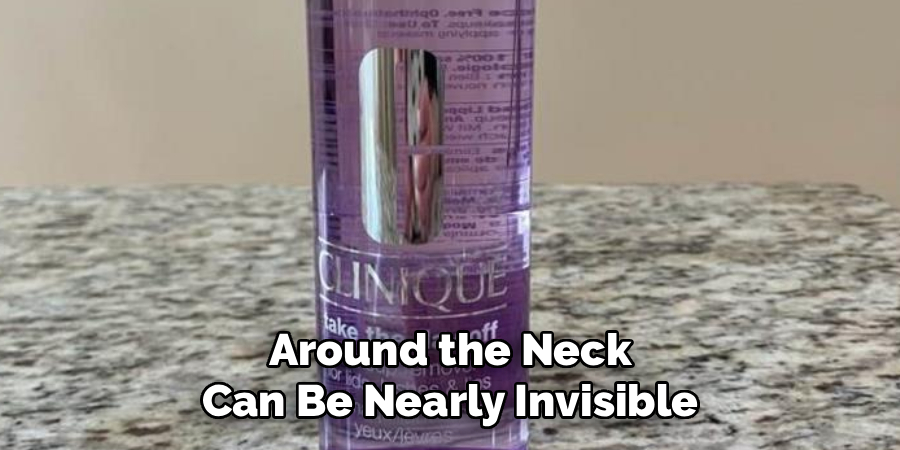
New Clinique products almost always come with a factory seal—shrink wrap around the neck, a foil disc under the cap, or both. These seals can be nearly invisible, especially in dim bathroom lighting.
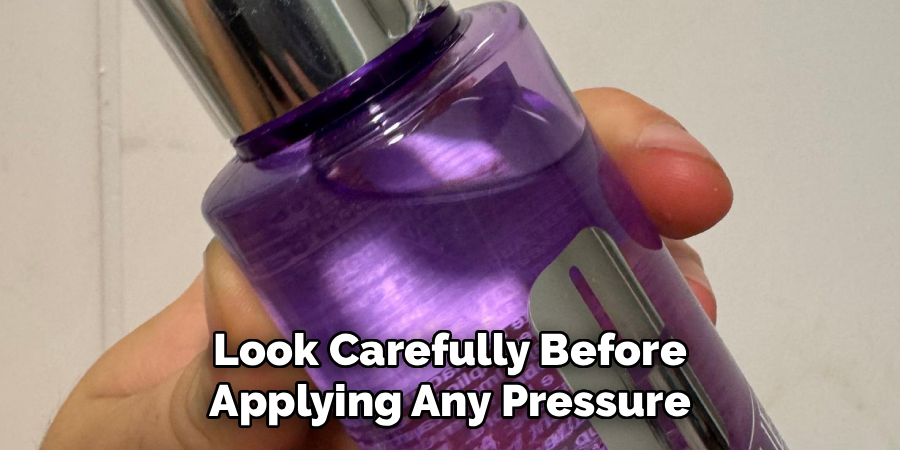
Hold the bottle up and look carefully before applying any pressure to the cap. Attempting to open a sealed bottle feels like the cap is stuck, which can lead you to force it far beyond what’s actually needed.
Step 3: Position the Bottle on a Flat, Stable Surface
Set the bottle down on a bathroom counter before opening. This may seem unnecessary, but it matters—if the cap releases suddenly or a flip-top snaps open, you want the bottle to stay put rather than tip sideways.
Avoid opening it over carpet or towels. The formula can be difficult to remove from fabric.
Step 4: Grip the Bottle Firmly With Your Non-Dominant Hand
Hold the lower half of the bottle with your non-dominant hand. Firm grip, but not tight—squeezing too hard on a pump bottle can push product toward the nozzle before you’re ready.
Stability is the goal here. You want the bottle to stay exactly where it is while your dominant hand does the work.
Step 5: Use Your Dominant Hand to Work the Cap or Pump
The technique varies by bottle type:
- Flip-cap: Place your thumb under the lid’s edge and press upward until it clicks open. Don’t twist it—that can warp or crack the hinge.
- Screw-top: Turn counterclockwise in short, controlled rotations.
- Pump: Press the pump head down firmly. If it feels stiff on the first press, that’s normal—pump it a few times to prime the tube until the product flows freely.
Step 6: Handle Twist-Lock Dispensers With Care
Look for a small arrow or indicator on both the cap and the bottle neck. Rotate the cap until the arrow aligns with the “open” position, applying gentle but firm pressure as you turn.
These mechanisms are deliberately resistant to accidental opening, so some resistance is expected. The cap should either lift off or click into the open position once aligned. If it’s not moving, double-check the alignment rather than forcing it—twisting past resistance can break the locking mechanism entirely.
Step 7: Check for a Secondary Inner Seal Before Use
Some Clinique bottles include a foil disc pressed directly over the bottle opening, underneath the outer cap. Once the cap is off, check before pouring or dispensing.
Peel the foil from the edge using a clean fingernail or the pointed inner edge of the cap. Don’t push the seal into the bottle—loose foil inside the product can contaminate the formula or clog the dispenser.
Step 8: Confirm the Bottle Is Open and Ready to Use
Tilt the bottle slightly to check that the product flows as expected. For pump bottles, do a quick test press over a tissue to confirm even dispensing.
If the pump still feels blocked after priming, the internal tube may have shifted. Remove the pump head, check that the tube is fully inserted into the bottle, reattach, and try again.
Following these steps on how to open clinique makeup remover bottle will save you time and frustration.
Common Mistakes to Avoid
Forcing a cap that’s still sealed. This is the most frequent issue. If the bottle feels completely immovable, look for shrink wrap or a foil seal before applying more pressure.
Twisting a flip-cap. The hinge is designed for upward pressure only. Twisting it sideways—even slightly—can crack or warp it permanently.
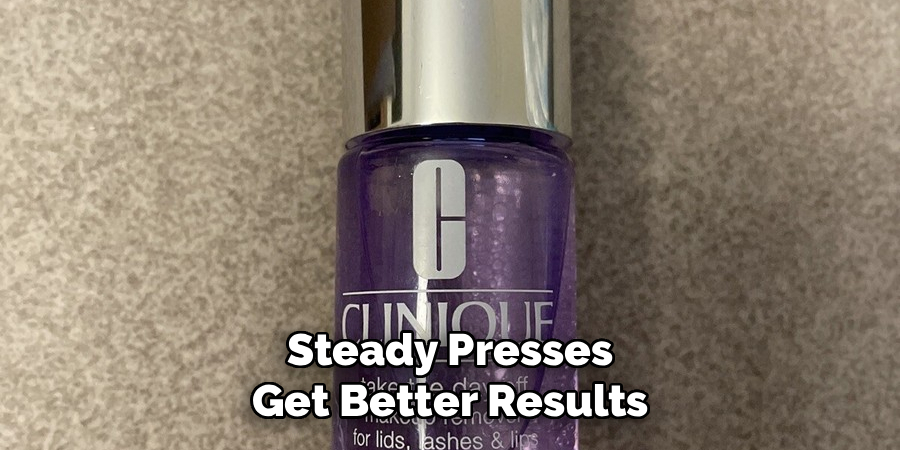
Aggressively pumping a new bottle. Pressing a brand-new pump hard and fast before it’s primed tends to push air unevenly through the tube, which can cause the product to splatter on first use. Slow, steady presses get better results.
After Opening: Proper Usage and Storage Tips
Getting the bottle open is one thing. How you handle it afterward affects how long the product stays effective.
Store the bottle upright, away from direct sunlight, in a cool, dry spot. Bathroom humidity can degrade skincare formulas over time—a cabinet or drawer offers better protection than leaving them on the counter.
Replace the cap fully after every use. For flip-cap bottles, make sure the lid clicks shut rather than just resting on top. Leaving the bottle open exposes the formula to air and moisture, which can alter its texture and reduce its effectiveness over time.
Check the PAO symbol on the packaging—the small jar icon marked with something like “12M” or “24M.” This indicates how many months the product remains effective after opening. Using a makeup remover past its PAO may result in reduced performance or, in some cases, skin irritation. If the color, scent, or consistency changes noticeably, it’s worth replacing.
Frequently Asked Questions
Q1: Why Is My Clinique Makeup Remover Pump Not Working?
Air trapped in the tube during first use is almost always the cause. Press the pump several times in slow, steady motions to prime it. If it still doesn’t dispense, remove the pump head and check that the plastic tube inside is fully seated in the bottle. Reattach and try again. If the mechanism appears physically faulty, Clinique’s customer service team can advise on a replacement.
Q2: How Do I Open a Clinique Bottle That Feels Stuck?
Check for a factory seal first—thin plastic bands around the neck can be nearly invisible. If no seal is present and the cap is genuinely tight, run it briefly under warm water, which may help loosen the material slightly. A rubber grip pad or folded cloth can provide extra traction when turning. Avoid sharp tools; they risk scratching the dispenser or damaging the cap thread.
Q3: Is It Safe to Use a Clinique Makeup Remover That Has Been Open For Over a Year?
It depends on the PAO. Most Clinique makeup removers carry a 12M or 24M rating, meaning the formula is considered stable for 12 or 24 months after opening. Beyond that point, the preservatives may no longer perform as intended, which could allow bacterial growth. The product may also lose its ability to break down makeup effectively. When in doubt, replacing it is the safer choice.
Q4: How Can I Tell If My Makeup Remover Has Expired?
One way to tell if your makeup remover has expired is by checking the PAO (Period After Opening) symbol on the packaging. This symbol looks like an open jar with a number and “M” next to it. The number indicates how many months the product is considered stable after opening.
Another way to determine if your makeup remover has expired is by monitoring its consistency, color, and smell. If you notice any changes such as thickening or discoloration, or a foul odor, it may be time to get rid of it.
The Right Technique Makes All the Difference
Opening a Clinique makeup remover bottle comes down to knowing what type you have and following the right sequence. Identify the bottle, check for seals, use steady and controlled pressure—and you’ll have it open in under a minute without any wasted product or damaged packaging.
After that, a bit of care goes a long way. Store it properly, cap it after every use, and keep track of when you opened it. Small habits like these help the formula stay effective for as long as possible. Thanks for reading this guide on how to open clinique makeup remover bottle.

About the Author
Jane Hubbard is a passionate beauty expert with a wealth of experience in makeup, hair, and overall beauty techniques. After years of working as a hairdresser specialist, she followed her entrepreneurial spirit and started her own consultancy business.
Jane has always been driven by her desire to help others feel confident in their own skin, and she does this by sharing her knowledge, experiences, and practical beauty tips. Through her consultancy, she empowers individuals to embrace their unique beauty, offering tailored guidance that boosts both self-esteem and personal style.
Professional Focus
Specializes in makeup, hairstyling, and beauty consulting.
Provides personalized beauty advice, tips, and techniques to help individuals feel confident in their appearance.
Dedicated to staying up-to-date with the latest industry trends and developments.
Passionate about creating a comfortable and empowering experience for every client.
Education History
University of Craft and Design – Bachelor of Fine Arts (BFA) in Woodworking and Furniture Design
Woodworking Apprenticeships – Extensive hands-on training with skilled craftsmen to refine carpentry and furniture making techniques
Online Courses & Masterclasses – Continued education in advanced woodworking techniques, design principles, and specialized tools
Expertise:
Makeup artistry, hairstyling, and beauty consulting.
Personalized beauty techniques to enhance confidence and self-expression.
Educating clients on how to maintain their beauty routines at home.