

Puffy eyelids have a way of showing up at the worst possible times—right before a big event, an important meeting, or a day when you actually want to look put-together. A rough night’s sleep, seasonal allergies, or one too many salty snacks the night before can leave you with swollen, heavy lids that make applying eye makeup feel like a losing battle.
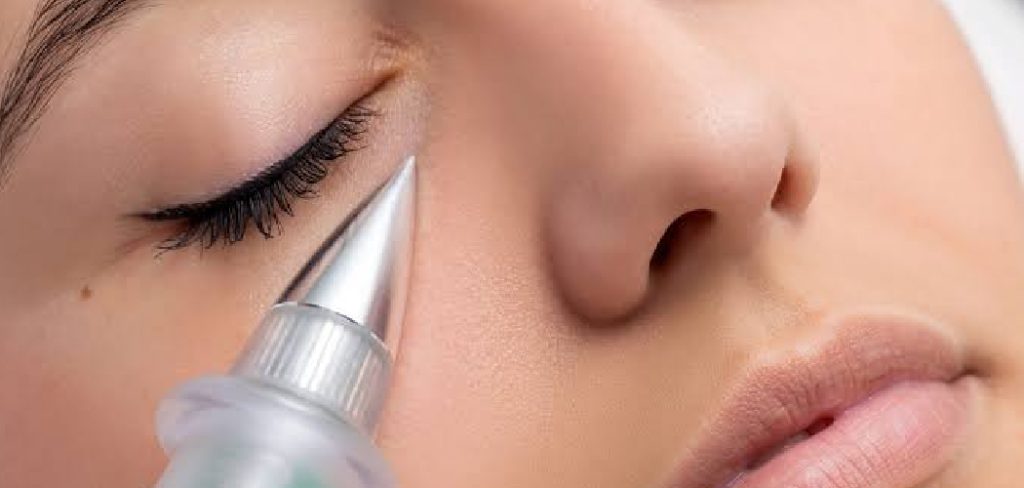
The good news? You don’t need expensive treatments or a full skincare overhaul to see a real difference. With the right approach and a few targeted techniques, you can visibly reduce puffiness in a matter of minutes—before you ever pick up a brush. In this guide on how to reduce eyelid puffiness before makeup, we’ll explore some simple and effective methods to get your eyes looking brighter and more awake in no time.
What Causes Eyelid Puffiness?
Eyelid puffiness occurs when fluid accumulates in the delicate tissue surrounding the eyes. The skin in this area is among the thinnest on the body, making it especially prone to visible swelling.
Several factors may contribute to puffiness, including:
- Poor sleep or irregular sleep schedules, which can disrupt the body’s fluid regulation
- Allergies, which trigger inflammation around the eyes
- High sodium intake causes the body to retain water
- Crying, which increases fluid around the orbital area
- Hormonal fluctuations, particularly during menstruation or pregnancy
- Genetics, since some people appear naturally predisposed to eyelid and under-eye swelling
Understanding what’s driving your puffiness can help you choose the most effective remedy—and, more usefully, prevent it from becoming a recurring issue.
Can You Reduce Eyelid Puffiness Quickly?
Yes. With the right techniques, puffiness can decrease noticeably in as little as 10 to 20 minutes. Cold temperatures, gentle massage, and hydration are the most effective tools for fast results.
That said, the degree of reduction depends on severity and underlying cause. Mild swelling from sleep deprivation or excess sodium tends to respond quickly. Allergy-related puffiness, on the other hand, may require antihistamines for more lasting relief—topical treatments alone often won’t be enough.
Gather Your Supplies
Before diving into the specific techniques for reducing puffiness, it’s important to gather all the necessary supplies. Here are some items that can help you achieve the best results:
- A clean washcloth or towel
- Cold water or ice cubes
- A facial roller or jade roller (optional)
- Caffeinated eye cream or serum (optional)
- An antihistamine (if allergies are the cause of your puffiness)
7 Simple Step-By-Step Guidelines on How to Reduce Eyelid Puffiness Before Makeup
Step 1: Start With Cold Water
The very first thing to do when you wake up with puffy eyes is splash your face with cold water. Cold temperatures cause blood vessels to constrict, which may reduce swelling fairly quickly.
Lean over your sink and splash cold water directly onto your closed eyelids for 30 to 60 seconds. Repeat two to three times. If your tap water isn’t cold enough, add a few ice cubes to a bowl and briefly dip your face for a more intense result. This single step alone can make a noticeable difference before you’ve done anything else.
Step 2: Apply a Cold Compress
After the initial cold water rinse, apply a cold compress directly to your eyelids. Place two metal spoons in the freezer for five minutes, or use an ice pack wrapped in a thin cloth.
Gently press the cold spoons or wrapped ice pack against each eyelid for about one to two minutes per eye. The sustained cold helps drain excess fluid from the surrounding tissue. Avoid applying ice directly to the skin—the capillaries around the eye are fragile, and direct contact can cause irritation or visible damage.
Step 3: Use Chilled Eye Patches or Cucumber Slices
Once the initial cold treatment is complete, chilled eye patches or fresh cucumber slices can take things further. Store your eye patches in the refrigerator overnight so they’re ready to use first thing in the morning.

Place them over your closed eyelids and leave them on for 10 to 15 minutes. Cucumber contains antioxidants and flavonoids that may help reduce irritation, while the cool temperature continues working against the swelling. Use this window to drink a glass of water or sit upright—both support faster depuffing.
Step 4: Perform a Gentle Lymphatic Drainage Massage
Lymphatic drainage massage is one of the more underrated tools for reducing facial puffiness. It encourages stagnant fluid to move away from the eye area and toward the lymph nodes, where the body can process it.
Using your ring fingers—which naturally apply the least pressure—start at the inner corner of your eye and sweep gently outward along your brow bone and under your eye. Continue toward your temples, then downward along the side of your face toward your jawline. Repeat five to ten times per side. A jade roller or gua sha tool can be used for the same purpose. The keyword here is gently. Too much pressure in this area can cause more harm than good.
Step 5: Apply a Caffeine-Infused Eye Cream
Caffeine is one of the most clinically supported ingredients for reducing eyelid and under-eye puffiness. It works by constricting blood vessels and drawing excess fluid from the tissue. Many dermatologists suggest products containing caffeine, peptides, or hyaluronic acid for fast depuffing results.
Take a small amount of eye cream on your ring finger and lightly tap it along the orbital bone—never dragging or rubbing. Start from the inner corner and move outward. Allow the product to absorb for at least five minutes before moving on. Tapping, not rubbing, is the critical distinction here; friction can actively worsen puffiness rather than reduce it.
Step 6: Stay Upright and Hydrate
Gravity plays a meaningful role in puffiness reduction. Lying flat allows fluid to pool around the eyes, which is why swelling is often most pronounced first thing in the morning. Once you’re awake, staying upright encourages fluid to drain naturally away from the eye area.
Drink at least one to two glasses of water as soon as possible. It sounds counterintuitive, but dehydration can actually cause the body to retain water—including around the eyes. Hydrating signals to your body that it’s safe to release stored fluids. If puffiness is a recurring concern, it’s worth limiting caffeine and alcohol in the morning, as both contribute to dehydration over time.
Step 7: Prime the Eye Area Before Makeup
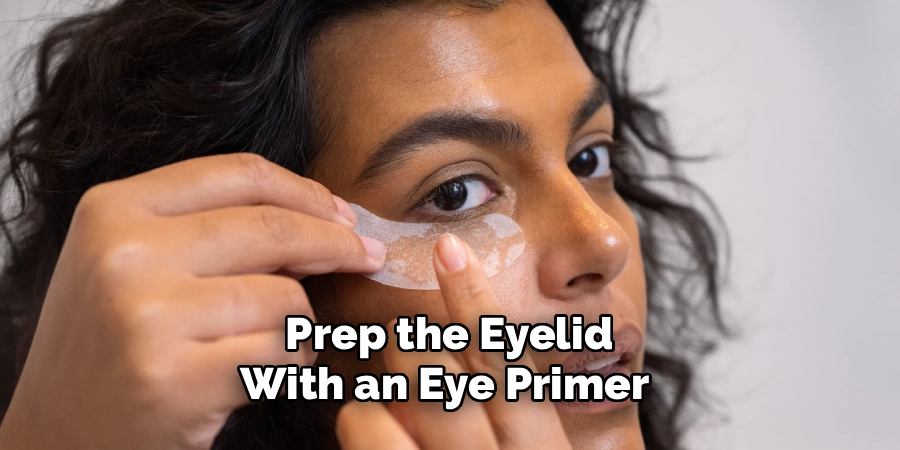
Before applying any makeup, prep the eyelid with an eye primer or a thin layer of concealer formulated for sensitive skin. Priming creates a smooth, even base that helps makeup adhere better and reduces the appearance of any residual puffiness.
Choose a matte or satin-finish primer rather than a luminous one—shimmer on swollen lids tends to highlight rather than disguise the problem. Apply with your ring finger using light, pressing motions across the entire lid. Let it set for about 60 seconds before applying eyeshadow or liner. A well-primed eye looks more defined and, importantly, more awake.
Following these steps on how to reduce eyelid puffiness before makeup can make a significant difference in the overall appearance of your eyes.
Common Mistakes To Avoid
Avoiding common errors matters just as much as following the right steps. Rubbing your eyes—even gently—can worsen puffiness by stimulating blood flow to the area. Applying heavy cream too close to the lash line, using hot water instead of cold, and skipping hydration altogether are mistakes that can undo everything else.
Always work with light, tapping motions around the eyes, and try to avoid sleeping face-down, as this position appears to promote fluid accumulation overnight.
How Long Should You Wait Before Applying Makeup?
Ideally, allow at least 15 to 20 minutes after completing your depuffing routine before starting your eye makeup. This gives creams, serums, and patches time to fully absorb, leaving a stable surface for your products to adhere to.
Applying makeup too soon—especially over freshly applied eye cream—can cause products to slip, crease, or look patchy throughout the day. Short on time? A light dusting of translucent powder over the eye area can help lock in skincare and create a matte base, even if the full absorption window wasn’t possible.
When Eyelid Puffiness May Require Medical Attention?
Most eyelid puffiness is harmless and resolves on its own. Certain signs, however, warrant a visit to a healthcare professional. Puffiness accompanied by pain, redness, or discharge may indicate an infection such as conjunctivitis or a stye.
Persistent swelling that doesn’t respond to home remedies, swelling in only one eye, vision changes, or puffiness alongside a rash or difficulty breathing could point to a more serious allergic reaction or underlying condition. Thyroid disorders, kidney issues, and certain medications can also cause chronic facial swelling. When in doubt, consult a doctor before attempting to address the symptom with skincare alone.
Frequently Asked Questions
What Is The Fastest Way To Reduce Puffy Eyelids At Home?
The fastest method is applying a cold compress or chilled spoons directly to the eyelids for two to three minutes. Cold temperatures constrict blood vessels and may reduce fluid retention almost immediately. Following with a gentle tapping massage and a caffeine-based eye cream can provide even more noticeable results within 10 to 15 minutes. Staying upright and drinking water simultaneously supports faster depuffing.
Can Sleeping Position Affect Eyelid Puffiness In The Morning?
Yes, sleeping position has a direct impact on morning puffiness. Sleeping face-down or lying flat without any head elevation allows fluid to pool around the eyes overnight. Raising your head slightly with an extra pillow encourages proper drainage and can reduce the amount of puffiness you wake up with. Side sleepers may also notice more swelling on whichever side they sleep on.
Are There Makeup Techniques That Help Hide Residual Puffiness?
A matte eyeshadow in a neutral or slightly deeper shade applied to the crease of the eyelid can create the illusion of definition and reduce the visible appearance of swelling. Avoid shimmer or highlighting shades on the lid itself, as these draw attention to puffiness rather than downplaying it. A thin line of dark eyeliner along the upper lash line also helps define the eye and shift focus away from swollen lids.
A Final Word
Puffy eyelids don’t have to derail your morning routine. Cold treatments, hydration, the right products, and a little patience before reaching for your makeup brushes can make a significant difference—often within 15 minutes.
Consistency matters too. Building some of these habits into your nightly routine—limiting sodium, elevating your head, getting to bed at a reasonable hour—means there’s less puffiness to fight each morning. Start with what fits your schedule and build from there. Thanks for reading this guide on how to reduce eyelid puffiness before makeup.

About the Author
Jane Hubbard is a passionate beauty expert with a wealth of experience in makeup, hair, and overall beauty techniques. After years of working as a hairdresser specialist, she followed her entrepreneurial spirit and started her own consultancy business.
Jane has always been driven by her desire to help others feel confident in their own skin, and she does this by sharing her knowledge, experiences, and practical beauty tips. Through her consultancy, she empowers individuals to embrace their unique beauty, offering tailored guidance that boosts both self-esteem and personal style.
Professional Focus
Specializes in makeup, hairstyling, and beauty consulting.
Provides personalized beauty advice, tips, and techniques to help individuals feel confident in their appearance.
Dedicated to staying up-to-date with the latest industry trends and developments.
Passionate about creating a comfortable and empowering experience for every client.
Education History
University of Craft and Design – Bachelor of Fine Arts (BFA) in Woodworking and Furniture Design
Woodworking Apprenticeships – Extensive hands-on training with skilled craftsmen to refine carpentry and furniture making techniques
Online Courses & Masterclasses – Continued education in advanced woodworking techniques, design principles, and specialized tools
Expertise:
Makeup artistry, hairstyling, and beauty consulting.
Personalized beauty techniques to enhance confidence and self-expression.
Educating clients on how to maintain their beauty routines at home.