

To apply hair spray effectively, hold the can 10 to 12 inches away from completely dry, pre-styled hair. Mist the product using light, sweeping motions rather than concentrating it in one spot. Building coverage in thin layers prevents sticky buildup, maintaining natural movement while securing your hairstyle all day.
Hair spray remains a deeply misunderstood styling tool within the beauty industry. For decades, consumers have associated aerosol finishing mists with rigid, helmet-like updos from past eras. This historical baggage often causes people to avoid using setting sprays entirely. They fear their hair will feel stiff or weighed down by chemical residue.
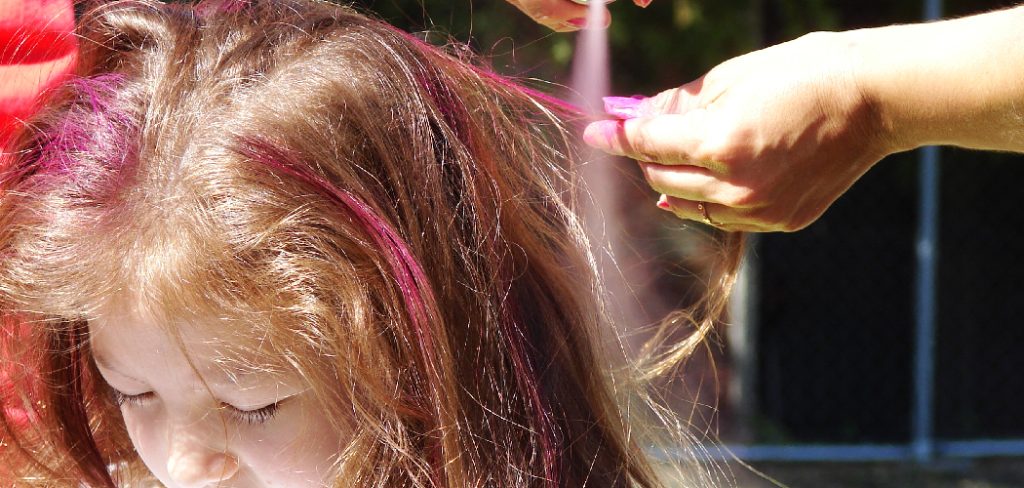
Yet, modern cosmetic chemistry may suggest a completely different reality. Contemporary formulas contain lighter polymers that evaporate quickly. When applied correctly, these products leave behind an invisible scaffolding that supports your hair’s structure. Understanding the mechanics of aerosol application could dramatically alter how you approach your morning routine.
Applying hair spray well requires a specific physical technique. Anyone can master this method with a little patience. Learning the nuances of distance, motion, and layering might just be the secret to keeping your hairstyle intact from morning until night. In this guide on how to apply hair spray, we will discuss the dos and don’ts of hair spray application to help you achieve a flawless look.
Understanding the Different Types of Hair Spray
Before we dive into the application process, it’s important to understand the different types of hair spray available on the market. Each type serves a specific purpose and knowing which one is best for your hair can make all the difference in achieving your desired look.
Working/Finishing Hair Spray
This type of hair spray is typically used during styling and provides a flexible hold that allows you to manipulate your hair while still maintaining its shape. It’s perfect for creating textured looks or adding volume without weighing down your hair.
Strong Hold Hair Spray
As the name suggests, this type of hair spray offers a strong hold that locks your hairstyle in place. It’s ideal for more elaborate styles or events where you need your hair to stay in place for an extended period of time.
Thermal Protectant Hair Spray
If you frequently use heat styling tools, a thermal protectant hair spray is essential. It provides protection against the high temperatures and helps prevent damage to your hair. Look for formulas that contain ingredients like argan oil or keratin for added nourishment.
Volumizing Hair Spray
For those with fine or thin hair, volumizing hair spray can be a game-changer. This type of spray contains specialized ingredients that coat the strands and create lift at the roots, making your hair appear fuller and thicker.
Choosing the Right Hair Spray for Your Specific Hair Type
Not all aerosol formulas function the same way. Picking the right product usually starts with a realistic assessment of your hair’s natural texture. Fine hair tends to collapse under heavy resins. Choosing a lightweight, flexible-hold spray appears to indicate better results, adding subtle volume without unnecessary weight. Thick strands, conversely, might require a firm-hold formula. This stronger grip manages flyaways effectively.
Curly patterns usually benefit from sprays that prioritize moisture and movement. Look for labels featuring terms like flexible or touchable. Straight hair that struggles to hold a curl often needs a firm-hold spray to maintain definition. Humidity-resistant options could be highly beneficial if you live in a damp climate. These specific formulas contain hydrophobic ingredients that block environmental moisture. Matching the chemical hold level to your physical styling goals makes a noticeable difference.
7 Step-By-Step Guidelines on How to Apply Hair Spray
Mastering aerosol application depends heavily on muscle memory. Following a systematic approach helps you achieve a salon-quality finish at home.
Step 1: Starting With Dry, Styled Hair
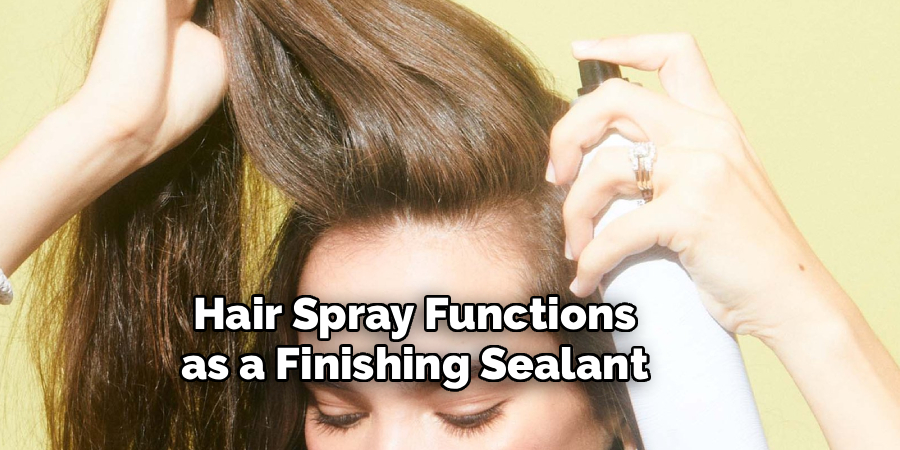
Hair spray functions as a finishing sealant. You should ensure your hair is completely dry before pressing the nozzle. Applying aerosols to damp strands often causes the polymers to clump unevenly. This reaction leaves some sections feeling sticky while others remain entirely loose. Finish your heat-styling routine completely before reaching for the can.
Step 2: Correct Distance for Holding the Spray Can
Spatial awareness matters immensely during application. Holding the nozzle too close to your scalp concentrates the liquid resins in a single area. This proximity creates visible, crusty patches. Cosmetologists generally recommend maintaining a distance of about 10 to 12 inches from your head. This specific gap allows the liquid to atomize into a microscopic mist. Your arm should remain steady to maintain that exact distance.
Step 3: Applying Hair Spray in Light Layers
Building up coverage gradually remains the best defense against stiffness. Spray a minimal amount over the hair surface. Let it set for a few seconds. Assess the structural integrity before deciding if you need more product. This cautious layering technique prevents product overload. Adding more spray is always possible, but removing dried resin usually requires a full wash.
Step 4: Targeting Specific Areas When Applying Hair Spray
Different structural zones of your hairstyle require varying degrees of support. You might want to direct the mist toward areas that need extra structural integrity, such as the root base for volume. Lifting individual sections and misting underneath often boosts the body near the crown. Limit how much product you apply around the delicate front sections near your face. Heavy application here tends to look unnatural.
Step 5: Best Spraying Motion for Hair Spray Results
The physical movement of your hand directly impacts product distribution. Sweeping motions work infinitely better than holding the can stationary. Move your wrist side to side or in a gentle, continuous arc. This fluid motion prevents the polymers from building up excessively on a single hair cuticle. Practicing this sweeping gesture helps eliminate those dreaded wet spots.
Step 6: Why You Must Let Hair Spray Set Before Touching
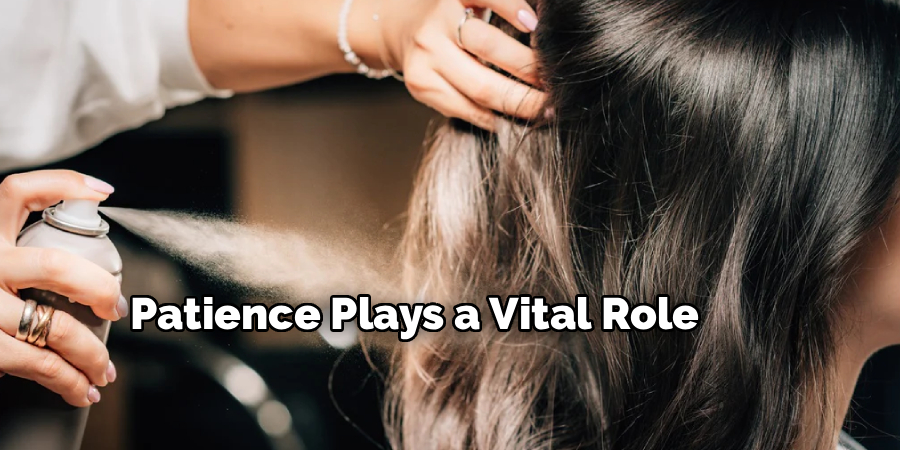
Patience plays a subtle but vital role in styling. The alcohol carrier in the spray needs a few moments to evaporate completely. Touching your hair too soon disrupts the polymer bonds as they attempt to dry. Wait approximately 20 to 30 seconds after your last spray. Any physical adjustments made before this curing phase will likely transfer sticky residue onto your fingers.
Step 7: Sealing Your Hairstyle with a Light Final Mist
A final, atmospheric application ties the whole look together. Hold the can at full arm’s length. Disperse a highly diffuse mist over the entire silhouette. This top coat acts as a unified barrier against humidity. Keep this passing motion incredibly brief. The intention is a microscopic veil of protection, rather than a dense layer of glue.
Following these steps on how to apply hair spray properly will ensure that your hairstyle stays in place all day without feeling heavy or stiff.
What Are the Most Common Hair Spray Mistakes to Avoid?
Even experienced stylists sometimes struggle with proper aerosol techniques. Spraying an excessive volume of product remains the most frequent error. This overzealous application creates an unnatural, brittle texture. Failing to maintain the 12-inch distance rule also causes significant issues with clumping.
Applying setting sprays to partially wet hair represents another major misstep. Finally, manipulating the hair before the resins have fully cured will instantly degrade the product’s holding capacity.
How Do You Make Hair Spray Last Longer Throughout the Day?
Prolonging your style’s lifespan depends largely on foundational preparation. Clean roots anchor a style much better than oily ones. Incorporating a texturizing foam before blow-drying establishes a grippy base that helps setting sprays adhere more effectively. Choose humidity-blocking formulas if the local weather forecast predicts rain.
Refrain from absentmindedly running your hands through your hair during meetings. Physical friction rapidly breaks down the chemical hold.
What Are the Best Practices for Hair Spray Removal and Hair Care?
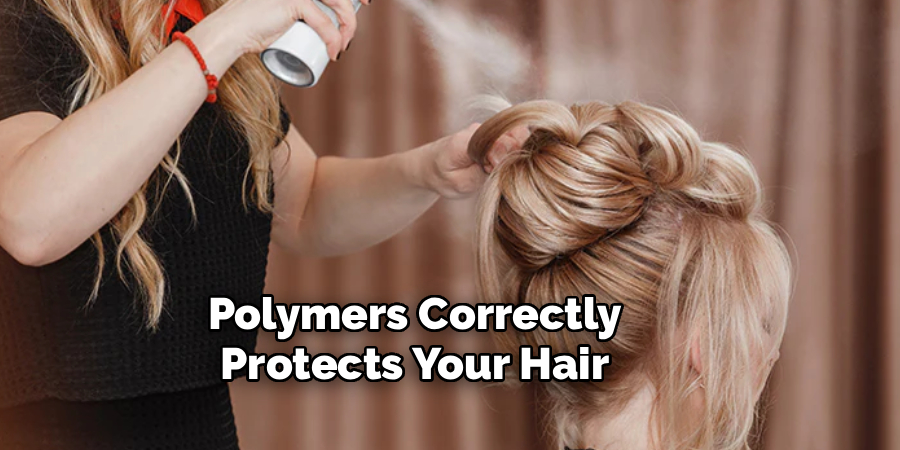
Breaking down styling polymers correctly protects your hair shaft from mechanical damage. Gently brushing your lengths before showering helps loosen dried resins. Incorporating a clarifying shampoo into your routine once a week may strip away persistent chemical buildup. Following up with a hydrating conditioner is absolutely essential.
Aerosol alcohols can slowly dehydrate the cuticle over time. Sleeping with heavy styling products left in the hair might increase friction against your pillowcase, potentially leading to breakage.
Frequently Asked Questions
Can You Apply Hair Spray to Wet Hair?
Applying hair spray to wet hair is generally not recommended. The water interferes with the spray’s drying process, causing the polymers to clump and flake. If you need structural support on damp hair, styling mousse or liquid gel provides much better results. Save the aerosol spray strictly for the final, dry finish.
How Often Can You Use Hair Spray?
You can safely use hair spray every day, provided you maintain a diligent cleansing routine. Failing to wash out daily applications will eventually cause the hair to appear dull. Using a clarifying wash weekly helps mitigate this risk. Selecting a lightweight formula for daily wear also minimizes the cumulative buildup of resins.
Does Hair Spray Damage Your Hair?
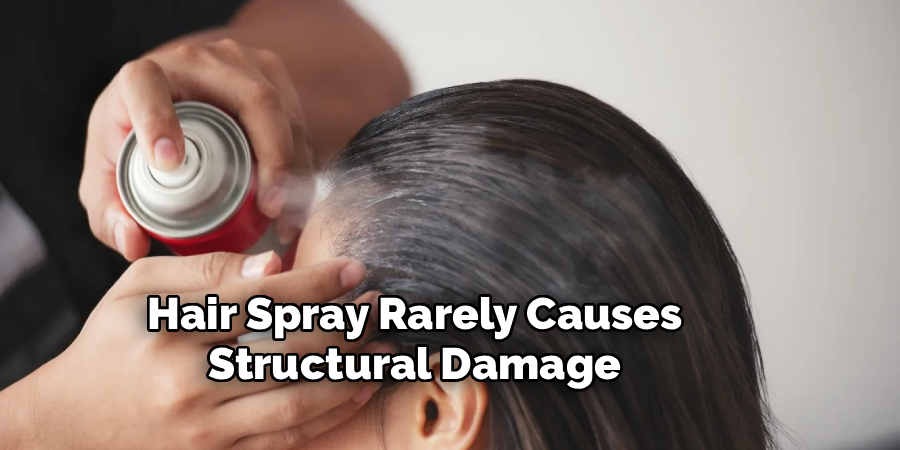
Hair spray rarely causes structural damage when applied and removed correctly. The high alcohol content found in many formulas can cause topical dryness with prolonged, heavy use. Opting for moisturizing formulas could help offset this dehydration. Consistent conditioning and occasional deep-hydration treatments keep the hair cuticle intact and healthy.
Rethinking Your Approach to Finishing Sprays
Modern aerosol styling does not have to result in compromised hair texture. Matching the specific chemical formula to your strand thickness sets the foundation for success. Maintaining a strict 12-inch distance during application ensures the product atomizes properly. Layering the mist gradually prevents the dreaded crunchy finish.
Taking the time to wash out these products thoroughly protects your hair’s long-term vitality. Applying these careful, methodical techniques could easily elevate your daily grooming habits. Adjusting your distance and motion might be the only changes you need to achieve reliable, lasting results. Thanks for reading this guide on how to apply hair spray.

About the Author
Jane Hubbard is a passionate beauty expert with a wealth of experience in makeup, hair, and overall beauty techniques. After years of working as a hairdresser specialist, she followed her entrepreneurial spirit and started her own consultancy business.
Jane has always been driven by her desire to help others feel confident in their own skin, and she does this by sharing her knowledge, experiences, and practical beauty tips. Through her consultancy, she empowers individuals to embrace their unique beauty, offering tailored guidance that boosts both self-esteem and personal style.
Professional Focus
Specializes in makeup, hairstyling, and beauty consulting.
Provides personalized beauty advice, tips, and techniques to help individuals feel confident in their appearance.
Dedicated to staying up-to-date with the latest industry trends and developments.
Passionate about creating a comfortable and empowering experience for every client.
Education History
University of Craft and Design – Bachelor of Fine Arts (BFA) in Woodworking and Furniture Design
Woodworking Apprenticeships – Extensive hands-on training with skilled craftsmen to refine carpentry and furniture making techniques
Online Courses & Masterclasses – Continued education in advanced woodworking techniques, design principles, and specialized tools
Expertise:
Makeup artistry, hairstyling, and beauty consulting.
Personalized beauty techniques to enhance confidence and self-expression.
Educating clients on how to maintain their beauty routines at home.