

Water-based nail polish has become a favorite for people who want gentle, low-odor color without harsh chemicals. It looks beautiful, wears well, and feels kinder to your nails. Yet many first-time users get stuck at one simple point, and that is figuring out how to remove water based nail polish without damaging their nails or wasting time. The good news is that taking it off is easier than you might expect, and you rarely need aggressive acetone removers to do the job.
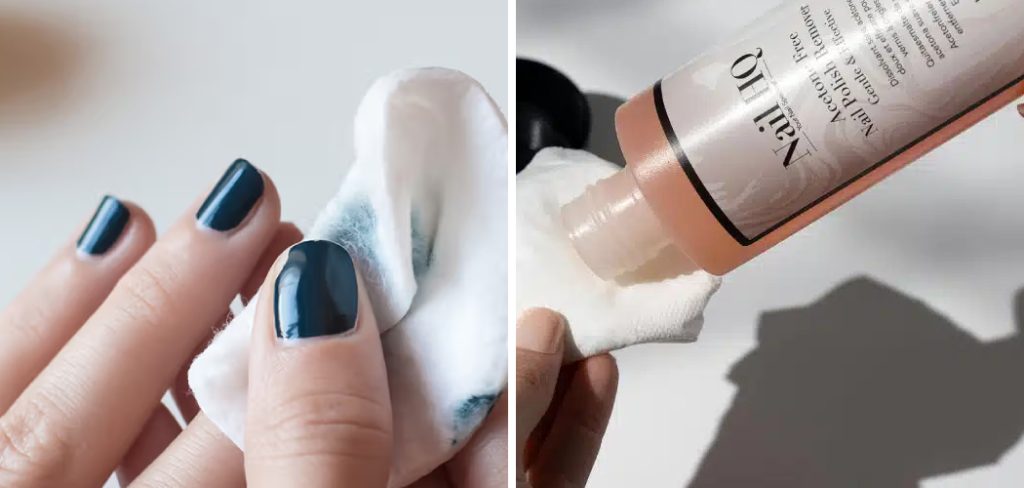
In this friendly, beginner-friendly guide, we will walk you through everything step by step. You will learn what tools help, which mistakes to avoid, and how to keep your nails healthy throughout the process. Whether you are new to this eco-conscious polish or simply want cleaner results, you are in the right place. By the end, you will feel confident, capable, and ready to switch colors whenever the mood strikes. Let us make this simple, safe, and stress-free together.
Why Water-Based Nail Polish Removal Matters
Knowing the right removal method protects both your nails and your health. Water-based formulas are peelable or soakable, so using the wrong technique can cause unnecessary flaking, ragged edges, or wasted product. When you remove polish properly, your nail beds stay smooth, strong, and ready for the next coat.
There is also a comfort factor here. Because these polishes skip the harsh solvents found in traditional options, gentle removal keeps that clean, low-odor experience intact. You avoid drying out your cuticles and reduce the risk of irritation. Beyond that, correct removal saves money since your nails recover faster and your tools last longer. Simply put, mastering this small skill leads to healthier nails, better color payoff, and a far more enjoyable manicure routine every single time.
Step-by-Step Guide to How To Remove Water Based Nail Polish
Step 1: Gather Your Supplies
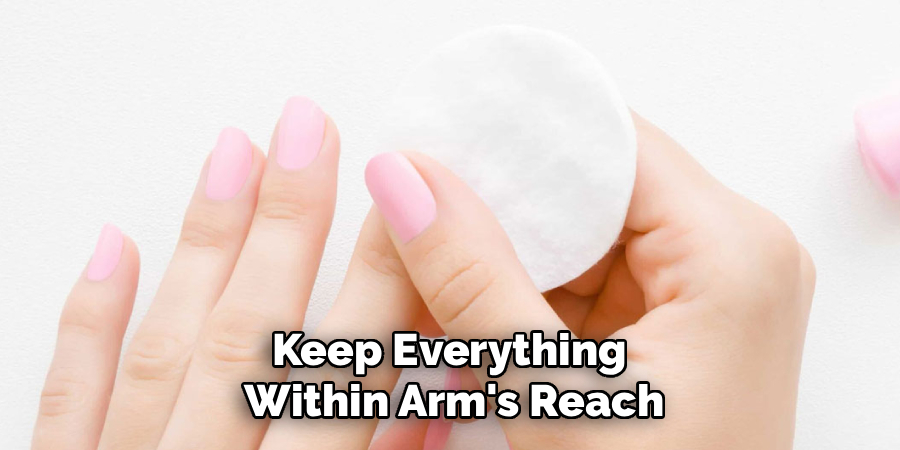
Before you begin, set up a small, tidy workspace so nothing interrupts your flow. Grab warm water, a soft towel, a bowl, and either a gentle remover made for peelable polish or a mild soap. Having cotton pads and a wooden cuticle stick nearby also helps. Learning how to remove water based nail polish starts with preparation, because the right tools make the entire process smoother and faster. Keep everything within arm’s reach so you can work comfortably without stopping halfway. This simple setup prevents mess, reduces frustration, and gives you the confidence that comes from being fully ready before your first move.
Step 2: Test the Peel
Many water-based polishes peel off cleanly once they loosen, so start by checking one nail. Gently lift the edge of the polish near your cuticle using your fingernail or a wooden stick. If it begins to lift in one smooth piece, you are in luck. Peel slowly and steadily toward the tip, following the natural curve of your nail. Avoid yanking, since rushing can pull at the top layer of the nail plate. If the polish resists or cracks into tiny flakes, stop right away. That simply means you need a soak first, which we cover in the next helpful step.
Step 3: Soak in Warm Water
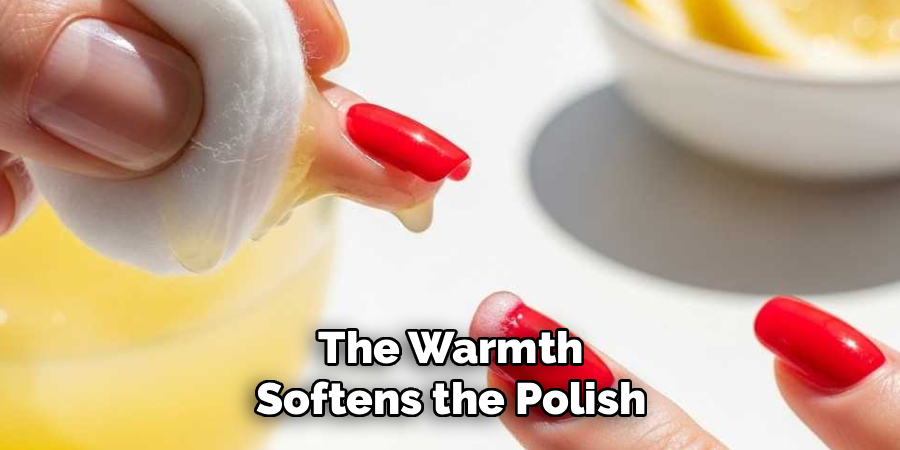
When peeling does not work smoothly, warm water becomes your best friend. Fill a small bowl with comfortably warm, not hot, water and add a drop of gentle soap if you like. Submerge your fingertips and let them rest for around three to five minutes. The warmth softens the polish and loosens its grip on your nails. Relax during this pause and let the water do the heavy lifting for you. You will often notice the color starting to lift on its own around the edges. This gentle approach protects your nails while making the following removal steps considerably easier and quicker.
Step 4: Wipe Away the Softened Polish
After soaking, lift one hand and pat it lightly with a towel so the nails stay slightly damp. Take a cotton pad and press it firmly over each nail, then wipe toward the tip using steady, even pressure. The softened polish should glide away with little effort. For any stubborn spots, wet the cotton pad again and repeat the motion until the surface looks clean. Understanding how to remove water based nail polish this way keeps the process gentle and eco-friendly. Work one finger at a time so you stay organized and avoid smearing color across nails you have already cleaned.
Step 5: Use a Gentle Remover if Needed
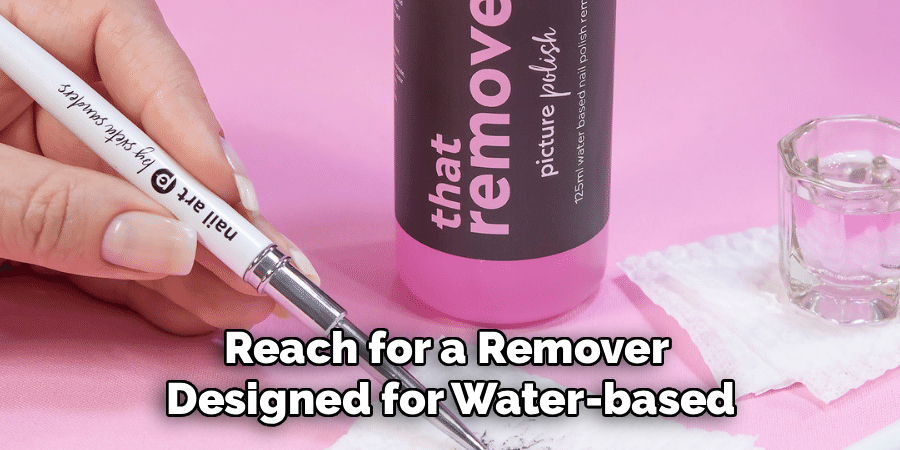
Sometimes a small amount of stubborn color clings near the cuticle or sidewalls. If that happens, reach for a remover designed for water-based or peelable polish rather than a harsh acetone product. Dampen a cotton pad, hold it against the nail for a few seconds, and then wipe gently. This brief pause lets the formula break down the remaining pigment without stripping moisture from your skin. Repeat only where necessary, and resist the urge to scrub hard. A calm, patient touch works far better and keeps your nail surface healthy, smooth, and ready for whatever color you choose to apply next.
Step 6: Clean Around the Edges
Now focus on the small details that make your nails look truly polished, even when bare. Use a wooden cuticle stick, wrapped in a thin bit of cotton if you prefer, to gently trace around the base and sides of each nail. This lifts away any tiny bits of leftover color hiding in the corners. Work slowly and avoid pressing into the delicate skin. A little precision here creates a clean, professional finish that feels satisfying. Once every nail looks clear and even, rinse your hands with cool water to remove loosened debris and refresh your fingertips before the final caring step.
Step 7: Moisturize and Care for Nails
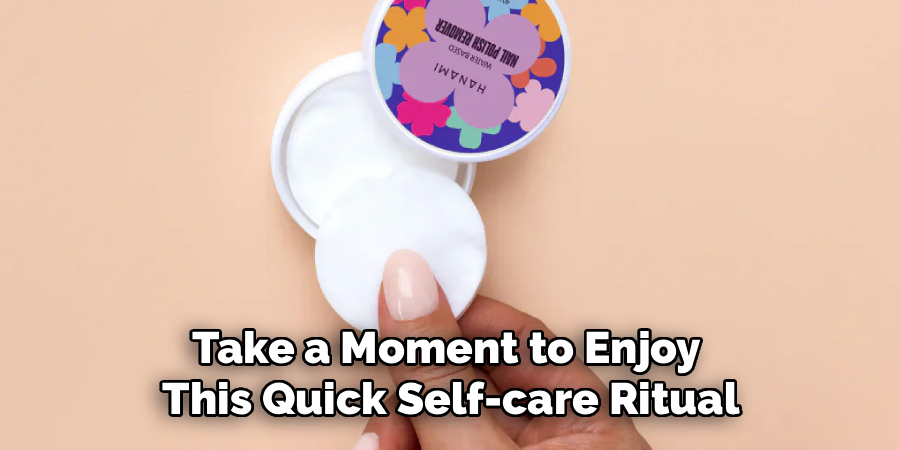
The last step is all about restoring softness and shine. Pat your hands dry, then massage a nourishing cuticle oil or hand cream into each nail and the surrounding skin. This replenishes moisture, strengthens the nail plate, and leaves your hands feeling comfortable. Take a moment to enjoy this quick self-care ritual, because healthy nails start with consistent hydration. If you plan to apply fresh polish right away, wait until any oil fully absorbs, then wipe the nail surface clean. Following this routine keeps your nails resilient, glowing, and ready for your next colorful look whenever inspiration arrives.
Frequently Asked Questions
Can I Remove Water-Based Polish Without Any Remover?
Yes, in most cases you can. Many water-based formulas are designed to peel off cleanly or lift after a short warm-water soak. Start by gently peeling from the cuticle edge, and if the color resists, soak your fingertips for a few minutes. This softens the polish so it wipes away easily with a cotton pad, no special remover required at all.
Will This Method Damage My Nails?
Not when done gently. The whole point of water-based polish is to be kinder to your nails, and proper removal keeps it that way. Avoid forceful peeling, harsh scrubbing, or strong acetone products. Instead, rely on warm water, patience, and light pressure. Finishing with cuticle oil restores moisture. When you follow these gentle steps, your nails stay smooth, strong, and comfortably healthy after every removal.
How Long Does the Removal Process Take?
For most people, the entire process takes around ten to fifteen minutes. Peeling alone can be nearly instant, while soaking adds a few relaxing minutes. Cleaning the edges and moisturizing rounds out the routine. If you have several layers or glitter polish, allow a little extra time. Working one hand at a time keeps things organized and helps you avoid rushing through any part of it.
What if Some Color Stays Behind?
Leftover color usually hides near the cuticle or along the nail sides. If a bit lingers, dampen a cotton pad with a gentle, water-based remover and press it against the spot for a few seconds before wiping. A wooden cuticle stick wrapped in cotton also reaches tight corners nicely. Repeat only where needed, and stay gentle so you protect the delicate skin surrounding each nail.
Is Warm Water Really Necessary Every Time?
Not always. If your polish peels away smoothly in one piece, you can skip the soak entirely. Warm water simply helps when the color clings or breaks into small flakes during peeling. Think of it as a helpful backup rather than a mandatory step. Learning how to remove water based nail polish means adapting to what each manicure needs, which keeps the routine flexible and stress-free.
Conclusion
Removing water-based polish does not have to feel confusing or complicated. With a little preparation, some warm water, and a gentle touch, you can lift away color quickly while keeping your nails healthy and strong. We covered everything from testing the peel and soaking your fingertips to cleaning the edges and finishing with nourishing oil. Each step builds on the last, creating a simple routine you can repeat with confidence every time you change your look.
Now that you know how to remove water based nail polish the safe and easy way, you are ready to experiment with new colors whenever you like. Remember to stay patient, work one nail at a time, and always moisturize afterward. Your nails will thank you with a smooth, glowing finish. So gather your supplies, give these friendly steps a try, and enjoy the freedom of gentle, eco-conscious nail care that truly works.

About the Author
Jane Hubbard is a passionate beauty expert with a wealth of experience in makeup, hair, and overall beauty techniques. After years of working as a hairdresser specialist, she followed her entrepreneurial spirit and started her own consultancy business.
Jane has always been driven by her desire to help others feel confident in their own skin, and she does this by sharing her knowledge, experiences, and practical beauty tips. Through her consultancy, she empowers individuals to embrace their unique beauty, offering tailored guidance that boosts both self-esteem and personal style.
Professional Focus
Specializes in makeup, hairstyling, and beauty consulting.
Provides personalized beauty advice, tips, and techniques to help individuals feel confident in their appearance.
Dedicated to staying up-to-date with the latest industry trends and developments.
Passionate about creating a comfortable and empowering experience for every client.
Education History
University of Craft and Design – Bachelor of Fine Arts (BFA) in Woodworking and Furniture Design
Woodworking Apprenticeships – Extensive hands-on training with skilled craftsmen to refine carpentry and furniture making techniques
Online Courses & Masterclasses – Continued education in advanced woodworking techniques, design principles, and specialized tools
Expertise:
Makeup artistry, hairstyling, and beauty consulting.
Personalized beauty techniques to enhance confidence and self-expression.
Educating clients on how to maintain their beauty routines at home.