

Standing in front of a wall of colorful bottles can feel overwhelming, especially when every shade seems perfect and every formula promises something different. If you have ever grabbed a pretty color only to find it chips within a day or clashes with your skin tone, you already know the struggle. Learning how to choose nail polish is a simple skill that saves you money, time, and disappointment.
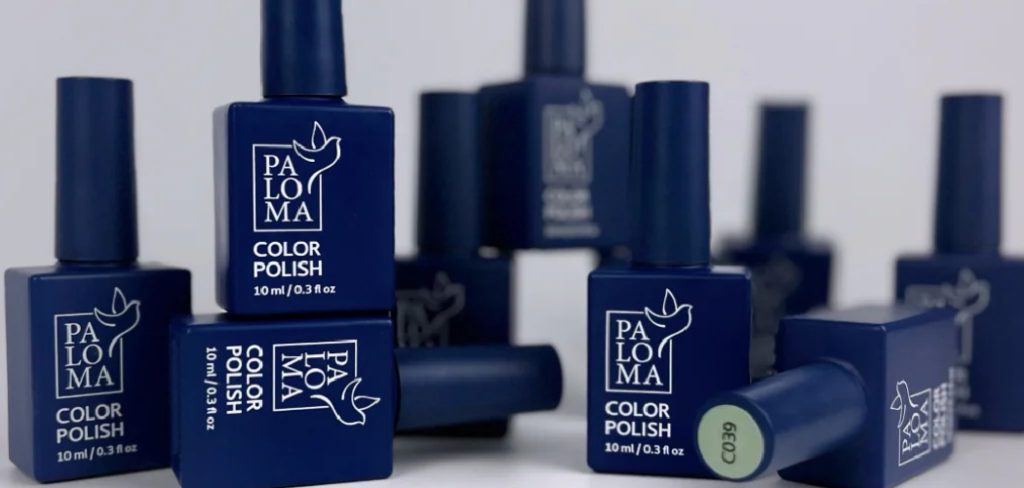
This friendly guide breaks the whole process down into clear, beginner-friendly steps that anyone can follow. You will discover how to match colors to your skin tone, pick the right finish, read ingredient labels, and find formulas that actually last. Whether you paint your nails weekly or just for special occasions, the right choice makes a noticeable difference in how your manicure looks and feels.
By the end, you will feel confident picking shades and formulas that flatter you and fit your lifestyle. No more wasted bottles or streaky, short-lived results, just polished nails you love every single time.
Why Choosing The Right Nail Polish Matters
The polish you pick affects far more than color alone. A well-chosen formula glides on smoothly, dries evenly, and stays put for days, while a poor match leaves you with streaks, chips, and frustration within hours.
Choosing wisely also protects your nails and your wallet. Quality formulas with gentle ingredients support healthy nail beds, and picking shades that suit your skin tone means you actually reach for that bottle again instead of shoving it to the back of a drawer. You spend less on replacements and enjoy better results every time. The right choice turns a rushed chore into a satisfying routine, giving you salon-worthy nails at home without the guesswork or the waste.
Step-By-Step Guide To How To Choose Nail Polish
Step 1: Identify Your Skin Tone
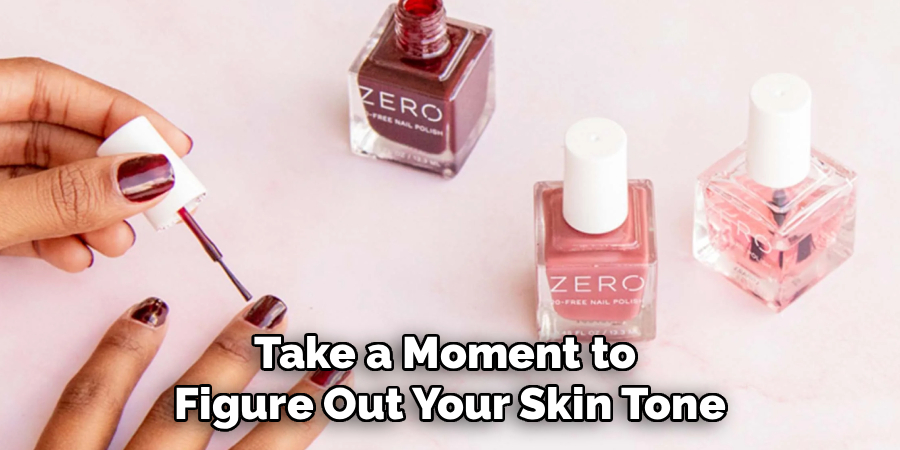
Before you fall in love with any shade, take a moment to figure out your skin tone. Flip your wrist over and look at your veins in natural light. If they appear blue or purple, you likely have cool undertones, while greenish veins point to warm undertones. A mix of both usually means you have a neutral tone. This quick check guides every color decision that follows. Cool tones flatter blues, purples, and berry shades, while warm tones shine with corals, oranges, and golden hues. Knowing your undertone helps you pick colors that brighten your hands instead of washing them out.
Step 2: Match Colors To The Occasion
Think about where and when you plan to wear your manicure before committing to a color. Bold reds and deep plums feel dramatic and elegant for evenings out or special events, while soft nudes, pale pinks, and sheer neutrals work beautifully for offices, interviews, or everyday wear. Bright, playful shades like coral or turquoise suit vacations and summer weekends. Matching your color to the occasion means you always feel appropriate and confident. If you want maximum flexibility, a versatile neutral pairs with almost any outfit and setting, making it a smart, reliable choice for busy lifestyles.
Step 3: Understand Choose Nail Polish Finishes
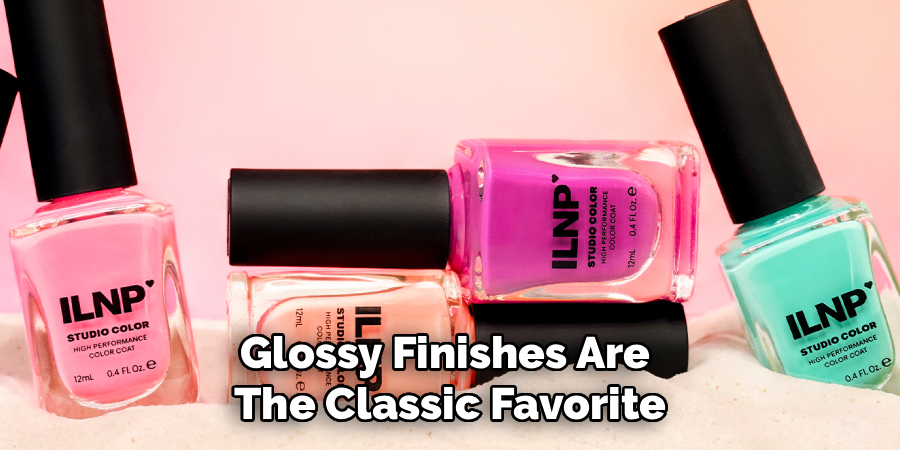
The finish you pick changes the entire personality of your manicure. Glossy finishes are the classic favorite, offering a shiny, polished look that suits nearly every situation. Matte finishes feel modern and edgy but tend to show scratches more easily. Shimmer and metallic options catch the light beautifully for festive occasions, while sheer finishes create a natural, barely-there effect. When you understand how to choose nail polish finishes, you can match the vibe you want with the practicality you need. Beginners often find glossy formulas the most forgiving, since they hide minor brush strokes and small imperfections far better than matte alternatives.
Step 4: Read The Ingredient Label
Turn the bottle around and scan the label before you buy. Many quality polishes now advertise themselves as free of harsh chemicals such as formaldehyde, toluene, and dibutyl phthalate, often marketed as three-free, five-free, or seven-free. These gentler formulas are kinder to your nails and produce fewer strong fumes. If you have sensitive nails or paint often, choosing cleaner options makes a real difference over time. Do not stress about memorizing every term. Simply look for these free-from labels as a helpful shortcut. A little label reading now protects your nail health and keeps your manicure routine safe and comfortable.
Step 5: Check The Formula And Consistency
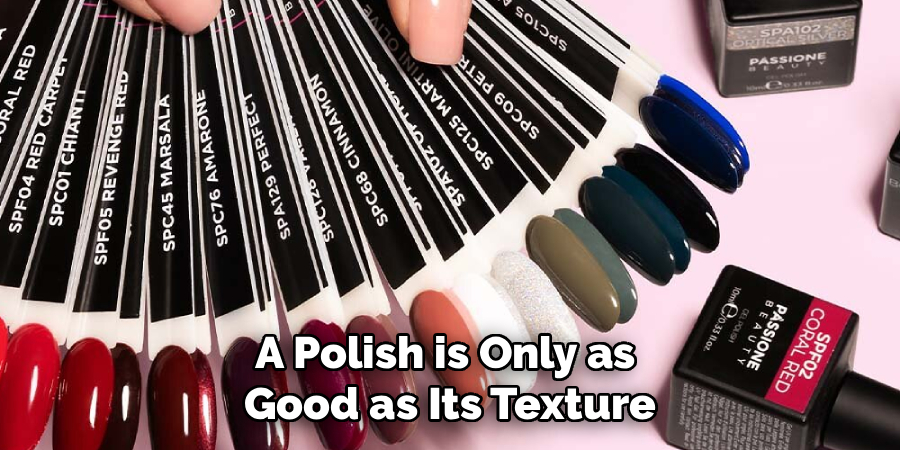
A polish is only as good as its texture, so pay attention to the formula itself. Ideally, the liquid should look smooth and slightly fluid rather than thick, clumpy, or separated. Thin, watery formulas often need too many coats, while overly thick ones drag and leave streaks. If you can test a tester bottle in-store, brush a stroke onto a nail wheel and watch how it flows. A good formula spreads evenly, covers well in two coats, and levels out on its own. Consistency matters just as much as color, since even the prettiest shade disappoints when it applies poorly.
Step 6: Consider Longevity And Wear
Think honestly about how long you need your manicure to last. Regular polish is affordable and easy to remove, but it typically chips within three to five days. Long-wear or gel-effect formulas cost a bit more yet stay flawless for a week or longer, making them ideal for busy schedules or special trips. If you dislike frequent touch-ups, invest in a formula built for durability and pair it with a quality top coat. Matching longevity to your lifestyle means fewer surprises and less frustration. The right staying power keeps your nails looking fresh exactly as long as you need them to.
Step 7: Master Nail Polish For Beginners
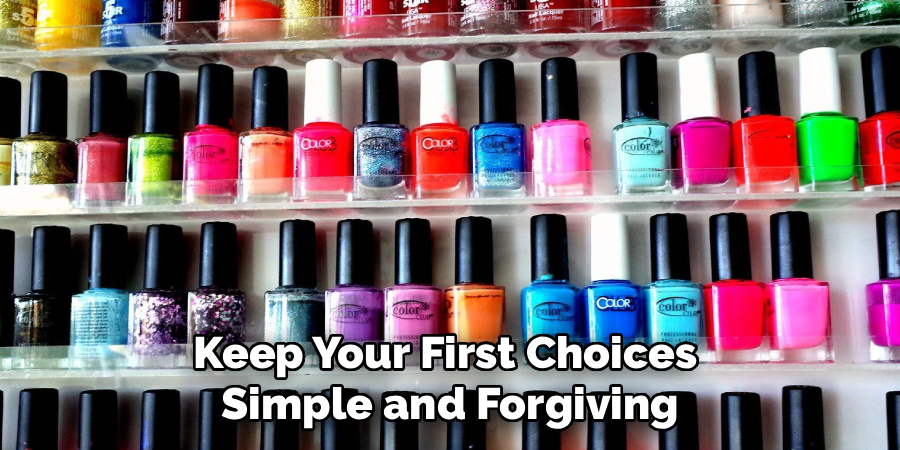
If you are just starting out, keep your first choices simple and forgiving. Reach for creamy, opaque shades in medium tones, since these hide streaks and application mistakes far better than sheer, glittery, or very pale colors. Learning how to choose nail polish for beginners means prioritizing easy-to-use formulas over trendy but tricky finishes. Pick a trusted brand, grab a reliable base and top coat, and practice with one bottle before building a bigger collection. Starting small builds your confidence and skill, so you can gradually experiment with bolder colors and finishes once you feel comfortable with the basics.
Frequently Asked Questions
How Do I Know Which Color Suits My Skin Tone?
Look at the veins on your inner wrist in natural light. Blue or purple veins signal cool undertones that pair well with berry, blue, and purple shades. Green veins suggest warm undertones that flatter coral, orange, and gold. If you see a mix, you have a neutral tone and can wear almost any color beautifully and confidently.
What Does Three-Free Or Five-Free Mean On A Label?
These terms describe polishes made without certain harsh chemicals. Three-free formulas skip formaldehyde, toluene, and dibutyl phthalate, while five-free and seven-free versions remove even more potentially irritating ingredients. Choosing these gentler options reduces strong fumes and supports healthier nails, which matters most if you paint often or have sensitive skin. Look for these labels as an easy quality shortcut.
How Many Coats Of Polish Should I Apply?
Most polishes look best with a base coat, two thin color coats, and a top coat. Thin layers dry faster and resist chipping better than one thick coat, which tends to smudge and bubble. Sheer or pastel shades may need a third coat for full coverage. Always let each layer dry before adding the next for a smooth, lasting finish.
Is Gel Polish Better Than Regular Polish?
It depends on your needs. Gel polish lasts up to two weeks without chipping and dries instantly under a lamp, making it great for busy people. However, it requires special equipment and gentle removal to protect your nails. Regular polish is cheaper, easier to apply and remove at home, but chips sooner. Choose based on your budget, time, and lifestyle.
How Do I Stop My Polish From Chipping So Quickly?
Start with clean, dry, oil-free nails and always apply a base coat for grip. Use thin layers, seal the tips with your color and top coat, and reapply top coat every few days. Avoid hot water and harsh cleaning without gloves. These small habits dramatically extend wear and keep your manicure looking fresh far longer than usual.
Conclusion
Picking the perfect bottle no longer has to feel like guesswork. By identifying your skin tone, matching colors to the occasion, understanding finishes, reading labels, and considering longevity, you set yourself up for beautiful, lasting results every time. Remember that clean formulas protect your nails, thin coats prevent chipping, and starting simple builds real confidence.
Now that you know how to choose nail polish with expert-backed steps, put this knowledge to work. Grab your undertone chart, revisit your current collection, and use this checklist the next time you shop. Your ideal shade and formula are waiting, so go ahead and treat your nails to the flawless, long-lasting manicure they deserve.

About the Author
Jane Hubbard is a passionate beauty expert with a wealth of experience in makeup, hair, and overall beauty techniques. After years of working as a hairdresser specialist, she followed her entrepreneurial spirit and started her own consultancy business.
Jane has always been driven by her desire to help others feel confident in their own skin, and she does this by sharing her knowledge, experiences, and practical beauty tips. Through her consultancy, she empowers individuals to embrace their unique beauty, offering tailored guidance that boosts both self-esteem and personal style.
Professional Focus
Specializes in makeup, hairstyling, and beauty consulting.
Provides personalized beauty advice, tips, and techniques to help individuals feel confident in their appearance.
Dedicated to staying up-to-date with the latest industry trends and developments.
Passionate about creating a comfortable and empowering experience for every client.
Education History
University of Craft and Design – Bachelor of Fine Arts (BFA) in Woodworking and Furniture Design
Woodworking Apprenticeships – Extensive hands-on training with skilled craftsmen to refine carpentry and furniture making techniques
Online Courses & Masterclasses – Continued education in advanced woodworking techniques, design principles, and specialized tools
Expertise:
Makeup artistry, hairstyling, and beauty consulting.
Personalized beauty techniques to enhance confidence and self-expression.
Educating clients on how to maintain their beauty routines at home.