

Walking into a beauty store often triggers an immediate sense of overwhelming anxiety. Thousands of brightly colored products line the walls, each promising miraculous cosmetic results. Navigating this environment without prior experience might feel genuinely intimidating.
Building a beginner-friendly cosmetic collection should actually serve as an empowering, highly personal creative endeavor. The stress usually stems from a lack of strategic preparation rather than a lack of beauty knowledge. This guide will clarify the purchasing process entirely.
Readers will learn to identify their specific epidermal needs and select highly versatile, forgiving products. We will explore how to analyze ingredient labels, match foundation shades accurately, and confidently communicate with store associates. If you are wondering how to buy makeup for the first time, this methodical approach could prevent costly mistakes and unnecessary frustration.

Understanding Your Skin Type and Tone
Cosmetics do not perform uniformly across different faces. The chemical formulation of a foundation interacts directly with the biological canvas beneath it. Assessing your bare face carefully remains the most important step before making any financial investment.
Failing to understand your skin profile almost always results in purchasing incompatible formulas. This mismatch frequently causes separation, excessive oiliness, or uncomfortable flaking.
Identifying Dry, Oily, or Combination Skin
You must observe how your skin behaves throughout an average afternoon. If your forehead and nose become highly reflective by midday, this appears to indicate an oily profile. Oily complexions generally require matte, oil-free formulas to prevent the makeup from sliding off the face.
Conversely, a tight, easily irritated feeling might suggest a dry skin type. Dry skin benefits immensely from hydrating, liquid-based cosmetics that prevent pigments from catching on rough patches. Combination skin features oily zones alongside dry areas, which could necessitate using different primer formulas on different parts of the face.
Finding Your Natural Undertone
Your surface skin color changes with sun exposure, but your underlying hue remains constant. The vein test offers a highly reliable method for determining this permanent undertone. Examine the veins on the inside of your wrist under natural daylight.
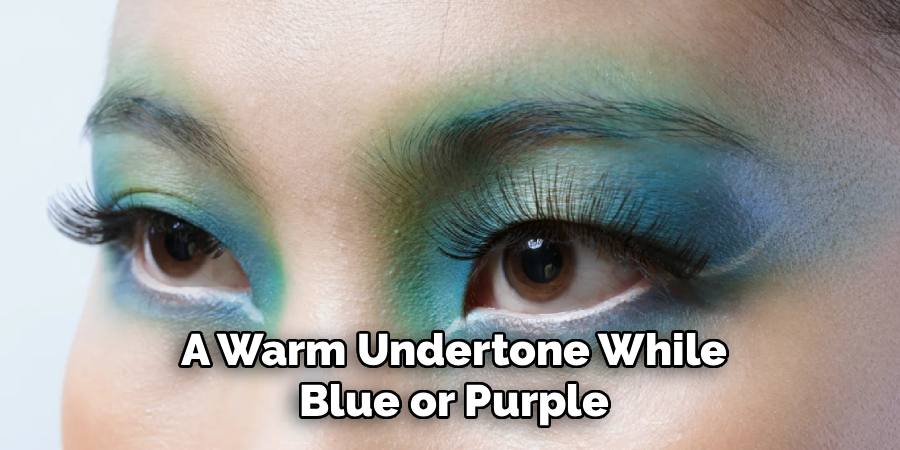
Green-leaning veins usually point toward a warm undertone, while blue or purple veins suggest a cool undertone. If distinguishing the color proves difficult, you likely possess a neutral undertone. Understanding this specific variable dictates which foundation shades and lip colors will appear most flattering on your features.
Building a Basic Beginner Kit
Entering a store without a specific shopping list invites immediate trouble. Sales associates might attempt to sell complex contour palettes or heavy baking powders to someone who simply needs a basic mascara. You should deliberately avoid advanced cosmetic tools during your initial shopping trip.
Starting with a minimal routine allows you to master application techniques without feeling overwhelmed. You can easily add more complicated items later.
Choosing a Lightweight Base
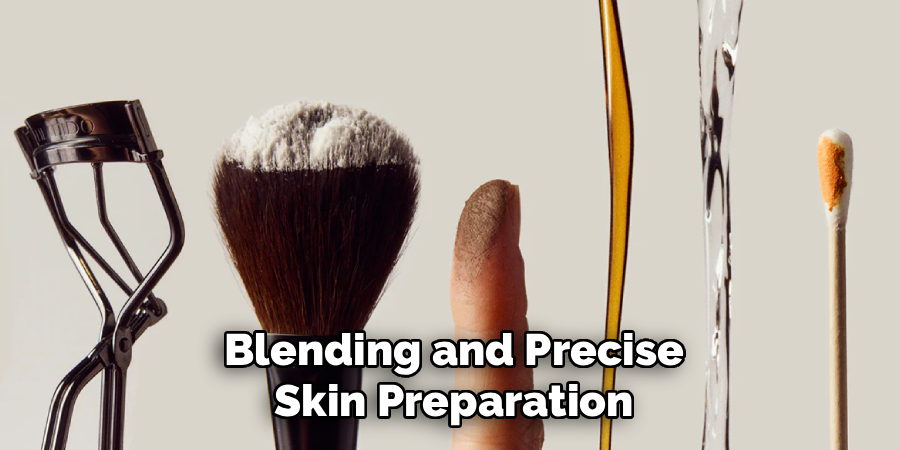
Full-coverage foundations require extensive blending and precise skin preparation. For a beginner, a heavily pigmented liquid often looks mask-like and unnatural. You might prefer starting your journey with a forgiving tinted moisturizer or a sheer BB cream.
These lightweight alternatives even out the overall complexion while allowing your natural skin texture to show through. They blend effortlessly with fingers, significantly reducing the learning curve associated with base application.
Selecting Versatile Lip and Cheek Colors
Purchasing separate products for every single facial feature rapidly inflates your budget. Multi-use cosmetics offer incredible value and inherent color harmony. A cream blush, for example, doubles perfectly as a soft, hydrating lip tint.
Beginners should look for universally flattering shades like soft peach or muted rose. These neutral tones emulate the natural flush of human skin. Applying the same color to the cheeks and lips automatically ties the entire face together visually.
Drugstore vs. High-End Products
Price does not strictly correlate with cosmetic performance. Many high-end luxury brands utilize the exact same manufacturing facilities as their drugstore counterparts. Understanding where to allocate your funds requires a bit of strategic analysis.
You do not need to spend hundreds of dollars to build an effective, beautiful collection.
Where to Save Your Money
Certain cosmetic categories possess incredibly short shelf lives. Mascara dries out rapidly and requires replacement every three months for sanitary reasons. Investing heavy funds into a luxury mascara makes very little financial sense when drugstore alternatives perform identically.
Lip glosses and clear brow gels also fall into this category. Beginners should experiment with affordable pharmacy brands while discovering which textures and colors they prefer. This low-risk experimentation prevents buyer’s remorse.
When to Invest in Quality
Complexion products warrant a slightly higher financial investment. Foundation sits directly on your skin for hours, interacting closely with your pores. A high-quality base often features superior shade ranges and sophisticated, skin-loving ingredients.
A dedicated skin-prep primer might also justify a splurge. Premium primers create a secure barrier between your epidermis and the colored cosmetics. This protective layer could significantly enhance the comfort and longevity of your overall look.
Step-by-Step Guide: How to Buy Makeup for the First Time
This sequence provides a structured roadmap for your first physical shopping excursion. Wandering aimlessly through cosmetic aisles usually leads to impulse purchases driven by attractive packaging. A methodical approach keeps you focused on your actual requirements.
Execute these steps carefully to ensure a highly productive, stress-free experience.
Step 1: Set a Realistic Budget
Determine exactly how much capital you are willing to part with before leaving your house. Beauty retailers engineer their store layouts to encourage spontaneous spending. Setting strict financial boundaries anchors your decision-making process.
If you establish a fifty-dollar limit, you automatically filter out items that do not serve your immediate needs. This constraint forces you to prioritize versatile, foundational pieces over trendy, single-use colors.
Step 2: Research and Read Reviews
Blindly trusting product claims on a box rarely yields a good match. You should research highly rated beginner products online beforehand. Search for items specifically recommended by individuals who share your age bracket and skin type.
Analyzing consumer feedback provides realistic expectations regarding a product’s performance. If multiple reviews mention that a specific concealer oxidizes and turns orange, you know to cross it off your potential list.
Step 3: Visit a Store in Person
While online shopping offers immense convenience, it presents a massive risk for cosmetic beginners. Digital screens distort color accuracy terribly. You must visit a physical location to accurately assess complexion products.
Seeing the true colors under various lighting conditions prevents egregious shade-matching errors. Physically touching the testers also helps you understand the difference between a heavy cream and a lightweight serum.
Step 4: Ask for Professional Assistance
Do not hesitate to approach the beauty advisors working the retail floor. These professionals possess extensive training in color theory and product formulation. Explain your exact skin concerns and reiterate your desire for a minimal, beginner-friendly routine.
A skilled associate can quickly narrow down the thousands of options to three or four viable candidates. Communicating your budget openly also prevents them from steering you toward unnecessarily expensive luxury brands.
Step 5: Patch Test on Your Jawline
Never match a foundation to the back of your hand. The skin on your hands experiences significantly more sun exposure than your face. Testing the product guarantees an inaccurate color match.
Apply a small vertical stripe of foundation from your lower cheek down onto your neck. The correct shade will seemingly vanish into the skin without leaving a visible demarcation line. Allow the stripe to dry for five minutes, as formulas often darken slightly upon exposure to oxygen.
Step 6: Start Small and Build Gradually
Your initial purchase should encompass only three or four core items. A light base, a mascara, and a versatile lip color provide an excellent starting point. Mastering the application of these few products builds mechanical confidence.
You can easily return to the store the following month to explore bronzers or setting sprays. Gradual expansion prevents your bathroom counter from becoming cluttered with unused, intimidating palettes.
Essential Tools for Application
Owning the correct formulas only solves half of the cosmetic equation. The instruments utilized to apply the pigment heavily influence the final aesthetic. A beautiful foundation can look terrible if smeared haphazardly with improper tools.
Selecting beginner-friendly applicators reduces frustration during your morning routine.
The Magic of Makeup Sponges
A porous, damp beauty sponge serves as the ultimate tool for cosmetic novices. The moisture inside the sponge sheers out heavy coverage and prevents the product from looking dry. It gently presses liquid formulas flawlessly into the epidermis.
Using a bouncing motion with the sponge eliminates the harsh streaks often left behind by stiff bristles. This method virtually guarantees a natural, skin-like finish with minimal effort.
Must-Have Brushes for Beginners
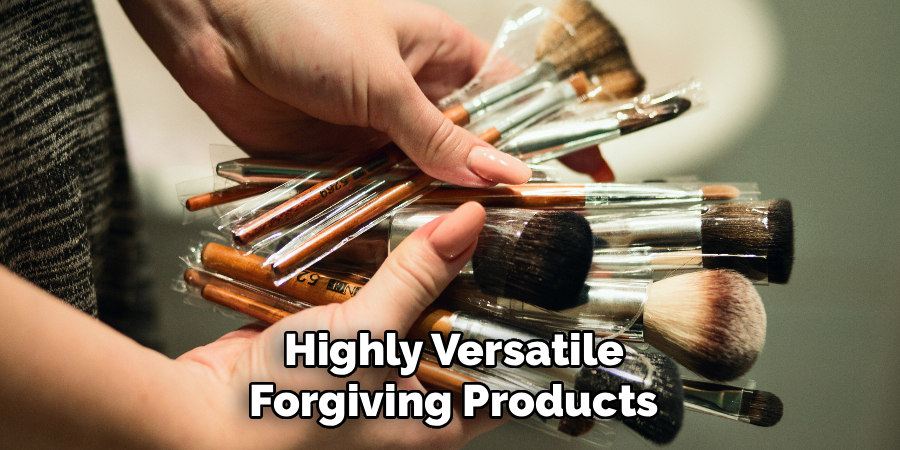
You should strictly avoid purchasing massive, twenty-piece brush sets. The vast majority of those specialized tools will simply collect dust. A novice really only needs two or three highly functional brushes.
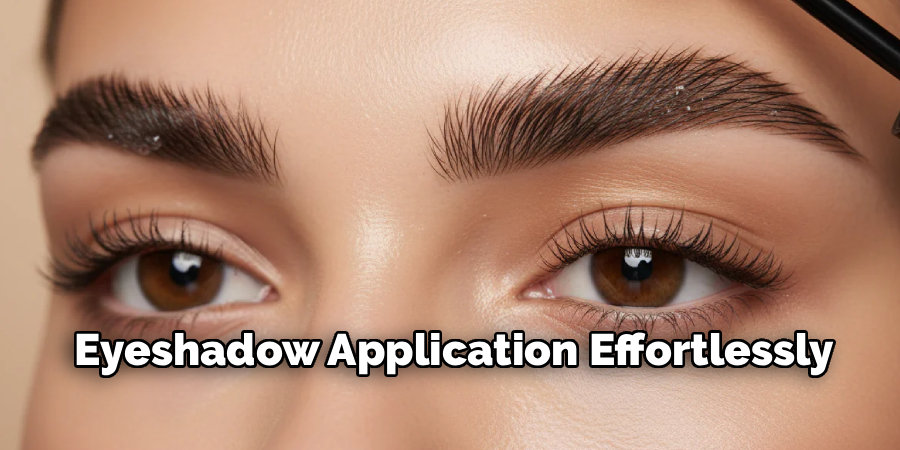
A large, fluffy brush works perfectly for applying translucent powders or soft blushes. A single, domed blending brush handles basic eyeshadow application effortlessly. Keeping your tool kit small forces you to focus on fundamental blending techniques.
Testing Products Before Committing
Retail cosmetic testers act as a public resource, but they harbor significant biological risks. You must utilize these samples safely to protect your physical health. Contracting an eye infection from a contaminated tester would completely ruin the shopping experience.
Strict hygiene protocols are absolutely non-negotiable in a retail beauty setting.
Utilizing Store Testers Safely
Never apply a communal lip product directly to your mouth. You should use the disposable applicators provided by the retailer. Scrape a tiny amount of lipstick off the bullet with a clean spatula and apply it with a disposable wand.
For liquid foundations, pump the product directly onto the back of your freshly sanitized hand. Use your fingers to transfer the liquid from your hand to your jawline for testing. This prevents the dispenser from coming into direct contact with your face.
Checking Makeup in Natural Light
Retail stores utilize harsh, artificial fluorescent lighting. These intensely bright bulbs completely wash out your natural skin tones. A foundation that looks perfect under halogen lights might appear bright yellow outdoors.
After applying a few test stripes to your jawline, excuse yourself from the makeup counter. Walk over to a large window or step briefly outside the store. Checking the swatches under true sunlight reveals their actual, unadulterated color.
Deciphering Ingredient Labels
The back of a cosmetic box contains vital information regarding the product’s safety and performance. You do not need a degree in chemistry to spot potential problems. Learning a few key terms prevents accidental allergic reactions.
Understanding what you apply to your face is just as important as knowing how to apply it.
Avoiding Harsh Irritants
Individuals prone to redness or sensitivity must exercise extreme caution. Heavy artificial fragrances serve no functional purpose and often trigger severe contact dermatitis. You might also want to scan the label for denatured alcohol.
While alcohol helps a product dry down rapidly, it simultaneously strips the skin of its natural moisture barrier. Avoiding these common irritants ensures your new makeup remains comfortable for all-day wear.
Looking for Non-Comedogenic Formulas
The term “non-comedogenic” explicitly indicates that a formula will not clog your pores. This classification is incredibly important for teenagers or anyone dealing with active breakouts. Heavy waxes and certain mineral oils frequently trap sebum beneath the skin’s surface.
Selecting non-comedogenic bases prevents your new cosmetic routine from causing secondary acne. It acts as a necessary safeguard for maintaining a clear, healthy complexion beneath the pigment.
Conclusion
Stepping into the world of cosmetics does not require an encyclopedic knowledge of beauty trends. The process relies heavily on understanding your own biology, establishing a firm budget, and selecting forgiving, versatile formulas. By focusing on finding an exact shade match and utilizing damp sponges for application, you eliminate the most common hurdles faced by novices.
Remember that discovering your preferred aesthetic involves a fair amount of trial and error. Knowing how to buy makeup for the first time equips you with the analytical tools needed to navigate any beauty counter safely. Grab a notebook, outline your minimal shopping list, and approach your local cosmetic retailer with renewed, educated confidence.

About the Author
Jane Hubbard is a passionate beauty expert with a wealth of experience in makeup, hair, and overall beauty techniques. After years of working as a hairdresser specialist, she followed her entrepreneurial spirit and started her own consultancy business.
Jane has always been driven by her desire to help others feel confident in their own skin, and she does this by sharing her knowledge, experiences, and practical beauty tips. Through her consultancy, she empowers individuals to embrace their unique beauty, offering tailored guidance that boosts both self-esteem and personal style.
Professional Focus
Specializes in makeup, hairstyling, and beauty consulting.
Provides personalized beauty advice, tips, and techniques to help individuals feel confident in their appearance.
Dedicated to staying up-to-date with the latest industry trends and developments.
Passionate about creating a comfortable and empowering experience for every client.
Education History
University of Craft and Design – Bachelor of Fine Arts (BFA) in Woodworking and Furniture Design
Woodworking Apprenticeships – Extensive hands-on training with skilled craftsmen to refine carpentry and furniture making techniques
Online Courses & Masterclasses – Continued education in advanced woodworking techniques, design principles, and specialized tools
Expertise:
Makeup artistry, hairstyling, and beauty consulting.
Personalized beauty techniques to enhance confidence and self-expression.
Educating clients on how to maintain their beauty routines at home.