

Preparing your hair for a dance recital is an essential part of your performance routine, and creating a secure, polished bun is often the go-to style. A tidy bun not only keeps your hair out of your face but also complements the elegance and precision required in dance. This guide will walk you through the steps of how to do a bun for dance recital.
Why a Bun Is the Best Hairstyle
A bun is the ideal hairstyle for a dance recital due to its practicality, versatility, and timeless elegance. It keeps the hair securely in place, ensuring that it won’t interfere with movements or distract from the performance. This is especially important during intricate routines where loose strands can become a hassle. Additionally, a bun highlights the dancer’s facial expressions and posture, both of which are critical in conveying emotion and technique to the audience. The clean and polished appearance of a bun also complements nearly all dance costumes and adds a professional touch to the overall look. For these reasons, the bun remains a favorite among dancers and instructors alike.
What You’ll Need to Do a Dance Bun
Creating a proper dance bun requires a few essential items to ensure it is secure, neat, and long-lasting. Here is a list of tools and products you’ll need:
- Brush or Comb: To detangle and smooth the hair for a sleek finish.
- Hair Tie: A strong and durable elastic to hold the hair firmly in place.
- Hairpins or Bobby Pins: To secure the bun and keep it from unraveling during movement.
- Hair Net: To cover the bun and keep stray hairs in check, especially for performances.
- Hairspray or Gel: To tame flyaways and add a polished look.
- Fine-tooth Comb (optional): For an extra smooth and professional appearance.
- Water Spray Bottle (optional): Useful for managing frizziness or achieving a more styled look.
Having these items on hand will make the process of creating a well-executed dance bun quick and effective, ensuring it stays securely in place during any routine.
10 Ways How to Do a Bun for Dance Recital
1. Classic Ballet Bun
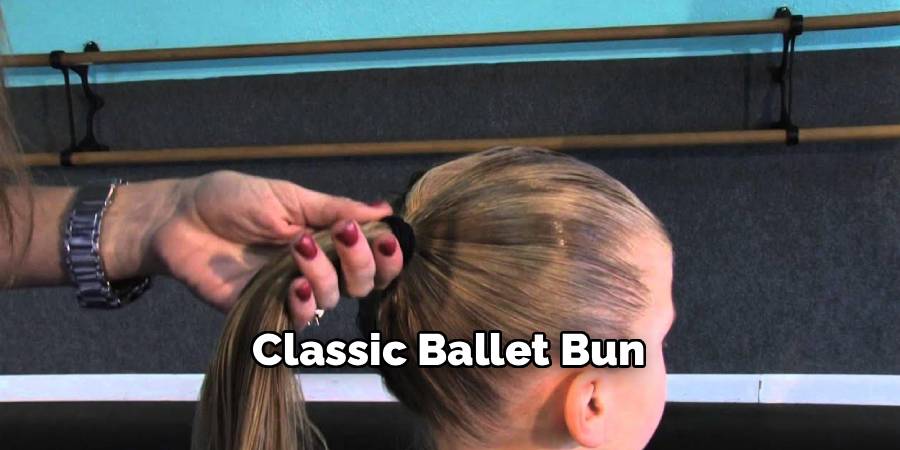
The classic ballet bun is timeless and often the preferred hairstyle for most dance recitals. To create it, begin by brushing the hair thoroughly to remove tangles and applying a small amount of styling gel or mousse to smooth flyaways. Gather the hair into a high ponytail and secure it with a sturdy hair elastic. Twist the ponytail tightly and wrap it around the base, pinning as you go with strong bobby pins. Finish by spraying hairspray generously to hold everything in place. This method ensures a sleek, polished look that stays intact during even the most rigorous dance routines.
2. Low Nape Bun
For dances that require elegance and softer styling, a low nape bun is an excellent choice. Start by combing the hair straight down and gathering it at the nape of the neck into a low ponytail. Twist the ponytail and coil it flat against the head before pinning it securely. This bun works particularly well for dancers who wear headpieces or crowns, as it provides a stable base while maintaining a graceful silhouette. Adding a hair net over the bun ensures extra neatness and prevents stray hairs from escaping.
3. Sock Bun for Volume
Sometimes a bun requires extra fullness for stage presence, and a sock bun is the perfect solution. Cut the toe off a clean sock and roll it into a donut shape. Place the sock at the base of a ponytail and pull the hair through it. Wrap and tuck the hair evenly around the sock, smoothing it as you go. Secure with pins and hairspray. This method creates a round, voluminous bun that looks professional and can be seen clearly from the audience, making it ideal for dancers with thinner hair.
4. Braided Bun
A braided bun adds texture and sophistication while still being functional for dance. Begin with a high ponytail and divide it into three equal sections. Braid the sections together, securing the end with a small elastic. Wrap the braid around the base of the ponytail, pinning it in place as you form the bun. This style gives the bun more dimension and holds better than a simple twisted version, making it perfect for intricate performances or when the costume calls for a slightly more decorative hairstyle.
5. Double Bun (for Younger Dancers)
Younger dancers often prefer playful yet secure hairstyles, and double buns are a fun alternative. Part the hair down the middle into two equal sections. Gather each half into a high ponytail and secure with elastics. Twist each ponytail into a bun and pin securely. Double buns are not only visually charming but also practical, as they distribute weight evenly and prevent discomfort during long recitals. This method works especially well for themed or character dances.
6. French Twist Bun Hybrid
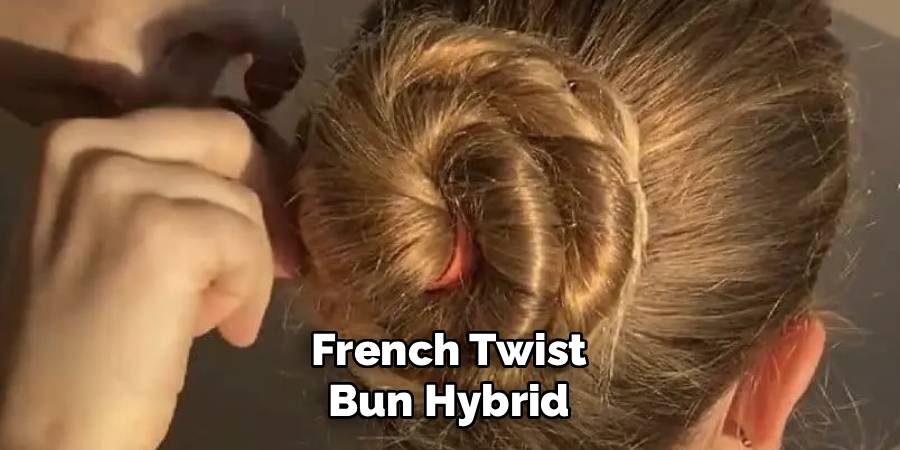
For a more elegant and formal appearance, the French twist bun combines the sophistication of a French twist with the security of a bun. Brush the hair to one side and roll it inward, pinning along the way as you create a twist. Once the twist is secured, coil the remaining ends into a bun at the base. This hairstyle is perfect for classical dance pieces where a refined look complements the overall aesthetic of the performance. Using a strong setting spray ensures the style holds throughout the recital.
7. Messy Bun with Structure
While stage hairstyles are usually neat, certain dance themes call for a slightly looser, artistic style. A structured messy bun achieves this effect while still keeping hair controlled. Gather the hair into a ponytail, tease it slightly for volume, and loosely twist it into a bun, allowing some texture to show through. Secure with pins but avoid over-smoothing the strands, as the slightly undone look is part of the charm. This method works well for modern or contemporary dance pieces where natural movement and expression are emphasized.
8. Wrapped Bun with Hair Accessories
Accessories often play a vital role in recital hairstyles, and a wrapped bun creates the perfect foundation. Start by making a simple twisted bun and then wrap a thin braid, ribbon, or decorative hairpiece around its base. Pin it securely so that the accessory enhances the style without moving during the performance. This method is particularly effective when costumes feature matching embellishments, as it ties the dancer’s entire look together while keeping the hair tidy.
9. Twisted Section Bun
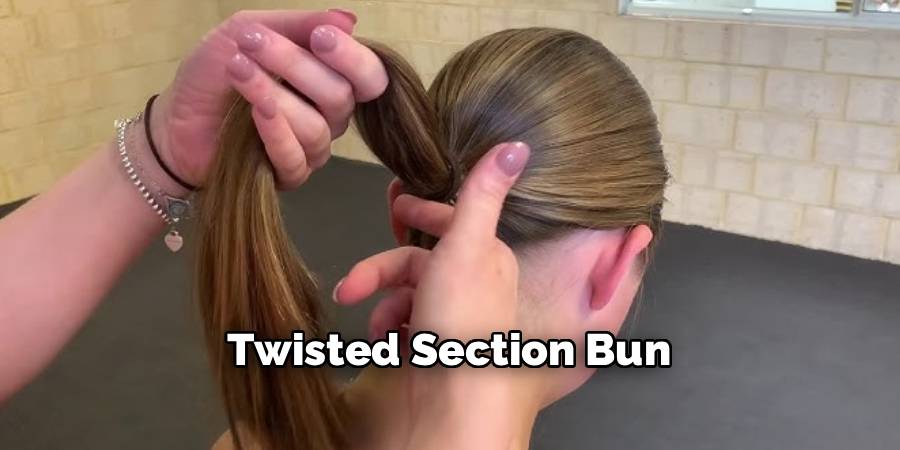
For dancers with thicker or longer hair, dividing the hair into sections before forming a bun can help achieve a smoother style. Create a ponytail, then split it into two or three smaller sections. Twist each section individually before wrapping them around the base to form a bun. Secure each section with pins. This technique distributes the hair more evenly and prevents a bulky, uneven look. It also creates a layered, elegant effect that holds exceptionally well during high-energy performances.
10. Secure Bun with Hair Net and Gel
No matter what bun style you choose, ensuring security is critical for a recital. The most reliable method combines any of the bun techniques above with a fine hair net and a generous application of hair gel. After forming the bun, cover it with a matching hair net to keep stray strands contained. Apply gel or strong hairspray to smooth the edges and tame flyaways. Pin everything securely with U-pins or bobby pins. This method ensures that the bun will remain flawless throughout the entire recital, even with intense movements and costume changes.
Maintenance and Upkeep
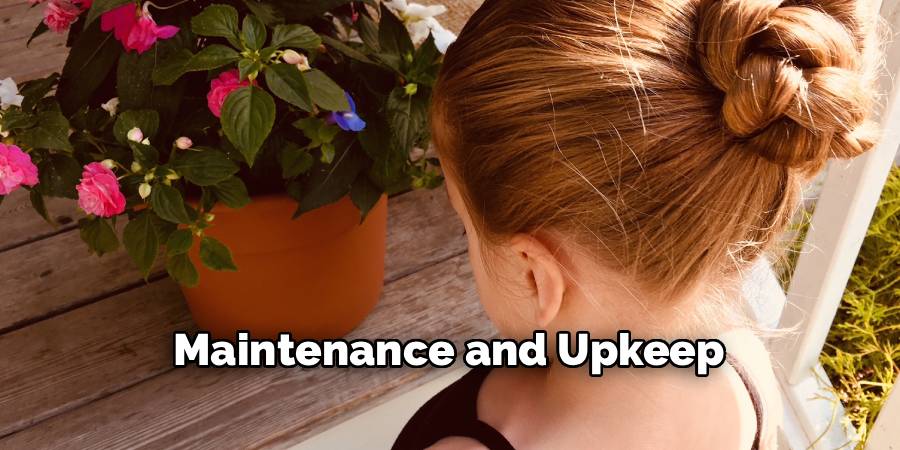
Maintaining a polished appearance for a recital requires attention to detail and consistent upkeep. Keep extra hair supplies, such as bobby pins, U-pins, and a small container of gel or hairspray, on hand in case of touch-ups. Before the performance begins, do a final check to ensure the bun is secure, smoothing down any stray hairs. If the recital involves multiple routines with costume or hairstyle changes, allocate time between performances to adjust the bun if necessary. Proper upkeep not only helps maintain the dancer’s professional image but also boosts confidence, allowing them to focus entirely on their performance.
Conclusion
A bun is more than just a hairstyle—it is an essential part of a dancer’s presentation on stage. From the classic ballet bun to more intricate versions like braided buns or French twist hybrids, each style serves a purpose depending on the performance. Volume-enhancing sock buns, playful double buns, and accessorized wrapped buns provide versatility and creativity, while messy buns with structure add artistic flair.
Regardless of the chosen method, the most important factor is security, achieved through the use of hair nets, pins, and styling products. By exploring these ten methods, dancers can find the perfect bun to complement their recital performance, ensuring that they look polished, professional, and performance-ready. Thanks for reading our blog post on how to do a bun for dance recital! We hope you found it helpful and informative.

About the Author
Jane Hubbard is a passionate beauty expert with a wealth of experience in makeup, hair, and overall beauty techniques. After years of working as a hairdresser specialist, she followed her entrepreneurial spirit and started her own consultancy business.
Jane has always been driven by her desire to help others feel confident in their own skin, and she does this by sharing her knowledge, experiences, and practical beauty tips. Through her consultancy, she empowers individuals to embrace their unique beauty, offering tailored guidance that boosts both self-esteem and personal style.
Professional Focus
Specializes in makeup, hairstyling, and beauty consulting.
Provides personalized beauty advice, tips, and techniques to help individuals feel confident in their appearance.
Dedicated to staying up-to-date with the latest industry trends and developments.
Passionate about creating a comfortable and empowering experience for every client.
Education History
University of Craft and Design – Bachelor of Fine Arts (BFA) in Woodworking and Furniture Design
Woodworking Apprenticeships – Extensive hands-on training with skilled craftsmen to refine carpentry and furniture making techniques
Online Courses & Masterclasses – Continued education in advanced woodworking techniques, design principles, and specialized tools
Expertise:
Makeup artistry, hairstyling, and beauty consulting.
Personalized beauty techniques to enhance confidence and self-expression.
Educating clients on how to maintain their beauty routines at home.