

You spend twenty minutes perfecting your eyeshadow blend, nailing that sharp winged liner, and curling your lashes to the heavens. You leave the house feeling confident. But a mere two hours later, you catch a glimpse of yourself in a mirror and your heart sinks. Your eyeshadow has creased into a singular, oily line, your mascara has stamped itself onto your brow bone, and that sharp wing is now a smudge.
If this scenario sounds familiar, you are likely dealing with greasy eyelids. It is a frustratingly common issue that affects people across all skin types, not just those with generally oily complexions. The skin on your eyelids is some of the thinnest on your body, but it is also packed with sebaceous glands. When these glands overproduce sebum (oil), it creates a slick surface that breaks down makeup pigments and causes products to migrate.
In this how to stop greasy eyelids for good guide we will walk you through the effective way so you can learn better care about your skin.
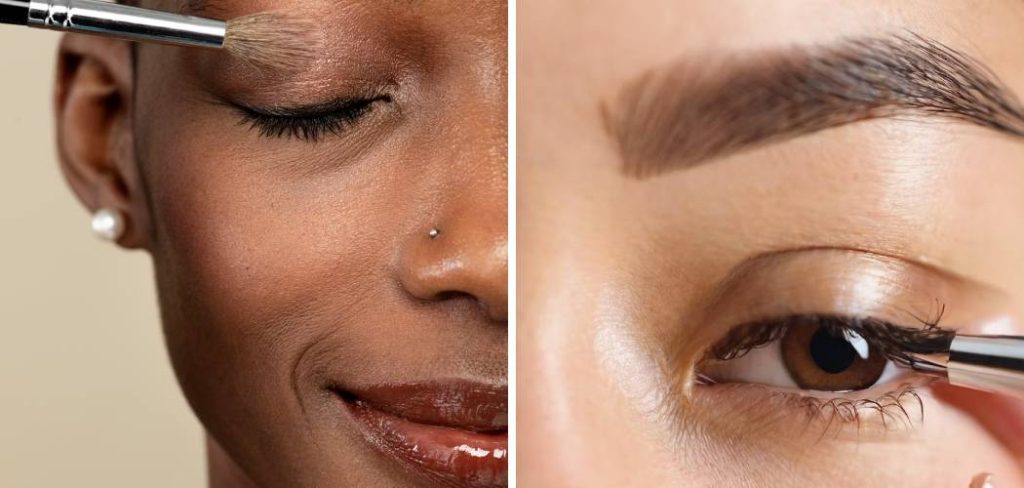
A Step-by-Step Guide on How to Stop Greasy Eyelids for Good
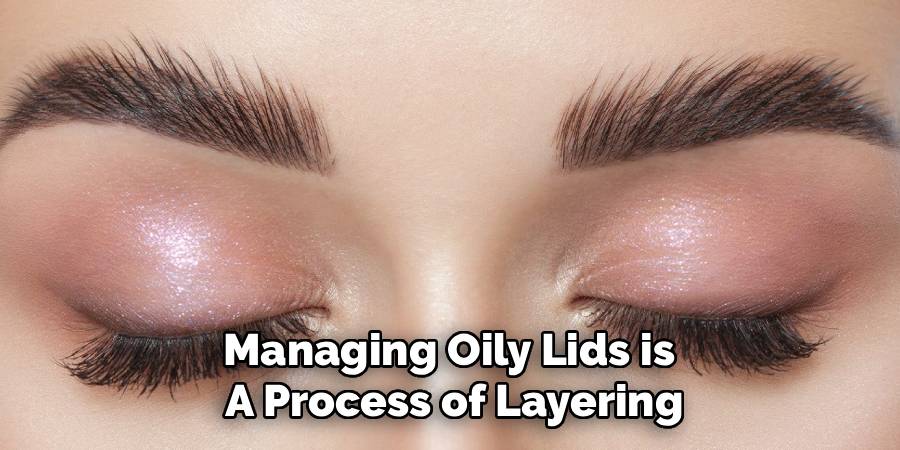
Managing oily lids is a process of layering. You need to strip away excess oil without damaging the skin barrier, create a grip for your makeup, and set everything in place with the right textures. Follow these seven steps to transform your eyelids from an oil slick into a perfect, long-lasting base.
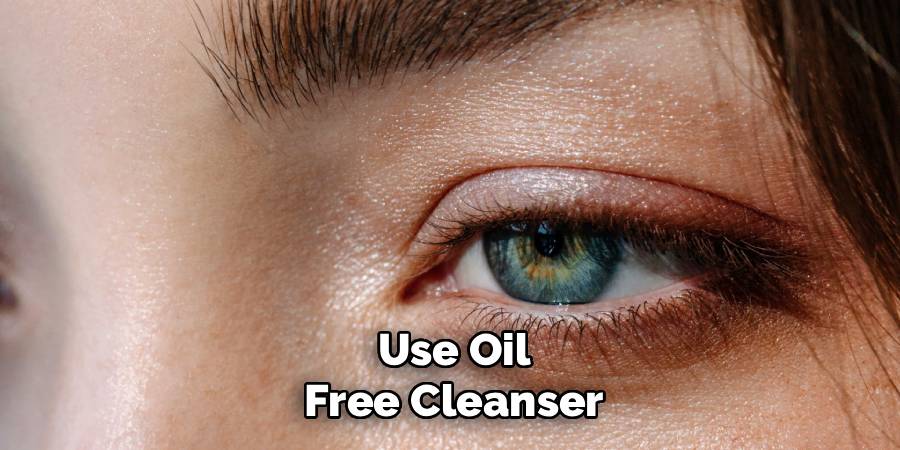
Step 1: Cleanse with a Gentle Oil-Free Wash
The first step to controlling oil happens before you even think about makeup. You need to start with a completely clean slate. Many people wash their face but neglect to give their eyelids the attention they need, or worse, they use a cleanser that leaves a hydrating residue behind. While residue is fine for dry cheeks, it spells disaster for oily lids.
Start your morning routine with a gentle, oil-free cleanser. Look for gel-based or foaming formulas rather than cream or balm cleansers, which are often rich in emollients that can linger on the skin. If you have particularly stubborn oil, you might consider a cleanser containing low concentrations of salicylic acid. This beta-hydroxy acid (BHA) is oil-soluble, meaning it can penetrate the pore lining to dissolve excess sebum effectively.
Step 2: Use an Alcohol-Free Toner
After cleansing, the pH balance of your skin can sometimes be disrupted. A toner helps to restore this balance and removes any last traces of dirt or cleanser residue. However, for those battling grease, there is a temptation to use harsh, alcohol-based astringents to “dry out” the oil. This is a mistake that often backfires.
When you strip the skin of all its natural moisture using high-alcohol products, your sebaceous glands receive a signal that the skin is dry. In response, they go into overdrive, producing even more oil to compensate. This is known as reactive seborrhea, and it creates a vicious cycle of drying and greasing.
Step 3: Apply a Mattifying Eye Primer
If you only adopt one step from this entire guide, let it be this one. A dedicated eye primer is the single most important tool in the fight against greasy eyelids. A common misconception is that concealer works just as well as primer. While concealer covers discoloration, it often contains oils and emollients designed to keep the under-eye area hydrated. On an oily lid, concealer will simply crease and slide.
Eye primers are formulated differently. They typically contain silicones and other gripping agents that fill in the skin’s texture, creating a smooth barrier between your skin’s oil and your makeup. A mattifying eye primer specifically works to absorb excess sebum throughout the day.
Step 4: Set with Translucent Powder
Once your primer is on, you need to lock it in. While some people apply eyeshadow directly over sticky primer to increase pigmentation, those with oily lids benefit from an intermediate step: setting the primer with translucent powder.
This technique creates a dry, matte surface that absorbs oil instantly. Use a fluffy blending brush to dust a light layer of sheer, translucent setting powder over your primer. Focus on the crease of the eye, as this is the “danger zone” where oil accumulates and shadows tend to gather.
If you have extremely oily lids, look for powders containing silica or cornstarch, as these ingredients are highly absorbent. This step not only helps with oil control but also makes blending your eyeshadow easier. Powder shadows glide effortlessly over a powdered base, preventing the patchiness that can occur when applying powder directly over a tacky primer.
Step 5: Choose Long-Wear or Waterproof Formulas
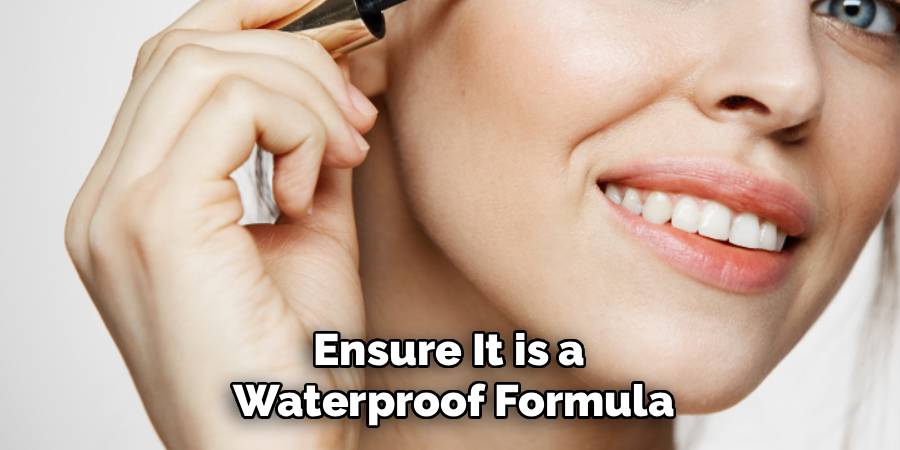
The products you put on top of your base matter just as much as the prep work. If you have greasy eyelids, creamy, emollient-based makeup is rarely your friend. Cream eyeshadows, kohl pencils, and non-waterproof mascaras are susceptible to breaking down when they come into contact with skin oils.
Switch to long-wear or waterproof formulas. For eyeliner, liquid liners or gel pots usually offer better staying power than traditional pencils. If you must use a pencil, ensure it is a waterproof formula and set it with a matching powder eyeshadow to lock it in place.
Step 6: Avoid Heavy Creams and Oils Near Eyes
Your morning skincare routine plays a massive role in how your eye makeup wears. While it is important to keep the eye area hydrated to prevent premature aging, heavy eye creams are the enemy of makeup longevity. Thick, rich creams take a long time to absorb and leave a slip on the surface of the skin that causes makeup to drift.
Save your rich, anti-aging eye creams for your nighttime routine. In the morning, switch to a lightweight eye gel or serum. These absorb quickly and fully into the skin without leaving a greasy residue.
Frequently Asked Questions
Why do I have oily eyelids even though the rest of my skin is dry?
This is a very common condition known as combination skin. The eyelids have a high concentration of sebaceous glands, similar to the T-zone (forehead, nose, and chin). It is entirely possible for your cheeks to be dry or dehydrated while your eyelids produce excess oil. This means you need to treat the two areas differently; use rich moisturizers on your face, but keep the eye area free of heavy products.
Does diet affect how greasy my eyelids get?
While scientific research on the direct link between diet and sebum production is ongoing and sometimes debated, many dermatologists suggest that high-glycemic foods (sugar and refined carbohydrates) can spike insulin levels. High insulin can trigger increased oil production in the skin. Dairy products are also cited by some as a potential trigger for excess oil. Staying hydrated by drinking plenty of water can help balance your skin’s overall health, though it won’t stop oil production entirely.
Can I use face primer on my eyelids?
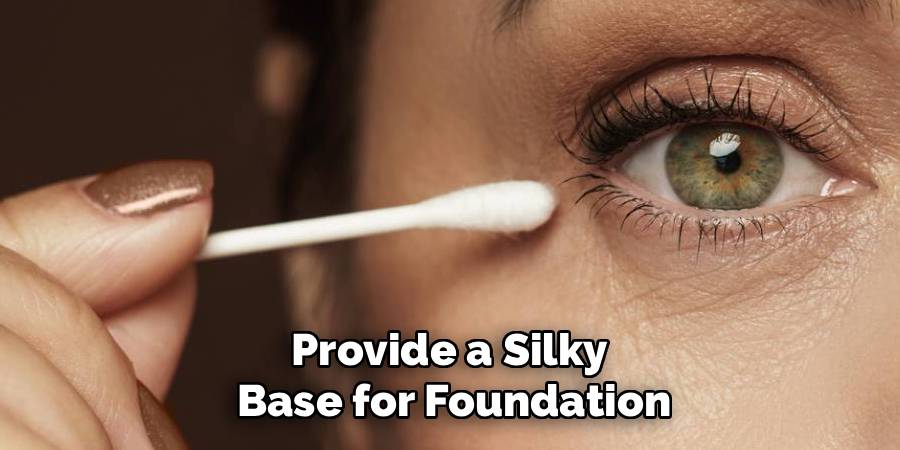
You can, but it is rarely as effective as a dedicated eye primer. Face primers are typically designed to smooth over pores and provide a silky base for foundation, often using ingredients that focus on hydration or blurring. Eye primers, conversely, are formulated to be “tacky” to grip pigment and are much drier to combat the specific issue of eyelid crease oil. For the best results on greasy lids, stick to a product specifically labeled for eyes.
Is baby powder a good alternative to setting powder?
It is generally not recommended to use baby powder on your face, especially near your eyes. Many baby powders are heavily fragranced, which can irritate the sensitive skin of the eyelid and cause redness or watering eyes. Furthermore, baby powder can leave a strong white cast that changes the color of your eyeshadow. A translucent cosmetic setting powder is milled much finer and is ophthalmologist-tested for safety near the eyes.
Will my eyelids get less oily as I age?
Generally, yes. Sebum production is driven by hormones, specifically androgens. As we age, our hormone levels change and oil production typically decreases. This is why skin tends to become drier as we get older. While this might be annoying for wrinkle prevention, it is good news for your eyeliner! Until then, managing the oil with the steps above is your best bet.
Conclusion
Dealing with greasy eyelids can feel like an uphill battle, especially when you love experimenting with eye makeup. It is easy to feel discouraged when your hard work melts away before lunch. However, by understanding the mechanics of why your lids get oily and adopting a routine that specifically counteracts that slip, you can achieve a long-lasting look.
Consistency is the secret ingredient. It might take a few tries to find the exact combination of primer and powder that works for your unique skin chemistry, but the principles remain the same: cleanse thoroughly, skip the heavy moisturizers, prime diligently, and set everything in place. With these adjustments, you can finally trust your eyeshadow to stay exactly where you put it, leaving you free to focus on your day rather than checking the mirror every hour.

About the Author
Jane Hubbard is a passionate beauty expert with a wealth of experience in makeup, hair, and overall beauty techniques. After years of working as a hairdresser specialist, she followed her entrepreneurial spirit and started her own consultancy business.
Jane has always been driven by her desire to help others feel confident in their own skin, and she does this by sharing her knowledge, experiences, and practical beauty tips. Through her consultancy, she empowers individuals to embrace their unique beauty, offering tailored guidance that boosts both self-esteem and personal style.
Professional Focus
Specializes in makeup, hairstyling, and beauty consulting.
Provides personalized beauty advice, tips, and techniques to help individuals feel confident in their appearance.
Dedicated to staying up-to-date with the latest industry trends and developments.
Passionate about creating a comfortable and empowering experience for every client.
Education History
University of Craft and Design – Bachelor of Fine Arts (BFA) in Woodworking and Furniture Design
Woodworking Apprenticeships – Extensive hands-on training with skilled craftsmen to refine carpentry and furniture making techniques
Online Courses & Masterclasses – Continued education in advanced woodworking techniques, design principles, and specialized tools
Expertise:
Makeup artistry, hairstyling, and beauty consulting.
Personalized beauty techniques to enhance confidence and self-expression.
Educating clients on how to maintain their beauty routines at home.