

The delicate skin around your eyes requires specialized care, and StriVectin has built a reputation for delivering potent anti-aging results in this sensitive area. Finding the right application method is just as crucial as the product itself, as proper technique ensures maximum absorption without pulling or tugging at fragile tissue.
This guide on how to use Strivectin eye cream will walk you through the exact process of incorporating this powerhouse cream into your daily routine for visibly brighter, smoother eyes. We will cover everything from preparation to application techniques, ensuring you get the most out of every drop while minimizing any potential irritation.
Key Ingredients and Their Benefits
StriVectin eye creams are renowned for their proprietary NIA-114™ technology, an optimized form of Niacinamide (Vitamin B3) that strengthens the skin barrier and supercharges the performance of other ingredients. This technology works alongside potent peptides that help improve skin elasticity and firmness, targeting the look of crow’s feet and sagging skin. Additionally, many formulas include caffeine to reduce puffiness and optical brighteners that instantly illuminate dark circles.
Hyaluronic acid is often present to provide deep hydration, plumping fine lines and preventing dryness throughout the day. These ingredients work synergistically to address multiple signs of aging simultaneously, making the cream a versatile addition to any skincare regimen.
Skin Types That Can Use StriVectin Eye Cream
StriVectin formulates its eye creams to be versatile and effective across a broad spectrum of skin types, ranging from oily and combination to dry and sensitive complexions. Because the skin around the eyes is universally thinner and more prone to dryness than the rest of the face, almost everyone can benefit from the intense hydration and barrier-strengthening properties of NIA-114™.
However, those with extremely sensitive skin should always patch-test first, as potent active ingredients can sometimes cause initial tingling. Whether you are dealing with early signs of aging in your 30s or looking to correct deeper wrinkles in mature skin, these formulas are designed to be non-comedogenic and ophthalmologist-tested to ensure safety and efficacy for diverse skin needs.
7 Simple Step-By-Step Guidelines on How to Use StriVectin Eye Cream
Step 1: Cleanse Your Face Thoroughly
Before applying any treatment products, it is absolutely essential to start with a completely clean canvas to ensure nothing blocks the absorption of the active ingredients. Use a gentle cleanser suited to your skin type to remove all traces of makeup, dirt, oil, and environmental pollutants that have accumulated throughout the day or night. If you wear waterproof mascara or heavy eyeliner, use a dedicated eye makeup remover first to ensure no residue is left behind, as lingering makeup can irritate the eyes when mixed with creams.
Pat your face dry with a clean, soft towel rather than rubbing, which can cause unnecessary friction and redness on sensitive skin. Leaving the skin slightly damp can actually help with the absorption of subsequent products, but ensure it isn’t dripping wet. This step prepares your pores and skin surface to fully receive the benefits of the StriVectin formula. Without a proper cleanse, you are essentially applying expensive skincare on top of a barrier of grime, which significantly reduces its effectiveness and can even lead to clogged pores or milia around the eye area.
Step 2: Dispense the Correct Amount
One of the most common mistakes people make with high-performance eye creams is using far too much product, assuming that more cream equals better or faster results. For StriVectin eye cream, you only need a surprisingly small amount—typically, the size of a grain of rice is sufficient for both eyes combined. Squeeze this small amount onto your ring finger, which is traditionally used for eye care because it naturally exerts the least amount of pressure compared to your other fingers.
Using too much product can not only be wasteful and expensive but can also overwhelm the thin skin around the eyes, leading to puffiness or product pilling under makeup. If you apply a thick layer, it may sit on the surface rather than absorbing properly, which renders the active ingredients less effective. By sticking to the “grain of rice” rule, you ensure the product penetrates effectively without overloading the skin, allowing the container to last longer while delivering the targeted results you are looking for.

Step 3: Warm the Product
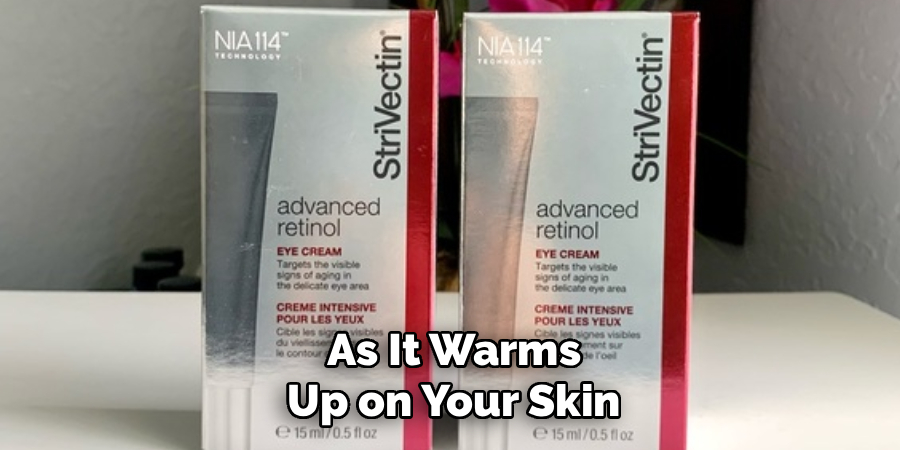
Once you have dispensed the rice-sized amount of cream onto your ring finger, gently press your other ring finger against it to distribute the product evenly between both hands. Rub your fingertips together lightly for about three to five seconds to warm up the formula to body temperature before you attempt to apply it to your face. This simple action transforms the texture of the cream, making it more emollient and significantly easier to spread across the skin without dragging.
Warming the product activates the ingredients and helps the cream melt into the skin upon contact rather than sitting on top of it as a cold, thick layer. This is particularly important for richer, denser creams that might otherwise feel heavy or difficult to manipulate on delicate skin. By taking these few extra seconds to prep the product, you ensure a smoother application process that requires less physical manipulation of the eye area, protecting the skin’s elasticity while enhancing the immediate absorption of the NIA-114™ technology.
Step 4: Dot the Cream Around the Orbital Bone
With the warmed product on your ring fingers, gently tap small dots of cream in a semi-circle along the orbital bone, which is the hard bone you can feel surrounding your eye socket. Start from the inner corner of the under-eye area, moving outwards toward the temples, and then gently tap a few dots along the brow bone just below your eyebrow. Avoid placing the dots too close to the lash line, as the product will naturally migrate slightly as it warms up on your skin.
Applying the cream directly to the eyelids or right up against the lashes can cause the product to seep into the eyes, leading to stinging, irritation, or temporary blurriness. The orbital bone serves as the perfect guide for safe application; by placing the product here, you allow it to treat the entire eye area effectively through natural migration without risking direct contact with the eye itself. This strategic placement targets the zones where crow’s feet and under-eye bags typically form, treating the problem areas precisely where they need it most.
Step 5: Gently Pat, Don’t Rub
This is arguably the most critical technique to master: use a gentle patting or tapping motion to blend the dots into your skin, rather than rubbing, dragging, or sweeping the finger across the face. Continue tapping with your ring finger until the cream is fully absorbed, moving in the same pattern from the inner corner outwards and around the brow bone. The tapping motion stimulates circulation in the area, which can help reduce puffiness while aiding the penetration of the cream.
Rubbing the delicate skin around the eyes is a major cause of premature aging, as it pulls and stretches the tissue, potentially breaking down collagen and elastin fibers over time. Since the skin here is significantly thinner than the rest of the face, it lacks the resilience to withstand aggressive handling. By committing to a gentle patting technique, you treat the skin with the care it deserves, ensuring that your application method supports your anti-aging goals rather than working against them.
Step 6: Allow Time for Absorption
After you have successfully tapped the cream into the skin, give it a moment to settle and fully absorb before moving on to the next step in your routine, such as moisturizer, sunscreen, or makeup. Wait approximately sixty to ninety seconds to let the active ingredients penetrate the skin barrier and dry down to a smooth, non-tacky finish. This pause prevents the product from shifting or piling up when you layer other substances on top of it.
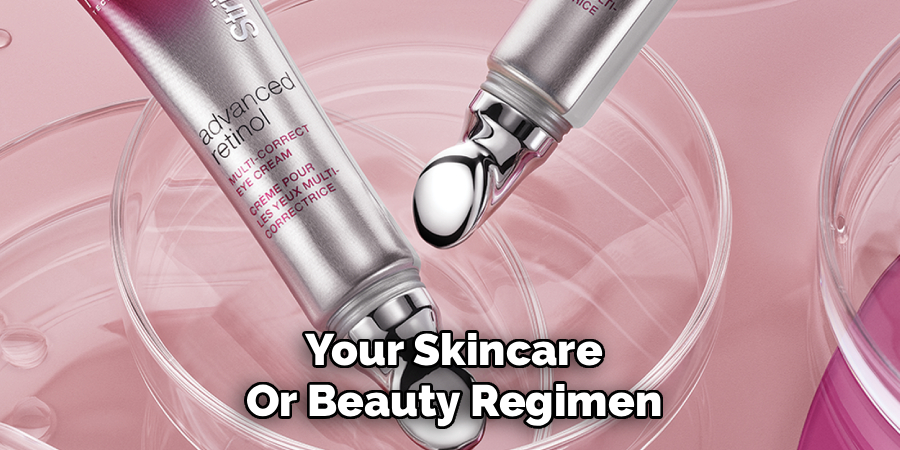
Rushing this step can compromise the efficacy of the eye cream and ruin your makeup application, leading to patchy concealer or foundation that slides off throughout the day. During this brief wait, you can brush your teeth or apply body lotion to maximize your time. Allowing the StriVectin formula to set ensures that the barrier-strengthening NIA-114™ has time to lock into the skin, creating a primed and hydrated surface that looks refreshed and is ready for the rest of your skincare or beauty regimen.
Step 7: Apply Twice Daily for Best Results
Consistency is the secret to seeing real, visible changes in your skin, so make applying your StriVectin eye cream a non-negotiable part of both your morning and evening routines. In the morning, the cream helps to depuff tired eyes, brighten dark circles, and protect the delicate skin from environmental stressors and dehydration throughout the day. At night, the regenerative ingredients work in tandem with your body’s natural repair cycle to rebuild collagen and smooth fine lines while you sleep.
Skipping applications or only using the product sporadically will significantly delay results and may prevent you from seeing the full potential of the formula. Skincare is a cumulative process; the benefits build upon one another with regular use over weeks and months. By committing to a twice-daily schedule, you ensure a continuous supply of peptides and hydration to the eye area, keeping the skin resilient, firm, and youthful-looking over the long term.
Following these steps on how to use Strivectin eye cream can help you achieve your desired results and maintain them for the long run. As with any skincare product, consistency is key, and incorporating Strivectin eye cream into your daily routine will give you the best chance of seeing noticeable improvements.
Common Side Effects and How to Manage Them
While StriVectin products are tested for safety, the potent nature of NIA-114™ can sometimes cause a temporary flushing or warming sensation, especially for new users. This effect is known as the “niacin flush” and typically subsides within an hour as the skin builds tolerance to the active ingredients. Some users may experience mild redness or slight tingling upon application, which usually indicates the product is working, but can be alarming if you aren’t expecting it.
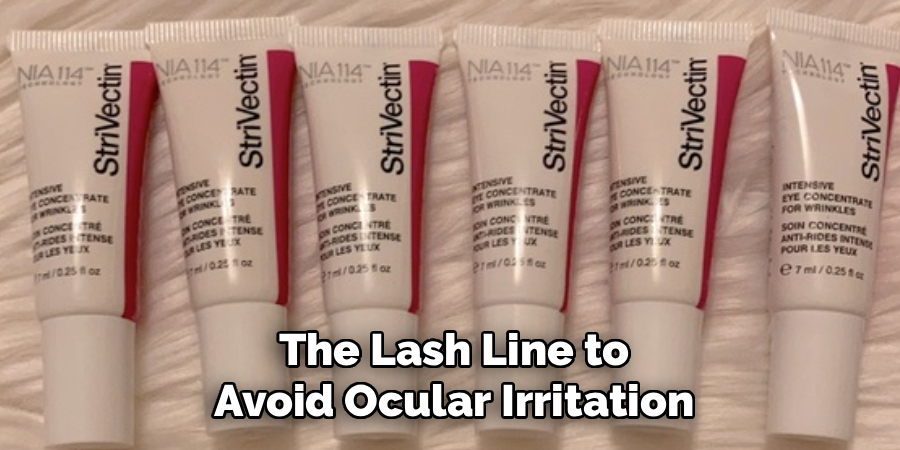
To manage this, start by using the cream once every other day to let your skin acclimate, gradually increasing to twice daily usage. If you experience persistent itching, swelling, or burning, discontinue use immediately and rinse with cool water, as this may indicate an allergic reaction rather than a standard adjustment period. Always ensure you are not applying the product too close to the lash line to avoid ocular irritation.
Common Mistakes to Avoid
Many users apply far too much pressure during application, tugging at the skin,n which creates new wrinkles rather than preventing them. Another frequent error is applying the cream immediately before bed without waiting for it to absorb, causing it to wipe off on pillows or migrate into the eyes during sleep.
Users often place the cream too close to the eye itself, leading to tearing and irritation that is mistaken for an allergic reaction. Finally, giving up too soon is a mistake; anti-aging results typically require 4-8 weeks of consistent use to become visible.
Frequently Asked Questions
Q1: Can I Use StriVectin Eye Cream Under Makeup?
A1: Yes, StriVectin eye cream is formulated to sit beautifully under makeup and can actually improve the application of concealers. Because it hydrates and smoothes the under-eye area, it acts as a primer that prevents makeup from settling into fine lines or looking cakey. However, it is crucial to let the cream fully absorb for at least 60 to 90 seconds before applying any cosmetics. If you apply concealer while the cream is still wet, the two products may mix, causing the makeup to slide, streak, or pill. For the best finish, tap the cream in gently and wait until the surface feels dry and velvety to the touch.
Q2: Is StriVectin Eye Cream Safe for Sensitive Eyes?
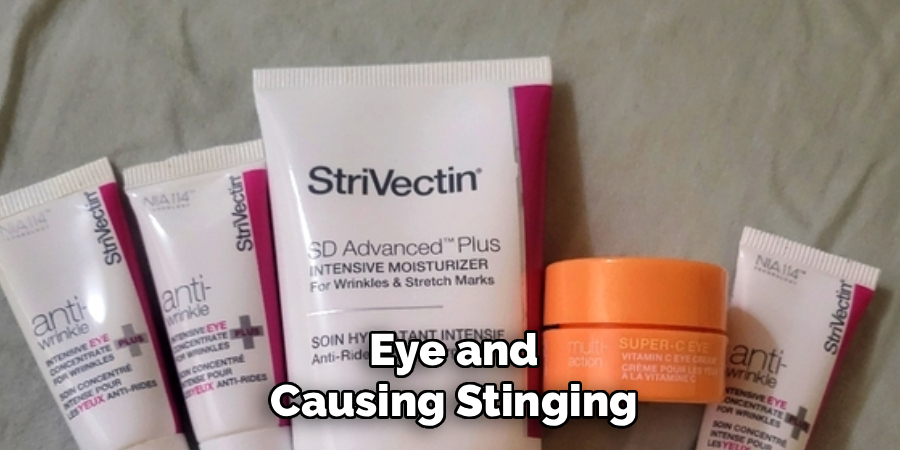
A2: StriVectin eye creams are ophthalmologist-tested, meaning they have been evaluated by eye specialists to ensure they are safe for use around the eyes, including for contact lens wearers. However, “safe” does not mean immune to sensitivity, especially given the potent active ingredients like NIA-114™ and peptides. If you have a history of highly reactive skin or eye conditions, it is always wise to perform a patch test on your neck or behind your ear before full application. Additionally, strict adherence to proper placement—along the orbital bone and not on the eyelids—is essential to prevent the product from migrating into the eye and causing stinging.
Conclusion
Mastering the application of StriVectin Eye Cream is the key to unlocking its full anti-aging potential. By following these simple steps on how to use Strivectin eye cream—cleansing, using the right amount, and applying gently along the orbital bone—you ensure that the potent ingredients can work effectively without causing irritation.
Consistency is your greatest ally in skincare; sticking to a twice-daily routine will yield the best long-term results, helping you achieve a brighter, firmer, and more youthful gaze.

About the Author
Jane Hubbard is a passionate beauty expert with a wealth of experience in makeup, hair, and overall beauty techniques. After years of working as a hairdresser specialist, she followed her entrepreneurial spirit and started her own consultancy business.
Jane has always been driven by her desire to help others feel confident in their own skin, and she does this by sharing her knowledge, experiences, and practical beauty tips. Through her consultancy, she empowers individuals to embrace their unique beauty, offering tailored guidance that boosts both self-esteem and personal style.
Professional Focus
- Specializes in makeup, hairstyling, and beauty consulting.
- Provides personalized beauty advice, tips, and techniques to help individuals feel confident in their appearance.
- Dedicated to staying up-to-date with the latest industry trends and developments.
- Passionate about creating a comfortable and empowering experience for every client.
Education History
- University of Craft and Design – Bachelor of Fine Arts (BFA) in Woodworking and Furniture Design
- Woodworking Apprenticeships – Extensive hands-on training with skilled craftsmen to refine carpentry and furniture making techniques
- Online Courses & Masterclasses – Continued education in advanced woodworking techniques, design principles, and specialized tools
Expertise:
- Makeup artistry, hairstyling, and beauty consulting.
- Personalized beauty techniques to enhance confidence and self-expression.
- Educating clients on how to maintain their beauty routines at home.