

Texture powder is a game-changer for anyone looking to add volume, grit, and hold to their hairstyle without the heaviness of gels or waxes. It works like magic, transforming flat, lifeless strands into a gravity-defying masterpiece in seconds. However, that same staying power can become a nightmare when it’s time to wash it out. If you have ever stepped out of the shower only to find your hair still feeling sticky, gritty, or weighed down, you are not alone. This is a common struggle for styling enthusiasts everywhere.
The unique formulation of texture powder—often silica-based—is designed to cling to the hair shaft to create friction. While this is fantastic for styling, it means that a simple rinse with water won’t cut it. You need a targeted approach to dissolve the product completely and restore your hair’s natural softness. If you don’t remove it properly, you risk product buildup, which can lead to a dry, itchy scalp and dull-looking hair over time.
In this how to wash out texture powder guide we will walk you through the effective way so you can learn better care about your skin.
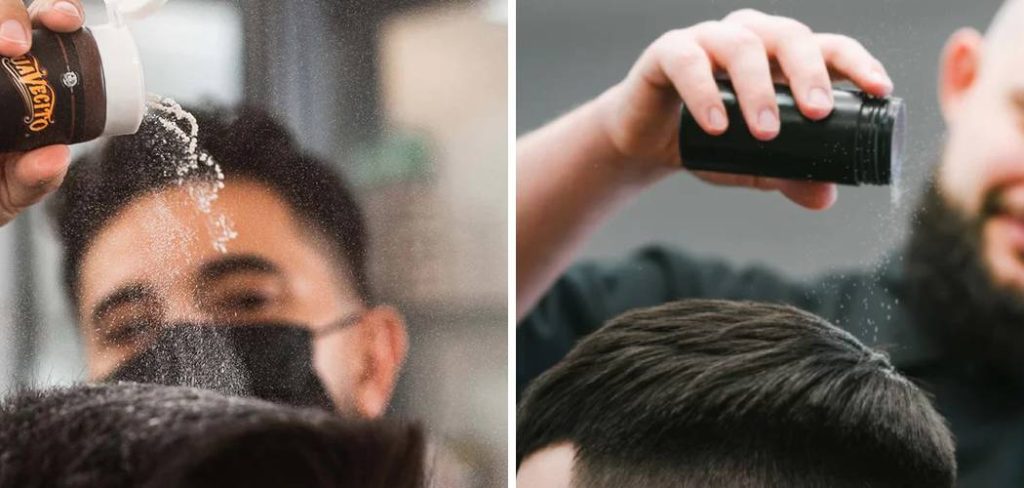
Step-by-Step Guide on How to Wash Out Texture Powder
Step 1: Rinse Thoroughly with Warm Water
Before you even reach for your shampoo bottle, the first and most critical step is a comprehensive rinse. You want to use warm water for this stage—not scalding hot, which can damage your hair, but warm enough to help open up the hair cuticles and loosen the grip of the silica particles. Stand under the water for at least a full minute, letting the stream run through your hair while you use your fingers to gently agitate the scalp.
This initial rinse helps to dislodge the bulk of the surface-level powder. Think of this as the pre-wash phase; you are mechanically removing the “easy” layer of product so your shampoo can focus on the stubborn residue left behind. If you skip this or rush through it, you are just mixing shampoo with a mountain of grit, which makes the cleaning process much harder than it needs to be.
Step 2: Apply a Clarifying Shampoo
Standard moisturizing shampoos might not be strong enough to tackle the grip of texture powder. For this specific task, you need a clarifying shampoo. These formulas are designed with stronger surfactants meant to strip away heavy buildup, oils, and stubborn styling products. Pour a generous amount into your palms—slightly more than you would use for a regular wash—and emulsify it between your hands before applying it to your head. Focus on the roots where texture powder tends to congregate.
If you don’t have a clarifying shampoo on hand, a volumizing shampoo is a decent backup because they typically rinse cleaner than moisturizing varieties. The goal here is to use a product that focuses on deep cleaning rather than coating the hair with silicones or oils, which would only trap the powder further against the hair shaft.
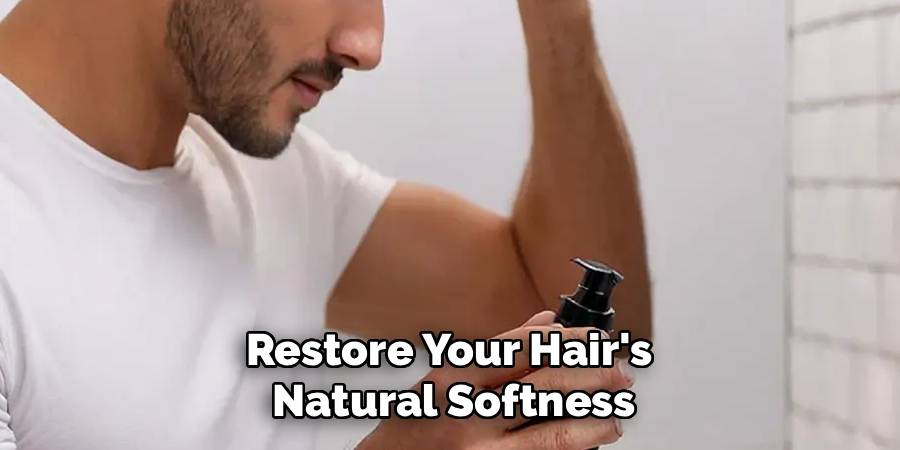
Step 3: Massage the Scalp Vigorously
Now that the shampoo is applied, the mechanics of how you wash matter immensely. Texture powder doesn’t just sit on top of the hair; it nestles deep near the scalp to create that lift at the root. Therefore, you need to physically work the shampoo into those areas. Using the pads of your fingers (never your nails, which can scratch and irritate the scalp), massage your scalp in small, circular motions.
Be thorough and methodical, working from the front of your hairline all the way back to the nape of your neck. This mechanical action helps to break down the friction-causing particles of the powder. You should spend at least two to three minutes on this massage. If the shampoo isn’t lathering well, that is a sign it is fighting through a lot of product. Rinse and repeat the shampoo application until you get a rich, foamy lather, indicating the grease and grit are lifting.
Step 4: Rinse and Repeat if Necessary
One round of shampooing is rarely enough when dealing with high-hold styling products like texture powder. After your vigorous massage, rinse the hair completely with warm water until the suds disappear. Run your hands through your wet hair. Does it still feel gritty or stiff? If so, you must go in for a second round. This is often referred to as “double cleansing” in the hair care world.
The first wash breaks down the surface dirt and the bulk of the product, while the second wash actually cleans the hair and scalp. Do not be afraid to repeat the process; leaving residue behind is far worse for your hair health than washing it twice. During this second wash, you should notice the shampoo lathers much more easily and quickly, which is a good visual indicator that the heavy lifting is done and your hair is getting truly clean.
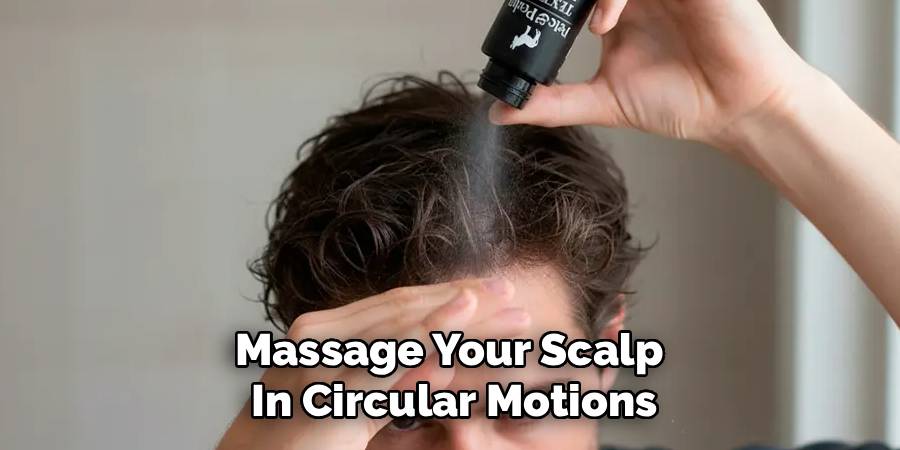
Step 5: Apply a Hydrating Conditioner
Clarifying shampoos and the process of scrubbing out texture powder can be quite drying. The powder itself absorbs moisture to create texture, and the deep cleaning strips natural oils along with the product. To restore balance, you must follow up with a high-quality hydrating conditioner. Apply the conditioner primarily to the mid-lengths and ends of your hair, avoiding the scalp if you have fine hair to prevent weighing it down immediately.
Let the conditioner sit for three to five minutes to allow the moisture to penetrate the hair shaft. This step detangles the hair and smoothes the cuticle down, which might have been roughed up during the scrubbing process. If your hair feels particularly dry or straw-like after the wash, you might even consider using a deep conditioning mask instead of a regular conditioner to provide an intense moisture boost and restore elasticity.
Step 6: Detangle Gently with a Wide-Tooth Comb
While the conditioner is still in your hair, this is the safest time to deal with any tangles. Texture powder works by creating friction, which essentially means it creates controlled tangles to build volume. As a result, your hair might be knottier than usual during the washing process. Do not go in with a brush or a fine-tooth comb, as wet hair is fragile and prone to snapping. Instead, take a wide-tooth comb or use your fingers to gently work through knots, starting from the very ends of your hair and slowly working your way up toward the roots.
The slip from the conditioner will make this much easier. If you encounter a stubborn knot, add a little more conditioner to that specific spot and massage it gently until it loosens. This patience prevents breakage and ensures your hair remains healthy and strong after the harsh removal of styling products.
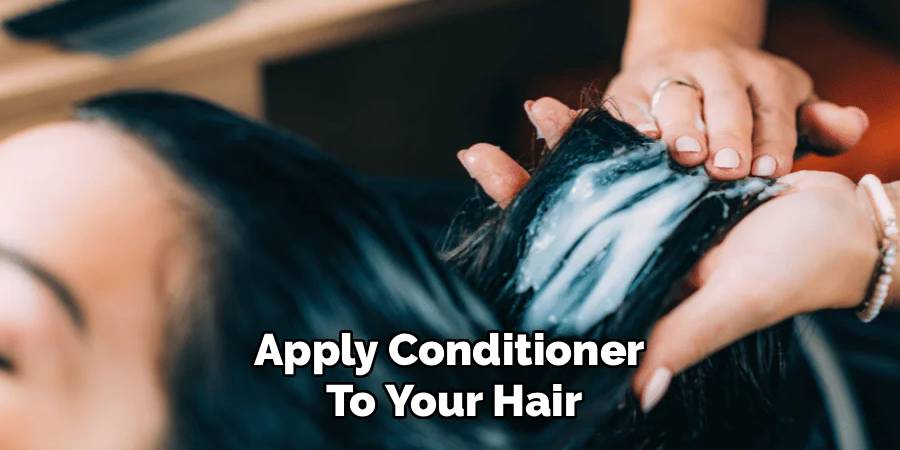
Step 7: Cool Rinse and Dry
The final step in the washing process is the cool rinse. Turn the water temperature down to cool (it doesn’t have to be freezing) for the final rinse of your conditioner. Cold water helps to seal the hair cuticle, locking in the moisture from the conditioner and adding natural shine. It also feels refreshing on the scalp after the vigorous scrubbing you just performed. Ensure all traces of conditioner are gone, as any residue can attract dirt and make your hair look greasy faster.
Once you are out of the shower, gently pat your hair with a microfiber towel or an old cotton t-shirt. Avoid rubbing aggressively with a rough bath towel, which causes frizz and breakage. By treating your hair gently now, you ensure that it dries soft, clean, and free of any gritty residue, perfectly prepped for whatever style you choose next.
Frequently Asked Questions
Can I Use Dish Soap To Remove Texture Powder?
While you may see advice on internet forums suggesting dish soap for stubborn product buildup, it is generally not recommended for regular use on hair. Dish soap is formulated to strip grease off pots and pans, which means it has a very high pH level that is extremely harsh on human hair and skin.
How Often Should I Wash My Hair If I Use Texture Powder Daily?
If you are applying texture powder every single day, you likely need to wash your hair more frequently than someone who does not use styling products. Ideally, you should aim to wash your hair every two to three days to prevent excessive buildup. Layering powder on top of powder day after day can clog hair follicles and inhibit healthy hair growth.
Will Texture Powder Cause Hair Loss If Not Washed Out?
Texture powder itself does not directly cause hair loss, but improper hygiene regarding the product can lead to issues that affect hair growth. If you fail to learn how to wash out texture powder properly, the accumulation of silica and other ingredients can clog the pores on your scalp. Clogged follicles can become inflamed (folliculitis) or simply unhealthy, which can hinder the growth of new hair or cause existing hair to shed prematurely.
Is Baking Soda Safe To Use For Removal?
Baking soda is a popular home remedy for clarifying hair, and it can be effective at breaking down stubborn product buildup like texture powder. However, like dish soap, it must be used with caution. Baking soda has a high pH (around 9), which is much more alkaline than your hair’s natural pH (around 4.5-5.5). Using it too often can raise the hair cuticle too much, leading to friction, breakage, and dryness. If you choose to use a baking soda rinse, mix a tablespoon with water to form a paste, scrub the scalp gently, and rinse thoroughly.
What Should I Do If My Hair Still Feels Gritty After Washing?
If you have shampooed twice and conditioned, yet your hair still feels gritty or sticky, you might be dealing with a very stubborn formulation or excessive application. In this case, try applying a lightweight oil (like jojoba or argan oil) to your dry hair before you shower next time. The oil can help break down the product residues that water and surfactants are struggling to lift. Massage the oil into the gritty areas and let it sit for 15 minutes. Then, hop in the shower and apply shampoo directly to the oily hair before adding water.
Conclusion
Mastering the art of using texture powder creates incredible volume and style, but knowing how to remove it is just as important for the long-term health of your hair. It is not just about hygiene; it is about maintaining a clean canvas so your styling products can work effectively every time you use them. By incorporating a thorough rinse, utilizing the power of a clarifying shampoo, and ensuring you restore moisture with a quality conditioner, you can enjoy all the benefits of gritty, voluminous hair without the downside of chronic buildup.

About the Author
Jane Hubbard is a passionate beauty expert with a wealth of experience in makeup, hair, and overall beauty techniques. After years of working as a hairdresser specialist, she followed her entrepreneurial spirit and started her own consultancy business.
Jane has always been driven by her desire to help others feel confident in their own skin, and she does this by sharing her knowledge, experiences, and practical beauty tips. Through her consultancy, she empowers individuals to embrace their unique beauty, offering tailored guidance that boosts both self-esteem and personal style.
Professional Focus
Specializes in makeup, hairstyling, and beauty consulting.
Provides personalized beauty advice, tips, and techniques to help individuals feel confident in their appearance.
Dedicated to staying up-to-date with the latest industry trends and developments.
Passionate about creating a comfortable and empowering experience for every client.
Education History
University of Craft and Design – Bachelor of Fine Arts (BFA) in Woodworking and Furniture Design
Woodworking Apprenticeships – Extensive hands-on training with skilled craftsmen to refine carpentry and furniture making techniques
Online Courses & Masterclasses – Continued education in advanced woodworking techniques, design principles, and specialized tools
Expertise:
Makeup artistry, hairstyling, and beauty consulting.
Personalized beauty techniques to enhance confidence and self-expression.
Educating clients on how to maintain their beauty routines at home.