

Pairing a headband with a fringe, or bangs, can sometimes feel like a style puzzle. You want to add a chic accessory without disrupting your carefully styled fringe.
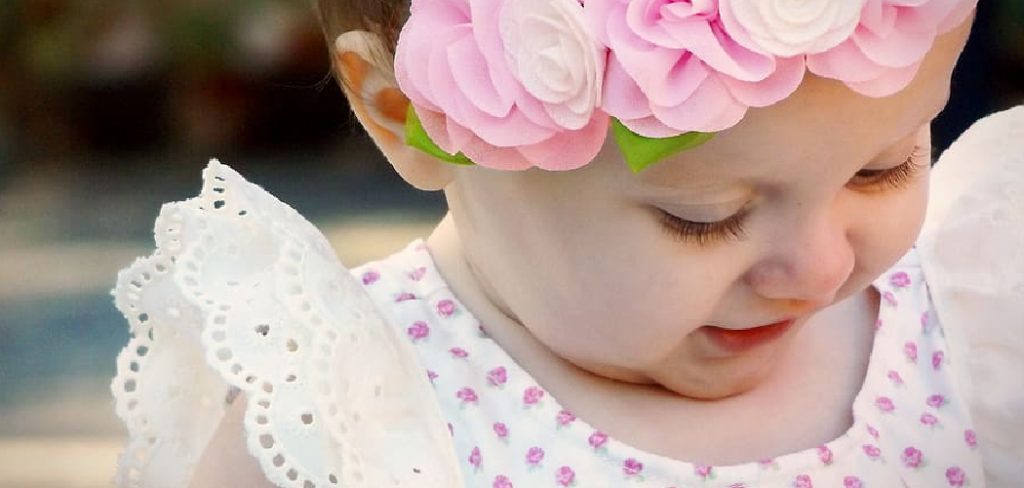
The good news is that it’s not only possible but also a fantastic way to elevate your look. This combination allows you to enjoy the practical benefits of a headband while showcasing your fringe. Whether you have blunt bangs, curtain bangs, or wispy ones, a headband can be the perfect finishing touch.
In this guide on how to wear a headband with a fringe, we will cover some tips and tricks to help you achieve a stylish and effortless look. Let’s get started!
What are the Benefits?
Wearing a headband with a fringe strikes a balance between style and practicality. It’s an easy way to add a pop of color, texture, or sparkle to your outfit, instantly making your hairstyle more interesting. Headbands are excellent for keeping the rest of your hair neatly pulled back and away from your face, which is especially useful on windy days or when you need to focus. For those growing out their fringe, a strategically placed headband can help manage that awkward in-between stage, taming unruly strands while keeping the style intentional.
What Will You Need?
To achieve the perfect look, you’ll need a few simple tools and products. Having these items ready will make the styling process smooth and ensure your hairstyle lasts all day.
- A headband of your choice (thin, thick, embellished, or plain)
- A comb or brush
- Dry shampoo (optional, for adding volume and texture)
- Light-hold hairspray
- A few bobby pins that match your hair color (optional, for extra security)
10 Easy Steps on How to Wear a Headband with a Fringe
Follow this guide to master the art of pairing a headband with your fringe.
Step 1: Prepare Your Hair
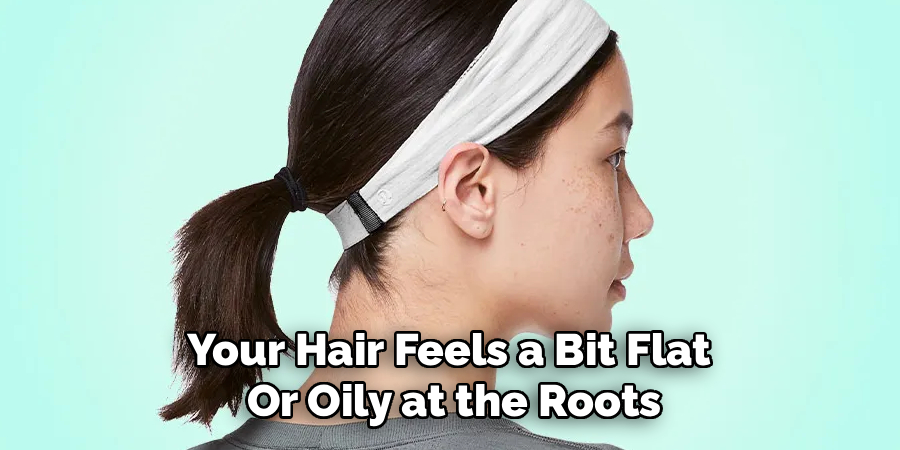
Start with clean, dry hair. If your hair is freshly washed, it might be too soft and slippery. A great tip is to work with second-day hair, as it has more natural texture and grip. If your hair feels a bit flat or oily at the roots, apply a small amount of dry shampoo to help refresh it. This will absorb excess oil and give your hair a volume boost, creating a better base for the headband to sit on. Brush through your hair to remove any tangles and ensure it’s smooth.
Step 2: Section Off Your Fringe
The key to this look is to separate your fringe from the rest of your hair. Use a comb to create a clean part, isolating all the shorter pieces that make up your bangs. You want to make sure no longer strands of hair are mixed in. Gently clip the rest of your hair back and away from your face. This step ensures that when you place the headband, your fringe stays exactly where you want it: in front.
Step 3: Style Your Fringe
Now, focus on your fringe. How you style it will define the final look. You can straighten it for a sleek, polished appearance, or give it a slight curl for a softer, more romantic vibe. For curtain bangs, use a round brush and a blow dryer to sweep them to the sides. Use your fingers to position the strands exactly how you like them. If your fringe tends to be unruly, a tiny amount of light-hold hairspray or styling cream can help tame flyaways.
Step 4: Position the Headband
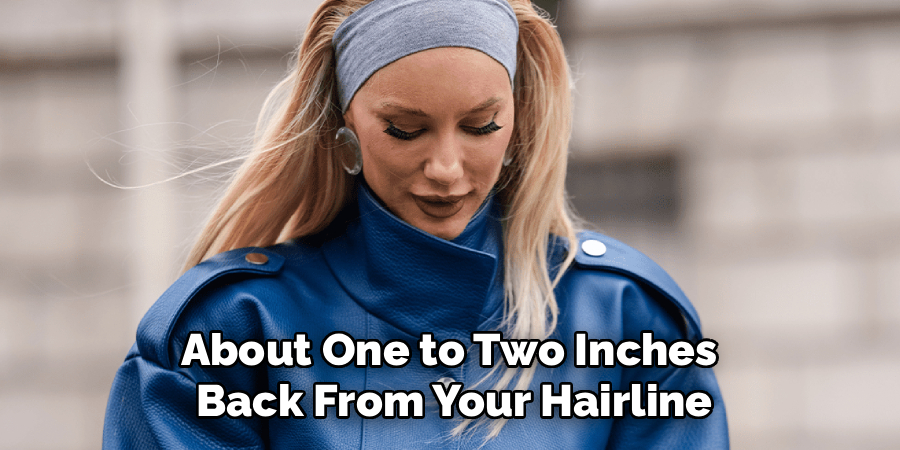
With your fringe styled and separated, it’s time to place the headband. Take the headband and slide it over your head. Position it about one to two inches back from your hairline, behind where your fringe begins. The goal is to have the headband rest on your head, holding back the longer sections of your hair while leaving your fringe completely free and untouched in the front. Avoid placing it too far back, as this can look unbalanced.
Step 5: Adjust for Comfort and Fit
Gently adjust the headband until it feels secure but not too tight. A headband that’s too snug can cause a headache over time. The ends of the headband should sit comfortably behind your ears. If you have a plastic or metal headband, you can sometimes gently bend it to better fit the shape of your head. For fabric headbands, ensure the material is lying flat and isn’t bunched up.
Step 6: Secure the Headband
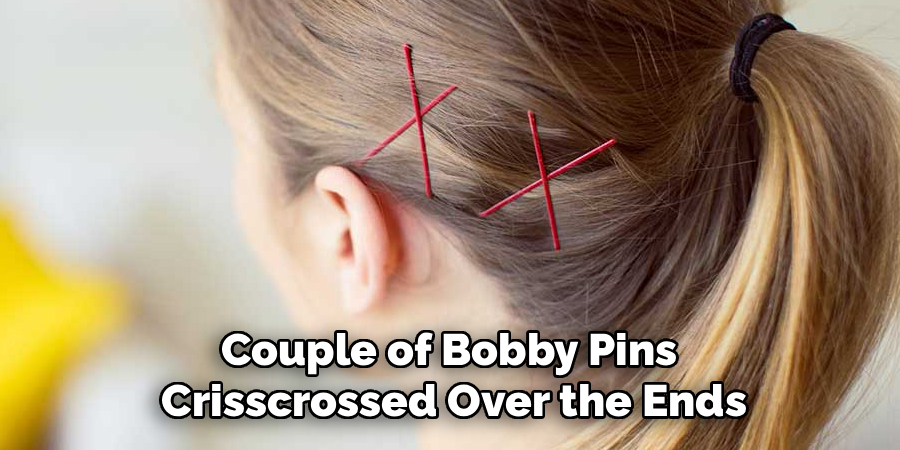
If your hair is particularly fine or silky, your headband might have a tendency to slip. To prevent this, you can use a couple of bobby pins for extra security. Criss-cross two bobby pins just behind your ears, over the ends of the headband. This simple trick will lock it in place, so you won’t have to worry about it moving throughout the day. Choose pins that match your hair color to keep them hidden.
Step 7: Arrange the Hair Behind the Headband
Unclip the rest of your hair. Now you can decide how you want to style it. You can leave it down for a simple, casual look, or you can create a bit of volume by gently teasing the hair at the crown, right behind the headband. This “bump” adds a touch of retro glamour and prevents your hair from looking flat. Use a comb to gently backcomb the roots, then smooth the top layer over.
Step 8: Final Fringe Check
Look in the mirror and check on your fringe. After placing the headband and arranging your hair, your bangs might have shifted slightly. Use your fingers or a comb to gently guide them back into place. Make sure they are lying smoothly and in the direction you want. This is your last chance to perfect the front of your hairstyle before setting it.
Step 9: Set Your Style
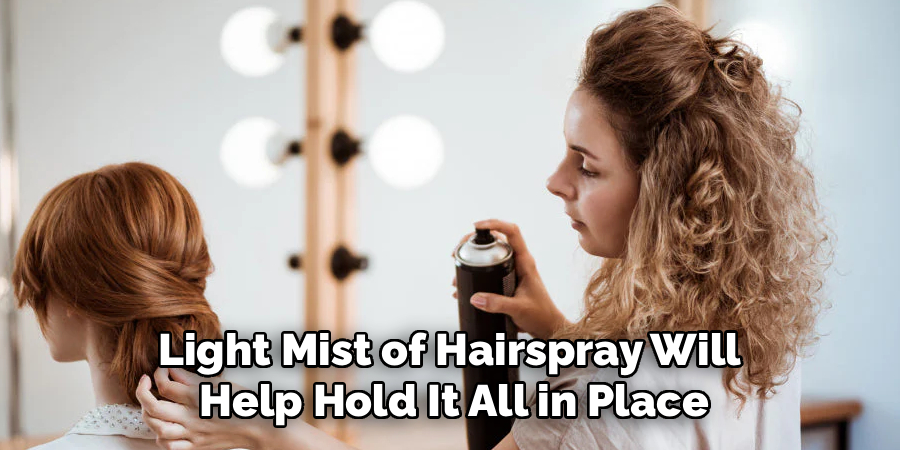
Once you are happy with how everything looks, a light mist of hairspray will help hold it all in place. Choose a flexible-hold formula to avoid a stiff or crunchy feeling. Spray from about six inches away, focusing on the area around the headband and the hair at the crown. This will help tame any remaining flyaways and ensure your polished look lasts for hours.
Step 10: Choose Your Overall Hairstyle
The final step is to decide on the rest of your hairstyle. This look is incredibly versatile. You can leave your hair down, flowing freely over your shoulders. For a more polished or professional look, gather your hair into a low ponytail or a chic bun at the nape of your neck. A messy top knot can also work for a more relaxed, weekend vibe. The headband and fringe combination pairs well with almost any hairstyle you can imagine.
5 Things You Should Avoid
- Placing the Headband on Your Fringe: Never push your fringe back with the headband. The look is about showcasing your bangs, not hiding them. Always place the headband behind your fringe.
- Using a Very Tight Headband: Avoid headbands that pinch or squeeze. They can cause headaches and leave visible marks on your skin and hair. Comfort is key for all-day wear.
- Forgetting to Add Volume: Flat hair behind a headband can make your head look smaller and the style appear unbalanced. A little teasing at the crown makes a big difference.
- Choosing the Wrong Headband Width: A very wide headband can sometimes overwhelm a short or thin fringe. Similarly, a very thin one might get lost in thick hair. Experiment to find a width that complements your face shape and hair type.
- Overdoing the Hair Product: Using too much hairspray or gel can make your fringe look greasy or stiff. A light touch is all you need to keep things in place while maintaining natural movement.
Frequently Asked Questions
Can I Wear a Headband With Very Short Bangs?
Yes, you absolutely can. The key is to choose a thinner headband that won’t overpower your short fringe. Place it just behind your hairline to hold back the rest of your hair. This creates a clean separation and allows your short bangs to be the main feature, framing your face beautifully.
How Do I Stop My Headband From Slipping With a Fringe?
To prevent slippage, start with hair that isn’t freshly washed, as it provides more grip. Applying dry shampoo at the roots also adds texture. For extra security, use a couple of bobby pins crisscrossed over the ends of the headband, just behind your ears. This will keep it locked in place all day.
What Kind of Headband Works Best With Curtain Bangs?
Curtain bangs look great with almost any headband style. A classic, moderately thick headband placed an inch or two back from the hairline is a perfect choice. It holds back the main volume of your hair while allowing the curtain bangs to sweep gracefully to the sides, framing your face perfectly.
Conclusion
Wearing a headband with a fringe is a simple and stylish way to accessorize your hair. It’s a versatile look that combines fashion with function, allowing you to control your hair while highlighting one of your best features.
By following these steps and avoiding common mistakes, you can confidently rock this combination for any occasion. Don’t be afraid to experiment with different types of headbands and styles to find what works best for you.
Hopefully, the article on how to wear a headband with a fringe has given you some valuable insights and inspiration.

About the Author
Jane Hubbard is a passionate beauty expert with a wealth of experience in makeup, hair, and overall beauty techniques. After years of working as a hairdresser specialist, she followed her entrepreneurial spirit and started her own consultancy business.
Jane has always been driven by her desire to help others feel confident in their own skin, and she does this by sharing her knowledge, experiences, and practical beauty tips. Through her consultancy, she empowers individuals to embrace their unique beauty, offering tailored guidance that boosts both self-esteem and personal style.
Professional Focus
- Specializes in makeup, hairstyling, and beauty consulting.
- Provides personalized beauty advice, tips, and techniques to help individuals feel confident in their appearance.
- Dedicated to staying up-to-date with the latest industry trends and developments.
- Passionate about creating a comfortable and empowering experience for every client.
Education History
- University of Craft and Design – Bachelor of Fine Arts (BFA) in Woodworking and Furniture Design
- Woodworking Apprenticeships – Extensive hands-on training with skilled craftsmen to refine carpentry and furniture making techniques
- Online Courses & Masterclasses – Continued education in advanced woodworking techniques, design principles, and specialized tools
Expertise:
- Makeup artistry, hairstyling, and beauty consulting.
- Personalized beauty techniques to enhance confidence and self-expression.
- Educating clients on how to maintain their beauty routines at home.