

The sudden resurgence of iridescent cosmetics often leaves consumers feeling simultaneously fascinated and intimidated. These light-shifting formulas look undeniably mesmerizing while suspended inside a glass tube. Yet, translating that prismatic magic to the human face presents a unique set of mechanical challenges.
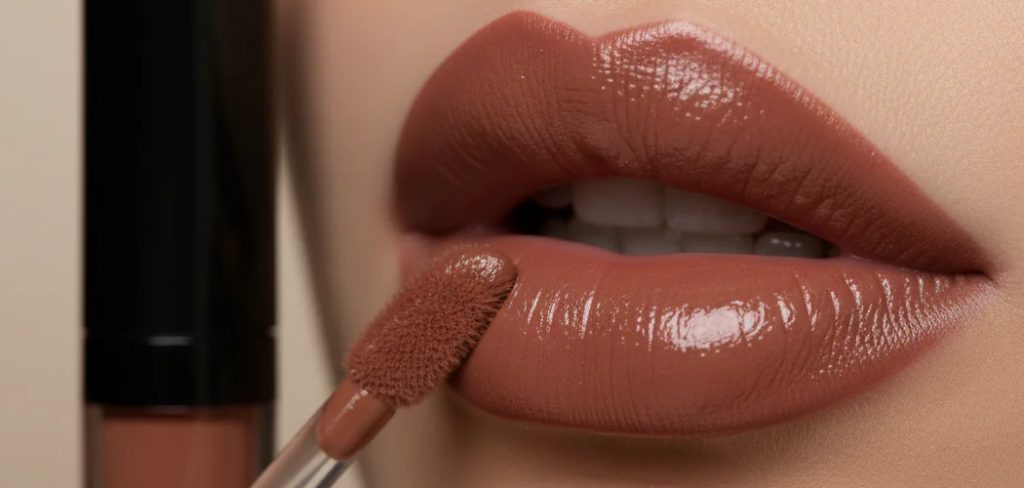
Most people abandon these products after a single, usually disastrous, application attempt. The frustration typically stems from treating these complex pigments like standard cream cosmetics. We must first understand that a flawless finish relies heavily on precise skin preparation.
This text aims to clarify the exact methodology required to master this futuristic aesthetic. We will explore how to wear holographic lipstick by analyzing the underlying chemistry and identifying the most effective application strategies. By the end of this discussion, pulling off this multidimensional trend might feel significantly less daunting.
Understanding Holographic Pigments
To apply these products correctly, one must first recognize what makes them structurally unique. These formulas do not simply coat the mouth in a flat layer of pigment. They interact dynamically with the surrounding environment.
The cosmetic industry frequently mislabels products, which only adds to the consumer’s confusion. Understanding the actual physics at play could prevent you from purchasing the wrong formula entirely.
How Light-Reflecting Particles Work
The shifting effect relies on microscopic pearls suspended within the fluid base of the cosmetic. As you move your head, these tiny prisms catch the ambient light from different environmental angles. This refraction creates a continuous, multidimensional color shift across the tissue.
The intensity of this refraction depends largely on the underlying surface tension. If the skin beneath the pigment is uneven, the light scatters chaotically rather than reflecting smoothly. This scattered light often translates visually as a chalky or patchy texture.
The Difference Between Metallic and Holographic
Consumers frequently conflate metallic finishes with true holographic effects. This misunderstanding might suggest why so many people struggle to achieve the desired aesthetic. Metallic lipsticks deposit a solid foil-like shine that remains entirely static.
A true holographic formula actually changes color depending on your physical relationship to the light source. It might appear icy blue straight on, but shift to a warm lavender as you turn your profile. This dynamic color change requires a very specific base to function optimally.
Preparing Your Lips for Iridescent Pigments
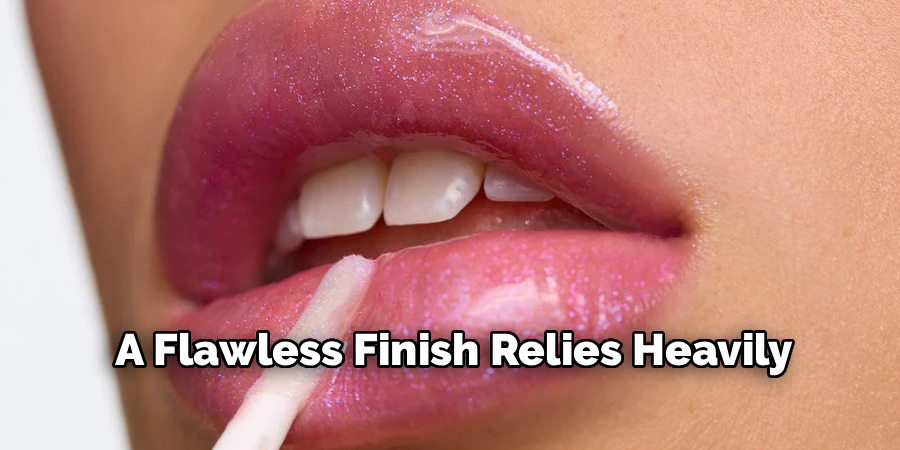
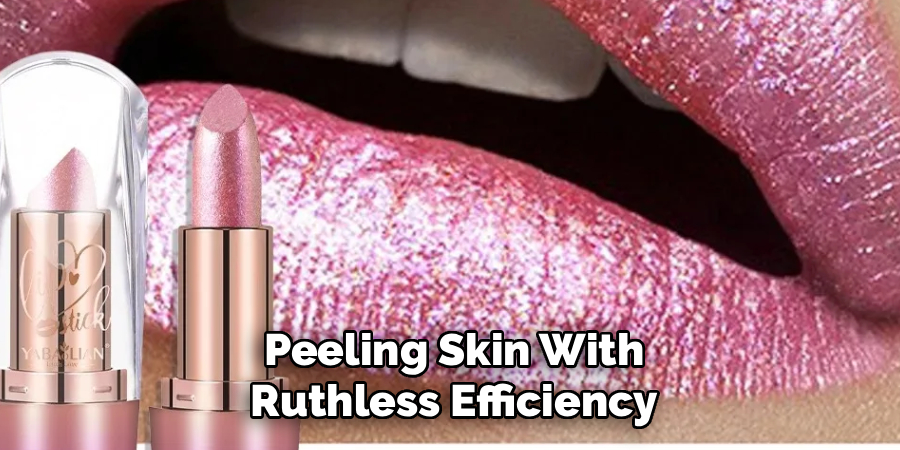
You cannot simply smear a prismatic gloss over a dry mouth and expect an editorial result. Highly reflective formulas act like magnifying glasses for every single microscopic flaw on your skin. They emphasize cracks and peeling skin with ruthless efficiency.
Preparation essentially dictates the final outcome. Skipping these foundational steps almost guarantees an uneven, uncomfortable application.
Exfoliating to Create a Smooth Canvas
The epidermis covering the mouth lacks the oil glands found on the rest of the face. This biological reality means dead skin cells accumulate rapidly and visibly. You must gently buff away this debris to create a completely smooth surface.
Using a mild sugar scrub or a soft, damp towel works exceptionally well for this task. Removing the dead cells ensures that the light-reflecting particles lay perfectly flat against the tissue. A flat particle reflects light brilliantly, whereas a tilted particle absorbs it.
Hydrating Without Greasiness
Following exfoliation, the raw skin requires immediate hydration. However, applying a heavy oil or thick ointment will actively sabotage your cosmetic efforts. The holographic pigments will simply slide around on top of the grease rather than adhering to the skin.
Apply a lightweight, water-based balm and allow it to sink into the tissue for ten minutes. You should then blot away any remaining surface residue with a clean tissue. This leaves the skin plump but relatively matte, creating the perfect grip for your color cosmetics.
Choosing the Right Shade and Formula
Navigating the overwhelming array of prismatic colors requires a bit of strategic thinking. The cosmetic market offers everything from subtle champagne shifts to aggressive, opaque alien greens. Matching these tones to your natural features is essential for a cohesive aesthetic.
Your comfort level with bold makeup should dictate your initial purchase. There is no reason to force a highly dramatic color if it makes you feel self-conscious.
Selecting Colors for Your Skin Tone
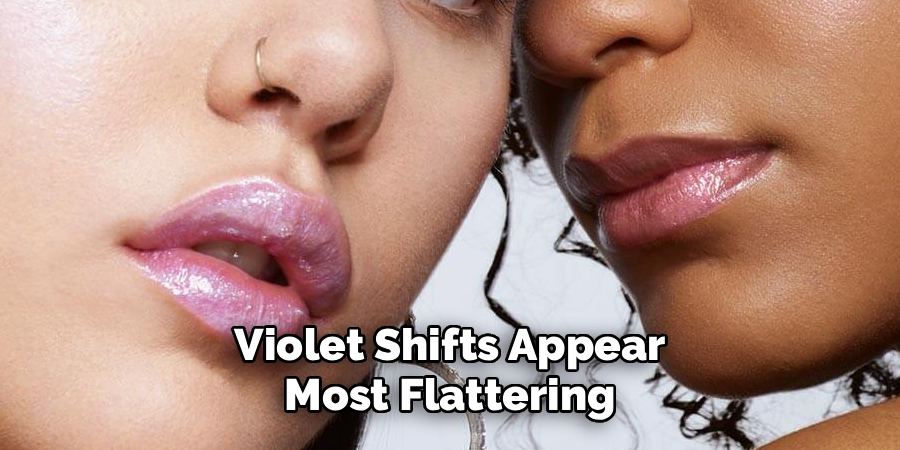
Undertones play a massive role in how a shifting pigment registers against your complexion. If your skin features cool or pink undertones, you might find that icy blue and violet shifts appear most flattering. These cool colors harmonize with the natural flush of your complexion.
Conversely, individuals with warm or golden undertones often look spectacular in peach and emerald shifts. Matching the primary shift of the cosmetic to the temperature of your skin creates a look that feels intentional rather than accidental.
Sheer Toppers vs. Opaque Formulas
The physical opacity of the product dramatically alters how it must be applied. Beginners generally find the most success utilizing a sheer holographic gloss as a topper. You can simply tap this transparent gloss over a familiar, everyday lip color for a subtle introduction to the trend.
Fully opaque liquid formulas present a much higher degree of difficulty. These intensely pigmented liquids dry down to a fixed state and require an incredibly precise application technique. They are best reserved for individuals who already possess a steady hand and a strong grasp of cosmetic geometry.
Step-by-Step Guide: How to Wear Holographic Lipstick
We have reached the mechanical core of the process. Theoretical knowledge only becomes useful when applied through deliberate physical action. This specific sequence prevents the pigments from bleeding or fracturing.
You must execute these steps methodically. Rushing the application will almost certainly compromise the delicate reflective surface.
Step 1: Applying a Neutral Lip Liner Base
A slippery iridescent pigment needs a physical barrier to keep it contained. You should line and fill your mouth with a pencil that closely matches your natural tissue. The waxy texture of the liner acts as an anchor for the volatile reflective particles.
This foundational layer also provides a uniform background color. It neutralizes any natural discoloration on your mouth, ensuring the holographic shift appears bright and true.
Step 2: Adding a Base Color (Optional)
If you are utilizing a sheer topper, this is the moment to establish your underlying contrast. Applying a dark base color under a light-shifting gloss creates a profound visual impact. The darkness absorbs the ambient light, allowing the prismatic surface reflections to pop with incredible intensity.
A deep berry or even a matte black liquid lipstick serves as an excellent foundation for this technique. The stark contrast tricks the human eye into perceiving a much deeper, more complex three-dimensional space.
Step 3: Layering the Holographic Product
When you finally apply the main product, you must abandon the standard swiping motion. Dragging an applicator across the skin pushes all the reflective pearls to the outer edges. This leaves the center of your mouth looking patchy and devoid of shimmer.
Instead, use a flat synthetic brush to press and tap the pigment gently onto the tissue. This tapping motion packs the pearls tightly together, building a dense, uniform wall of reflection.
Step 4: Focusing on the Cupid’s Bow and Center
You can maximize the three-dimensional illusion by manipulating the placement of the product. The human eye naturally interprets lighter, highly reflective areas as physically closer or fuller. We can exploit this optical phenomenon.
Dab a small, concentrated amount of extra product directly onto the center of your bottom lip. Follow this by tapping a tiny amount onto the very peak of your Cupid’s bow to simulate a much plumper, projected pout.
Step 5: Blending the Edges for a Seamless Look
A harsh, rigid line of iridescent pigment often looks severe and slightly dated. Softening the perimeter of the mouth integrates the bold cosmetic choice into the rest of your facial features. You want the shift to appear as though it is melting into your skin.
Take a clean fingertip or a dry blending brush and gently diffuse the outer edges of the application. This subtle blurring technique makes the futuristic color feel significantly more organic.
Step 6: Setting the Color for Long Wear
Securing the surrounding skin prevents the reflective particles from migrating throughout the afternoon. You must carefully apply a translucent setting powder to the skin immediately outside your lip line.
You should strictly avoid powdering the lips themselves. Any matte powder that touches the holographic formula will instantly kill the light reflection, entirely ruining the desired effect.
Choosing Complementary Makeup for the Face and Eyes
A highly reflective mouth demands a careful balancing act regarding the rest of your cosmetics. If every feature on your face competes for attention, the overall aesthetic becomes chaotic and overwhelming. You must allow the lips to serve as the undisputed focal point.
Strategic restraint is arguably the most difficult skill for makeup enthusiasts to master. Editing your choices elevates the final look.
Keeping the Base Makeup Fresh and Dewy
A heavy, completely matte foundation often looks jarring when paired with a glowing, prismatic lip. The contrast in textures feels disjointed. A luminous, sheer skin finish appears to suggest a much more cohesive, modern approach.
Skip the heavy baking techniques and rely on lightweight skin tints or liquid concealers. Keeping the epidermis looking like real skin anchors the fantasy element of the lipstick in reality.
Balancing Bold Lips with Subdued Eyes
The ancient cosmetic rule of emphasizing only one feature holds true here. If you wear an emerald-shifting lip, you should probably avoid a complex, multi-colored smoky eye. The resulting visual noise simply exhausts the viewer.
Pair the bold mouth with impeccably groomed eyebrows and a generous coat of simple black mascara. A neutral, matte taupe shadow blended softly into the eye crease provides enough structure without competing with the primary focal point.
Techniques to Prevent the Chalky Look
Even with perfect preparation, certain iridescent formulas tend to dry down into an uncomfortable, chalk-like finish. This chalkiness destroys the illusion of reflected light. Understanding how to manage the pigment load is critical for maintaining a beautiful texture.
You can usually rescue a failing application if you recognize the signs early.
Managing Pigment Buildup
The most frequent error involves applying too many consecutive layers of an opaque liquid formula. As the carrier fluids evaporate, the heavy microscopic pearls stack on top of one another. This dense stacking inevitably cracks when you stretch your mouth to smile or speak.
You must work in incredibly thin, sheer layers. Allowing the first sheer coat to dry completely before adding a second minimizes the risk of structural collapse.
Balancing Color with Clear Gloss
If you notice the formula beginning to look dry or pasty, you do not necessarily need to remove it. A strategic addition of moisture often revives the reflective properties. The dry pearls simply need a new fluid medium to suspend them.
Tap a single drop of high-shine, clear lip gloss strictly over the driest areas. This instant rehydration forces the pearls to lay flat again, restoring the multidimensional light shift immediately.
Taking Your Look from Day to Night
Many consumers relegate their prismatic cosmetics strictly to nighttime events or music festivals. This limitation seems entirely unnecessary. With a few subtle adjustments, these complex pigments can absolutely function within a daytime environment.
The versatility of the product relies entirely on your application technique and chosen base colors.
Subtle Daytime Shimmer
For a wearable afternoon look, you should completely abandon the opaque formulas. A sheer holographic gloss provides a beautiful, unexpected catch of light without overwhelming your face. The effect should look like a delicate optical illusion.
Dab a minuscule amount of the gloss solely in the center of a bare, heavily moisturized mouth. As you speak, the light will occasionally catch the pearls, offering a soft nod to the trend that remains appropriate for a casual setting.
Building Drama for Evening Events
When the sun sets, you can exploit the lack of natural light by dialing up the artificial contrast. Low-light environments require aggressive color choices to register visually. This is the perfect environment for the dark base technique discussed earlier.
Layering your shifting pigment over a matte black or deep navy base creates an incredibly rich, jewel-toned effect. The resulting aesthetic feels deeply sophisticated and entirely appropriate for formal evening events.
Conclusion
Successfully executing complex cosmetic trends does not require professional training, but it does demand a methodical approach. Attempting to force a highly reflective pigment onto unprepared skin will always result in a patchy, frustrating mess. Proper exfoliation, strategic hydration, and a solid waxy base liner are the non-negotiable foundations of this aesthetic.
Understanding how to wear holographic lipstick essentially boils down to respecting the physics of light reflection. By utilizing a tapping motion and carefully balancing the rest of your facial cosmetics, you can integrate this futuristic style seamlessly. Grab your favorite iridescent gloss, experiment with a dark underlying base, and approach this unique beauty trend with educated confidence.

About the Author
Jane Hubbard is a passionate beauty expert with a wealth of experience in makeup, hair, and overall beauty techniques. After years of working as a hairdresser specialist, she followed her entrepreneurial spirit and started her own consultancy business.
Jane has always been driven by her desire to help others feel confident in their own skin, and she does this by sharing her knowledge, experiences, and practical beauty tips. Through her consultancy, she empowers individuals to embrace their unique beauty, offering tailored guidance that boosts both self-esteem and personal style.
Professional Focus
Specializes in makeup, hairstyling, and beauty consulting.
Provides personalized beauty advice, tips, and techniques to help individuals feel confident in their appearance.
Dedicated to staying up-to-date with the latest industry trends and developments.
Passionate about creating a comfortable and empowering experience for every client.
Education History
University of Craft and Design – Bachelor of Fine Arts (BFA) in Woodworking and Furniture Design
Woodworking Apprenticeships – Extensive hands-on training with skilled craftsmen to refine carpentry and furniture making techniques
Online Courses & Masterclasses – Continued education in advanced woodworking techniques, design principles, and specialized tools
Expertise:
Makeup artistry, hairstyling, and beauty consulting.
Personalized beauty techniques to enhance confidence and self-expression.
Educating clients on how to maintain their beauty routines at home.