

Are you struggling to find a comfortable way to sleep with your locs? Look no further! In this guide, we will go through some tips and tricks on how to sleep with locs without compromising their shape and health.
Getting a good night’s sleep is essential for overall well-being, which holds for those with locs. Whether you’re a seasoned loc wearer or new to the journey, understanding how to care for your locs appropriately while you sleep can significantly affect their health and longevity.
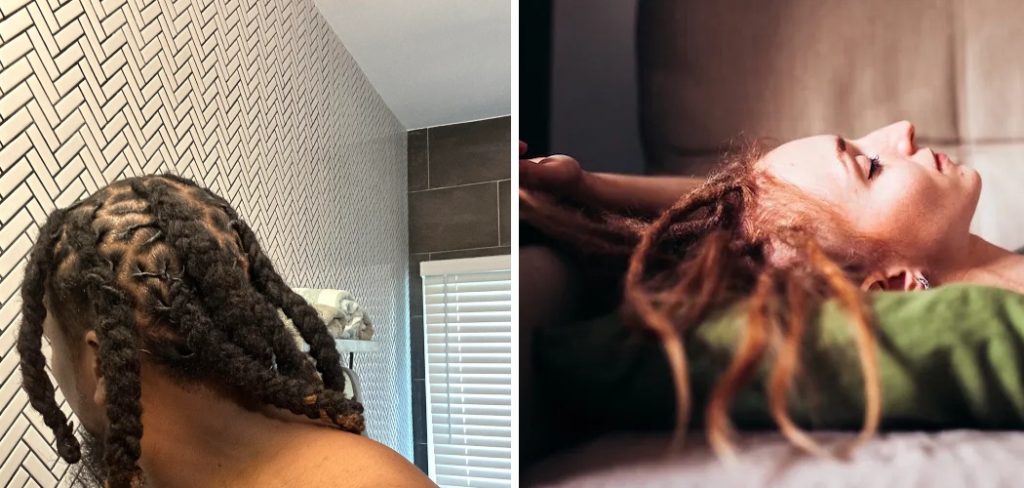
In this section, we’ll explore techniques to help you protect your locs during sleep, ensuring a restful night while maintaining the beauty and integrity of your loc journey. So, let’s dive in and discover the secrets to sleeping with locs for a peaceful slumber and thriving locs in the morning.
What Are the Benefits of Sleeping With Locs?
Before we jump into the tips and tricks, let’s first understand why caring for your proper locs is essential while you sleep. Here are some benefits of sleeping with locs:
- Reduce Frizz: Tossing and turning while asleep can cause frizz in any hair type, including locs. By following proper techniques, you can minimize frizz and maintain a neat appearance.
- Prevent Breakage: Improper sleeping habits, such as lying on your locs or using harsh materials like cotton pillowcases, can lead to breakage. Protecting your locs while sleeping helps prevent unnecessary damage.
- Maintain Shape: Just like any hairstyle, maintaining the shape of your locs is crucial for a polished look. By taking care while sleeping, you can preserve the shape and texture of your locs.
- Promote Healthy Growth: When we sleep, our bodies repair and regenerate cells, including our hair follicles. You can promote healthy growth and length retention by ensuring proper care and protection for your locs while sleeping.
What Will You Need?
Before we dive into the tips, let’s gather the necessary items to make sleeping with locs easier and more comfortable:

- Satin or Silk Pillowcase: These materials are gentle on hair and help reduce friction, preventing frizz and breakage.
- Satin or Silk Head Wrap or Bonnet: If you prefer to wrap your head while sleeping, choose a satin or silk material. It will keep your locs in place without causing any damage.
- Loc-Friendly Hair Tie: If you need to tie up your locs, use a hair tie that won’t snag or pull on your locs.
Now that we have everything we need, let’s dive into the tips and techniques for sleeping with locs.
9 Easy Steps on How to Sleep With Locs
Step 1: Tie Your Locs
To protect your locs while you sleep, it’s important to tie them up properly. Here’s how:
- Gather Your Locs: Use your hands to gently gather your gently locs, bringing them all together at the top or back of your head.
- Choose a Hair Tie: Select a hair tie that is gentle on your locs and won’t cause any damage or breakage. Avoid tight rubber bands or any accessories with metal parts that can snag or pull on your locs.
- Wrap the Hair Tie Around Your Locs: Securely wrap the hair tie around your gathered locs, ensuring it’s tight enough to keep them in place but not too tight to create tension.
- Adjust as Needed: If you feel any discomfort or tension, adjust the tightness of the hair tie to ensure it’s comfortable while keeping your locs secure.

By tying your locs appropriately, you’ll prevent them from unraveling or getting tangled while you sleep, promoting healthy growth and maintaining the desired style.
Step 2: Choose the Right Pillowcase
When protecting your locs while you sleep, the type of pillowcase you use can make a significant difference. Opt for pillowcases made from smooth and soft materials like satin or silk. These fabrics help reduce friction and minimize the risk of your locs getting tangled or damaged during the night. Unlike cotton pillowcases, which can create friction and cause moisture loss, satin or silk pillowcases provide a gentle and smooth surface for your locs to glide across as you move during sleep. Additionally, satin and silk pillowcases help retain the natural oils in your hair, promoting moisture retention and preventing dryness. Choosing the right pillowcase ensures your locs stay protected and maintain their health and appearance as you rest.
Step 3: Consider Sleeping on Your Back
While it may not be the most comfortable position for everyone, sleeping on your back can benefit your locs’ health and maintenance. This position minimizes friction and reduces the chances of your locs tangled or crushed during sleep. It also helps distribute the weight of your hair evenly, preventing stress and strain on individual locs. If you find it challenging to sleep on your back, try using a rolled-up towel or a small pillow to support your neck and encourage this sleeping position. With time, you may gradually get accustomed to sleeping on your back and enjoy the benefits it offers in preserving the integrity and appearance of your locs.
Step 4: Wrap Your Locs
For those who prefer to wrap their hair while sleeping, here’s how you can do it without causing damage to your locs:
- Choose a Satin or Silk Head Wrap or Bonnet: Make sure the material is smooth and gentle on your hair.
- Wrap Your Hair: Start by gathering all your locs at the top or back of your head. Then, gently wrap them with the headwrap or bonnet, ensuring it’s not too tight to cause tension.
- Secure It in Place: Use bobby pins if needed to secure the wrap in place.
Wrapping your locs helps protect them from rubbing against other materials, reducing friction and preventing frizz. It also helps keep your locs in place, maintaining their shape and style.
Step 5: Cover Your Locs
If you prefer not to tie or wrap your locs while sleeping, consider covering them with a satin or silk scarf. This will protect your locs from rubbing against other materials, minimizing friction and preventing damage. Additionally, a scarf can help preserve the moisture in your hair, promoting healthy growth and reducing dryness. To use a scarf, follow these steps:
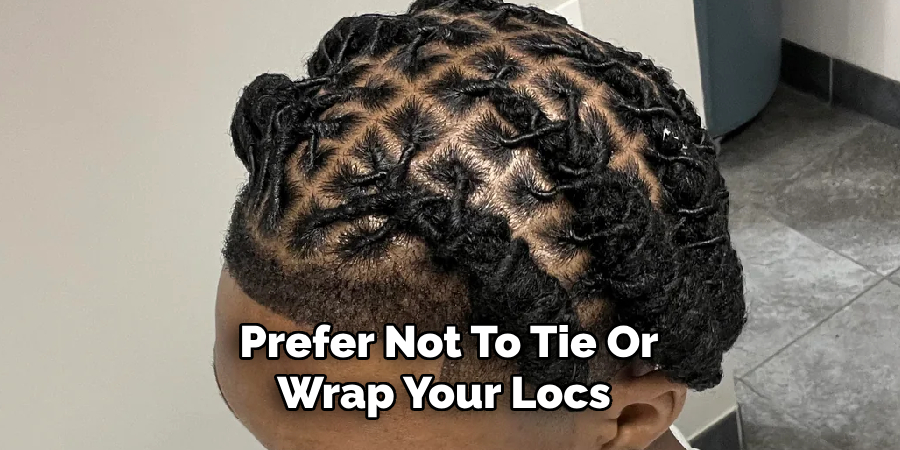
- Choose a Satin or Silk Scarf: Make sure it is large enough to cover all your locs.
- Wrap Your Hair: Use the scarf to gently wrap your locs, ensuring it’s not too tight to cause tension.
- Tie the Scarf: Secure the scarf in place by tying it at the back or top of your head.
With this method, you can prevent damage and protect your locs while sleeping.
Step 6: Braid Your Locs
Another option for protecting your locs while sleeping is braiding them. Braids help minimize frizz and tangles, keeping your locs neat and intact as you rest. Here’s how to do it:
- Gather Your Locs: Divide your locs into sections using a comb or fingers.
- Braid Them: Braid each loc section, making sure the braids are not too tight to cause tension.
- Secure the Ends: Use hair ties or clips to secure the ends of each braid.
Braiding your locs protects them while you sleep and creates a beautiful wavy style when you take out the braids in the morning. Just make sure not to braid your locs too tightly, as this can cause damage and weaken them over time.
Step 7: Avoid Sleeping With Wet Locs
It’s best to avoid sleeping with wet locs, as this can create an ideal environment for bacteria and mold growth. Additionally, wet locs are more prone to breakage and damage as they are weaker. If you must sleep with damp hair, use a microfiber towel or t-shirt to gently squeeze out excess water and speed up the drying process before bed.
Step 8: Moisturize Your Locs
Before going to bed, it’s essential to moisturize your locs. This helps prevent dryness, leading to breakage and damage over time. Use a lightweight moisturizer or oil spray designed explicitly for locs to keep them hydrated without weighing them down. Concentrate on the ends of your locs, as these tend to be drier than the roots.
Step 9: Be Gentle When Waking Up
When you wake up in the morning, be gentle with your locs. Avoid pulling or tugging on them, as this can cause breakage and damage. Instead, use your fingers or a wide-tooth comb to gently separate tangled sections before styling.

By following these steps and incorporating healthy sleeping habits into your routine, you can maintain the health and appearance of your locs while getting a good night’s sleep.
Conclusion
Taking proper care of your locs while sleeping is crucial for maintaining their health and appearance.
By following the steps outlined on how to sleep with locs, in this guide and incorporating healthy sleeping habits, you can ensure that your locs stay protected and well-maintained throughout the night. Remember to wrap your locs with a satin scarf or bonnet to reduce friction and prevent frizz. In addition, regularly moisturizing your locs and being gentle when waking up will help prevent breakage and damage.
With these practices, you can enjoy a restful night’s sleep while keeping your locs in optimal condition. Sleep tight and wake up to beautiful, well-nurtured locs!
You can also check it out Grow Hair Back After Hair Loss

About the Author
Jane Hubbard is a passionate beauty expert with a wealth of experience in makeup, hair, and overall beauty techniques. After years of working as a hairdresser specialist, she followed her entrepreneurial spirit and started her own consultancy business.
Jane has always been driven by her desire to help others feel confident in their own skin, and she does this by sharing her knowledge, experiences, and practical beauty tips. Through her consultancy, she empowers individuals to embrace their unique beauty, offering tailored guidance that boosts both self-esteem and personal style.
Professional Focus
Specializes in makeup, hairstyling, and beauty consulting.
Provides personalized beauty advice, tips, and techniques to help individuals feel confident in their appearance.
Dedicated to staying up-to-date with the latest industry trends and developments.
Passionate about creating a comfortable and empowering experience for every client.
Education History
University of Craft and Design – Bachelor of Fine Arts (BFA) in Woodworking and Furniture Design
Woodworking Apprenticeships – Extensive hands-on training with skilled craftsmen to refine carpentry and furniture making techniques
Online Courses & Masterclasses – Continued education in advanced woodworking techniques, design principles, and specialized tools
Expertise:
Makeup artistry, hairstyling, and beauty consulting.
Personalized beauty techniques to enhance confidence and self-expression.
Educating clients on how to maintain their beauty routines at home.