

Sun cream is essential for protecting your skin from harmful UV rays, but it can sometimes leave stubborn stains on your clothes, towels, or upholstery. These stains are often caused by the oils and ingredients designed to make sunscreen water-resistant. Fortunately, with the right steps and techniques, you can effectively remove these marks and keep your fabrics looking fresh and clean. This guide will walk you through simple and practical ways on how to remove sun cream stains.

Why Sun Cream Stains Happen
Sun cream stains occur due to the combination of oils and active ingredients that make up the sunscreen formula. Many sunscreens contain oil-based components to help them adhere to the skin and provide water resistance. These oily elements can easily transfer onto fabrics and bind to the fibers, making the stains difficult to remove. Additionally, some sunscreens contain ingredients like avobenzone, which can react with minerals in water, particularly hard water, resulting in a yellowish or orange discoloration. Understanding the makeup of sunscreen and its interaction with materials is key to tackling the stains effectively.
What Causes Sun Cream Stains?
Sun cream stains are primarily caused by a combination of its chemical composition and its interaction with other substances. Many sunscreens are formulated with oil-based ingredients to ensure water resistance and long-lasting protection, but these oils can cling to fabric fibers, leaving behind greasy residues. Furthermore, certain active ingredients in sunscreens, such as avobenzone, can react with minerals in hard water, leading to the formation of unsightly yellow or orange stains. This reaction occurs when washing sunscreen-treated fabrics or through exposure to chlorinated or mineral-rich water. The combination of oils, chemical compounds, and external factors like water characteristics makes sun cream aesthetic stains particularly stubborn and challenging to remove.
10 Methods How to Remove Sun Cream Stains
1. Pre-Treat with Liquid Laundry Detergent
The first and often most effective step in removing sunscreen stains is to pre-treat the affected area with a liquid laundry detergent. Begin by dampening the stained fabric with cold water, as hot water can set oily residues further into the fibers. Apply a small amount of concentrated liquid detergent directly onto the stain, gently rubbing it in with your fingers or a soft brush. Let it sit for at least 15 minutes before laundering. This pre-treatment helps break down the oils in sun cream, allowing the detergent in the wash cycle to penetrate more deeply and lift the stain effectively.
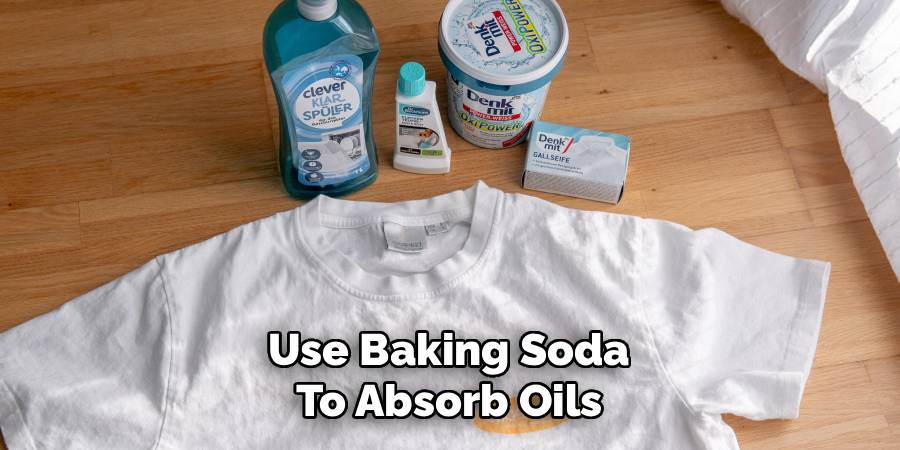
2. Use Baking Soda to Absorb Oils
Baking soda is excellent for tackling greasy residues caused by sun cream. Lay the stained garment flat and sprinkle a generous amount of baking soda directly onto the affected area. Allow the baking soda to sit for 30 minutes to one hour, giving it time to absorb the oils. Afterward, brush off the powder and rinse the fabric with cold water. If the stain remains, repeat the process or follow up with a detergent wash. This method is particularly useful for fresh stains and is safe to use on delicate fabrics.
3. Try White Vinegar for Yellow Discoloration
When sunscreen leaves yellowish stains, especially on light-colored clothing, white vinegar can help neutralize the discoloration. Mix equal parts of white vinegar and cool water in a small bowl. Apply the solution directly to the stained area and let it soak for 20–30 minutes. Gently blot the fabric with a clean cloth before washing it as usual. The acidic nature of vinegar helps break down mineral deposits and discoloration, restoring brightness to the fabric without causing damage.
4. Dish Soap for Oily Residues
Dish soap is formulated to cut through grease, making it highly effective for sunscreen stains. Apply a few drops of a grease-fighting dish soap directly to the stain and rub gently with your fingers or a soft-bristled toothbrush. Let the soap sit for 10 minutes before rinsing with cold water. Wash the garment as usual afterward. This method works particularly well on cotton fabrics and can often remove sunscreen stains in a single treatment. For stubborn cases, repeat the process before drying the garment.

5. Lemon Juice and Sunlight for Natural Whitening
For white or light fabrics, lemon juice combined with sunlight offers a natural whitening treatment. Squeeze fresh lemon juice onto the stain, ensuring it is thoroughly soaked. Place the garment in direct sunlight for one to two hours, allowing the citric acid and UV rays to work together in breaking down the discoloration. Afterward, wash the garment as usual. This method is best reserved for white clothing, as lemon juice and sun exposure may fade or alter the color of darker fabrics.
6. Oxygen-Based Bleach for Stubborn Stains
If a sunscreen stain persists even after pre-treatments, an oxygen-based bleach solution can provide a stronger remedy. Mix the recommended amount of oxygen bleach with warm water and soak the stained garment for several hours or overnight. Oxygen bleach is gentler than chlorine bleach, making it safe for most colored fabrics while still effective at lifting stubborn stains. After soaking, launder the garment normally. Avoid chlorine bleach, as it can react with sunscreen ingredients and worsen yellowing.
7. Cornstarch or Talcum Powder Absorption
For greasy sun cream stains on delicate fabrics such as silk or wool, cornstarch or talcum powder provides a gentle alternative. Lay the fabric flat and sprinkle the powder over the stain, covering it completely. Leave it to sit for several hours or overnight, allowing the powder to draw out oils. Brush or shake off the excess before gently hand washing the garment with a mild detergent. This slow-acting but safe method works well for fabrics that cannot withstand harsher treatments.
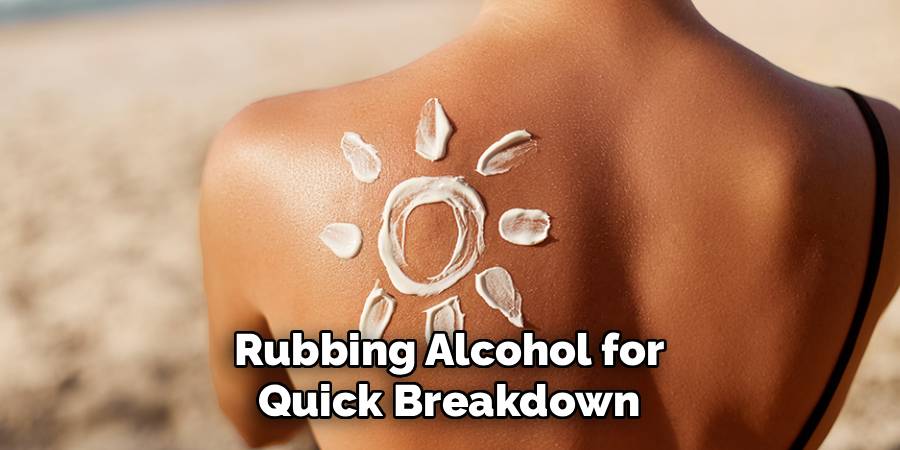
8. Rubbing Alcohol for Quick Breakdown
Rubbing alcohol, or isopropyl alcohol, can dissolve oily residues effectively. Dampen a cotton ball or cloth with rubbing alcohol and gently blot the stained area, taking care not to spread the stain further. After blotting, rinse the fabric thoroughly with cold water and wash as usual. This method is particularly useful for upholstery or car seat stains where immediate washing is not possible, as it breaks down oils quickly without leaving additional residue.
9. Enzyme-Based Stain Remover
Enzyme-based stain removers are designed to break down organic compounds such as oils and proteins, making them highly effective against sunscreen stains. Apply the stain remover directly to the affected area and let it sit for at least 15–20 minutes. Wash the garment in warm water if the care label allows. The enzymes work by digesting the stain particles, leaving fabrics cleaner and fresher. This method is especially effective for set-in stains that have resisted other treatments.
10. Professional Dry Cleaning for Delicate Fabrics
For delicate garments such as silk, linen, or those with embellishments that cannot be treated at home, professional dry cleaning is often the safest solution. Inform the cleaner specifically about the sunscreen stain so they can use the appropriate solvents and techniques. Professional cleaners have specialized products that break down oils and discoloration without damaging the fabric, ensuring that valuable or delicate items are restored without risk. This method provides peace of mind for garments that require extra care.
Maintenance and Upkeep
Proper maintenance and upkeep of garments extend their longevity and ensure they remain in excellent condition. Always follow the care instructions provided on clothing labels, as these are tailored to the specific fabric and construction of the item. Regularly inspect your wardrobe for signs of wear, such as loose threads, missing buttons, or small tears, and address these issues promptly to prevent further damage.
Store delicate items, such as silk or wool, in breathable garment bags to protect them from dust and pests. When not in use, ensure clothing is stored in a cool, dry place to avoid moisture buildup, which can lead to mildew or staining. Routine care and attention go a long way in preserving the quality and appearance of your favorite pieces.
Safety Considerations
When caring for clothing, it’s essential to prioritize safety to protect both yourself and your garments. Always use well-ventilated spaces when applying stain removers, detergents, or other cleaning agents to avoid inhaling harmful fumes. Wear gloves when handling harsh chemicals to prevent skin irritation or allergic reactions. Keep cleaning products securely stored out of reach of children and pets to ensure their safety. Additionally, exercise caution when using irons or steamers to avoid burns, and always unplug these devices when not in use. By taking these precautions, you can maintain a safe and efficient clothing care routine.
Conclusion
Sunscreen stains may appear daunting, but with the right approach, they can be removed effectively without permanent damage to fabrics. Pre-treating with liquid detergent, using natural absorbents like baking soda and cornstarch, or applying vinegar and lemon juice are excellent household solutions. For more stubborn stains, stronger treatments such as oxygen bleach, enzyme removers, or rubbing alcohol offer reliable results. Thanks for reading our blog post on how to remove sun cream stains! We hope you found it helpful and informative.

About the Author
Jane Hubbard is a passionate beauty expert with a wealth of experience in makeup, hair, and overall beauty techniques. After years of working as a hairdresser specialist, she followed her entrepreneurial spirit and started her own consultancy business.
Jane has always been driven by her desire to help others feel confident in their own skin, and she does this by sharing her knowledge, experiences, and practical beauty tips. Through her consultancy, she empowers individuals to embrace their unique beauty, offering tailored guidance that boosts both self-esteem and personal style.
Professional Focus
Specializes in makeup, hairstyling, and beauty consulting.
Provides personalized beauty advice, tips, and techniques to help individuals feel confident in their appearance.
Dedicated to staying up-to-date with the latest industry trends and developments.
Passionate about creating a comfortable and empowering experience for every client.
Education History
University of Craft and Design – Bachelor of Fine Arts (BFA) in Woodworking and Furniture Design
Woodworking Apprenticeships – Extensive hands-on training with skilled craftsmen to refine carpentry and furniture making techniques
Online Courses & Masterclasses – Continued education in advanced woodworking techniques, design principles, and specialized tools
Expertise:
Makeup artistry, hairstyling, and beauty consulting.
Personalized beauty techniques to enhance confidence and self-expression.
Educating clients on how to maintain their beauty routines at home.