

Coarse hair, characterized by its thick, wide strands, often comes with a reputation for being dry, wiry, and difficult to manage. While its strength is a major plus, achieving that soft, touchable, and silky feel can seem like an ongoing battle. Many people believe they are simply stuck with a rough hair texture, but this isn’t true. The key to transforming your hair lies not in fighting its nature, but in understanding what it needs: intense moisture and gentle care. This guide will provide clear, beginner-friendly steps on how to make coarse hair silky, proving that smooth, lustrous locks are well within your reach.
Silky, manageable hair isn’t reserved for a lucky few—it’s achievable for anyone with the right approach and proper care. Coarse hair often feels dry or unmanageable because it craves hydration and nourishment at a deeper level. By focusing on the right techniques and products, you can unlock the natural beauty of your hair, leaving it soft, shiny, and smooth to the touch.
Understanding Coarse Hair
Before diving into how to make coarse hair silky, it’s important to understand what exactly coarse hair is. Coarse hair refers to the thickness of an individual strand, with thicker strands being considered “coarse”. This type of hair can often feel rough and lack shine due to its larger diameter and tendency to get easily tangled.
Coarse hair is also more prone to dryness because the natural oils produced by the scalp have a harder time reaching the ends of thicker strands. This lack of moisture can lead to frizz, breakage, and overall dull-looking hair.
7 Step-by-Step Guide on How to Make Coarse Hair Silky
Step 1: Choose a Moisturizing
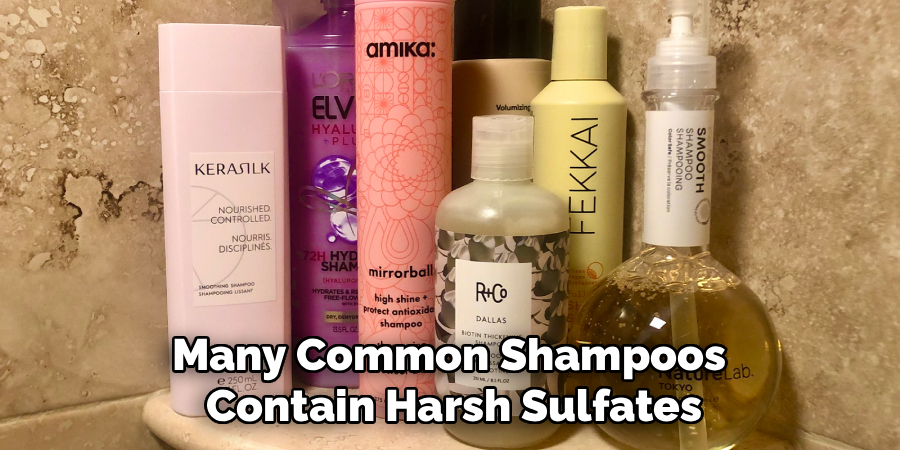
The journey to silky hair begins in the shower. Many common shampoos contain harsh sulfates, like sodium lauryl sulfate, which strip your hair of its natural oils. For coarse hair that is already prone to dryness, this is a major problem. You must switch to a sulfate-free shampoo specifically formulated for dry or damaged hair. Look for products with hydrating ingredients like glycerin, shea butter, argan oil, or hyaluronic acid. Washing your hair less frequently, perhaps two to three times a week, will also help preserve its natural moisture balance and prevent unnecessary stripping of essential oils.
Step 2: Never Skip Conditioner
Conditioner is not an optional step; it is the most critical part of your washing routine for softening coarse hair. After shampooing, apply a generous amount of a rich, hydrating conditioner, focusing on the mid-lengths and ends where hair is typically the driest. Don’t just rinse it out immediately. Allow the conditioner to sit on your hair for at least three to five minutes. This gives it time to penetrate the hair shaft and replenish moisture. For an extra boost, you can use a wide-tooth comb to gently detangle your hair while the conditioner is still in.
Step 3: Weekly Deep Conditioning Treatment
To truly infuse coarse hair with the moisture it craves, a regular conditioner isn’t always enough. You need to incorporate a deep conditioning treatment or a hair mask into your routine at least once a week. These products are formulated with higher concentrations of moisturizing and repairing ingredients. Apply the mask to clean, damp hair and let it sit for 20-30 minutes. For even deeper penetration, cover your hair with a shower cap. The cap will trap your body heat, helping to open the hair cuticles so the treatment can work its magic more effectively.
Step 4: Use a Leave-In Conditioner
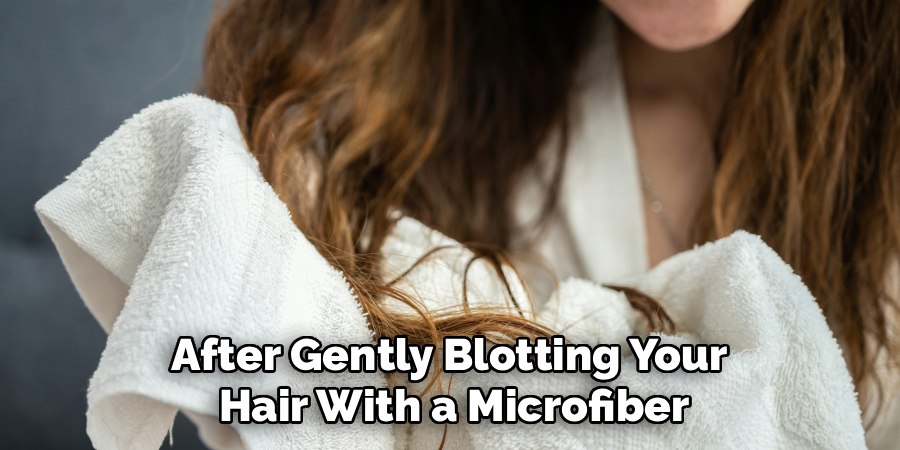
Your moisture routine shouldn’t stop when you step out of the shower. A leave-in conditioner is a non-negotiable product for anyone looking to soften their hair. After gently blotting your hair with a microfiber towel or an old t-shirt (to prevent frizz), spritz or rake a quality leave-in conditioner through your damp strands. This provides a continuous layer of hydration and protection throughout the day. It helps to detangle, reduce breakage, and acts as a primer before any other styling products you might use, sealing the cuticle for a smoother appearance.
Step 5: Seal in Moisture with a Hair Oil or Serum
After applying your leave-in conditioner, the next step is to seal all that moisture in. This is where a good hair oil or serum comes into play. Natural oils like argan, jojoba, or coconut oil are excellent for this purpose. These oils are occlusive, meaning they create a protective barrier around the hair shaft that prevents moisture from escaping. Apply just a few drops to your palms, rub them together, and then lightly smooth the oil over the mid-lengths and ends of your hair. This will not only lock in hydration but also tame frizz and add a beautiful, silky shine.
Step 6: Always Use a Protectant
Excessive heat is one of the biggest enemies of soft, healthy hair. High temperatures from flat irons, curling wands, and even blow dryers can damage the hair’s cuticle, leading to a rougher texture and dryness. Try to air-dry your hair whenever possible. When you must use heat, always apply a thermal protectant spray first. This creates a buffer between your hair and the hot tool, minimizing damage. Additionally, use your tools on the lowest effective heat setting. Reducing your reliance on heat is a game-changer for improving hair texture over time.
Step 7: Protect Your Hair While You Sleep
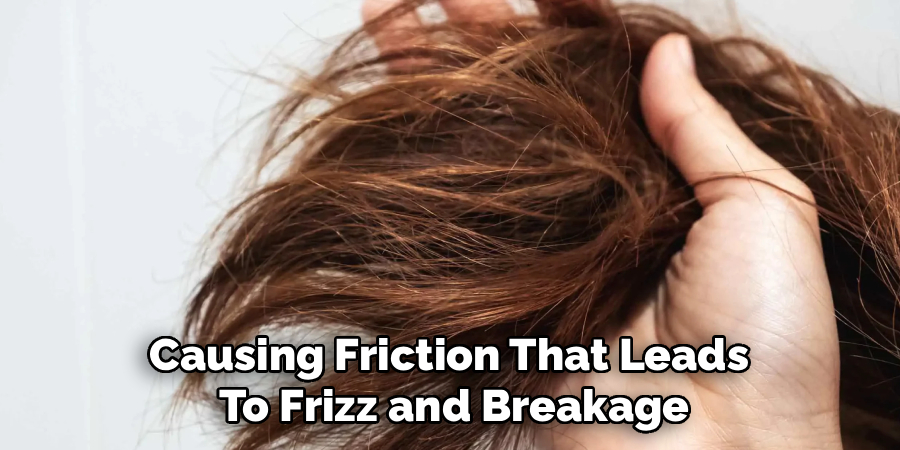
You can make a significant difference in your hair’s texture while you sleep. Traditional cotton pillowcases can be rough on hair, absorbing moisture and causing friction that leads to frizz and breakage. Switch to a silk or satin pillowcase. These materials are much smoother, allowing your hair to glide across the surface without snagging. Alternatively, you can wrap your hair in a silk or satin scarf or bonnet before bed. This simple overnight change helps to preserve moisture, prevent tangles, and maintain the smoothness you worked so hard to achieve during the day.
Regular Trims Are Essential
Regular trims are essential for maintaining healthy hair and preventing damage. By trimming off split ends, you stop them from traveling up the hair shaft and causing further breakage. Regular trims also help keep your hair looking neat and fresh, promoting an overall healthier appearance. Even if you’re trying to grow your hair longer, removing damaged ends ensures your hair grows stronger and without uneven or frayed edges. Incorporating trims into your routine is a simple yet effective way to keep your hair manageable and in its best condition.
Frequently Asked Questions (FAQ)
What Is the Difference Between Coarse Hair and Thick Hair?
These terms are often confused. “Thick” hair refers to the density, or the number of individual hair strands on your head. “Coarse” hair refers to the circumference or diameter of each individual strand. You can have fine hair that is thick (many small strands) or coarse hair that is thin (fewer large strands). Coarse hair strands have a wider diameter, which can make them feel more wiry.
Can Coarse Hair Ever Truly Be Silky?
Absolutely. While you cannot change the natural diameter of your hair strands, you can drastically change their texture and feel. Coarse hair that is properly and consistently moisturized will have a smoother, flatter cuticle. This smooth surface reflects light and feels soft to the touch. The key is providing intense hydration to make the strands more pliable and less rough.
How Often Should I Use a Hair Mask on Coarse Hair?
For most people with coarse hair, using a deep conditioning treatment or hair mask once a week is ideal. If your hair is extremely dry or damaged, you might benefit from using one twice a week initially. Listen to your hair; if it starts to feel weighed down or overly soft, you can scale back. Consistency is more important than frequency.
Are Natural Oils Good for Coarse Hair?
Yes, certain natural oils are excellent for coarse hair. They act as a sealant to lock in moisture.
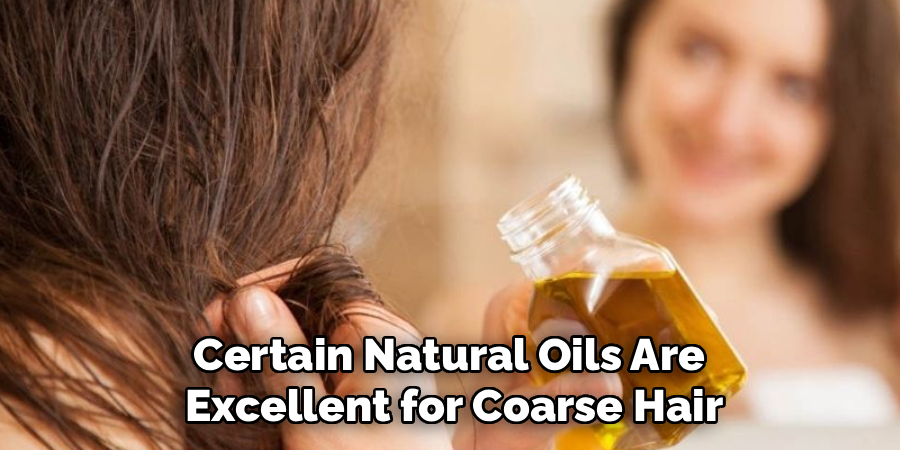
- Argan Oil: Lightweight and rich in vitamin E, great for shine and taming frizz.
- Coconut Oil: Can penetrate the hair shaft to provide deep moisture (best used as a pre-shampoo treatment).
- Jojoba Oil: Closely mimics the scalp’s natural sebum, providing balanced hydration.
Does a Better Diet Help Improve Hair Texture?
Yes, a healthy diet plays a crucial role in hair health. Hair is made of protein, so ensure you’re getting enough from sources like lean meats, eggs, and legumes. Healthy fats, such as those found in avocados, nuts, and salmon, are also vital for keeping hair moisturized from the inside out. Staying hydrated by drinking plenty of water is equally important for overall hair and scalp health.
Conclusion
Maintaining healthy hair involves a combination of proper hair care, a balanced diet, and overall hydration. By choosing the right products, nurturing your body with essential nutrients, and staying consistent with your routine, you can enhance your hair’s natural texture and strength. Remember, healthy hair starts from within, so take a holistic approach to hair care for long-lasting results.
And don’t forget to pamper your hair with regular trims, deep conditioning treatments, and protective styles to keep it looking and feeling its best. With these tips in mind, you can achieve healthy, beautiful hair that makes you feel confident and ready to take on the day. Start implementing these practices into your hair care routine today for stronger, shinier, and more manageable locks! So go ahead and show off your luscious locks with pride! Happy haircare!

About the Author
Jane Hubbard is a passionate beauty expert with a wealth of experience in makeup, hair, and overall beauty techniques. After years of working as a hairdresser specialist, she followed her entrepreneurial spirit and started her own consultancy business.
Jane has always been driven by her desire to help others feel confident in their own skin, and she does this by sharing her knowledge, experiences, and practical beauty tips. Through her consultancy, she empowers individuals to embrace their unique beauty, offering tailored guidance that boosts both self-esteem and personal style.
Professional Focus
Specializes in makeup, hairstyling, and beauty consulting.
Provides personalized beauty advice, tips, and techniques to help individuals feel confident in their appearance.
Dedicated to staying up-to-date with the latest industry trends and developments.
Passionate about creating a comfortable and empowering experience for every client.
Education History
University of Craft and Design – Bachelor of Fine Arts (BFA) in Woodworking and Furniture Design
Woodworking Apprenticeships – Extensive hands-on training with skilled craftsmen to refine carpentry and furniture making techniques
Online Courses & Masterclasses – Continued education in advanced woodworking techniques, design principles, and specialized tools
Expertise:
Makeup artistry, hairstyling, and beauty consulting.
Personalized beauty techniques to enhance confidence and self-expression.
Educating clients on how to maintain their beauty routines at home.