

Dry, brittle, and lifeless hair is a common struggle for many of us, especially those with textured or curly hair types. We often search for that one miracle product that can restore shine and manageability without weighing our strands down. Enter Mielle Organics, a brand that has taken the hair care world by storm with its nutrient-rich ingredients like rosemary, mint, and babassu oil.
However, buying the product is only half the battle; knowing the correct application technique is where the real magic happens. A deep conditioner is not just a standard rinse-out product, and treating it like one means missing out on significant benefits. To truly transform your tresses, you need to understand the proper method of application, timing, and rinsing. This guide is designed to walk you through how to use mielle hair masque so you can achieve professional-level hydration right at home, ensuring your curls stay bouncy, strong, and incredibly healthy.
Why Use the Mielle Hair Masque?
The Mielle hair masque is specifically formulated to penetrate deeply into the hair shaft, delivering essential nutrients and moisture where they’re needed most. Unlike regular conditioners, which often only coat the surface, this masque works to repair damage, reduce breakage, and improve the overall elasticity of your curls. Whether your hair has been exposed to heat, chemicals, or environmental stressors, using a deep conditioning product like the Mielle hair masque ensures that your strands recover and thrive. It’s an essential step in any curly hair care routine, helping to maintain hydration, enhance shine, and promote healthier growth.
Step-by-Step Routine on How to Use Mielle Hair Masque
Step 1: Start with a Fresh, Clean Canvas
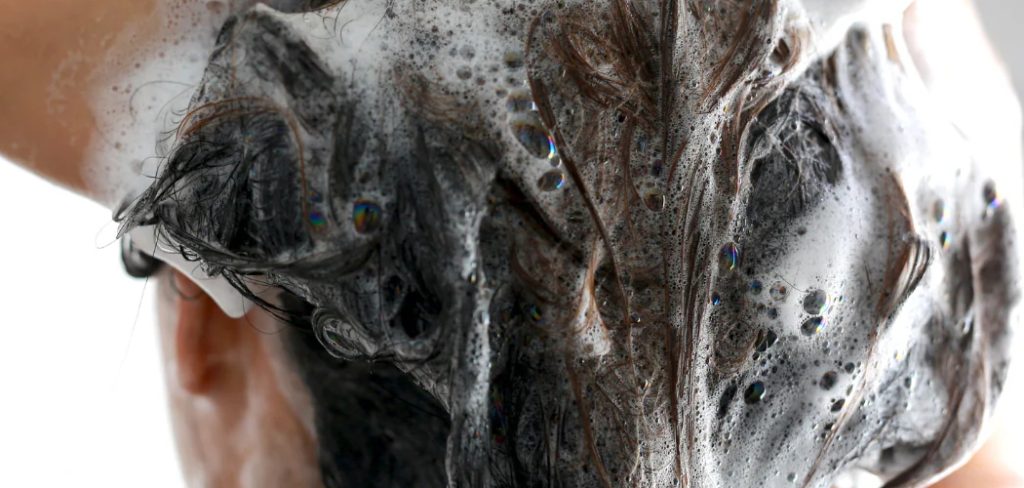
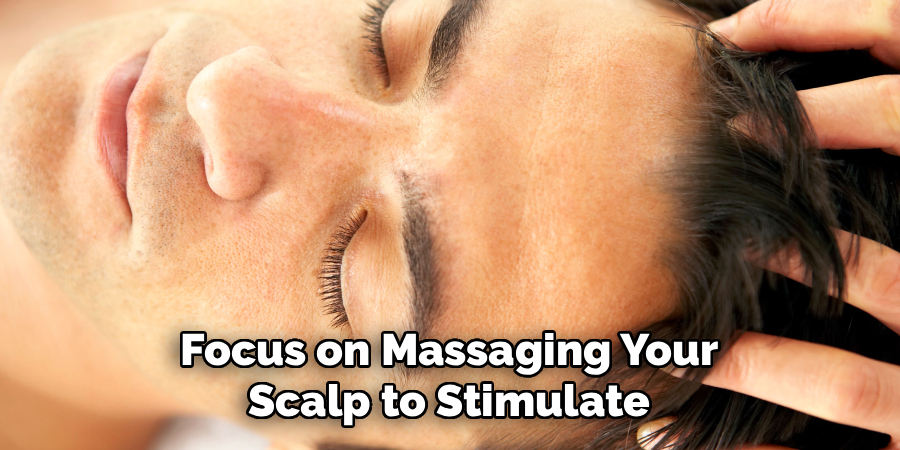
The foundation of any successful deep conditioning treatment is thoroughly cleansed hair. Before you even open the jar of masque, you need to wash your hair with a high-quality shampoo to remove product buildup, dirt, and excess oils. If your hair is coated in old gels or sprays, the nourishing ingredients of the masque cannot penetrate the hair shaft effectively. Focus on massaging your scalp to stimulate blood flow and rinsing the shampoo out completely with warm water. Warm water helps to slightly open the hair cuticles, preparing them to drink up the moisture from the treatment that follows. Do not apply conditioner yet; the masque will take the place of your regular conditioner today.
Step 2: Section Your Hair for Manageability
One of the biggest mistakes people make when applying treatments is trying to slap the product onto a giant clump of wet hair. To ensure every single strand gets the love it deserves, you must divide your damp hair into manageable sections. Use plastic clips to separate your hair into at least four distinct quadrants—two in the front and two in the back. If your hair is particularly thick or dense, you may need to create six or eight smaller sections. This organization prevents tangling during the application process and ensures that the product is distributed evenly, rather than just sitting on the top layer of your canopy while the hair underneath remains dry and neglected.
Step 3: Apply the Product from Root to Tip
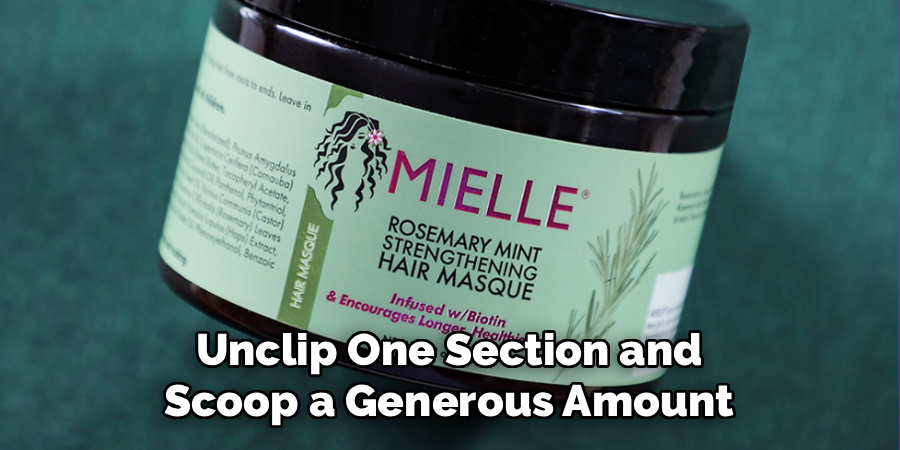
Now that your hair is prepped and sectioned, unclip one section and scoop a generous amount of the product onto your fingers. This part of the process demonstrates how to use mielle hair masque for maximum coverage and effectiveness. Begin applying the masque near the roots, but pay special attention to the mid-lengths and ends of your hair. The ends are the oldest and most fragile part of your strands, making them the most prone to breakage and dryness. Smoothe the product down the hair shaft using a “praying hands” motion to encourage absorption. Ensure the section is fully saturated with the creamy formula before moving on to the next one. The hair should feel slippery and coated, but not dripping excessively.
Step 4: Detangle Gently While the Product is In
Once the masque is applied to a section, take advantage of the “slip” the product provides to remove knots and tangles safely. Using a wide-tooth comb or a specialized detangling brush, start combing from the very ends of your hair and slowly work your way up toward the roots. Never force the comb through a knot; instead, use your fingers to gently tease it apart. Because the Mielle masque is rich and emollient, it acts as a lubricant, significantly reducing the friction that causes breakage during detangling. By the time you are done with this step, your hair should be smooth and knot-free, allowing the conditioning agents to coat the entire surface area of every strand without obstruction.
Step 5: Incorporate Heat for Deep Penetration
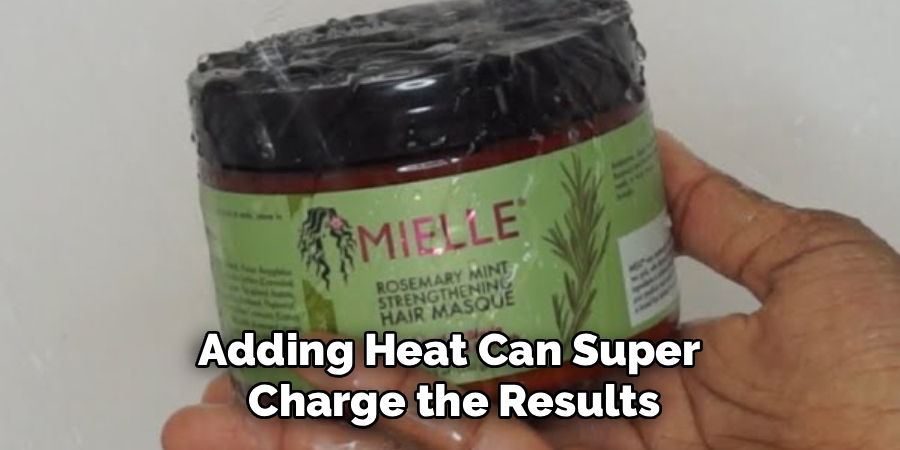
While the product works well on its own, adding heat can supercharge the results, especially for those with low porosity hair. Once all sections are coated and detangled, gather your hair up and cover it with a plastic shower cap. You can then sit under a hooded dryer, use a thermal heat cap, or wrap a warm, damp towel around your head. The gentle heat helps to lift the hair cuticle further, allowing the restorative oils, amino acids, and vitamins in the masque to penetrate deep into the cortex of the hair fiber rather than just sitting on the surface. This step transforms a standard conditioning session into an intense therapeutic treatment for damaged strands.
Step 6: Timing is Everything for Best Results
Patience is a virtue when it comes to deep conditioning. Understanding the correct duration is a key part of how to use mielle hair masque effectively. Most Mielle masques are designed to be left on the hair for approximately 15 to 30 minutes. Leaving it on for just two minutes like a regular conditioner will not give the ingredients enough time to work their magic. However, you should also avoid leaving it on for excessively long periods, like overnight, as this can sometimes lead to “hygral fatigue,” where the hair becomes too soft and mushy from over-hydration. Set a timer on your phone, relax, and let the mask do its job for the recommended time to achieve the perfect balance of protein and moisture.
Step 7: Rinse Thoroughly with Cool Water
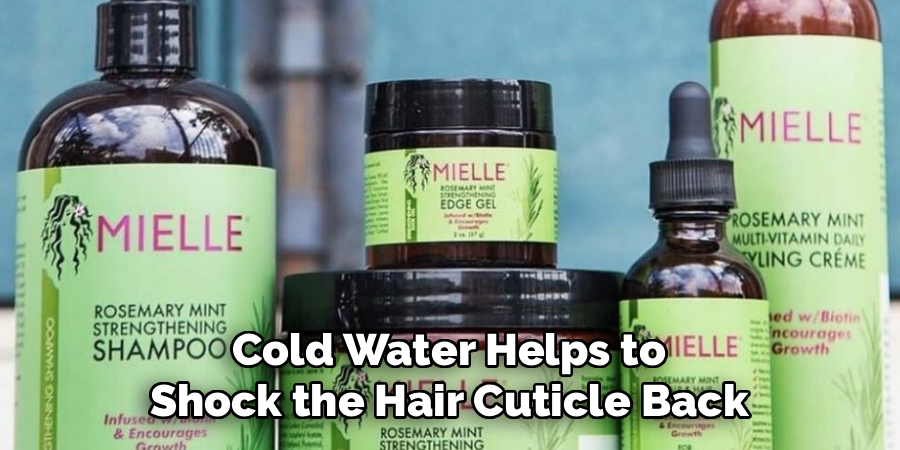
After the timer goes off, it is time to rinse the treatment out. Unlike the initial wash where you used warm water, you should switch to cool or cold water for this final step. Cold water helps to shock the hair cuticle back into a closed, flat position, sealing the moisture and nutrients inside the strand. Rinse thoroughly until the water runs clear and the product feels mostly gone, although a little bit of slip remaining is usually fine. By sealing the cuticle, you also help to smooth the hair surface, which increases shine and reduces frizz once your hair dries. Follow up with your favorite leave-in conditioner and style as usual to reveal soft, revitalized curls.
Common Hair Masque Ingredients
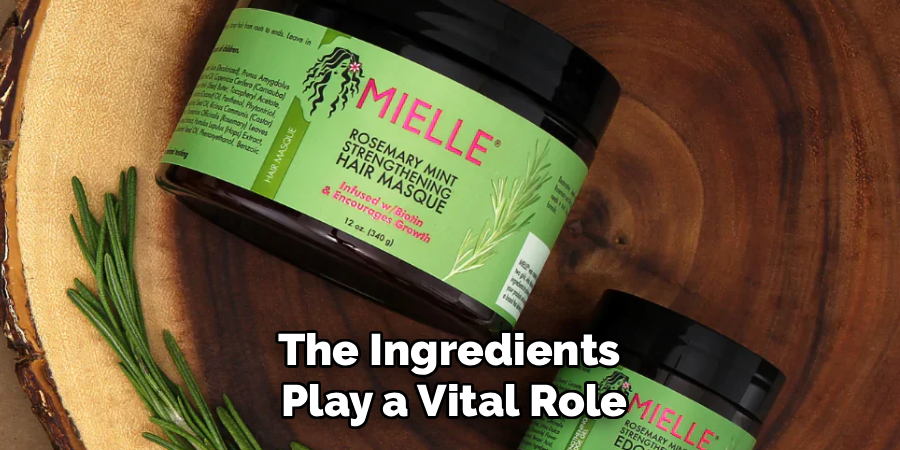
When it comes to hair masques, the ingredients play a vital role in their effectiveness. Common nourishing ingredients include coconut oil, known for its deep conditioning properties and ability to penetrate the hair shaft, and shea butter, a rich emollient that softens and locks in moisture. Aloe vera is another popular choice, valued for its soothing and hydrating benefits that help calm scalp irritation. For strengthening and repair, keratin and amino acids are often included to reinforce the hair structure and reduce breakage. Additionally, various oils such as argan, jojoba, and avocado are frequently used to add shine, reduce frizz, and provide essential nutrients. By understanding these ingredients, you can better choose a hair masque that suits your specific needs.
Frequently Asked Questions
Can I Use the Mielle Hair Masque as a Leave-In?
It is generally not recommended to use a deep conditioning masque as a leave-in conditioner unless the packaging explicitly says so.
- Buildup: Masques are formulated with heavier ingredients that can cause significant buildup if not rinsed out.
- Texture: Leaving it in can make hair feel sticky, greasy, or weighed down.
- Balance: It may disrupt the protein-moisture balance if left indefinitely.
Stick to a lightweight leave-in conditioner for styling after you have rinsed out the masque.
How Often Should I Use a Deep Conditioner?
The frequency depends on your hair’s current health and porosity.
- Damaged Hair: If your hair is dry, colored, or damaged, aim to use the masque once a week.
- Healthy Hair: For maintenance of healthy hair, using it every two weeks is usually sufficient.
- Observation: Listen to your hair; if it starts to feel limp, you might be over-conditioning, so scale back to twice a month.
Do I Shampoo Before or After the Masque?
You should always shampoo before applying the hair masque.
- Clean Surface: Shampooing removes dirt and oil, ensuring the masque can penetrate the hair shaft.
- Order of Operations: The order should be Shampoo > Hair Masque > Rinse > Leave-In Conditioner.
- No Regular Conditioner: You do not need to use a standard rinse-out conditioner on the days you use a masque, as the masque provides deep conditioning.
Is This Masque Suitable for All Hair Types?
Mielle Organics creates products specifically targeting textured, curly, and coily hair (Types 3 and 4), but many hair types can benefit.
- Thick/Curly: Highly beneficial for hydration and detangling.
- Fine/Thin: Use a smaller amount and focus only on the ends to avoid weighing hair down.
- Straight: Can be used as an occasional treatment for damage, but ensure it is rinsed out very thoroughly.
Why Do I Need to Use Heat with the Masque?
Heat is a catalyst that improves the efficacy of the treatment.
- Cuticle Opening: Heat gently lifts the hair cuticle layers.
- Absorption: This allows the vitamins and nutrients to seep into the inner structure of the hair.
- Low Porosity: It is especially critical for low porosity hair, which has tightly closed cuticles that resist moisture absorption without the assistance of warmth.
Conclusion
Incorporating a high-quality masque into your hair care regimen is one of the best investments you can make for the longevity and beauty of your curls. It goes beyond simple detangling to provide the deep, structural nourishment that daily conditioners simply cannot achieve. By following these specific steps—cleansing thoroughly, sectioning, applying with care, and utilizing the power of heat—you ensure that every ounce of the product is utilized to its full potential.
Consistency is key; make this ritual a regular part of your self-care routine, and you will notice a tangible difference in the strength and shine of your hair. Now that you have mastered how to use mielle hair masque, you are ready to banish dryness and embrace your healthiest, most vibrant hair yet.

About the Author
Jane Hubbard is a passionate beauty expert with a wealth of experience in makeup, hair, and overall beauty techniques. After years of working as a hairdresser specialist, she followed her entrepreneurial spirit and started her own consultancy business.
Jane has always been driven by her desire to help others feel confident in their own skin, and she does this by sharing her knowledge, experiences, and practical beauty tips. Through her consultancy, she empowers individuals to embrace their unique beauty, offering tailored guidance that boosts both self-esteem and personal style.
Professional Focus
Specializes in makeup, hairstyling, and beauty consulting.
Provides personalized beauty advice, tips, and techniques to help individuals feel confident in their appearance.
Dedicated to staying up-to-date with the latest industry trends and developments.
Passionate about creating a comfortable and empowering experience for every client.
Education History
University of Craft and Design – Bachelor of Fine Arts (BFA) in Woodworking and Furniture Design
Woodworking Apprenticeships – Extensive hands-on training with skilled craftsmen to refine carpentry and furniture making techniques
Online Courses & Masterclasses – Continued education in advanced woodworking techniques, design principles, and specialized tools
Expertise:
Makeup artistry, hairstyling, and beauty consulting.
Personalized beauty techniques to enhance confidence and self-expression.
Educating clients on how to maintain their beauty routines at home.