

Welcome to the world of limitless lash customization! If you have mastered the basic application of your Gossamers, you might be ready to take your look to the next level. Many beauty enthusiasts eventually find themselves craving more volume, texture, or durability than a single layer can provide. This is exactly where the technique of stacking comes into play. It allows you to mix different lengths, curls, and styles to create a completely unique map that fits your eye shape perfectly.
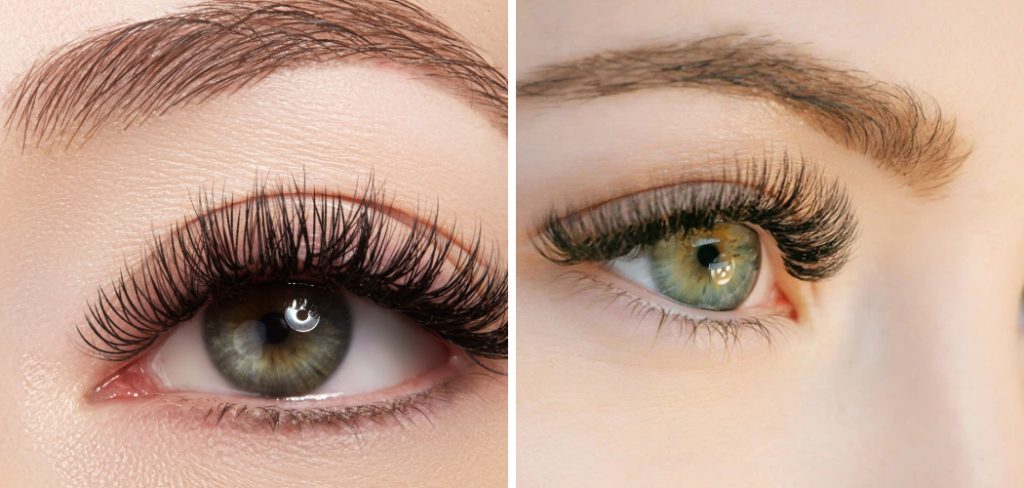
While the standard application is beautiful on its own, adding layers provides structural integrity and a dramatic flair that mimics professional salon extensions. However, moving from a single layer to multiple layers can feel intimidating without the right instructions. You need to understand proper placement, bonding, and fusing to ensure they stay put without feeling heavy. In this guide, we will walk you through exactly how to stack Lashify lashes safely and effectively, ensuring you achieve that fluffy, multidimensional look you have been dreaming of.
Why You Should Learn Lash Stacking
Mastering the art of stacking is not just about adding drama or volume to your eyes; it is also a practical skill for extending the life of your manicure. When you stack Gossamers, you are essentially building a stronger framework for your lashes. By overlapping the spines of the lash clusters, you create a reinforced structure that is often more durable than a single layer. This “brick-laying” technique helps the lashes support one another, often leading to longer wear time and less lifting at the corners.
Furthermore, stacking unlocks true artistic freedom. A single layer limits you to one style, but stacking allows you to blend a Core style with a Volume style, or mix shorter lengths with longer spikes to create a wispy, hybrid effect. It transforms a standard beauty routine into a bespoke experience. Whether you want to correct a gap in your natural lashes or simply want a dense, blackout look for a special event, understanding how to layer these clusters is the secret weapon in every lash lover’s arsenal.
The Ultimate Guide on How To Stack Lashify Lashes
Step 1: Prepare Your Base Layer Foundation
Before you can even think about adding volume or stacking, you must ensure your initial application is flawless and secure. Start with a fresh, clean set of natural lashes that are completely free of oils, makeup residue, or skincare products. Apply your bonding agent to your natural lashes and apply your first layer of Gossamers exactly as you normally would. This base layer acts as the foundation for your entire look, so placement is critical.

Ensure that the spines are placed about one to two millimeters away from your waterline to guarantee comfort. If this foundation is crooked or too close to the skin, adding more weight through stacking will only exacerbate the discomfort. Take your time to ensure this first layer is perfectly fused and sitting straight before you reach for your second set of lashes.
Step 2: Select Your Stacking Strategy
Once your base layer is secure, you need to decide on your mapping strategy before applying any more bond. There are generally two ways to approach this: “brick stacking” or “column stacking.” Brick stacking involves placing the new Gossamer centered over the seam where two base Gossamers meet, effectively overlapping them like bricks in a wall. This method provides the most structural integrity and longevity.
Column stacking involves placing the new lash directly on top of an existing one. Choose the method that suits your goal; brick stacking is better for durability and seamless blending, while column stacking is excellent for adding targeted spikes or length to specific areas. Visualizing this map beforehand prevents you from fumbling with sticky lashes later.
Step 3: Apply Bond for the Second Layer
Now that you have a plan, it is time to prepare the lashes for the second layer. Unlike the first layer where you applied bond to your natural lashes, you will now apply a very small amount of bond directly to the spine of the new Gossamer you intend to stack. You do not need to coat your natural lashes again.
Take your Whisper Light or bonding agent of choice and dab a tiny amount along the spine of the Gossamer you are holding in your tweezers. Alternatively, some users prefer to dab a small amount of bond on the spine of the Gossamer that is already on the eye. Whichever method you choose, the key is moderation. You want enough bond to create adhesion, but not so much that it becomes gloopy or messy.
Step 4: Allow the Bond to Get Tacky
Patience is a virtue when learning how to stack Lashify lashes, specifically during the bonding phase. After applying the bond to the spine of your new Gossamer, you must wait for it to become tacky before attempting to place it. If the glue is too wet, the lash will slide around, making it difficult to position accurately, and it may even disturb the placement of your base layer. Wait approximately 30 to 60 seconds, or until the bond goes from white to clear (if using a white bond).

You can test the tackiness by lightly tapping it; it should feel sticky but not wet. This tackiness acts like Velcro, grabbing onto the base layer instantly upon contact, which allows for precise, frustration-free placement.
Step 5: Place the Stacked Gossamer Gently
With your bond tacky and ready, look down into your mirror to expose the base of your lashes. Holding the new Gossamer with your Fuse Control Wand or tweezers, gently place it underneath the base layer, aligning the spines. If you are brick stacking, aim for the seam between two existing lashes.
If you are using this technique to add volume, ensure the curvature of the new lash aligns with the old one. Do not press too hard initially; simply lay it against the existing spine so it catches. The goal is to have the spines “kiss” each other without creating a thick, heavy ridge. If you make a mistake, the tacky bond should allow you to gently lift and reposition the lash before it sets completely.
Step 6: Fuse the Layers Together Firmly
Fusing is arguably the most important step in the entire process because it locks the layers together into a single unit. Once you have placed your stacked lashes and are happy with the look, wait a minute or two for the bond to dry further. Then, take your Fuse Control Wand and place the curved end over your lashes.
Compress the new stack and the base layer together firmly. This pressure removes air pockets and ensures the adhesive bonds fully between the two synthetic spines. You should perform a “reverse fuse” as well, coming from the top of the lash to ensure everything is sealed tight. A good fuse ensures that your heavy-duty volume look will withstand sleeping, showering, and daily wear without shedding.

Step 7: Check for Comfort and Gaps
After you have fused the entire eye, take a moment to inspect your work closely in a magnifying mirror. You are looking for any lifting spines, gaps between the clusters, or areas where the bond might be touching your waterline. Blink hard a few times to test for comfort. The stacked lashes should feel weightless; if you feel poking or heaviness, you may have placed a spine too close to the skin or used too much bond.
Use the tip of your wand to gently prod the spines to ensure they are secure. If you find a loose edge, apply a tiny dot of bond and refuse. Fixing these small issues now is much easier than trying to repair them a few days later when the bond has fully cured.
Step 8: Seal the Deal for Longevity
The final step in securing your voluminous new look is sealing. Because you have added more weight and adhesive, a sealer like Glass is essential to remove any residual stickiness and waterproof the bond. Brush a light coat of sealer along the inside of the lashes near the spines where you did the stacking.
This encapsulates the bond and prevents lint or dust from sticking to your lashes. Do not over-saturate the tips of the lashes, as this can cause them to clump together and lose their fluffy appearance. A proper seal ensures that your stacked masterpiece remains pristine and holds its shape for days. Once sealed, avoid touching them for a while to let everything set perfectly.

Frequently Asked Questions
Can I Stack Different Styles of Lashes Together?
Yes, you absolutely can mix different styles, and it is highly encouraged for a custom look.
- Hybrids: Mix a “Core” style with a “Volume” style for texture.
- Lengths: Layer shorter lashes over longer ones for density.
- Curls: Be careful mixing drastically different curls (like A and F) as they may not sit flush.
Does Stacking Damage My Natural Lashes?
Stacking does not inherently damage natural lashes if done correctly.
- Weight Distribution: The “brick” method distributes weight across multiple natural lashes.
- Proper Removal: Damage usually occurs during removal, not wear. Use a proper oil-based remover.
- Listen to your eyes: If it feels too heavy, remove a layer immediately to preserve natural lash health.
How Long Do Stacked Lashes Typically Last?
Stacked lashes often last longer than single layers due to the reinforced structure.
- Average Wear: Expect 7 to 10 days of wear with proper care.
- Variables: Longevity depends on your application technique, humidity, and skin oils.
- Maintenance: You may need to fuse them daily to keep the bond secure over time.
What Is the Difference Between Brick and Column Stacking?
The difference lies in placement relative to the base layer.
- Column Stacking: Placing a new lash directly on top of a single base lash. Good for spikes.
- Brick Stacking: Placing the new lash over the seam of two base lashes. Good for structural support.
- Recommendation: Brick stacking is generally preferred for longevity.
How Do I Remove Stacked Lashes Safely?
Removal requires patience because there is more adhesive involved.

- Saturate: Use a dual-phase remover or specialized release oil. Let it sit for 60 seconds.
- Slide: Gently slide the lashes off without pulling.
- Residue: You may need a second round of remover to get all the bond out of the natural lashes.
Conclusion
Learning to customize your eye makeup is a journey, and mastering the technique of stacking is a major milestone. By following these steps, you can achieve professional-grade volume right from the comfort of your own home. Remember that the key to success lies in patience—letting your bond get tacky, placing the spines precisely, and fusing with intent. Whether you choose to brick stack for longevity or column stack for drama, the possibilities are endless.
Don’t be afraid to experiment with different maps and styles until you find the perfect combination for your eye shape. Once you get comfortable with how to stack Lashify lashes, you will likely never want to go back to a single layer again. Grab your wand, pick your favorite Gossamers, and start building the lash look of your dreams today!

About the Author
Jane Hubbard is a passionate beauty expert with a wealth of experience in makeup, hair, and overall beauty techniques. After years of working as a hairdresser specialist, she followed her entrepreneurial spirit and started her own consultancy business.
Jane has always been driven by her desire to help others feel confident in their own skin, and she does this by sharing her knowledge, experiences, and practical beauty tips. Through her consultancy, she empowers individuals to embrace their unique beauty, offering tailored guidance that boosts both self-esteem and personal style.
Professional Focus
Specializes in makeup, hairstyling, and beauty consulting.
Provides personalized beauty advice, tips, and techniques to help individuals feel confident in their appearance.
Dedicated to staying up-to-date with the latest industry trends and developments.
Passionate about creating a comfortable and empowering experience for every client.
Education History
University of Craft and Design – Bachelor of Fine Arts (BFA) in Woodworking and Furniture Design
Woodworking Apprenticeships – Extensive hands-on training with skilled craftsmen to refine carpentry and furniture making techniques
Online Courses & Masterclasses – Continued education in advanced woodworking techniques, design principles, and specialized tools
Expertise:
Makeup artistry, hairstyling, and beauty consulting.
Personalized beauty techniques to enhance confidence and self-expression.
Educating clients on how to maintain their beauty routines at home.