

Stepping out of a warm bath and applying a silky, fragrant powder offers a remarkably luxurious experience. This quiet ritual connects us to an era when personal care felt less rushed and more intentional. Many modern consumers appear to indicate a growing preference for these slower, tactile cosmetic traditions.
Creating your own chemical-free body powders at home might seem complicated initially. The reality, however, is quite the opposite. You simply need a basic understanding of natural starches and essential oils.
This text will teach you exactly how to make perfume dusting powder using readily available, plant-based materials. We will explore how to select appropriate base ingredients, blend complementary scent profiles, and achieve a perfectly smooth texture. Crafting a personalized fragrance layer could become one of the most rewarding aspects of your physical self-care routine.
The History and Benefits of Body Powders
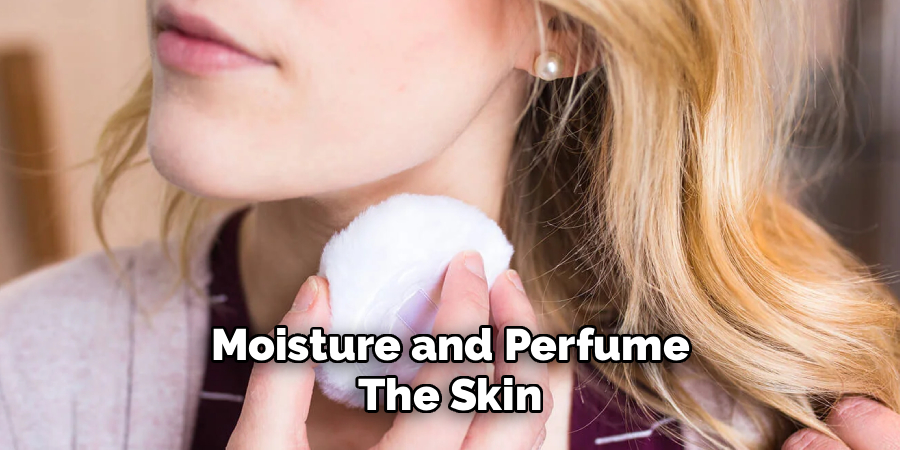
People have utilized scented powders for centuries to manage moisture and perfume the skin. Historical records might suggest that ancient cultures ground dried roots and flower petals to achieve similar effects. These early cosmetic formulations prioritized utility just as much as aesthetics.
Understanding the historical context of these products helps explain their enduring appeal. They solve a practical physical problem while offering a sensory reward.
Absorbing Moisture Naturally
Natural starches excel at keeping the skin dry and comfortable, particularly during humid summer months. Sweating is an unavoidable biological reality. A fine layer of powder prevents the uncomfortable chafing that often occurs when damp skin rubs against itself.
Commercial antiperspirants frequently attempt to block the sweat glands entirely. Natural dusting powders, conversely, merely absorb the surface moisture without interfering with your body’s necessary temperature regulation. This gentle approach tends to preserve the skin’s acidic mantle far better.
Creating a Subtle Fragrance Layer
Liquid perfumes constructed with heavy alcohol bases project their scent outward aggressively. This loud projection can sometimes overwhelm small spaces or irritate sensitive noses in close-quarters environments. Dusting powders offer a much more intimate olfactory experience.
The scent remains close to the body, noticeable only to those permitted in your personal space. This subtle, whispering fragrance layer might suggest a more sophisticated approach to personal perfumery.
Choosing the Right Base Ingredients
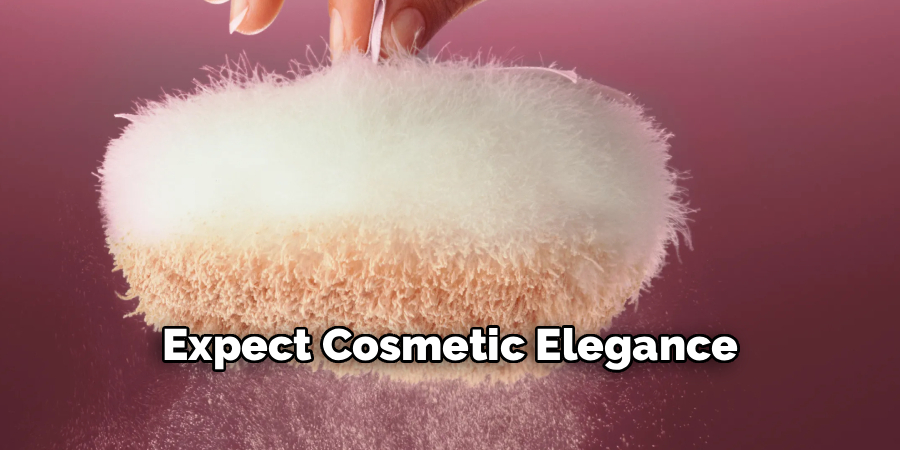
Building the foundation of your recipe requires selecting safe, effective natural starches and clays. You cannot simply grab any white powder from your kitchen pantry and expect cosmetic elegance. The physical structure of the powder determines how it glides over the epidermis.
Your choice of base ingredients ultimately dictates the final texture of your product. A poorly chosen base will feel chalky or heavy.
Arrowroot Powder vs. Cornstarch
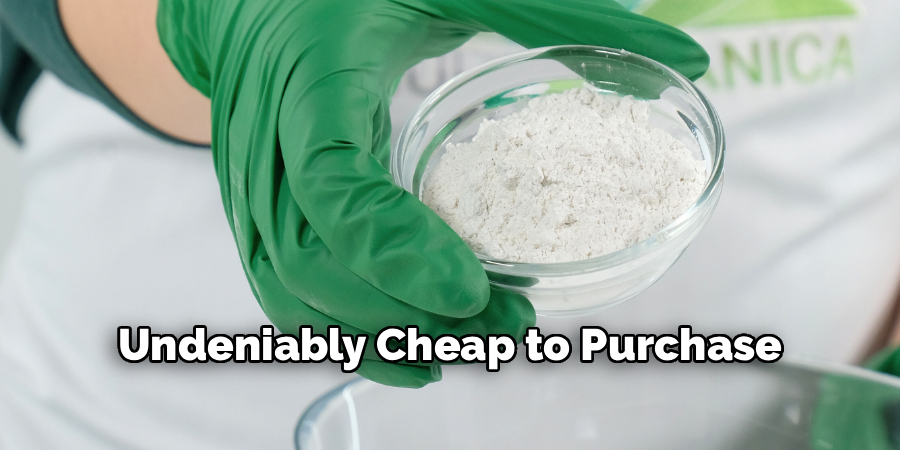
Cornstarch remains highly absorbent and is undeniably cheap to purchase. Arrowroot powder, however, offers a significantly silkier texture that feels less abrasive upon application. Many cosmetic formulators argue that arrowroot provides a superior slip.
If your budget allows, arrowroot serves as the ideal primary ingredient. It absorbs excess moisture efficiently while leaving the skin feeling remarkably soft to the touch.
The Role of Kaolin Clay
Incorporating a small percentage of white kaolin clay transforms a basic starch into a functional cosmetic. Kaolin clay adds a necessary weight to the formulation. It helps the powder adhere lightly to the skin rather than floating away into the air immediately.
Furthermore, clay particles possess a porous structure that anchors volatile essential oils. This anchoring effect could drastically extend the lifespan of your custom fragrance. Without a clay component, your carefully blended scent might vanish within an hour.
Why to Avoid Talc
The health and safety concerns surrounding commercial talcum powder are well-documented. Geological talc deposits frequently occur alongside asbestos, making cross-contamination a severe risk during the mining process. Inhaling these microscopic fibers has been linked to severe respiratory issues.
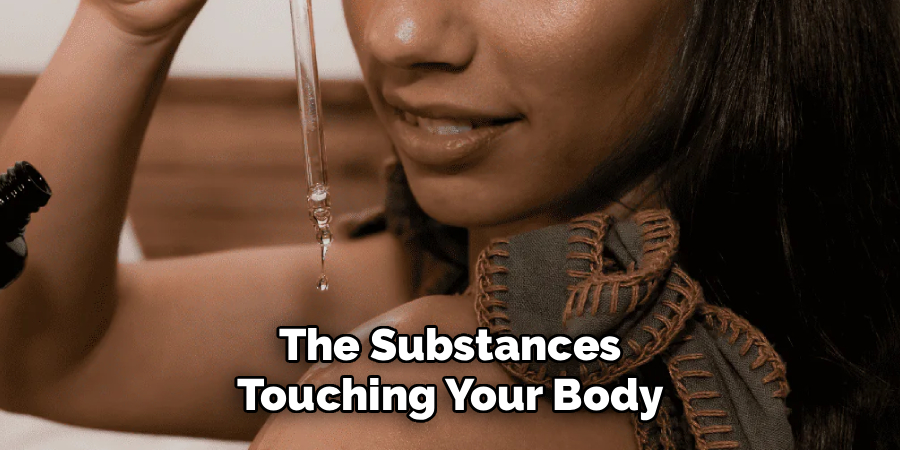
Formulating your own plant-based alternative eliminates this risk. You retain total control over the purity of the substances touching your body.
Selecting Essential Oils for Your Signature Scent
Navigating the complex world of aromatherapy requires patience and a discerning nose. You are essentially building a microscopic perfume within a dry medium. Tossing random oils into a bowl rarely produces a balanced, pleasant aroma.
A structured approach to scent design yields far better results. It requires understanding the volatility of different plant extracts.
Understanding Scent Notes
Basic perfumery relies on a structural pyramid of top, middle, and base notes. Top notes, such as sweet orange or bergamot, hit the nose immediately but evaporate rapidly. Middle notes like lavender or geranium form the core identity of the fragrance.
Base notes, including vanilla, cedarwood, or patchouli, possess heavy molecules that linger on the skin for hours. Combining all three tiers creates a well-rounded, multidimensional scent that evolves as the day progresses.
Skin-Safe Dilution Ratios
Essential oils are incredibly concentrated, volatile compounds. Dropping raw, undiluted oils directly onto your skin will almost certainly cause chemical burns or sensitization. You must disperse them safely throughout your dry starches.
A standard, safe dilution ratio typically involves adding fifteen to twenty drops of essential oil per cup of dry powder. This calculation appears to indicate the sweet spot between a noticeable scent and dermatological safety.
Blending Floral and Earthy Tones
Beginner formulators often find success by combining contrasting scent families. Pairing a rich, heady floral like ylang-ylang with a grounding, earthy element like sandalwood creates immediate complexity. The earthy base prevents the floral notes from becoming cloyingly sweet.
You might experiment with dropping equal parts of rose absolute and vetiver into your mixture. This specific combination often results in a sophisticated, expensive-smelling product that rivals high-end boutique brands.
Step-by-Step Guide: How to Make Perfume Dusting Powder
We now arrive at the physical core of the formulation process. Mixing dry ingredients with liquid oils requires methodical execution. Rushing this sequence usually leaves you with heavily scented clumps surrounded by unscented powder.
Follow these precise directions to achieve a commercial-grade texture. Patience during the sifting phases is absolutely mandatory.
Step 1: Measuring Your Dry Ingredients
Accuracy during the measuring phase prevents texture issues later. Measure out exactly one-half cup of your chosen arrowroot powder. Add two tablespoons of white kaolin clay to this base.
Place these dry starches into a large, clean mixing bowl. Ensure your bowl is entirely free of residual water, as stray moisture will instantly ruin the starches.
Step 2: Sifting the Powders Together
Running the dry ingredients through a fine-mesh sieve represents a critical mechanical step. This physical technique breaks apart microscopic lumps that naturally form during shipping and storage.
Sifting aerates the powders, creating a light, fluffy foundation. You want the final product to feel incredibly smooth against the skin, and skipping this step guarantees a gritty texture.
Step 3: Dropping in the Essential Oils
You must introduce the liquid fragrance carefully. Scatter your calculated drops of essential oil evenly across the entire surface of the dry powder.
Never dump all the drops into one single spot. Concentrating the oil in one area makes it remarkably difficult to distribute the scent evenly throughout the batch.
Step 4: Whisking to Disperse the Fragrance
Take a clean wire whisk and rigorously blend the oils into the starches. You will immediately notice small clumps forming as the liquid physically binds to the dry powder.
This clumping reaction is entirely normal and expected. Continue whisking aggressively for at least two minutes to break the largest chunks apart.
Step 5: The Final Sifting Process
You must now force the scented mixture through your sieve one final time. Place the sieve over a fresh bowl and pour the clumpy powder into the mesh.
Use the back of a spoon to firmly press the oil-soaked clumps through the tiny holes. This mechanical pressure completely integrates the liquid into the starches, restoring the powder to a flawless, cloud-like state.
Step 6: Curing the Powder
The chemical interaction between the oils and the clay requires time to stabilize. Place your finished powder into a sealed glass jar.
Allow the mixture to rest quietly for twenty-four to forty-eight hours before using it. This curing period permits the essential oils to permeate every single grain of powder, resulting in a robust, unified scent profile.
Essential Tools for Mixing and Sifting
Attempting to craft cosmetics without the correct equipment often leads to intense frustration. You likely already own most of the necessary tools. Gathering them from your kitchen before you begin prevents chaotic interruptions.
The quality of your instruments subtly influences the quality of the powder.
Fine Mesh Strainers
A high-quality stainless steel sieve is practically non-negotiable for this project. Plastic colanders generally feature holes that are far too large.
The tight metallic mesh guarantees the commercial-grade silkiness that makes the powder pleasant to apply. It acts as the ultimate quality-control mechanism for your final product.
Glass Mixing Bowls
You must prioritize non-porous materials when working with raw essential oils. Glass or ceramic bowls serve as the ideal mixing vessels.
Plastic bowls will permanently absorb the strong, concentrated scents of the undiluted oils. If you mix peppermint powder in a plastic bowl today, your next batch of baking might taste faintly of mint.
Whisks and Spatulas
A wire whisk excels at breaking up the initial clumps of oil and powder. It provides the necessary kinetic energy to start the dispersion process.
A flexible silicone spatula helps you scrape down the sides of the bowl efficiently. Ensuring no unmixed powder hides at the bottom of the bowl maintains the accuracy of your formulation.
Safe Storage and Packaging Ideas
Environmental moisture acts as the primary enemy of natural starches. If you leave your powder exposed to the damp air of a bathroom, it will inevitably clump and spoil. Proper storage preserves the integrity of your hard work.
Selecting the right container also elevates the aesthetic experience of using the product.
Airtight Containers
Vintage glass jars with tight-fitting lids offer excellent protection against ambient humidity. Specialized powder shakers with rotating closures also work beautifully.
Keeping moisture entirely out of the container prevents the arrowroot from fermenting. A tightly sealed jar also traps the volatile essential oils, stopping your fragrance from evaporating into the room.
Choosing the Right Powder Puff
Applying the product with your bare hands is messy and inefficient. You should source a large, soft synthetic or cotton velour puff.
A high-quality puff fits perfectly inside your storage jar and picks up just the right amount of product. It makes the daily application process feel elegant, deliberate, and highly luxurious.
Customizing Your Powder with Botanicals
Once you master the basic formulation, you can begin exploring visual and textural additions. Elevating your recipe turns a simple powder into a stunning, high-end luxury item.
These botanical inclusions also make the powder an exceptional handmade gift. The visual appeal matters just as much as the olfactory experience.
Adding Dried Lavender or Rose Petals
Mixing a small handful of whole, dried organic flowers into the finished powder adds striking visual contrast. The botanicals look beautiful suspended in the white starch.
Furthermore, these dried flowers slowly infuse additional natural fragrance into the powder over time. As the jar sits on your vanity, the scent profile deepens and matures.
Using Finely Ground Spices
Your kitchen spice rack holds incredible potential for scent customization. Incorporating a tiny pinch of finely ground cinnamon or clove creates a warm, autumnal aroma.
You might also consider scraping the seeds of a vanilla bean directly into the dry mixture. These organic materials provide a rich, gourmand depth that synthetic fragrance oils struggle to replicate.
Application Techniques for Lasting Fragrance
Creating a beautiful product is only half the equation. The physical application technique dictates how long the scent survives on your body.
Strategic placement maximizes the projection of your custom fragrance. You must apply the powder thoughtfully.
Applying to Pulse Points
Body heat acts as an activator for essential oils. You should use your puff to dust the powder specifically over areas where blood vessels sit close to the skin.
Targeting the décolletage, the area behind the knees, and the inner elbows yields the best results. As your body naturally warms up throughout the afternoon, it will continuously re-release the trapped fragrance.
Layering with Perfume
Dusting powder does not need to exist in isolation. Applying it over a matching, unscented body lotion gives the starches something physical to grip.
You could also apply the powder underneath a corresponding liquid perfume. This technique creates a physical scent lock that significantly extends the lifespan of both products.
Conclusion
Mixing a luxurious, custom-scented body powder takes only a few simple ingredients and a fraction of your afternoon. The process requires no specialized scientific knowledge, only a willingness to experiment with scents and textures. We have explored the mechanics of moisture absorption, the chemistry of essential oil dilution, and the exact steps required for a flawless sift.
You now understand exactly how to make perfume dusting powder that rivals expensive boutique offerings. The physical act of crafting your own cosmetics fosters a deeper appreciation for the products you place on your skin. Purchase a bag of arrowroot, select your favorite essential oils, and elevate your post-bath routine today.

About the Author
Jane Hubbard is a passionate beauty expert with a wealth of experience in makeup, hair, and overall beauty techniques. After years of working as a hairdresser specialist, she followed her entrepreneurial spirit and started her own consultancy business.
Jane has always been driven by her desire to help others feel confident in their own skin, and she does this by sharing her knowledge, experiences, and practical beauty tips. Through her consultancy, she empowers individuals to embrace their unique beauty, offering tailored guidance that boosts both self-esteem and personal style.
Professional Focus
Specializes in makeup, hairstyling, and beauty consulting.
Provides personalized beauty advice, tips, and techniques to help individuals feel confident in their appearance.
Dedicated to staying up-to-date with the latest industry trends and developments.
Passionate about creating a comfortable and empowering experience for every client.
Education History
University of Craft and Design – Bachelor of Fine Arts (BFA) in Woodworking and Furniture Design
Woodworking Apprenticeships – Extensive hands-on training with skilled craftsmen to refine carpentry and furniture making techniques
Online Courses & Masterclasses – Continued education in advanced woodworking techniques, design principles, and specialized tools
Expertise:
Makeup artistry, hairstyling, and beauty consulting.
Personalized beauty techniques to enhance confidence and self-expression.
Educating clients on how to maintain their beauty routines at home.