

Dealing with skin discoloration can be a frustrating journey, and melasma is a common concern for many. This condition, characterized by brown or grayish-brown patches on the face, often appears on the cheeks, forehead, bridge of the nose, and chin. While it can affect anyone, it is most common in women, particularly during their reproductive years. Understanding the factors that contribute to melasma is the first step toward managing its appearance.

This guide will provide you with practical information and a detailed approach, exploring effective strategies and lifestyle adjustments. We’ll walk through the process of how to manage melasma on management, protection, and consistent care for your skin.
Melasma, often referred to as the “mask of pregnancy,” is a common skin condition that can be challenging to manage. It typically appears as brown or grayish-brown patches on areas of the face that receive the most sun exposure, such as the forehead, cheeks, upper lip, and jawline.
While not harmful, its presence can significantly impact self-esteem and confidence. By understanding the causes and triggers of melasma, you can take proactive steps toward reducing its appearance and preventing future outbreaks. This guide aims to empower you with knowledge and tools to protect your skin and effectively manage this condition.
Why Understanding Melasma Matters
Melasma is more than just a skin condition; it can significantly impact self-esteem and confidence. The visible patches on the face can make individuals feel self-conscious, leading to social anxiety and a desire to hide their skin. Because melasma is often linked to hormonal changes—such as those during pregnancy (chloasma or “the mask of pregnancy”) or from using birth control pills—it can feel like an unpredictable and uncontrollable issue.
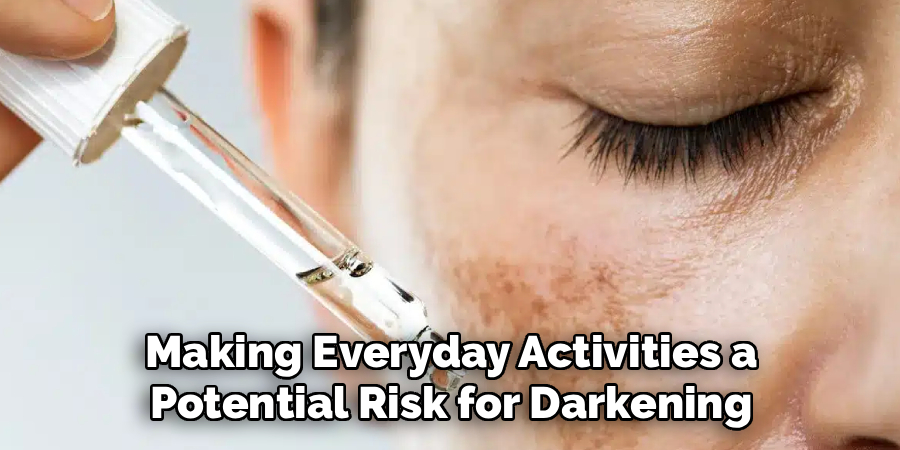
Furthermore, sun exposure is a major trigger, making everyday activities a potential risk for darkening the patches. Gaining knowledge about what causes these dark spots and how to manage them empowers you to take control of your skin health, leading to both visible improvements and a renewed sense of well-being.
A Step-by-Step Guide on How to Manage Melasma
Finding the right approach to melasma involves a multi-faceted strategy that combines professional guidance, consistent daily habits, and targeted treatments. This journey requires patience and a deep understanding of your skin’s unique needs. The following steps will help you build an effective routine to manage discoloration and work toward a clearer, more even complexion.
Step 1: Confirm Your Diagnosis with a Professional
Before beginning any treatment plan, it is crucial to get an accurate diagnosis from a board-certified dermatologist. Other skin conditions, such as post-inflammatory hyperpigmentation or certain types of sun damage, can mimic the appearance of melasma. A dermatologist can confirm the condition, often through a visual examination or by using a special light called a Wood’s lamp.
This professional assessment is vital because the right treatment depends on the correct diagnosis. A dermatologist will also help you understand the depth of the pigmentation—whether it is epidermal (surface), dermal (deeper), or mixed—which influences the effectiveness of various therapies.
Step 2: Identify and Minimize Your Triggers
Understanding what causes your melasma to flare up is a critical part of managing it. The most significant trigger is ultraviolet (UV) light exposure from the sun. However, hormonal fluctuations also play a major role. This includes changes during pregnancy, menopause, or from taking hormonal contraceptives or hormone replacement therapy. Even visible light from screens and indoor lighting can contribute to pigmentation in some individuals.
Keep a journal to track potential triggers, noting when your melasma appears darker. By identifying these patterns, you can make informed lifestyle adjustments to avoid exacerbating the condition and support your treatment efforts.
Step 3: Make Sunscreen Your Non-Negotiable Ally
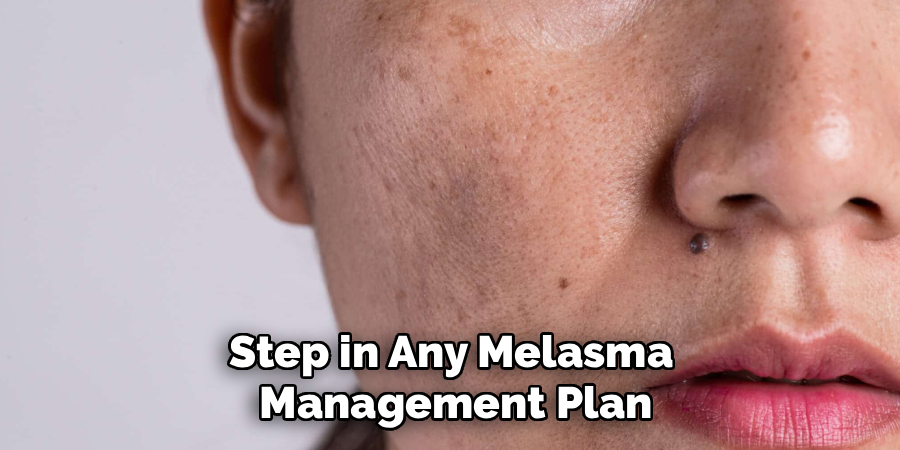
If there is one mandatory step in any melasma management plan, it is the daily, diligent use of sunscreen. UV radiation stimulates melanocytes, the cells responsible for producing pigment, making sun protection your primary defense. You should opt for a broad-spectrum, mineral-based sunscreen with an SPF of 30 or higher.
Look for products containing zinc oxide or titanium dioxide, as they create a physical barrier that effectively blocks a wide range of light. Apply sunscreen generously every morning, even on cloudy days or when you are indoors, and be sure to reapply it every two hours if you are outside.
Step 4: Incorporate Key Topical Ingredients
Several over-the-counter and prescription ingredients are known for their ability to lighten hyperpigmentation. Hydroquinone has long been a gold standard, but its use requires medical supervision. Other effective and widely available ingredients include azelaic acid, which helps reduce inflammation and decrease pigment production. Kojic acid, a byproduct of fermented rice, is another popular lightening agent.
Additionally, incorporating antioxidants like vitamin C into your morning routine can help protect your skin from environmental damage and brighten its overall appearance. When starting new topicals, introduce them slowly to avoid irritation and allow your skin time to acclimate.
Step 5: Consider Retinoids to Enhance Cell Turnover
Retinoids, which are derivatives of vitamin A, are powerful tools for improving skin texture and tone. They work by accelerating cellular turnover, which helps to shed pigmented surface cells more quickly and reveal healthier, more evenly toned skin below.
Tretinoin is a potent prescription retinoid often recommended for melasma, but over-the-counter options like retinol and retinaldehyde are also effective, though gentler. It is best to apply retinoids at night, as they can increase sun sensitivity. Start with a low concentration a few times a week and gradually increase frequency as your skin builds tolerance.
Step 6: Explore Professional Treatment Options
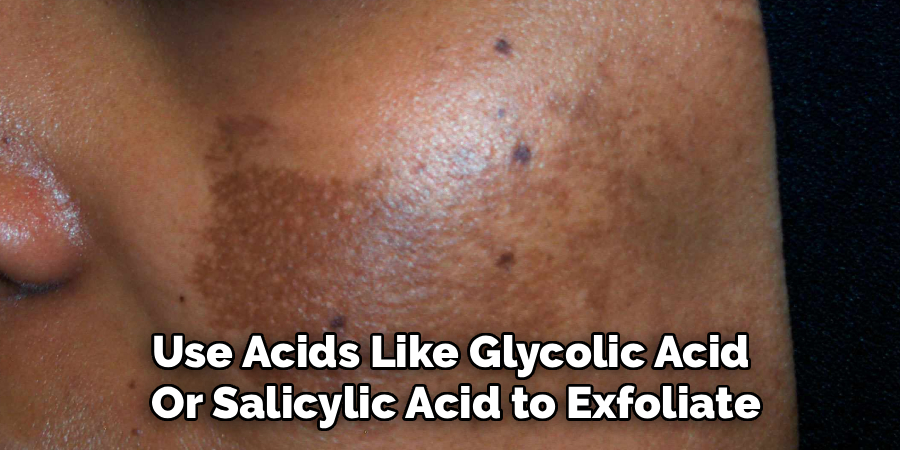
For persistent or deeper melasma, professional treatments performed by a dermatologist can offer significant improvement. Chemical peels, for example, use acids like glycolic acid or salicylic acid to exfoliate the top layers of skin, reducing the appearance of pigmentation.
Microneedling is another procedure that creates tiny channels in the skin, which can enhance the absorption and effectiveness of topical lightening agents. Laser therapies, such as fractional non-ablative lasers, may also be recommended. These treatments target pigment without damaging the skin’s surface but should be approached with caution, as some lasers can worsen melasma.
Step 7: Gentle Skincare Routine
While you focus on treating melasma, it is essential to support your skin’s health with a gentle and hydrating skincare routine. Harsh scrubs and abrasive products can cause inflammation, which may worsen hyperpigmentation. Use a mild, non-stripping cleanser to wash your face and follow up with a moisturizer that supports your skin barrier. Ingredients like hyaluronic acid, ceramides, and niacinamide are excellent for hydrating, soothing, and strengthening the skin. A healthy skin barrier is more resilient and better able to tolerate active ingredients, making your treatment plan more effective in the long run.
Frequently Asked Questions
Can Melasma Be Cured Permanently?
There is no definitive permanent cure for melasma, as it is a chronic condition that can recur. However, with consistent management, including diligent sun protection and targeted treatments, its appearance can be significantly reduced and controlled. Many people achieve long-term remission with a maintenance routine.
How Long Does It Take to See Results?
Patience is key. With consistent use of topical treatments and strict sun protection, you may start to see gradual improvement in 2–3 months. Professional procedures like chemical peels or lasers may offer faster results, but multiple sessions are often needed for the best outcome.
Are There Any Natural Remedies That Work?
Some natural ingredients show promise for lightening melasma. For example, topical application of licorice root extract, soy, or niacinamide (a form of vitamin B3) may help reduce pigmentation. However, their effects are generally milder than those of prescription treatments. Always patch-test new ingredients to avoid irritation.
Does Diet Affect Melasma?
While there is no specific “melasma diet,” a balanced diet rich in antioxidants can support overall skin health. Foods high in vitamins C and E, such as citrus fruits, berries, and leafy greens, help protect the skin from oxidative stress, which can contribute to pigmentation.

Is It Safe to Treat Melasma During Pregnancy?
Many standard melasma treatments, including hydroquinone and retinoids, are not recommended during pregnancy. If you develop melasma while pregnant, focus on strict sun avoidance and use mineral-based sunscreens. You can also discuss pregnancy-safe options like azelaic acid with your dermatologist.
Conclusion
Navigating the path to clearer skin can feel complex, but it is entirely achievable with the right knowledge and consistent effort. By confirming your diagnosis with a professional, identifying your unique triggers, and committing to a daily sun protection habit, you build a strong foundation for success.
Integrating powerful topical ingredients, exploring professional procedures, and maintaining a gentle skincare routine will further enhance your results. Remember that managing melasma is a marathon, not a sprint. By applying these strategies with patience and dedication, you will be well on your way to understanding how to cure melasma and reclaiming your skin’s natural radiance and health.

About the Author
Jane Hubbard is a passionate beauty expert with a wealth of experience in makeup, hair, and overall beauty techniques. After years of working as a hairdresser specialist, she followed her entrepreneurial spirit and started her own consultancy business.
Jane has always been driven by her desire to help others feel confident in their own skin, and she does this by sharing her knowledge, experiences, and practical beauty tips. Through her consultancy, she empowers individuals to embrace their unique beauty, offering tailored guidance that boosts both self-esteem and personal style.
Professional Focus
Specializes in makeup, hairstyling, and beauty consulting.
Provides personalized beauty advice, tips, and techniques to help individuals feel confident in their appearance.
Dedicated to staying up-to-date with the latest industry trends and developments.
Passionate about creating a comfortable and empowering experience for every client.
Education History
University of Craft and Design – Bachelor of Fine Arts (BFA) in Woodworking and Furniture Design
Woodworking Apprenticeships – Extensive hands-on training with skilled craftsmen to refine carpentry and furniture making techniques
Online Courses & Masterclasses – Continued education in advanced woodworking techniques, design principles, and specialized tools
Expertise:
Makeup artistry, hairstyling, and beauty consulting.
Personalized beauty techniques to enhance confidence and self-expression.
Educating clients on how to maintain their beauty routines at home.