

Many people think that sleep caps are only for curly or textured hair, but that’s a common misconception. If you dream of waking up with smooth, glossy strands without reaching for the flat iron every morning, a high-quality satin or silk bonnet is the game-changer you need. Protecting your hair at night is vital for maintaining its health and length. Cotton pillowcases often create friction, leading to breakage, split ends, and that frustrating morning bedhead. By wrapping your hair, you reduce this damage and lock in moisture that cotton tends to absorb.
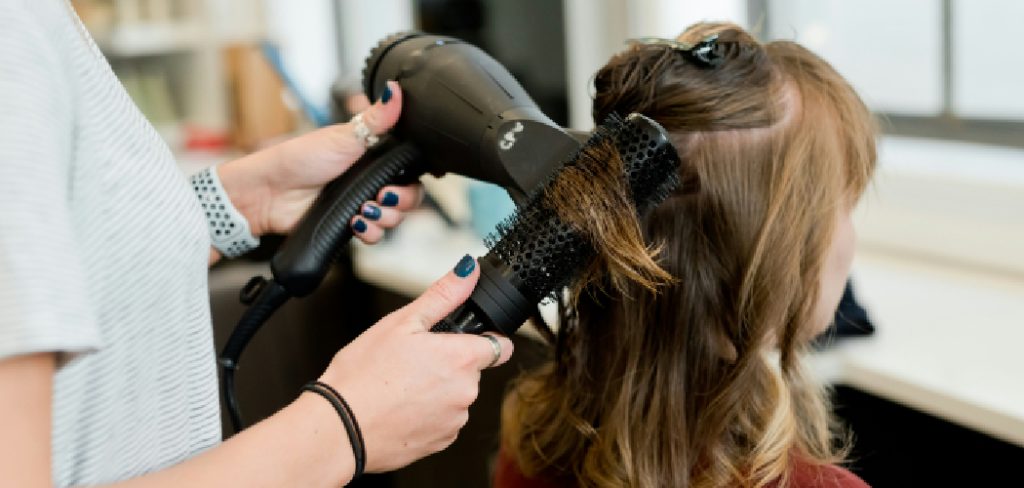
In this guide, we will walk you through exactly how to use a bonnet for straight hair to preserve your style and keep your locks healthy. Whether you have naturally straight tresses or a fresh blowout, mastering this simple nighttime routine will save you time and keep your hair looking its best.
Using a bonnet as part of your nightly routine can make a world of difference for maintaining the health and appearance of straight hair. It’s a simple yet effective step that prevents unnecessary wear and tear while ensuring your hair stays smooth and sleek. With the right technique, incorporating a bonnet into your hair care routine can help you wake up with salon-worthy locks every day.
A Guide on How to Use a Bonnet for Straight Hair
Step 1: Choose the Right Bonnet
The foundation of a successful nighttime hair routine begins with selecting the proper headwear. For straight hair, you want materials that minimize friction and prevent static. A high-quality silk bonnet is often the gold standard because its natural fibers help maintain hydration and reduce tangling.
Alternatively, a satin bonnet offers similar benefits at a more accessible price point, providing a smooth surface that lets your hair glide freely without snagging. When prioritizing hair protection, look for a design with a wide, comfortable band that stays secure without leaving indentations, ensuring your sleek style remains intact until morning.
Step 2: Prep Your Hair Before Bed
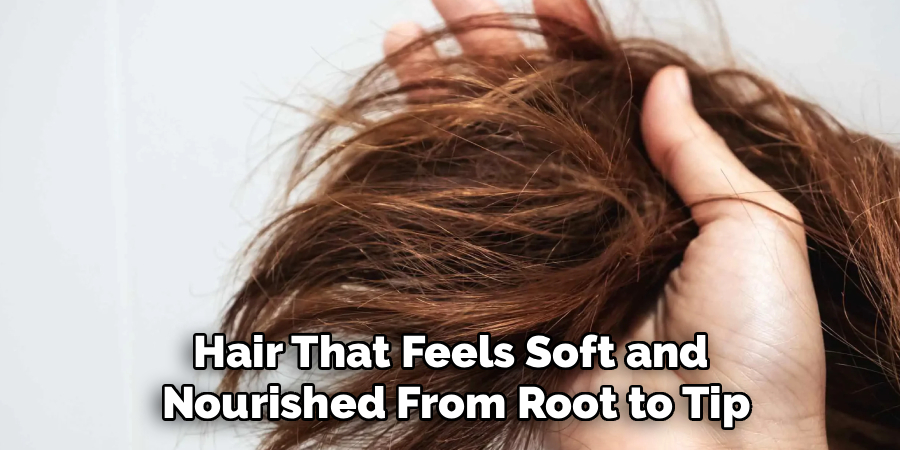
Before putting on your bonnet, a little preparation goes a long way. This simple addition to your hair care routine ensures your strands are ready for their overnight protection. Start by gently brushing your hair to detangle any knots that formed during the day. A wide-tooth comb or a soft bristle brush is ideal for minimizing breakage. If your ends feel dry, apply a very small amount of a lightweight leave-in conditioner or serum to moisturize them. This step helps seal the cuticle, fight frizz, and ensures you wake up with hair that feels soft and nourished from root to tip.
Step 3: Secure Your Hair (The Wrap Method)
For those with long, straight hair, the wrap method is an excellent technique to maintain a smooth, sleek finish. Begin by combing all your hair forward. Then, using a soft brush, start brushing your hair in one continuous circular direction around your head. The goal is to create a flat, beehive-like shape that lays smoothly against your scalp. You can use bobby pins to secure the ends of your hair as you wrap it around. This method prevents your hair from moving around too much, which helps avoid tangles and preserves the straightness of your style while you sleep.
Step 4: The Low, Loose Ponytail or Braid Method
If the wrap method feels too complicated, a simpler alternative is to secure your hair in a low, loose style. Gather your hair at the nape of your neck and secure it with a gentle hair tie, like a scrunchie made of silk or satin, to avoid creating a dent. You can leave it as a loose ponytail or create a single loose braid. This technique keeps your hair contained and prevents it from getting tangled or frizzy from friction against your pillow. It’s a quick and effective way to protect your hair without much fuss before putting on your bonnet.
Step 5: Properly Place the Bonnet on Your Head
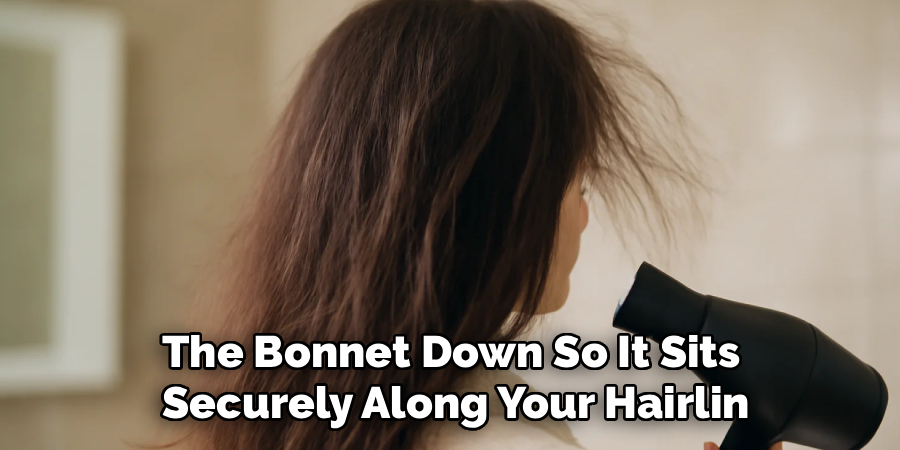
Once your hair is prepped and secured, it’s time to put on the bonnet. This is a key step in learning how to use a bonnet for straight hair effectively. Hold the bonnet open with both hands and bend forward at your waist, allowing your hair to hang down. Gently scoop all of your hair into the bonnet, making sure every strand is tucked inside. Once your hair is fully contained, pull the elastic band of the bonnet down so it sits securely along your hairline. Ensure the band is comfortable and not too tight on your forehead or ears.
Step 6: Adjust for Comfort and Security
After the bonnet is on, take a moment to ensure it feels both secure and comfortable for a good night’s sleep. The band should be snug enough to stay on all night but not so tight that it causes discomfort or leaves a mark on your forehead. If you have a bonnet with an adjustable tie or band, tighten or loosen it as needed. Gently shift the bonnet to make sure your hair is distributed evenly inside and not clumped in one spot. A proper fit is crucial for protecting your hairstyle and ensuring you can sleep without any distractions.
Step 7: Morning Routine and Removal
In the morning, removing your bonnet is just as important as putting it on. Gently slide the bonnet off your head. If you used the wrap method, carefully remove any bobby pins and let your hair fall. If you opted for a loose ponytail or braid, remove the hair tie. Use your fingers or a wide-tooth comb to gently style your hair. You should notice significantly less frizz and fewer tangles. Your hair will be smoother and require minimal touch-ups with a flat iron, saving you precious time and reducing heat damage.
Alternative Hair Protection Methods
There are several alternative methods to protect your hair while you sleep, each catering to different preferences and hair types. One popular option is using a silk or satin pillowcase. These materials reduce friction, helping to prevent frizz, tangles, and breakage, just like a bonnet would. Another method is the “pineapple” technique, where you loosely gather your hair at the top of your head with a scrunchie or soft hair tie.
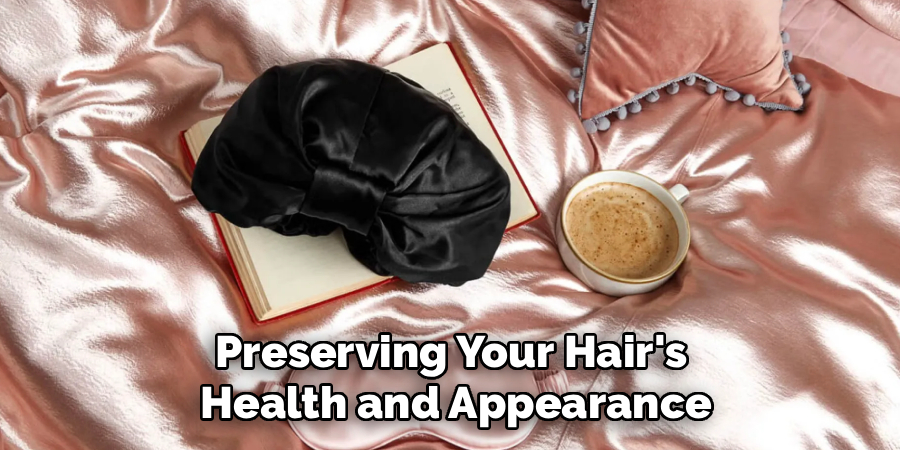
This keeps your curls or waves intact and minimizes flattening or tangling. For those with shorter hair, wearing a silk or satin scarf can be an effective way to maintain your style and lock in moisture overnight. Each of these methods offers a practical solution for preserving your hair’s health and appearance.
Frequently Asked Questions
Will a Bonnet Make My Straight Hair Greasy?
No, a bonnet should not make your hair greasy. A high-quality silk or satin bonnet helps your hair retain its natural moisture without adding oil. If you notice greasiness, you might be using too much product before bed. Use lightweight serums sparingly for the best results.
Can I Use a Bonnet on a Fresh Blowout?
Absolutely! Using a bonnet is an excellent way to prolong the life of a blowout. It protects your hair from the friction that causes frizz and helps maintain the smooth, voluminous look. Simply follow the wrapping or loose ponytail method before putting on your bonnet to preserve your style.
What Is the Difference Between a Silk and Satin Bonnet?
Silk is a natural fiber, while satin is a type of weave that can be made from various materials, including polyester. Silk bonnets are more breathable and help regulate temperature, but they are also more expensive. Satin provides a similar smooth surface that protects hair at a more budget-friendly price.
How Often Should I Wash My Bonnet?
You should wash your bonnet regularly to prevent product buildup and bacteria from transferring back to your hair and skin. A good rule of thumb is to wash it once a week, or more often if you use heavy hair products. Hand washing with a gentle detergent is recommended.
Will a Bonnet Flatten My Hair?
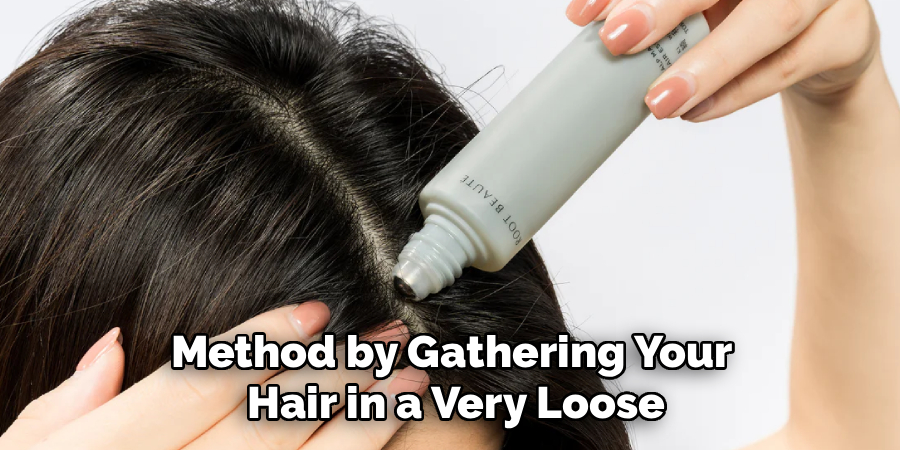
While a bonnet’s job is to keep hair smooth, it shouldn’t completely flatten it, especially if you have volume at the roots. To minimize flattening, try the “pineapple” method by gathering your hair in a very loose, high ponytail on top of your head before putting on the bonnet.
Conclusion
Protecting your straight hair overnight doesn’t have to be complicated. By following these simple steps—choosing the right material, prepping your hair, and securing it properly—you can wake up to smoother, healthier, and more manageable locks. This small addition to your nightly routine preserves your hairstyle, reduces breakage, and minimizes your need for morning touch-ups with heat styling tools. Now that you understand the benefits and techniques, you are ready to master how to use a bonnet for straight hair and enjoy effortlessly beautiful hair every day.

About the Author
Jane Hubbard is a passionate beauty expert with a wealth of experience in makeup, hair, and overall beauty techniques. After years of working as a hairdresser specialist, she followed her entrepreneurial spirit and started her own consultancy business.
Jane has always been driven by her desire to help others feel confident in their own skin, and she does this by sharing her knowledge, experiences, and practical beauty tips. Through her consultancy, she empowers individuals to embrace their unique beauty, offering tailored guidance that boosts both self-esteem and personal style.
Professional Focus
Specializes in makeup, hairstyling, and beauty consulting.
Provides personalized beauty advice, tips, and techniques to help individuals feel confident in their appearance.
Dedicated to staying up-to-date with the latest industry trends and developments.
Passionate about creating a comfortable and empowering experience for every client.
Education History
University of Craft and Design – Bachelor of Fine Arts (BFA) in Woodworking and Furniture Design
Woodworking Apprenticeships – Extensive hands-on training with skilled craftsmen to refine carpentry and furniture making techniques
Online Courses & Masterclasses – Continued education in advanced woodworking techniques, design principles, and specialized tools
Expertise:
Makeup artistry, hairstyling, and beauty consulting.
Personalized beauty techniques to enhance confidence and self-expression.
Educating clients on how to maintain their beauty routines at home.